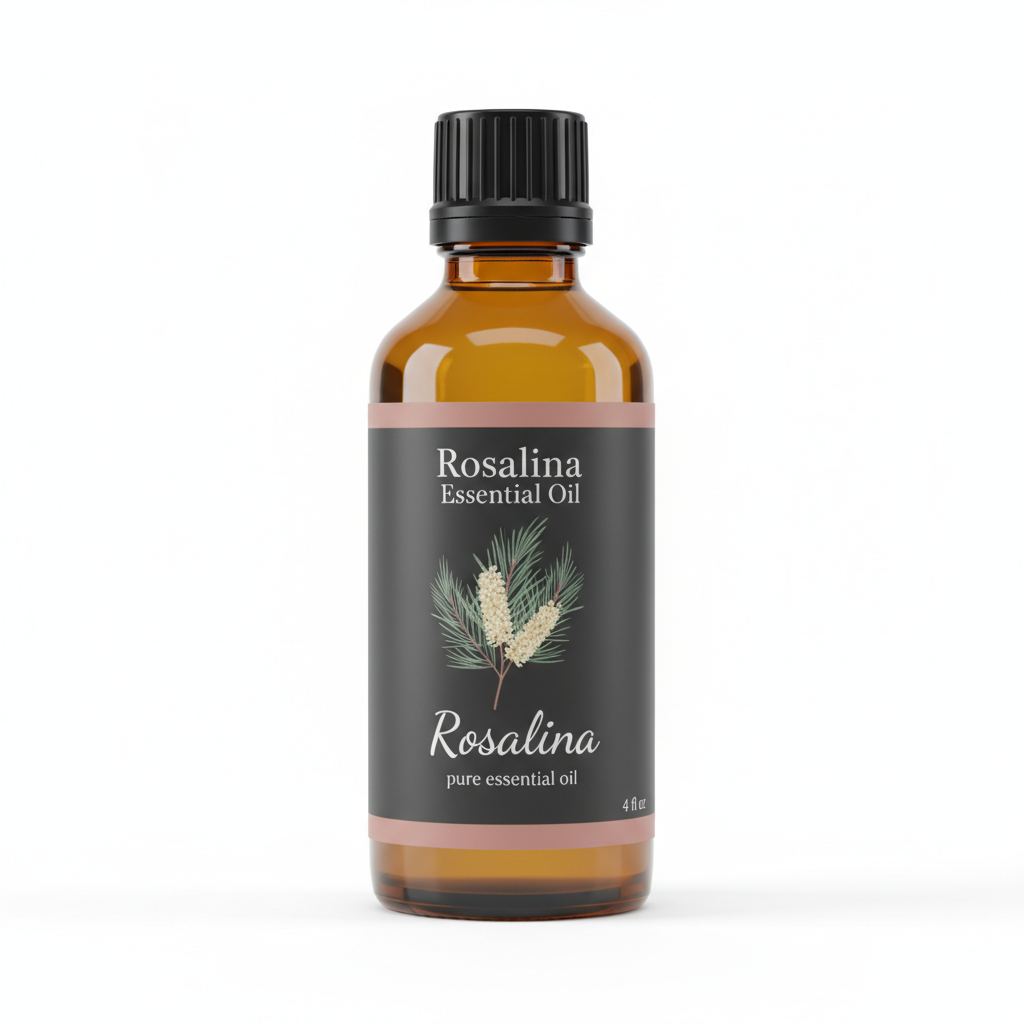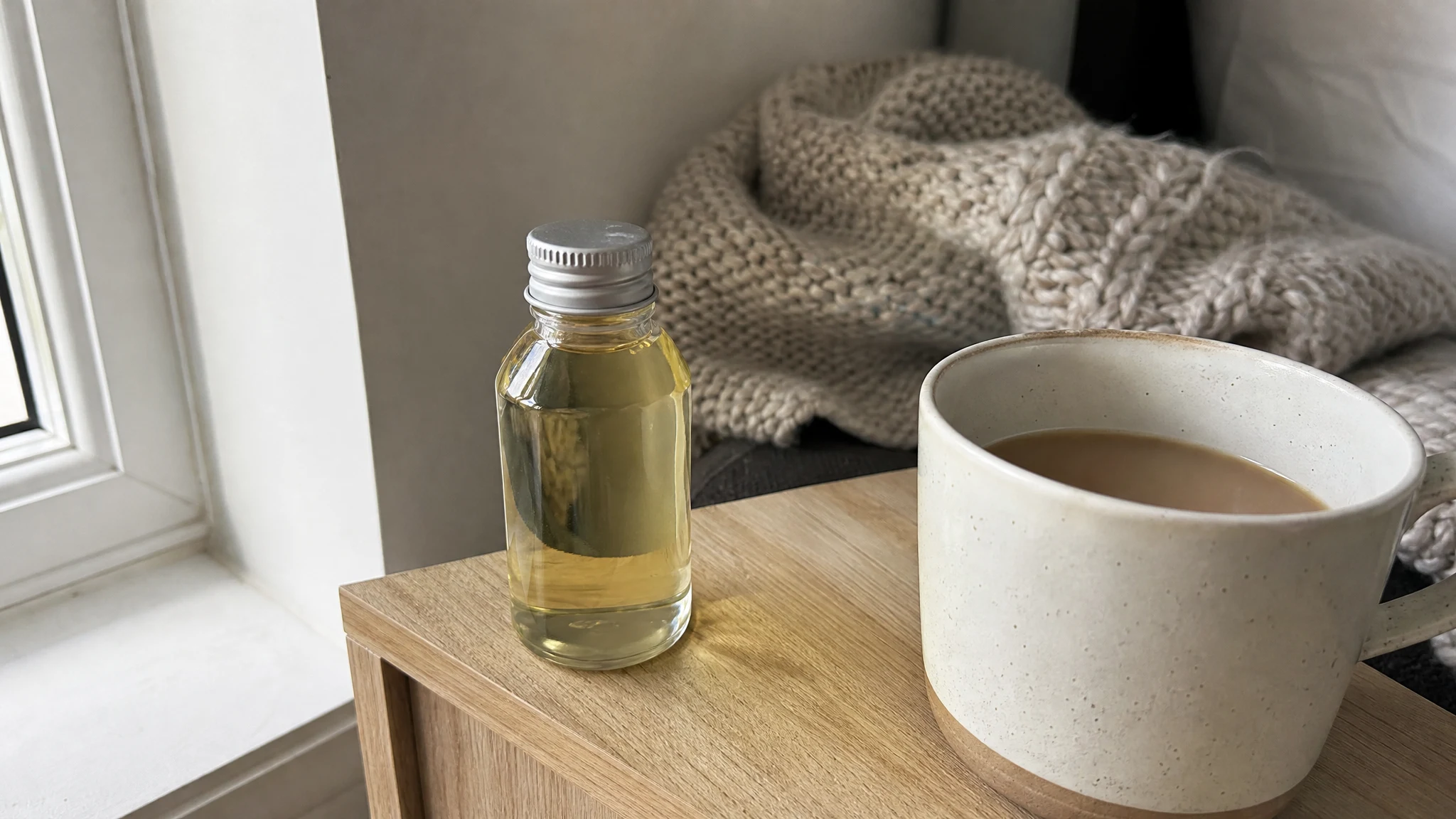
How to Tell If Rosalina Oil Has Gone Off
An old bottle rarely looks dramatic. Here is what oxidation does to rosalina oil, the small signs that give it away, and when to stop using it on skin.
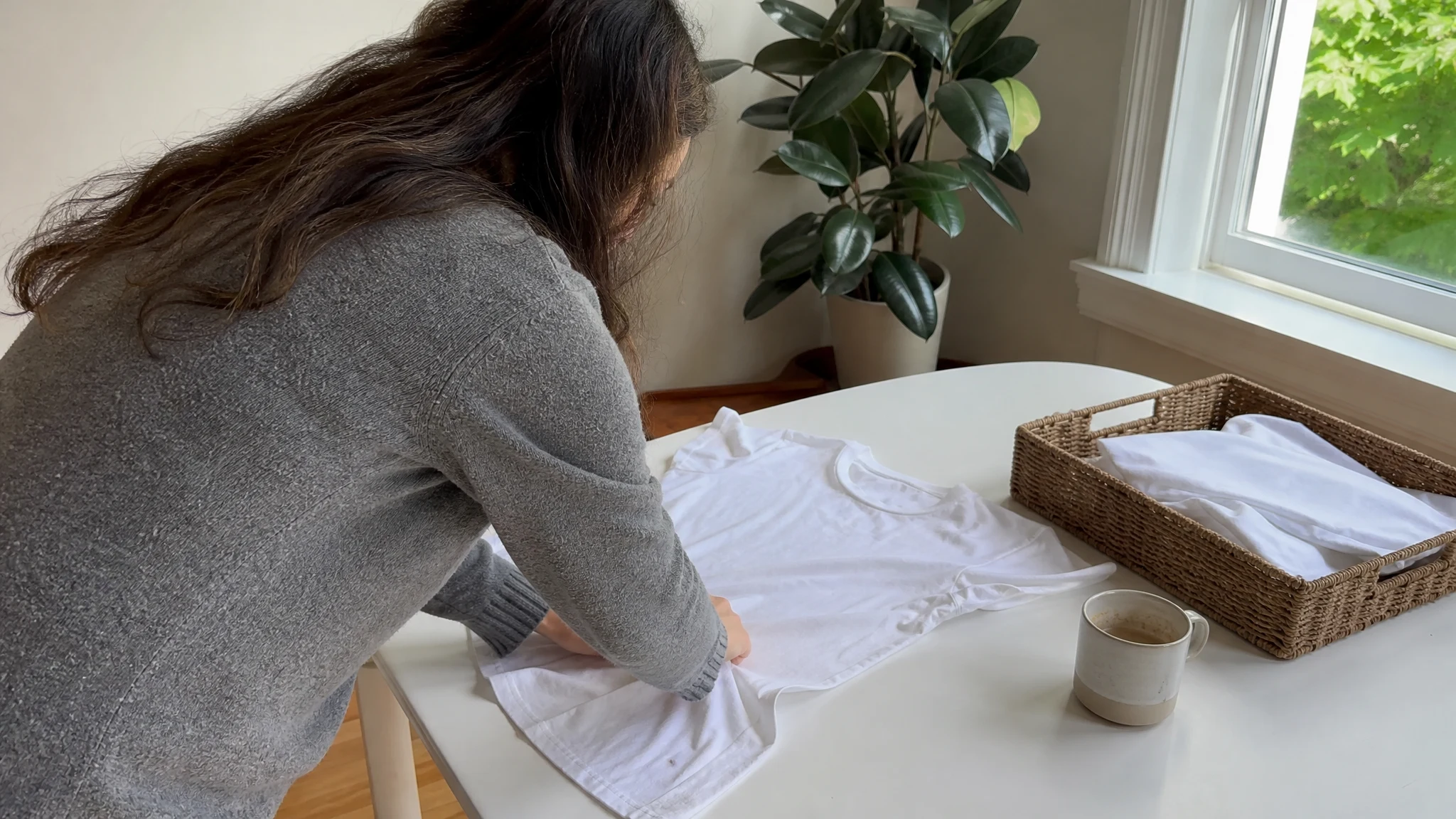
Does Rosalina Oil Stain? Getting It Out of Fabric
Yes, essential oil leaves a mark on cotton and linen. Here is the calm way to treat it, which fabrics to send to a dry cleaner, and why the dryer waits.
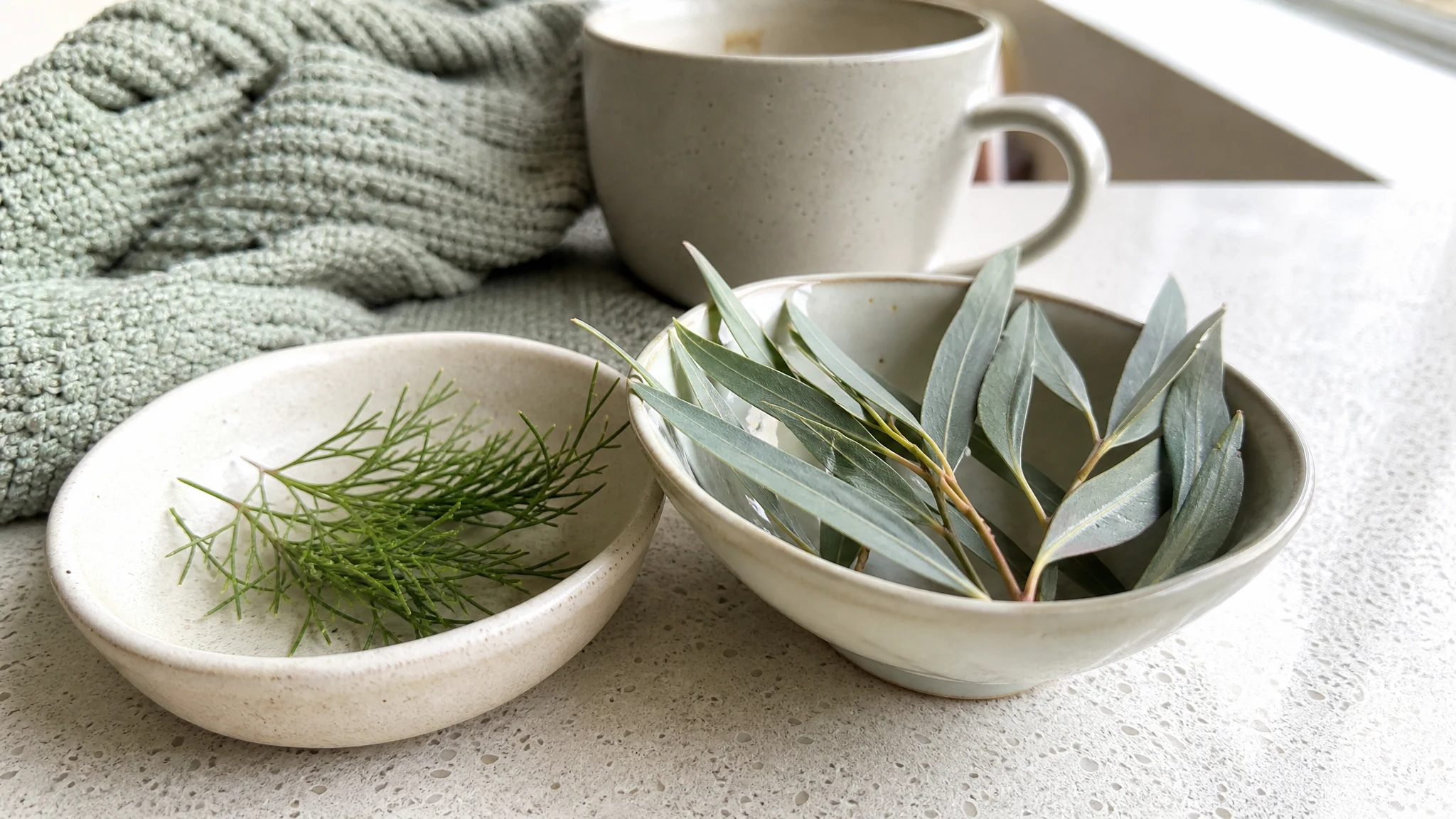
Rosalina vs Eucalyptus Oil: How the Cineole Differs
Is rosalina a softer eucalyptus? The chemistry says it depends on the bottle. A fair look at scent, cineole and why neither oil is a hands-off choice.
Rosalina vs Cajeput and Niaouli: Melaleuca Oils Compared
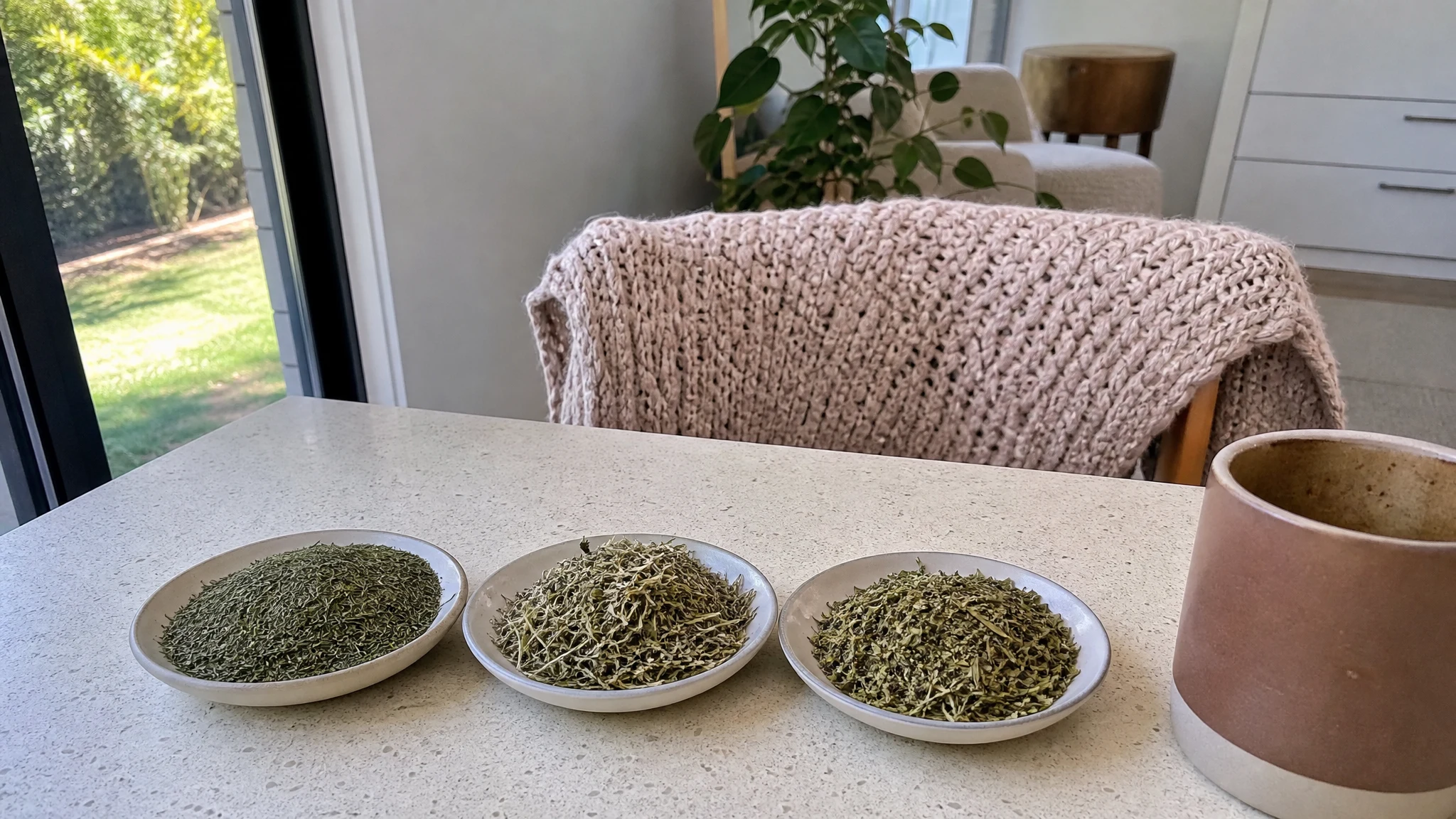
Three paperbark oils, three different centres of gravity. See how rosalina, cajeput and niaouli differ in chemistry and scent, and what to check.
Who Grades Essential Oils? What the Labels Really Mean
No agency awards a 'therapeutic' grade to essential oils. Here is what real standards measure, why the word is a risky one, and better questions to ask.
How to Read an Essential Oil Label: 5 Lines That Matter
A nickname is not a plant. Learn which lines on an essential oil label tell you what is in the bottle, and which ones are mostly marketing mood.
Essential Oil Purity Tests: Why Home Tricks Fall Short
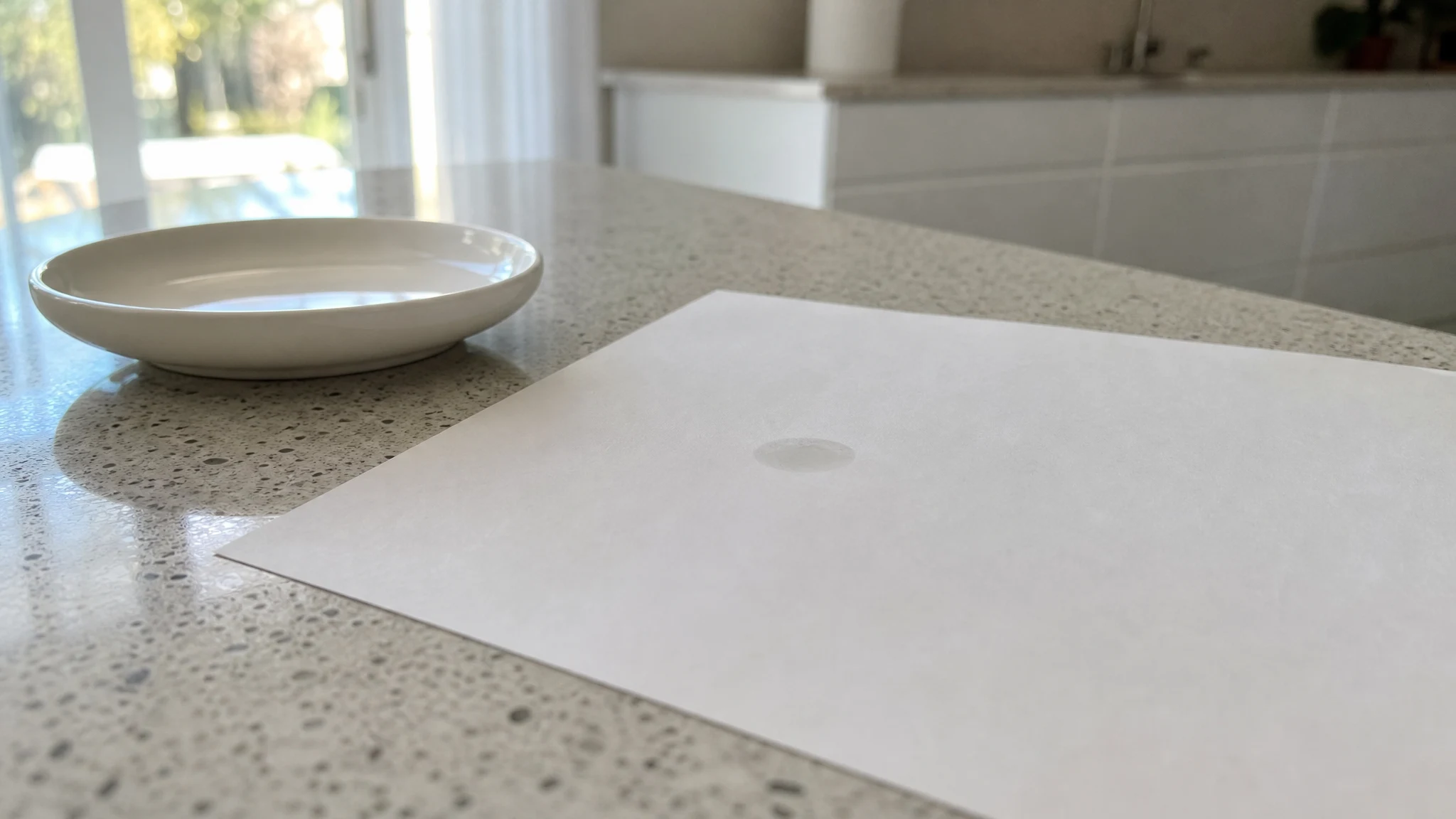
The paper blot, water float and freezer tests are everywhere online, yet none can tell a straight oil from a clever blend. Here is why, and what works.

Organic Essential Oil Labels: What the Words Mean
An organic label tells you how a plant was farmed and handled, not what is in the bottle. Learn the tiers, the certifier line and what to ask a seller.
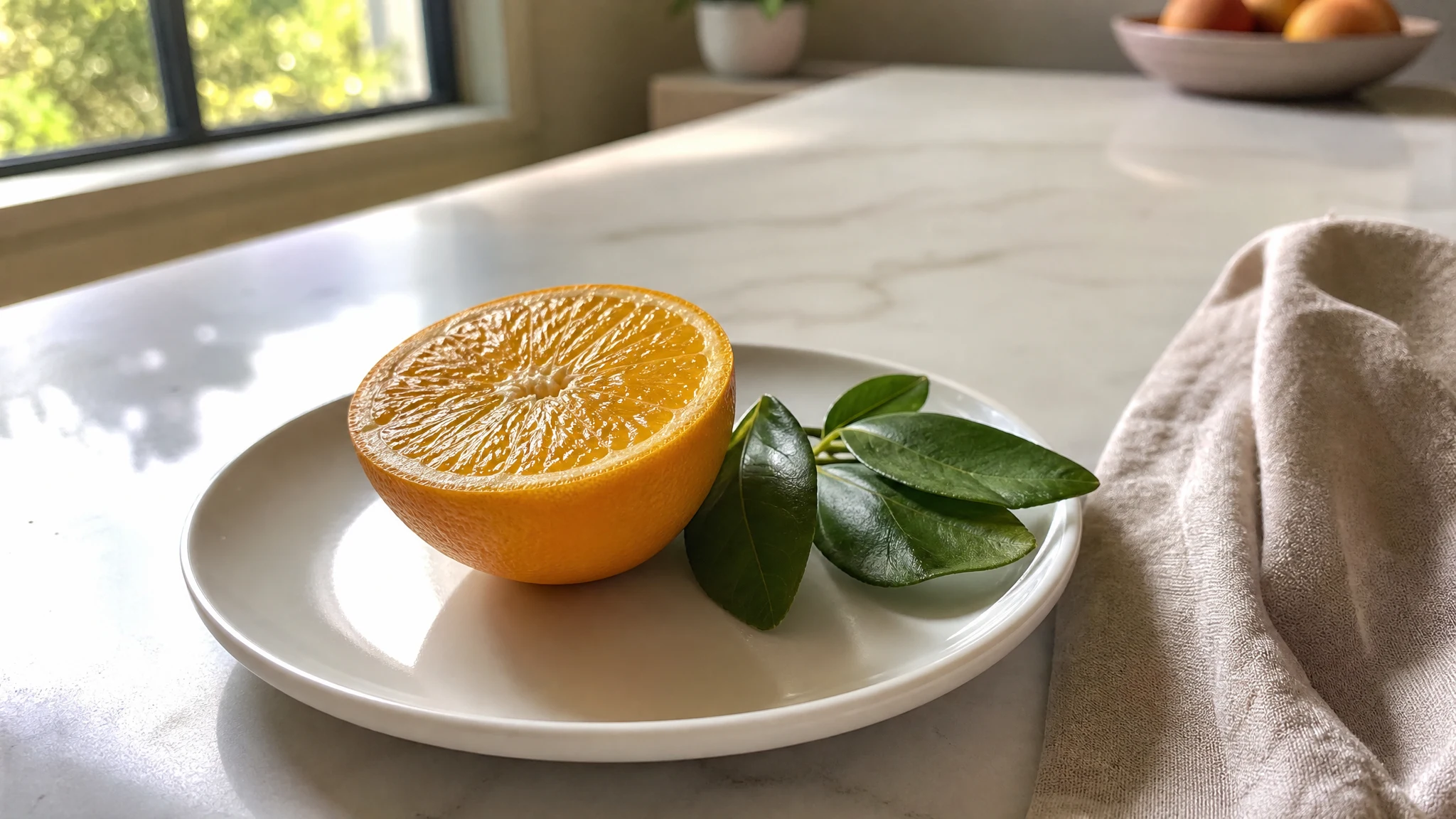
Essential Oil Extraction Methods: Reading the Label
Steam distilled, cold pressed, CO2 extract, absolute: five seconds on the extraction line tells you what kind of material is in the bottle.
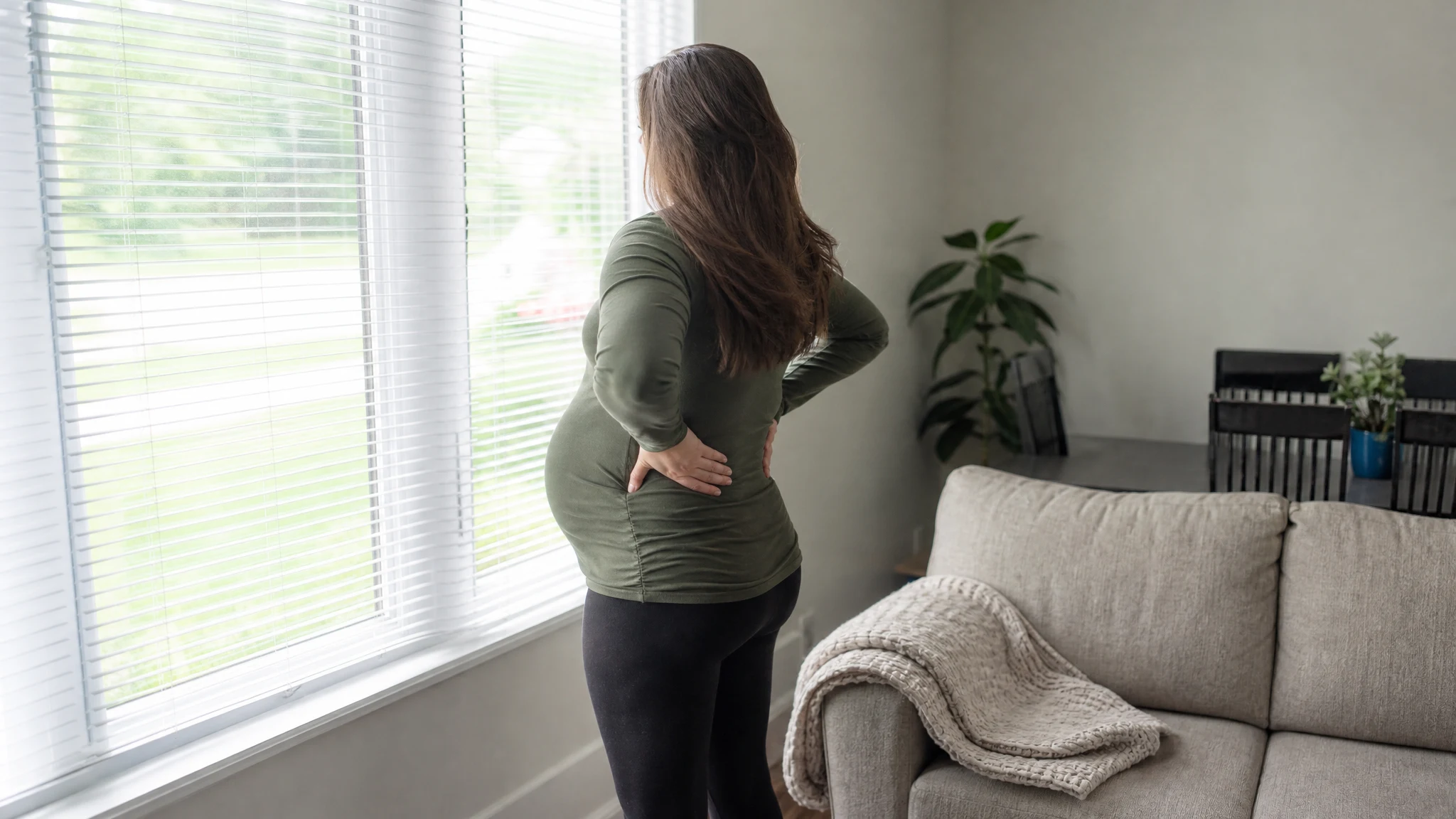
Essential Oils During Pregnancy: What Guidance Exists
No national authority clears essential oils for pregnancy. Here is what the published guidance and reviews say, and who to ask before you start.
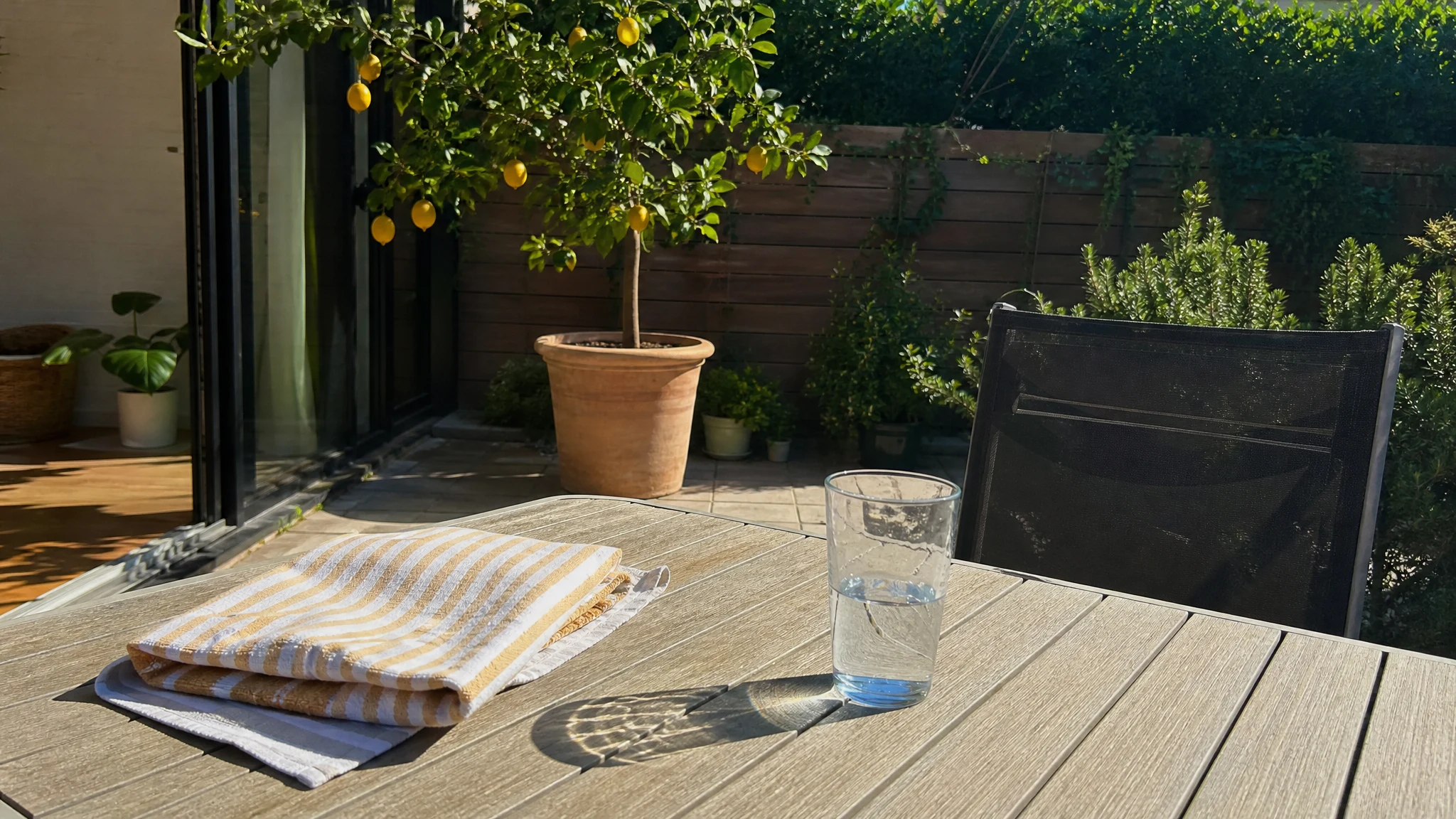
Phototoxic Essential Oils: Which Ones React in Sun?
Only some essential oils react with UV light on skin, mostly expressed citrus. See why, what the bergamot limit means and how to check a citrus partner.
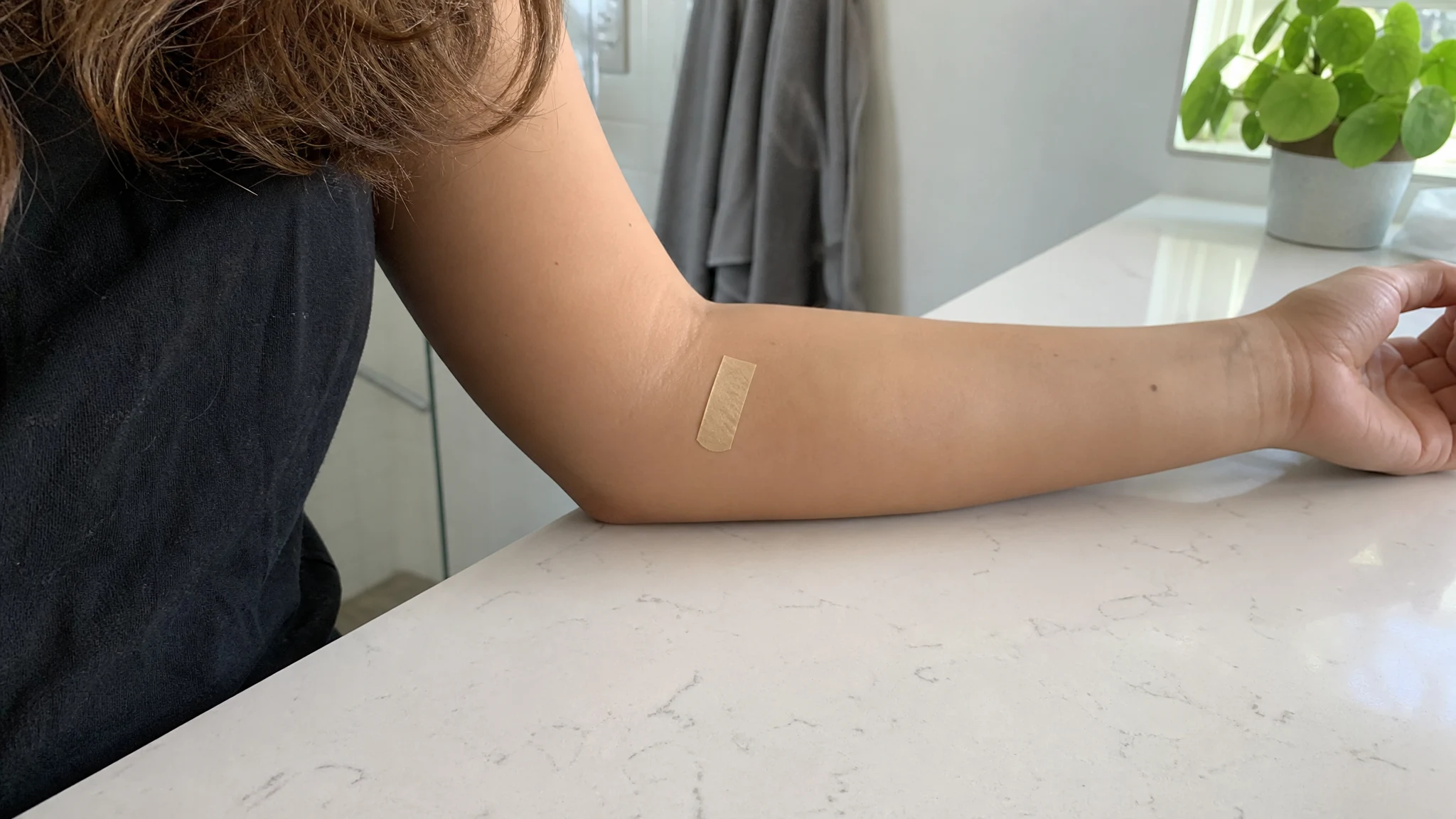
Essential Oil Patch Test: What It Can and Cannot Show
A forearm patch test is a useful first screen, but not a guarantee. Learn what it shows, why bottle age matters and a gentle routine for trying a new oil.
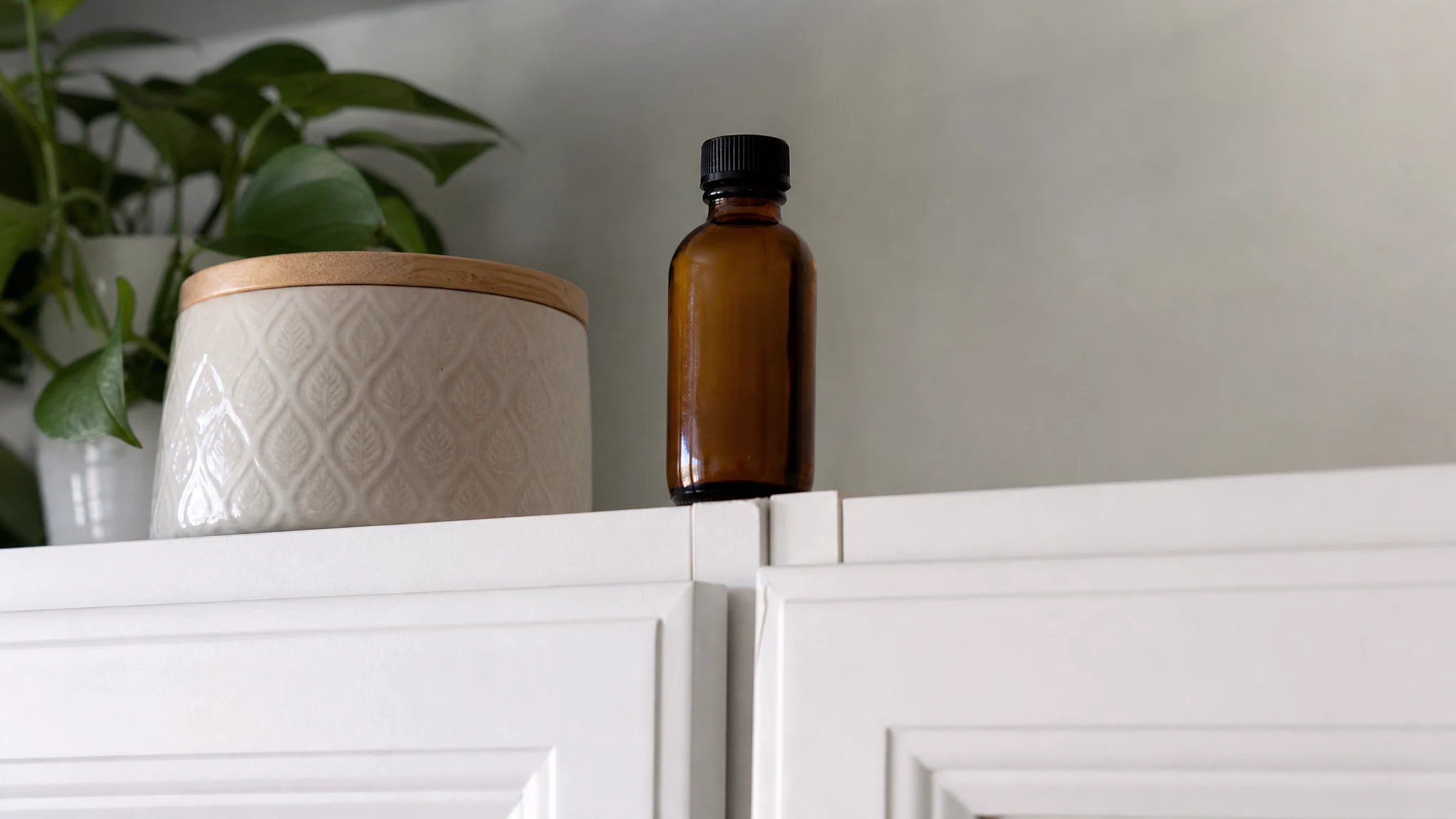
Can You Swallow Essential Oils? What to Know
A flavouring listing is not an invitation to put drops in your water. Here is what poison centre data say and what to do if a bottle is swallowed.
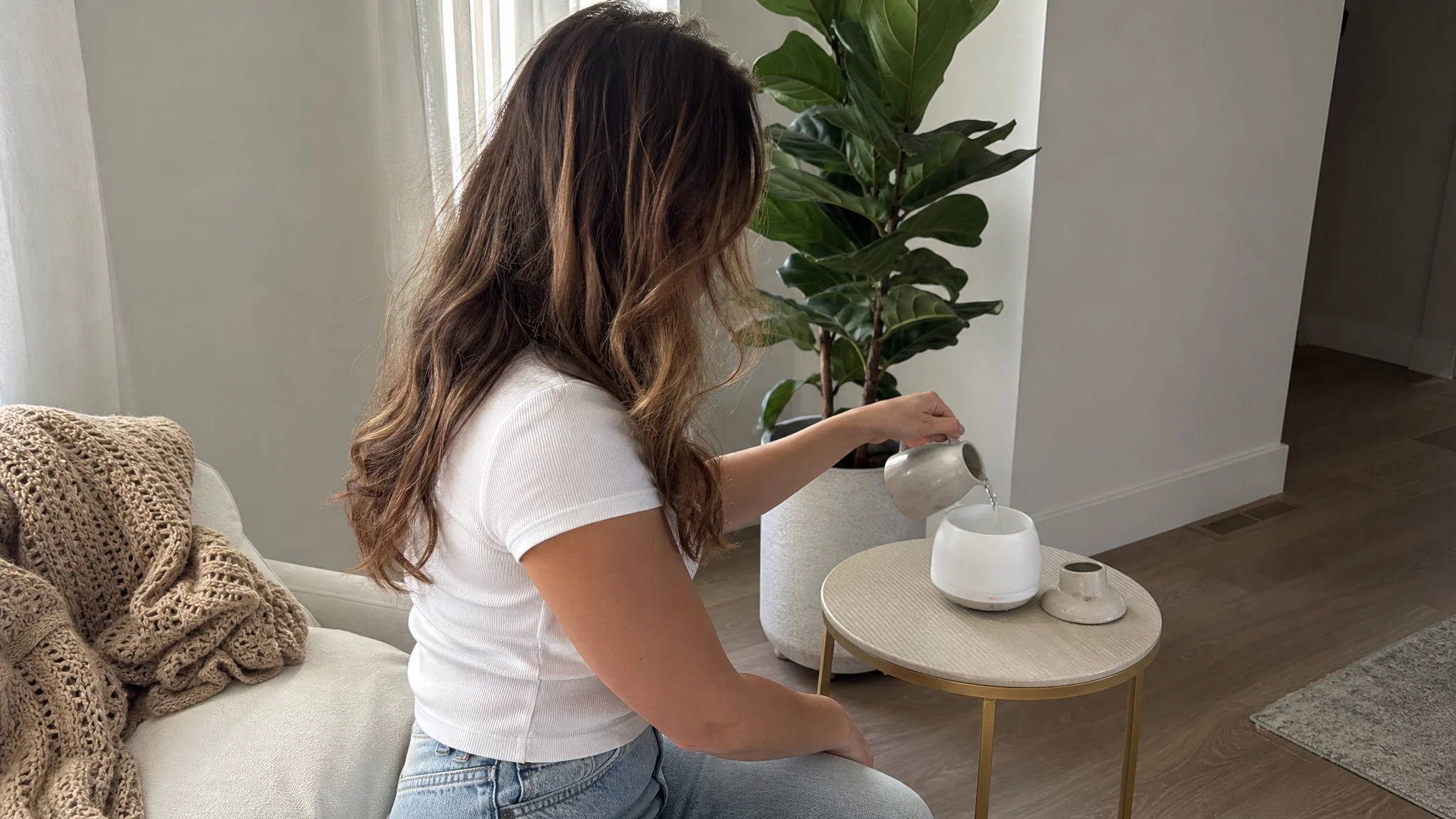
How to Use an Oil Diffuser: Water, Drops and Timing
Use the water your diffuser wants, start with a few drops, and let it cycle instead of running all night. A plain setup guide for new diffusers.
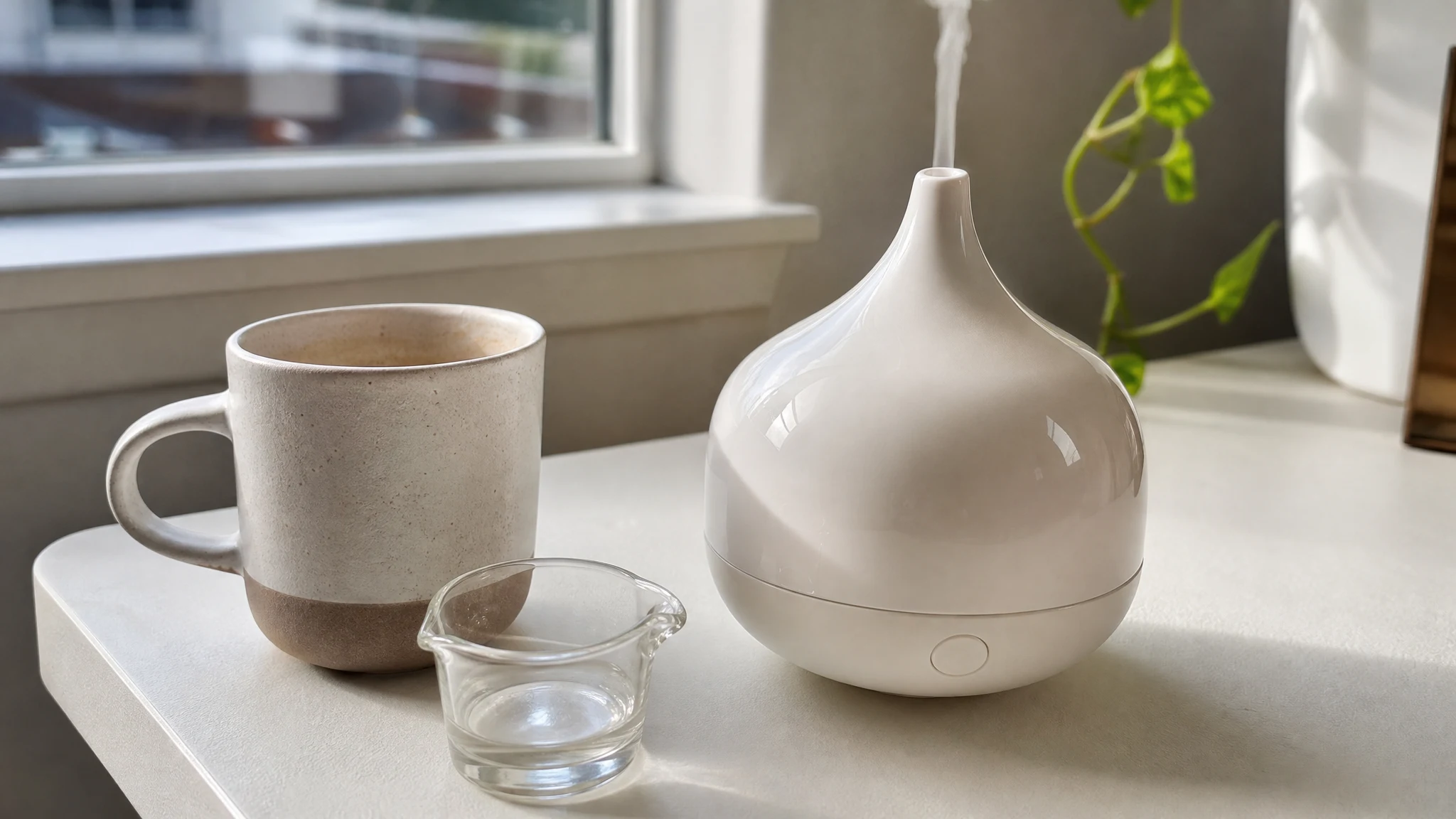
Diffuser Drops: How Many Per 100 ml of Water
Diffuser charts pair drops with room size, but the reservoir is what counts. Here is the maths per 100 ml of water, plus a gentle place to begin.
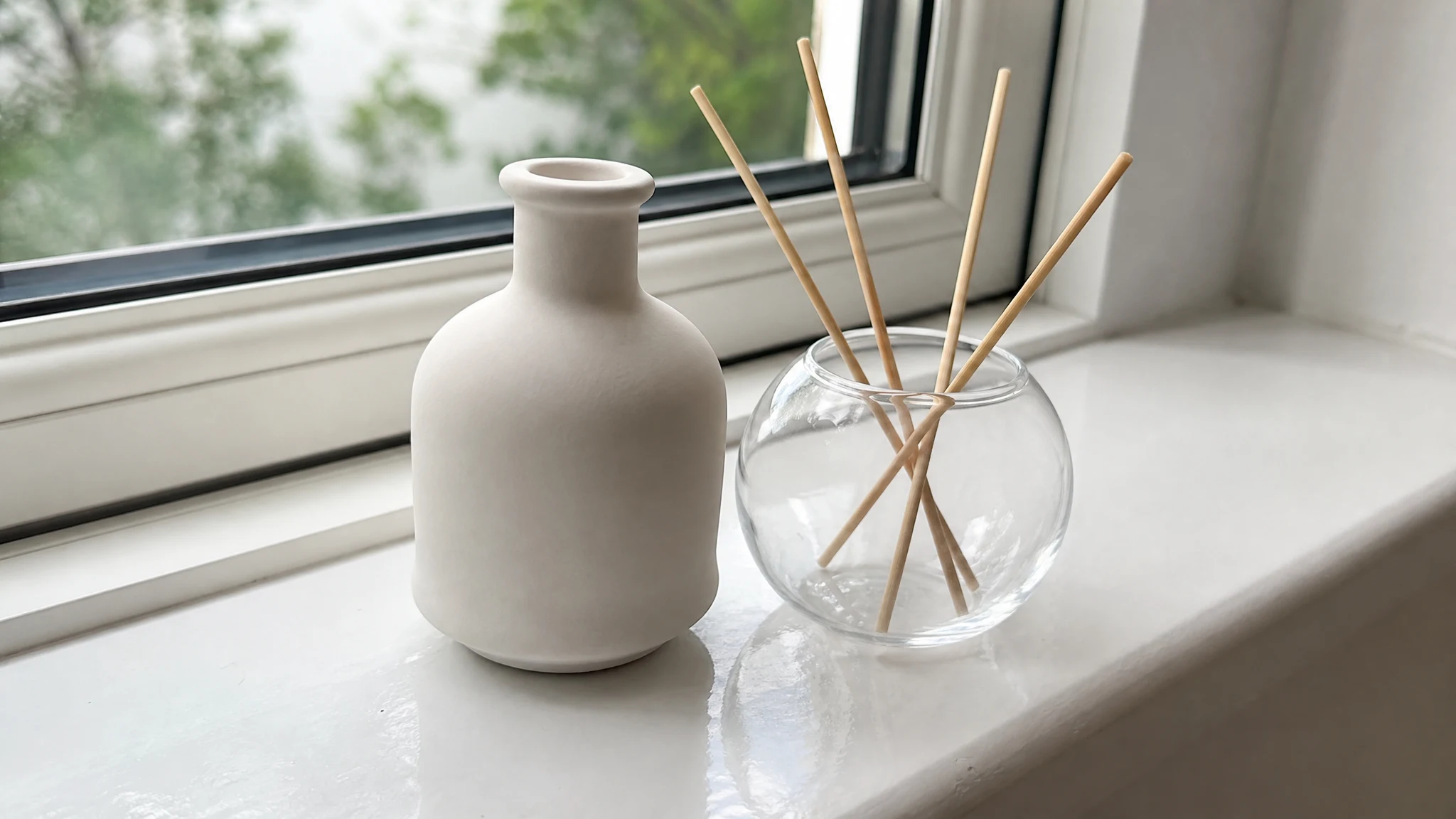
Ultrasonic, Nebulizing, Heat or Reed Diffuser: Which One?
Four diffuser types move oil into the air in four different ways. Choose by the upkeep you will really do, with what the research says about each.
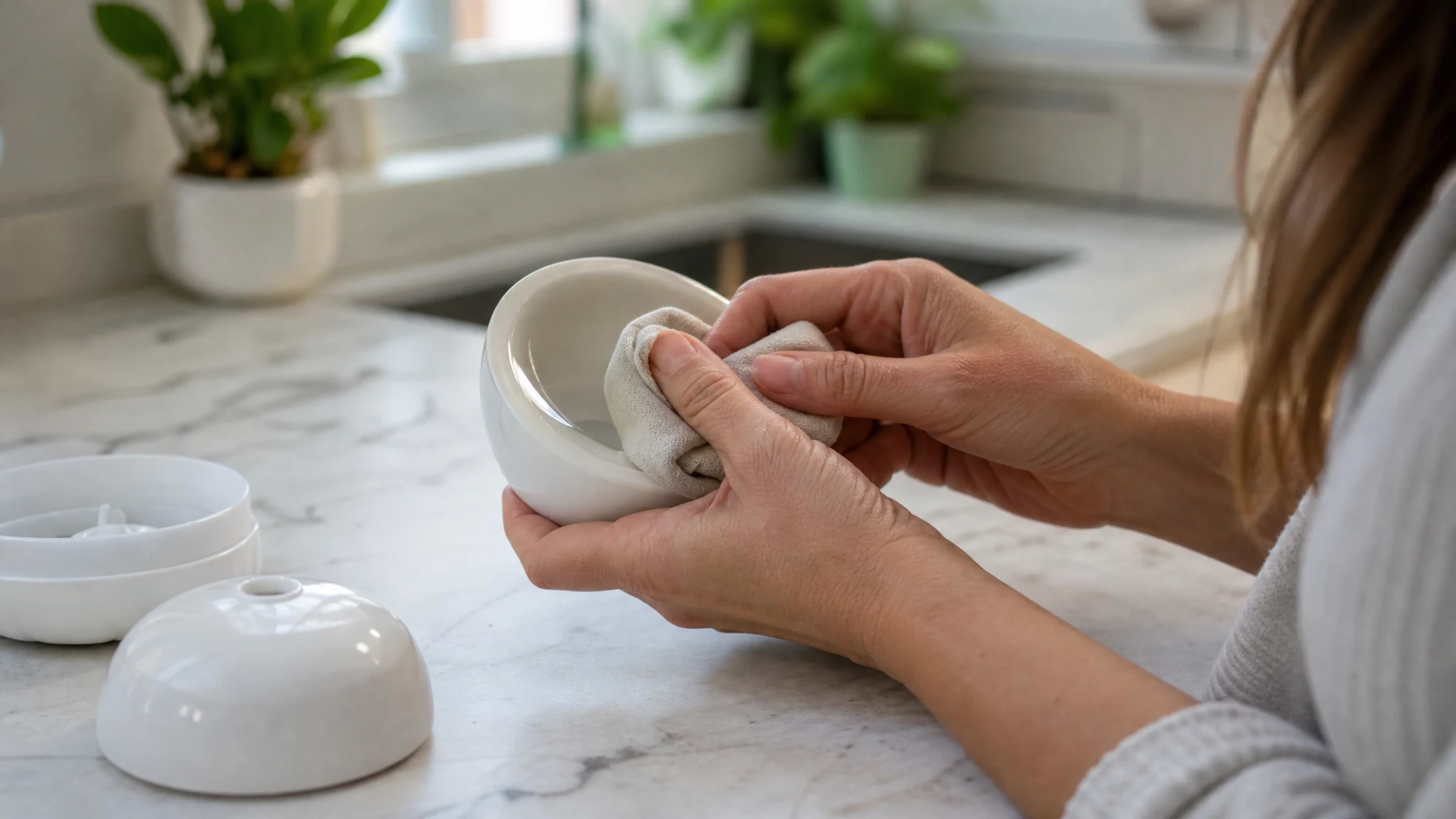
How to Clean an Essential Oil Diffuser, Step by Step
A diffuser that mists weakly usually needs a clean, not a replacement. Here is an easy routine for ultrasonic, nebulizing and reed diffusers.
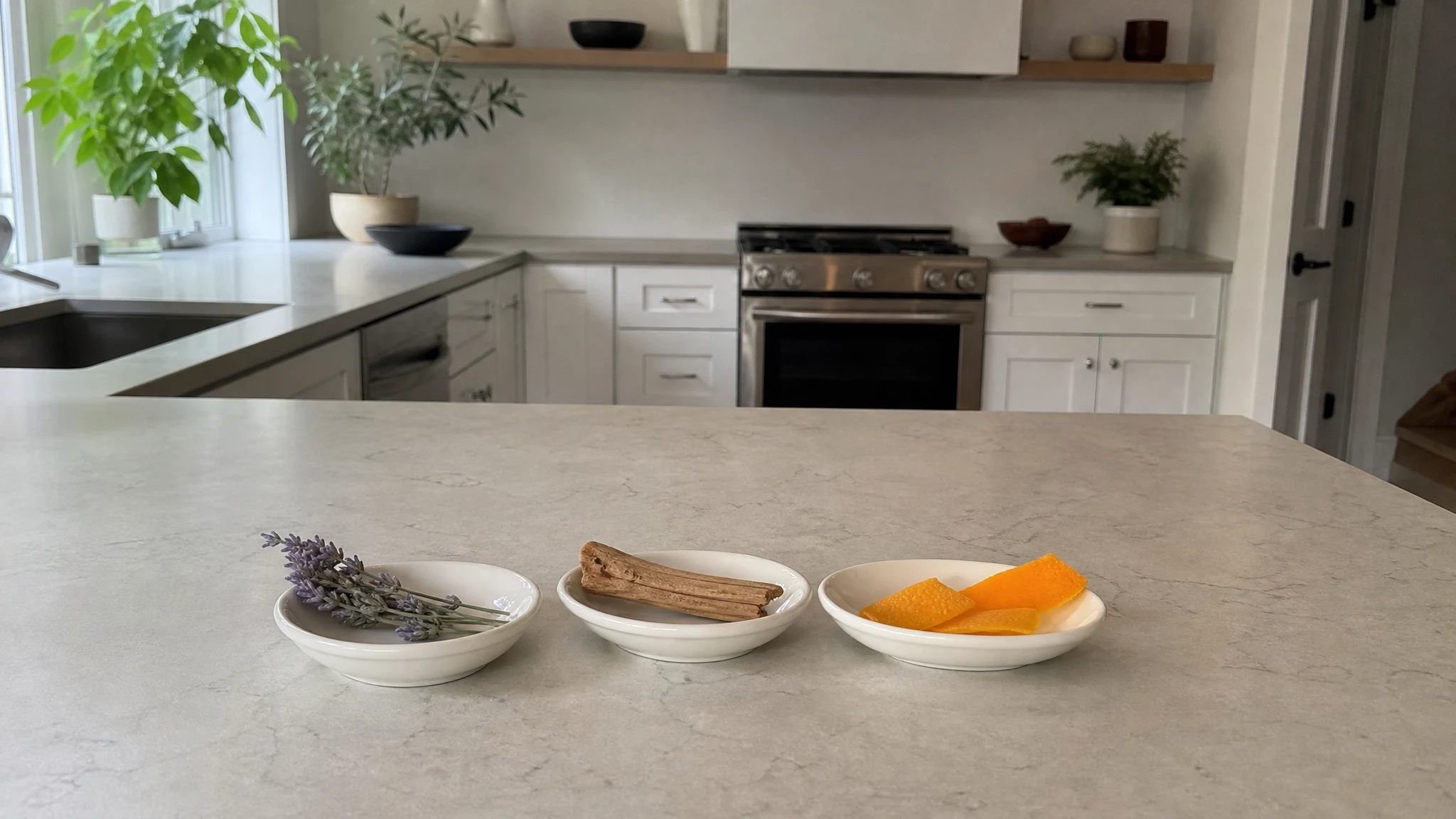
How to Blend Essential Oils: Drops, Parts and Percentages
From parts to drops to one total skin percentage, here is how to build a blend where the maths works, with rosalina oil as the worked example.
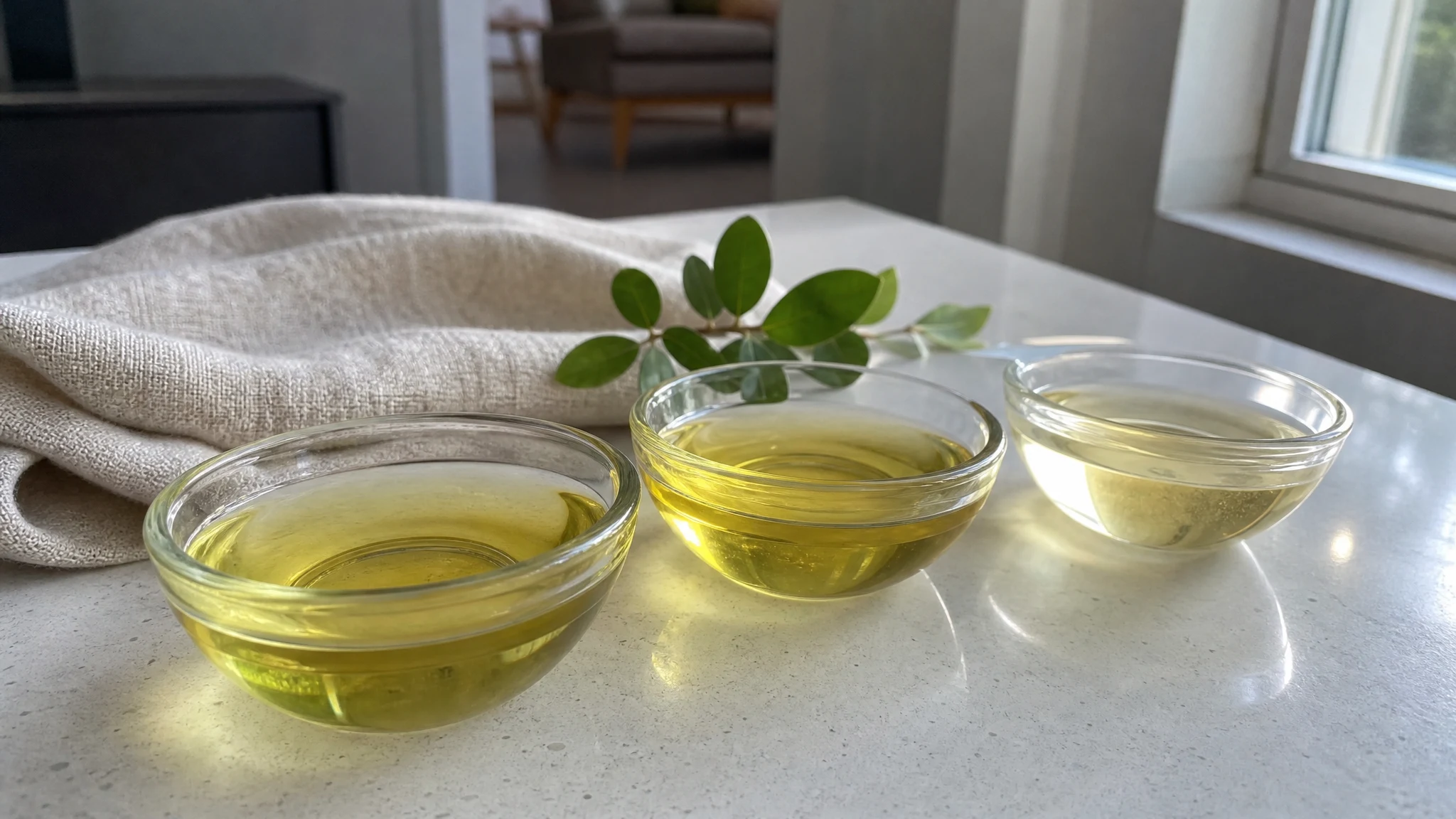
Jojoba, Almond or Fractionated Coconut: Pick Your Carrier
Carrier oil is 98% of a diluted blend. Choose by tree nut allergies first, then keeping time, then feel. Starting dilutions are worked out.
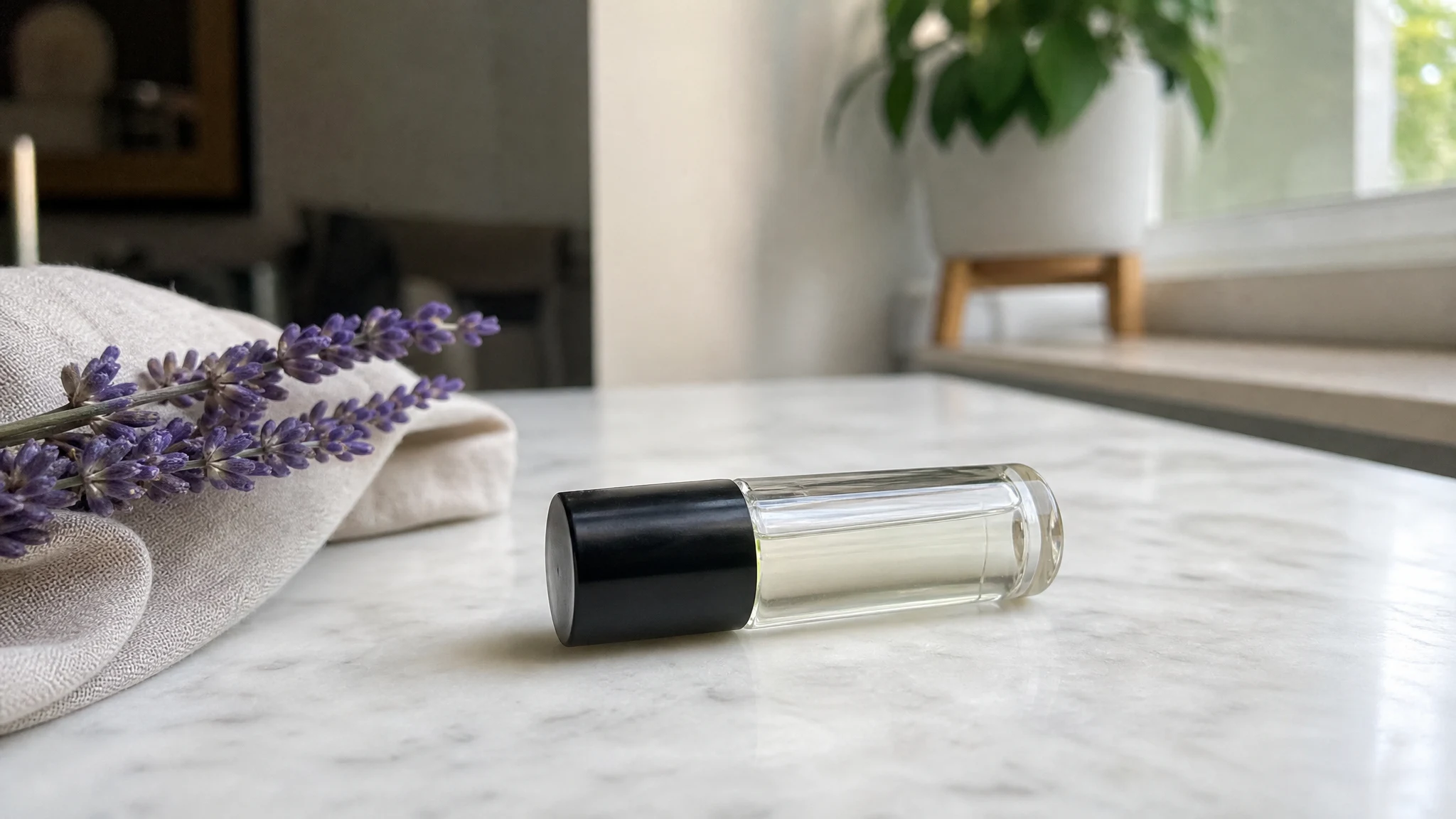
Rosalina Roller Bottles: Getting the Dilution Right
In a 10 ml roller, one drop is about half a percent. Here is the drop-by-drop maths for face and body blends with rosalina, and how to keep it accurate.
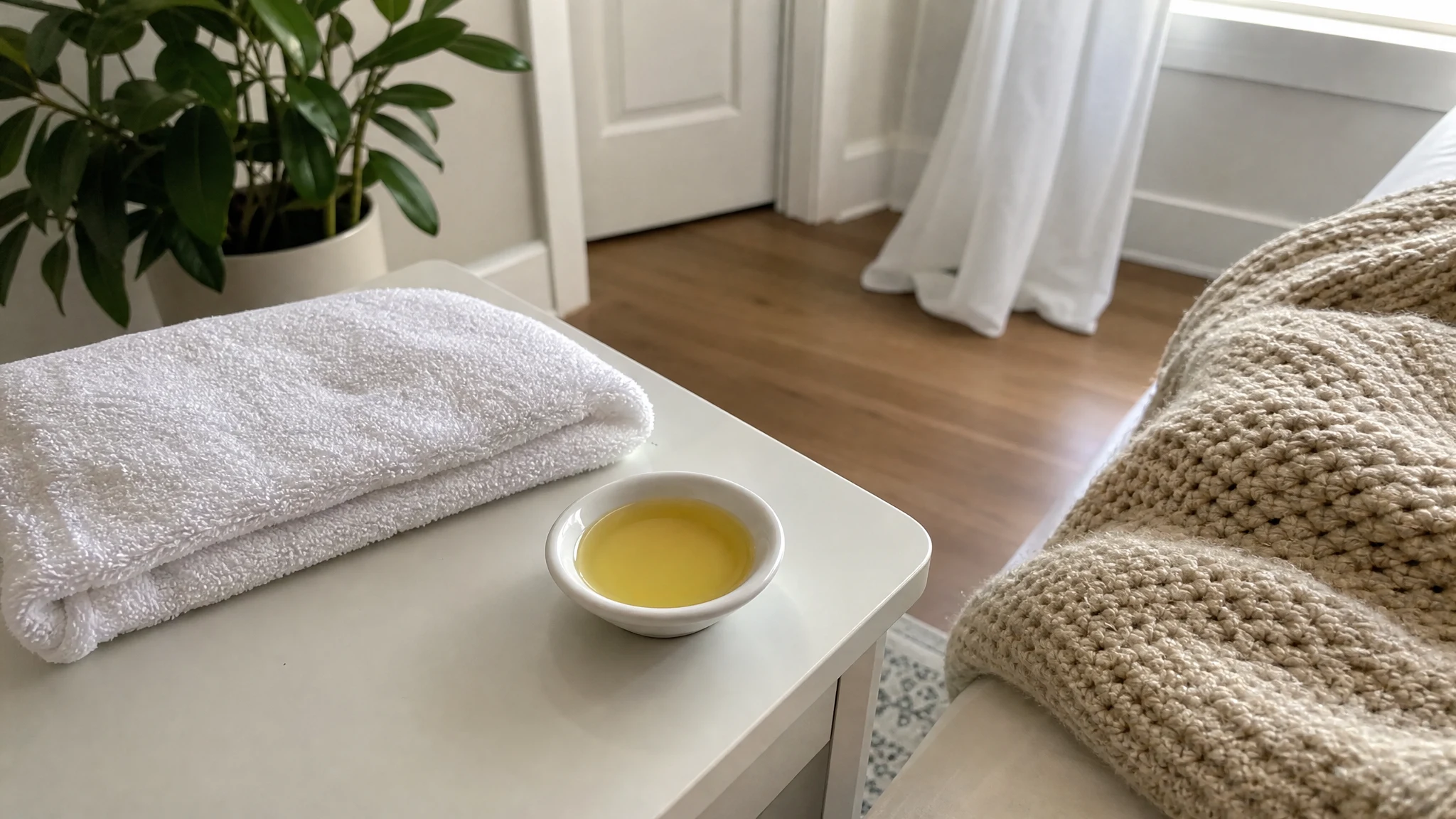
DIY Massage Oil: How Much Rosalina Per Ounce?
In a massage blend the percentage is everything. We give drops per ounce, a low starting point, carrier tips and who to ask before you begin.
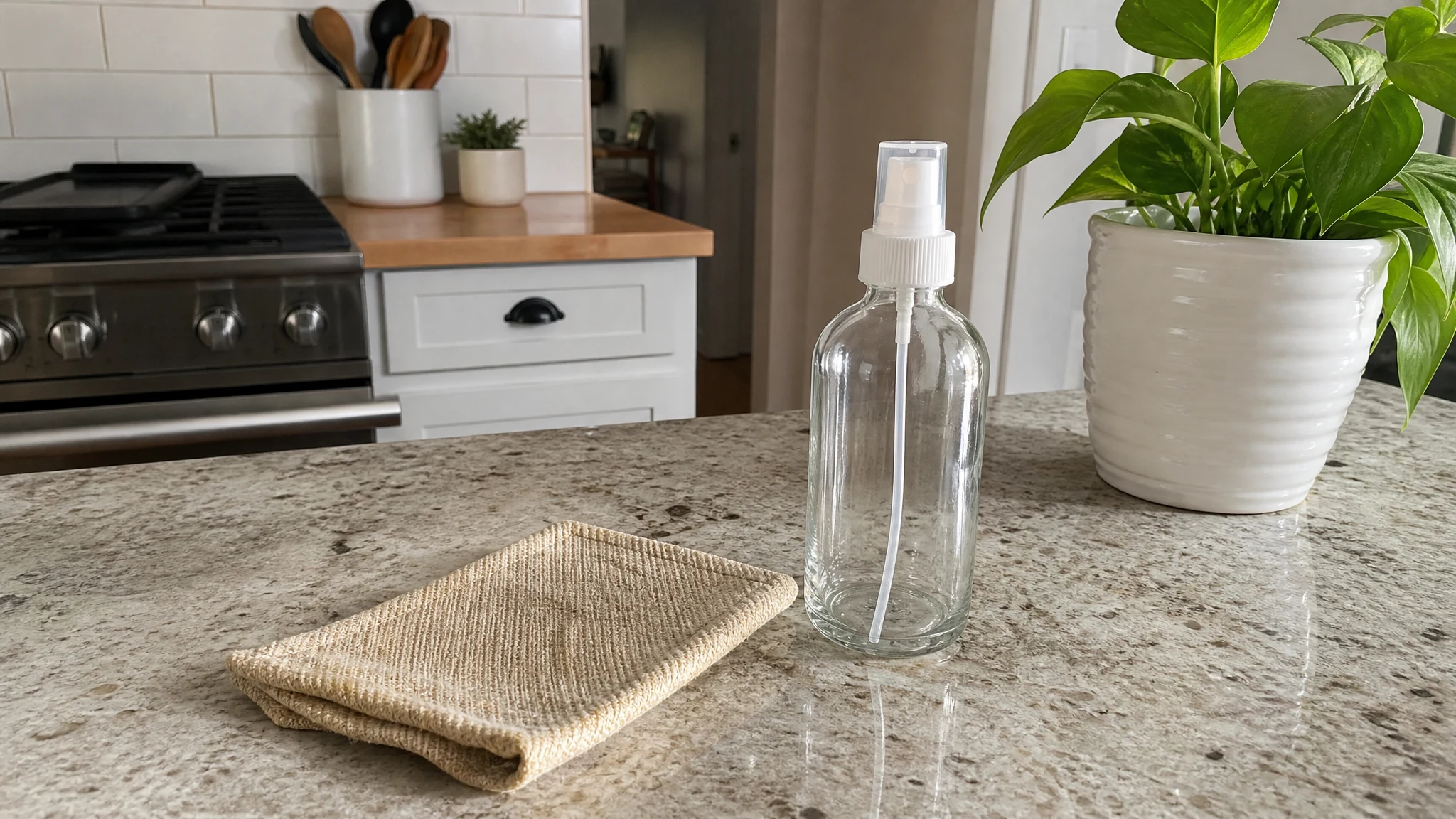
Cleaning With Essential Oils: What Scent Can and Cannot Do
Soap and water clean; oil only scents. We cover how little to add, why it floats, what to avoid on marble, and pet and child precautions.
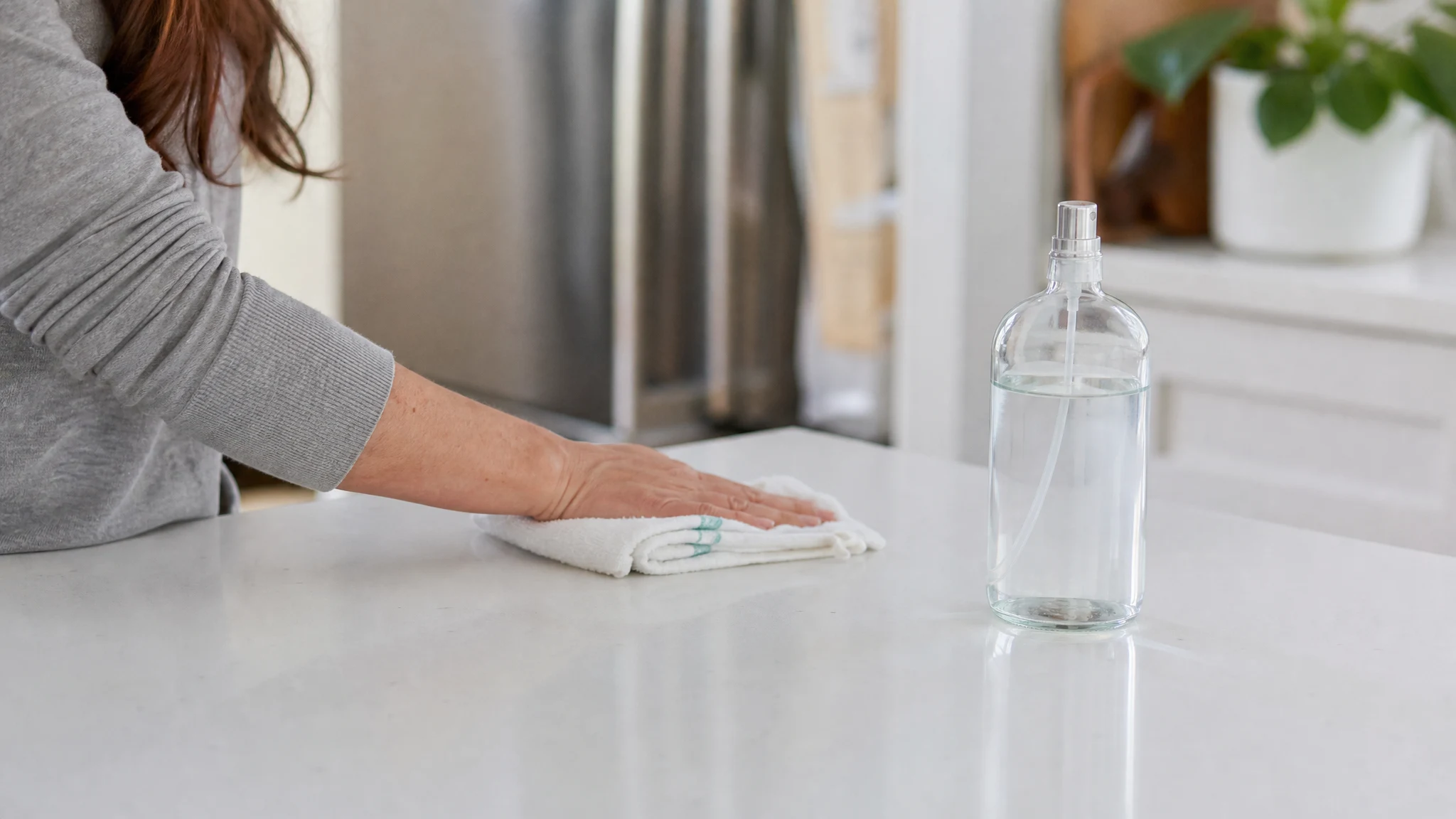
Homemade All-Purpose Cleaner: How Much Scent to Add
Skip the vinegar, keep the soap, and add only a whisper of rosalina scent. Drops per bottle, a solubilizer note and surfaces to protect.
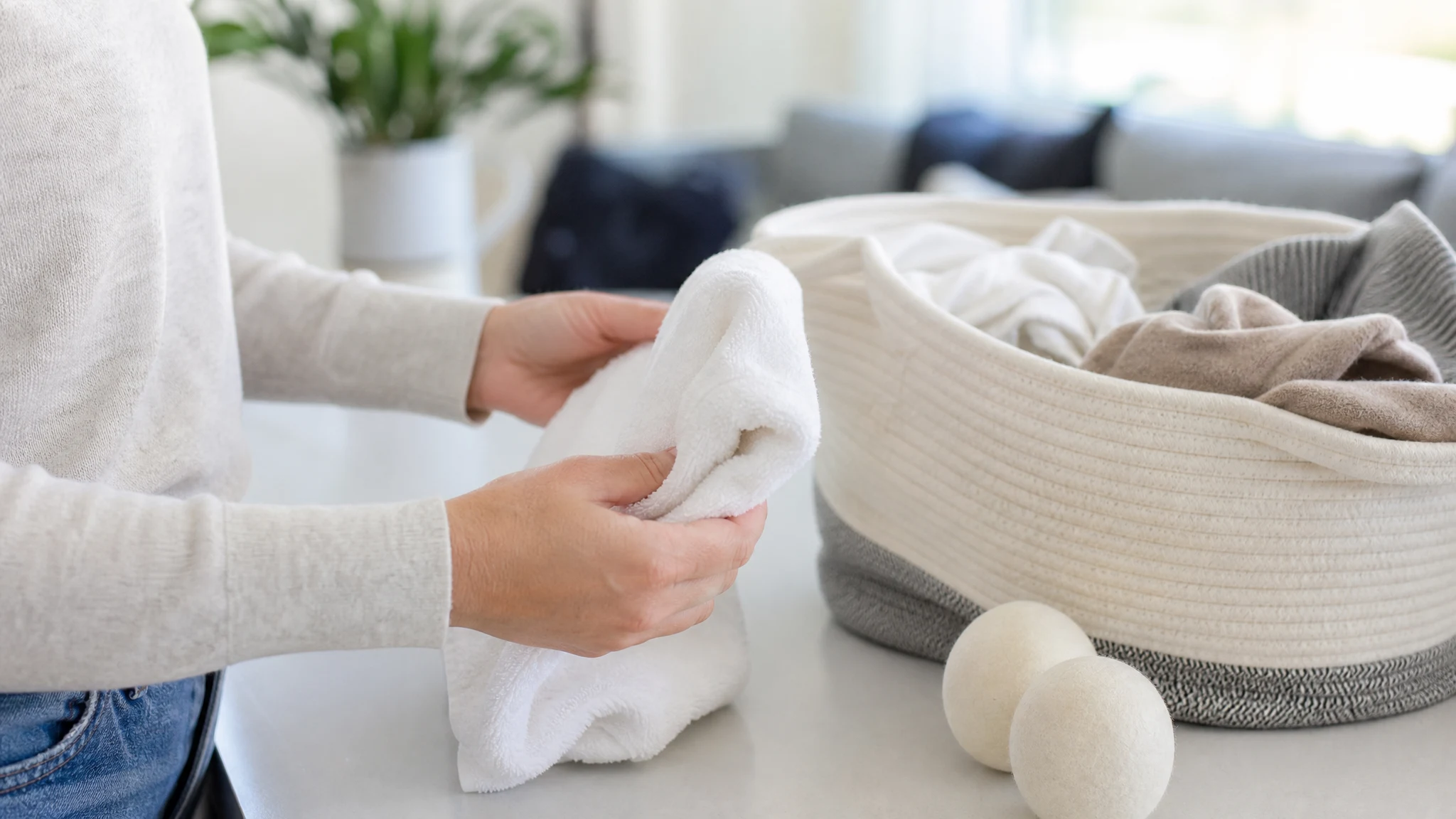
Scenting Laundry With Essential Oils: Skip the Dryer
Fire investigators warn about oily cloth in hot dryers. Here is why we keep essential oil out of the drum and simple ways to scent linen without the heat.
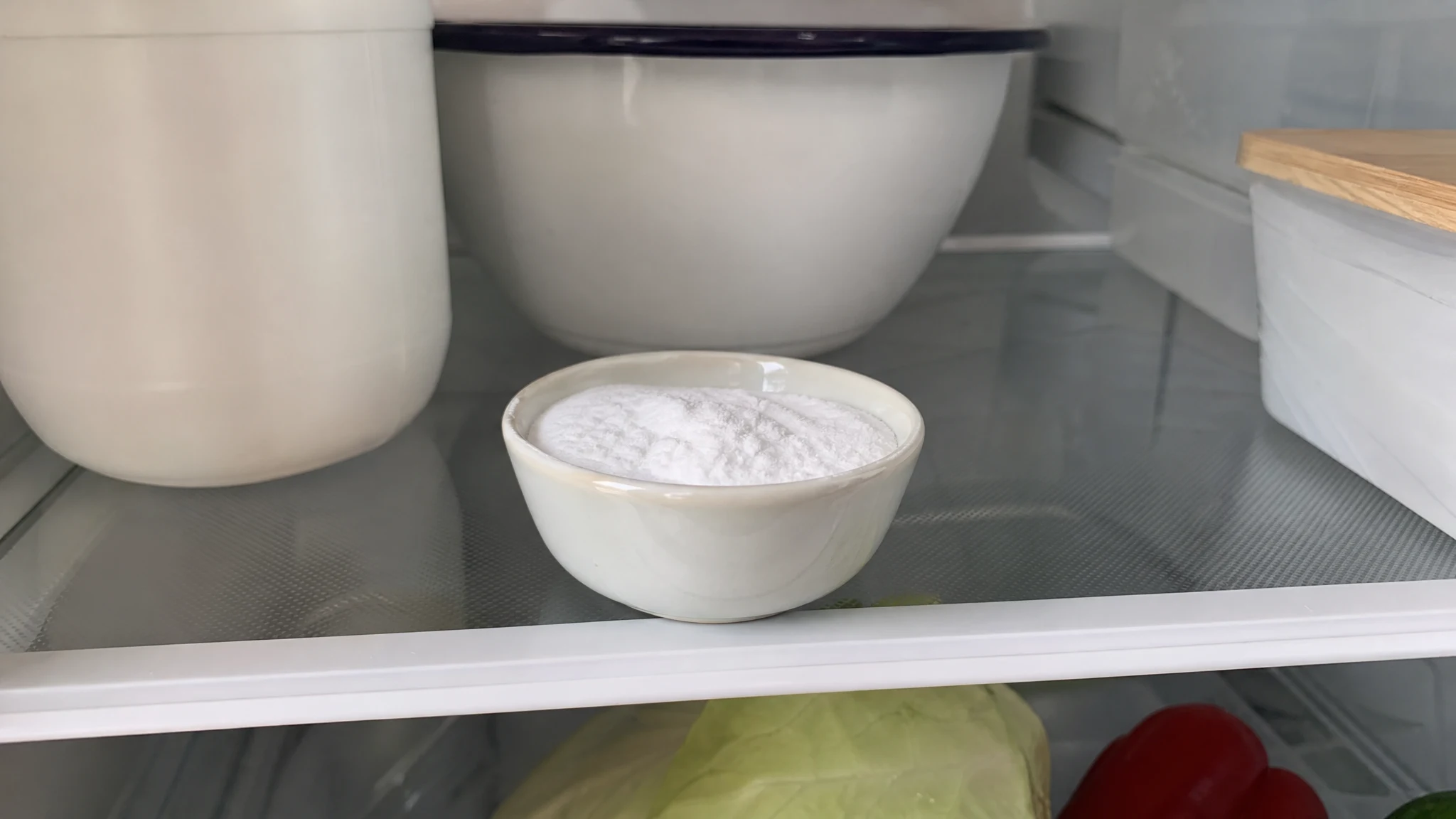
Natural Odor Control: Fix the Source Before the Scent
Find the source, dry it out, open a window, then add scent if you like. A realistic order of steps for a fresher home, with a role for aroma last.

Do Essential Oils Repel Mosquitoes? Minutes vs DEET
DEET protected for hours in the lab, most plant oils for minutes. Here is how to read the studies and the label before you trust a bottle.
Does Aromatherapy Actually Work? A Look at the Reviews
Reviews report small, short-lived changes in self-rated anxiety and sleep. We read them side by side and explain what they can and cannot show.
Essential Oils and Sleep: What the Research Can Say
A pooled review links scent to better self-rated sleep, while guidelines put CBT first. Where a bedtime aroma fits into a sleep routine.

Essential Oils for Stress: What Anxiety Trials Measured
Aroma trials measure a few points on an anxiety questionnaire. What they found, how stress differs from anxiety, and where a scent sits.

Essential Oils for Focus: What Two Aroma Studies Found
Twenty people breathed rosemary, 144 breathed peppermint or ylang-ylang. What those two studies actually found about scent and attention.

Essential Oils for Headaches: What the Trials Really Show
A 10% peppermint solution, lavender sniffed for 15 minutes and a lab pain test: three headache trials read as recipe cards, not endorsements.

Essential Oils for Congestion: Cineole, Menthol, Steam
Cineole capsules, menthol and steam are often blended into one claim. We separate the three bodies of evidence and say what each can show.
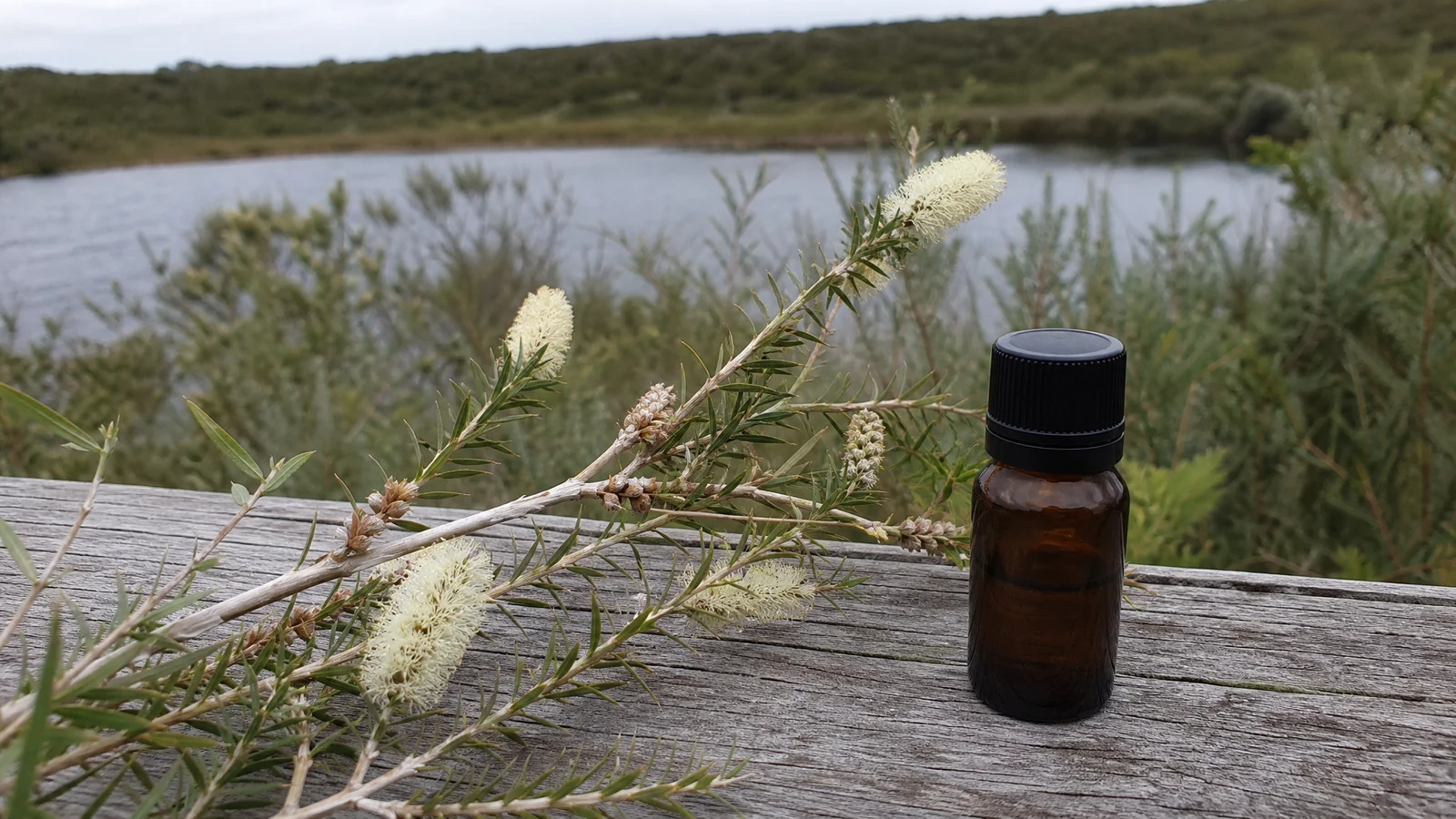
What Is Rosalina Oil? The Lavender Tea Tree Explained
Rosalina is a swamp paperbark with a lavender-tea-tree nickname. We explain why one species can smell so different, and what we sell and how.
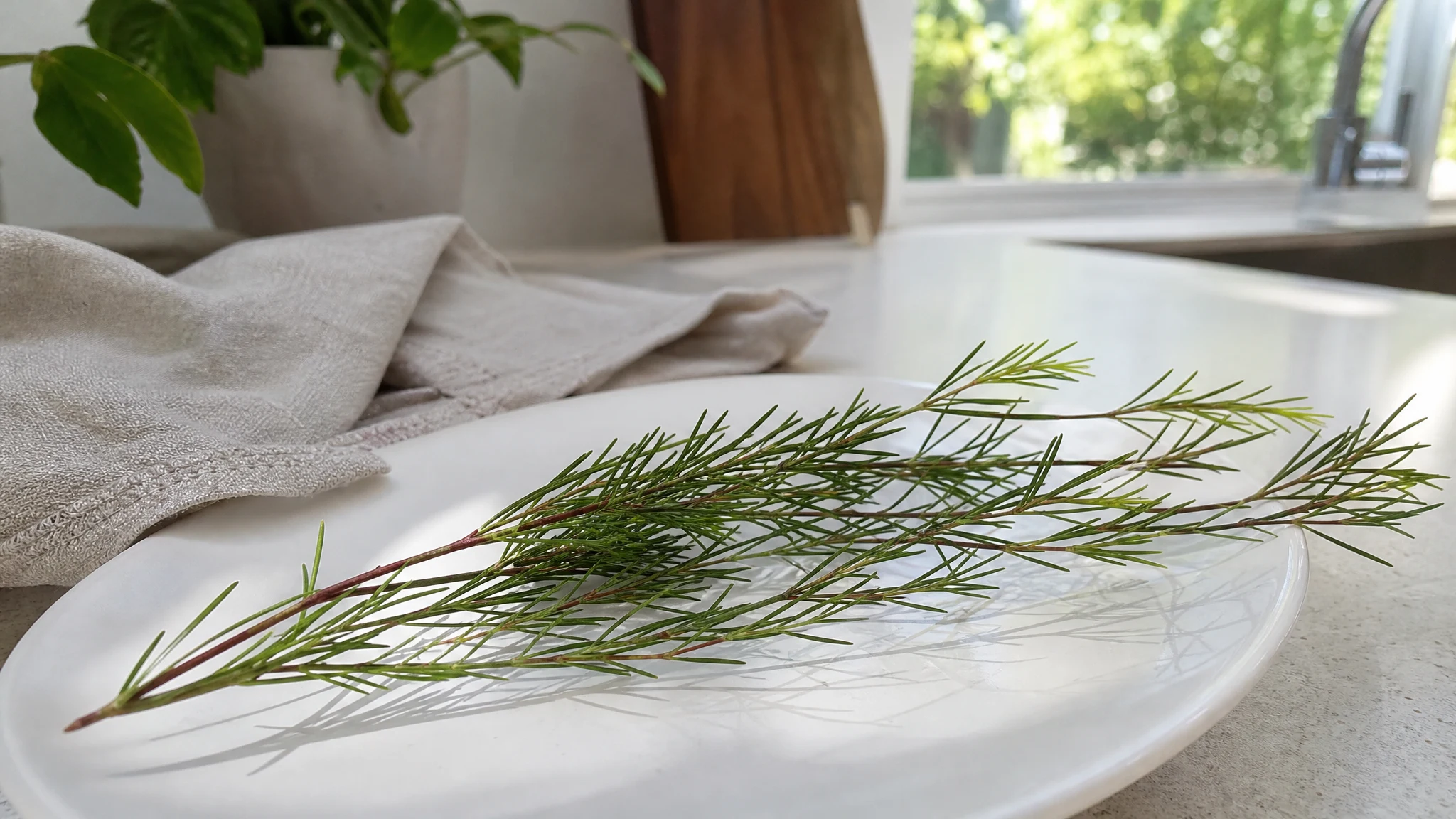
What Does Rosalina Oil Smell Like? Start to Dry-Down
Rosalina opens fresh and green, then softens into a floral, lavender-like sweetness. Smell it the way a perfumer would, on a strip, over a whole day.
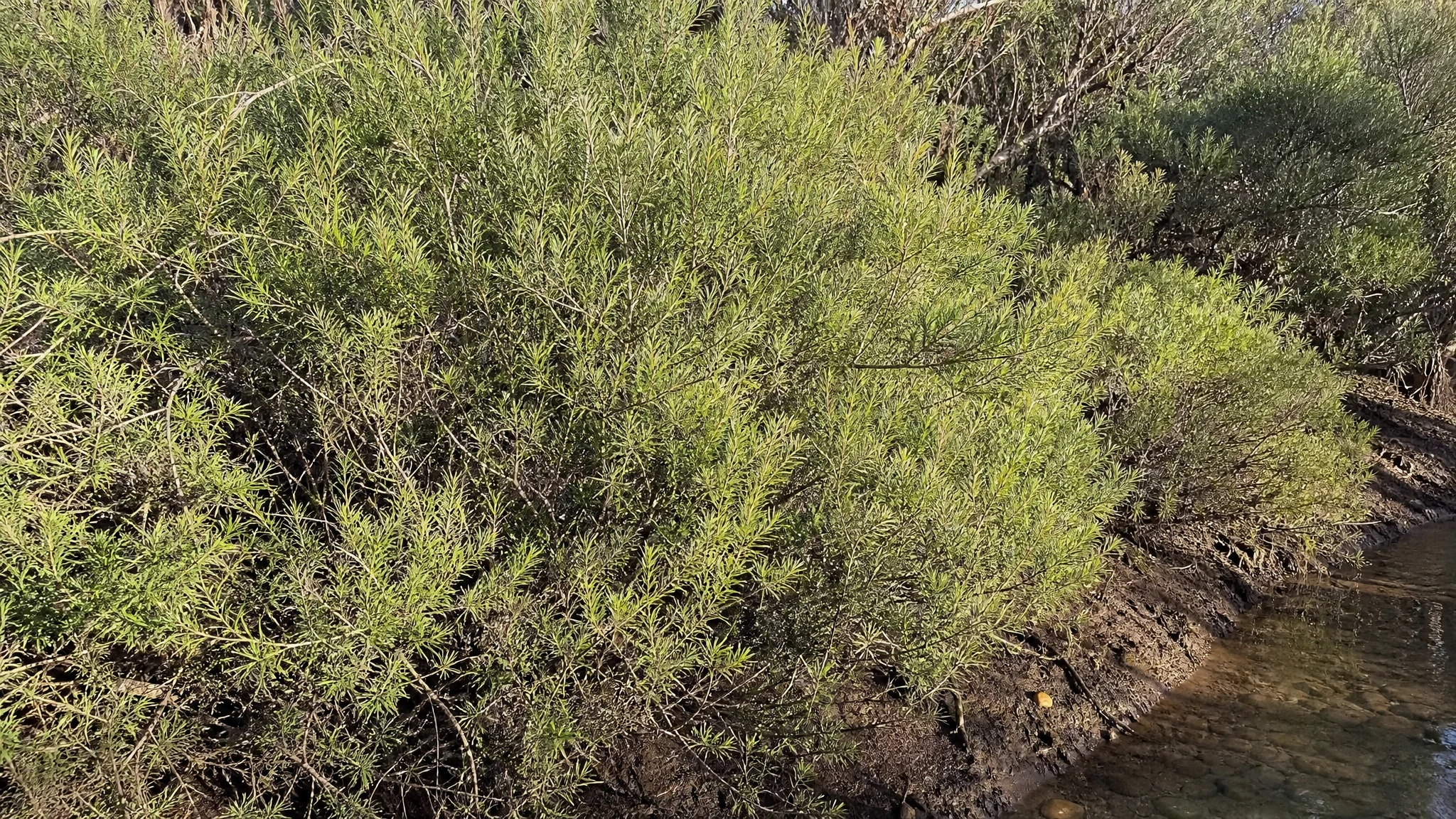
How Is Rosalina Oil Made? Steam Distillation Explained
Steam lifts the aroma from rosalina leaves, and the plant shapes the oil as much as the still. Here is how it works, step by step, from leaf to bottle.
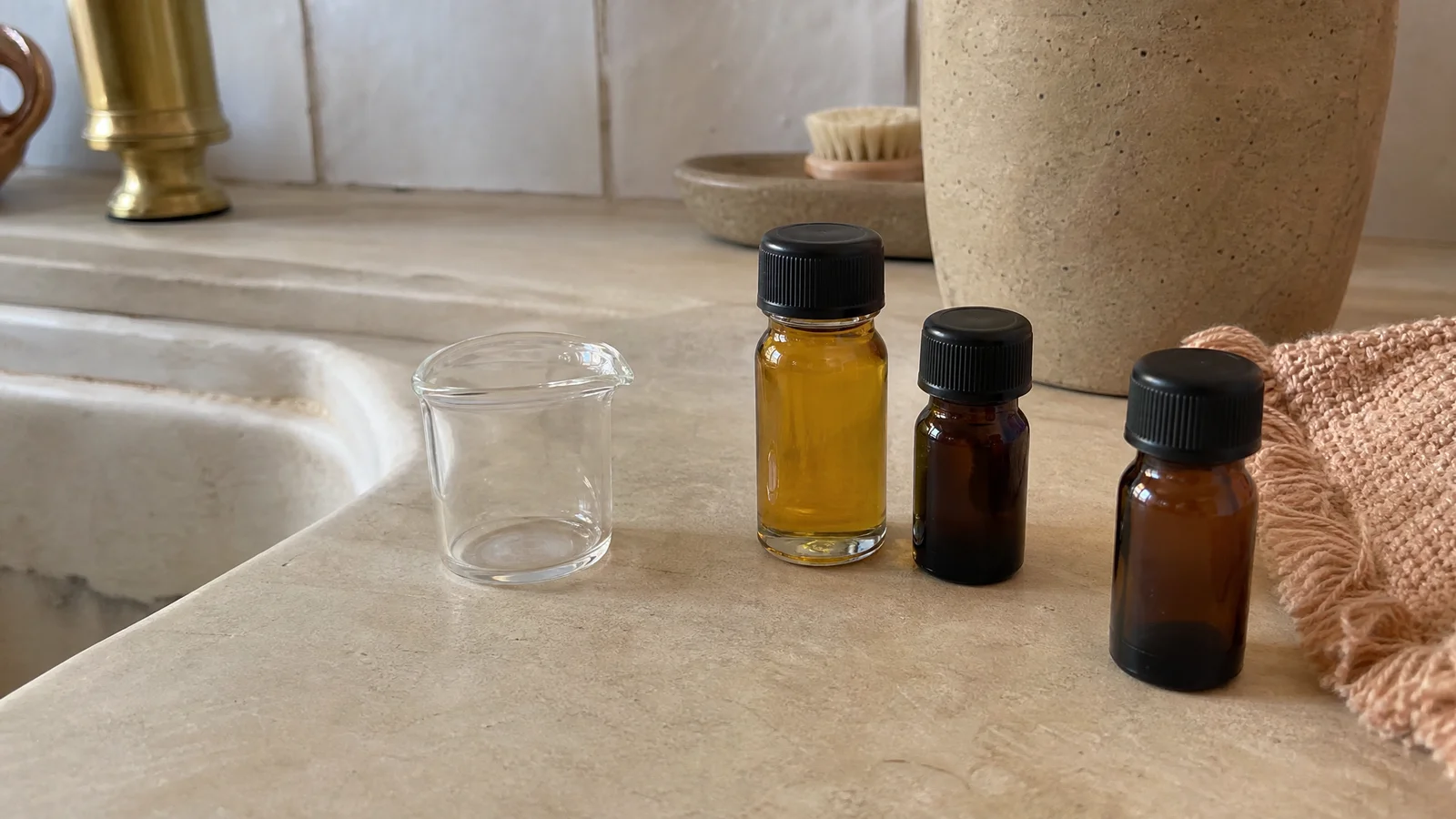
How to Dilute Rosalina Oil: Percentages and Grams
Drops drift, grams do not. Here is how to dilute rosalina oil to a percentage you can repeat, where we start, and what a patch test can tell you.
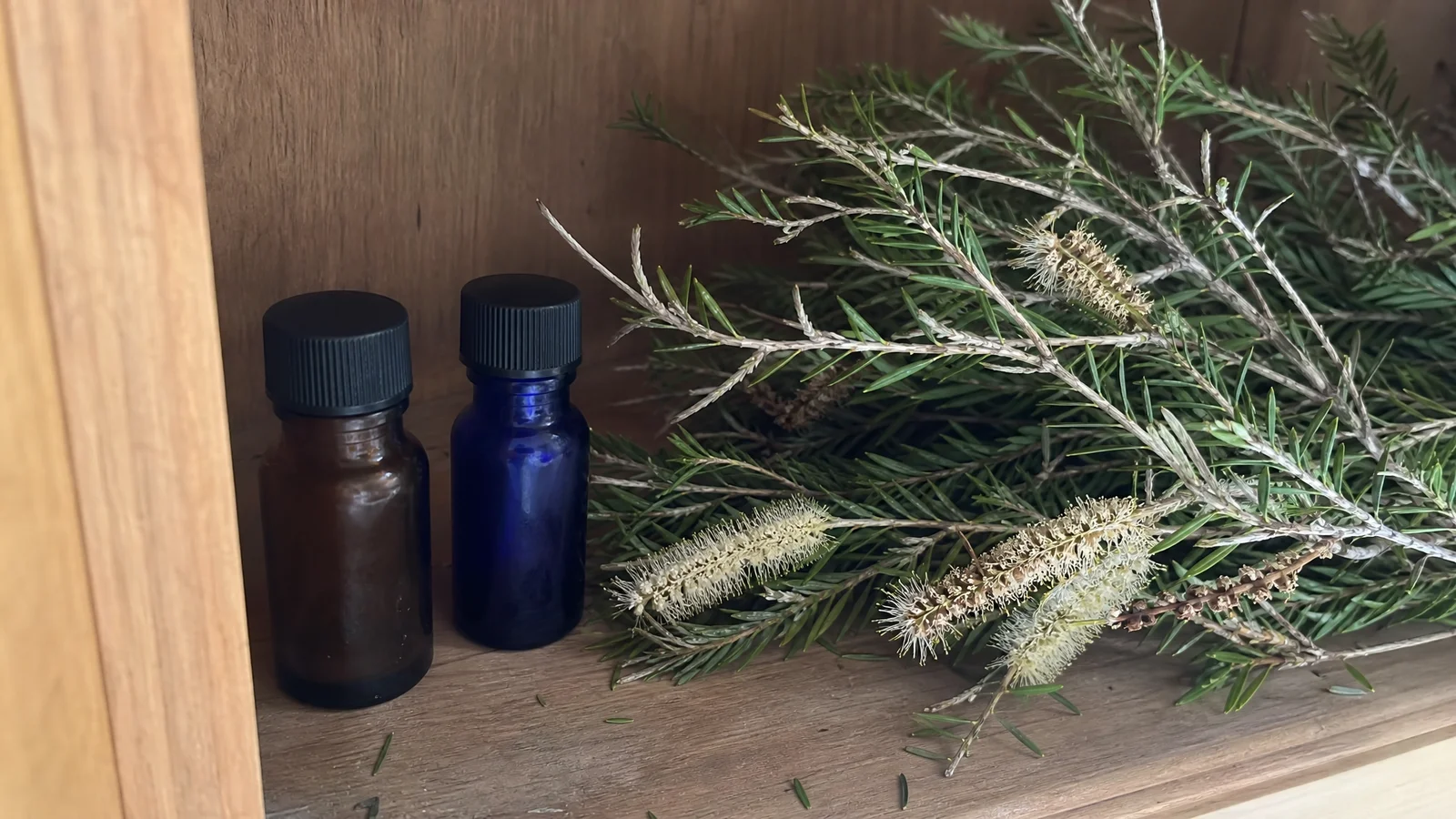
How to Store Rosalina Oil So It Stays Fresh
Air, light and warmth wear on an essential oil. A tight cap, a dark drawer and a size you will finish keep rosalina oil at its best for longer.
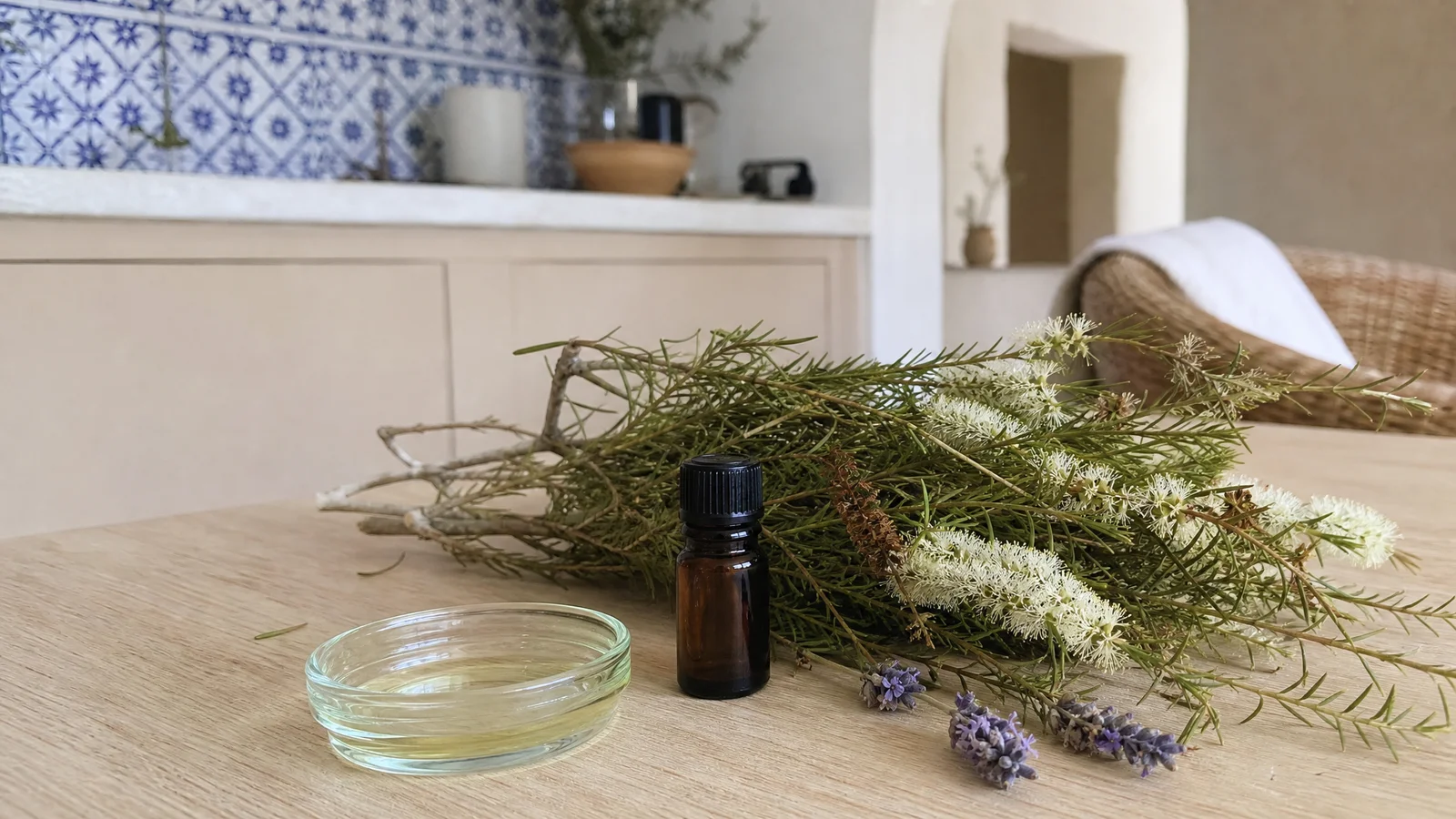
Linalool vs Cineole: What Shapes Rosalina's Scent
Two molecules decide whether a rosalina smells like lavender or camphor. See how linalool and cineole differ, how fast each fades and why storage matters.
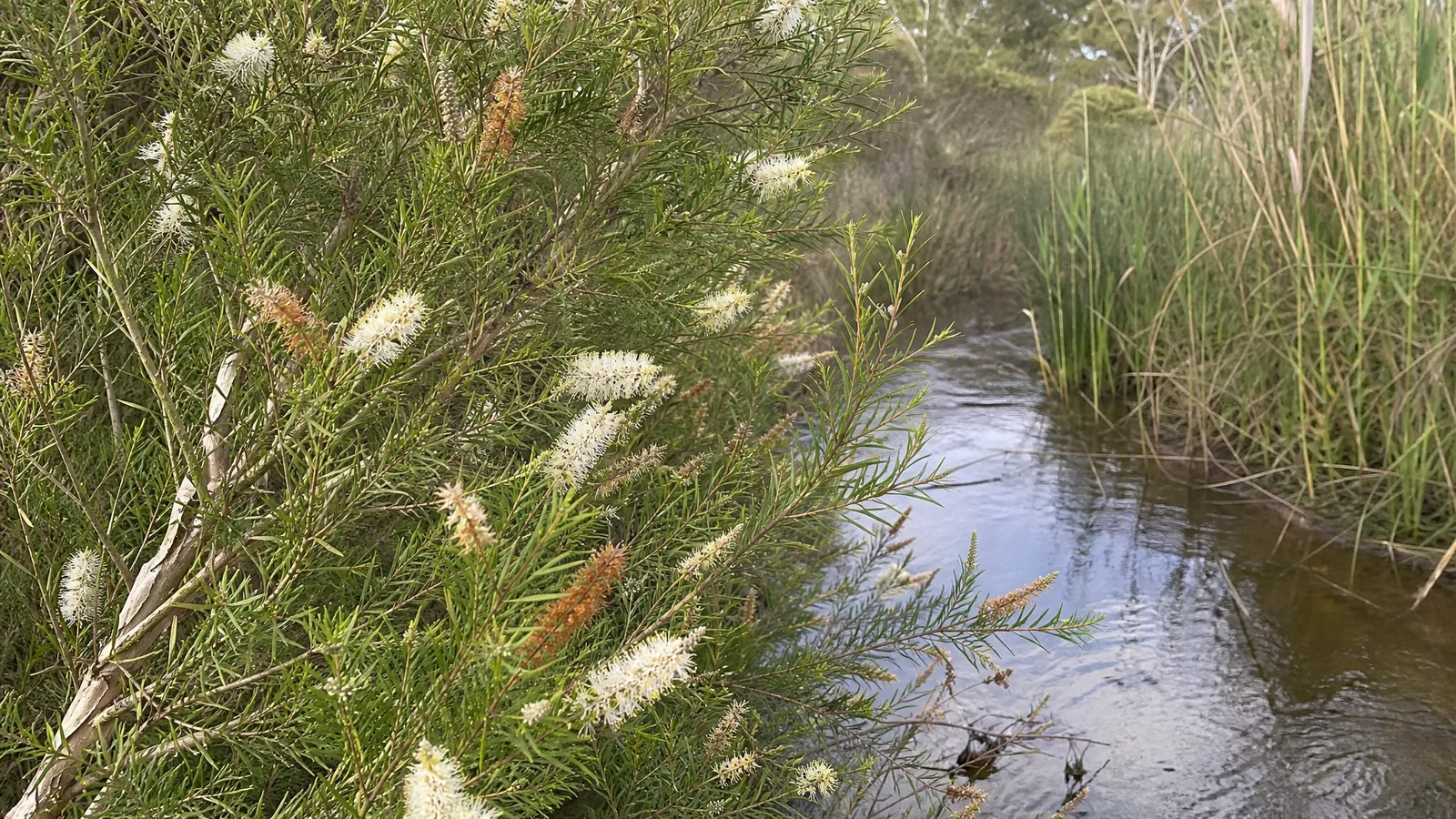
Rosalina Oil History: From a 1797 Name to Today
A species named in 1797, a famous cousin, and a survey that mapped how rosalina oil changes with latitude: the dated record, told plainly.

Rosalina Oil and Pets: Living With Dogs and Cats
Pets groom with their tongues and cannot tell us when a scent is too much. Here is how to keep rosalina oil out of reach and what to do if a pet gets in.
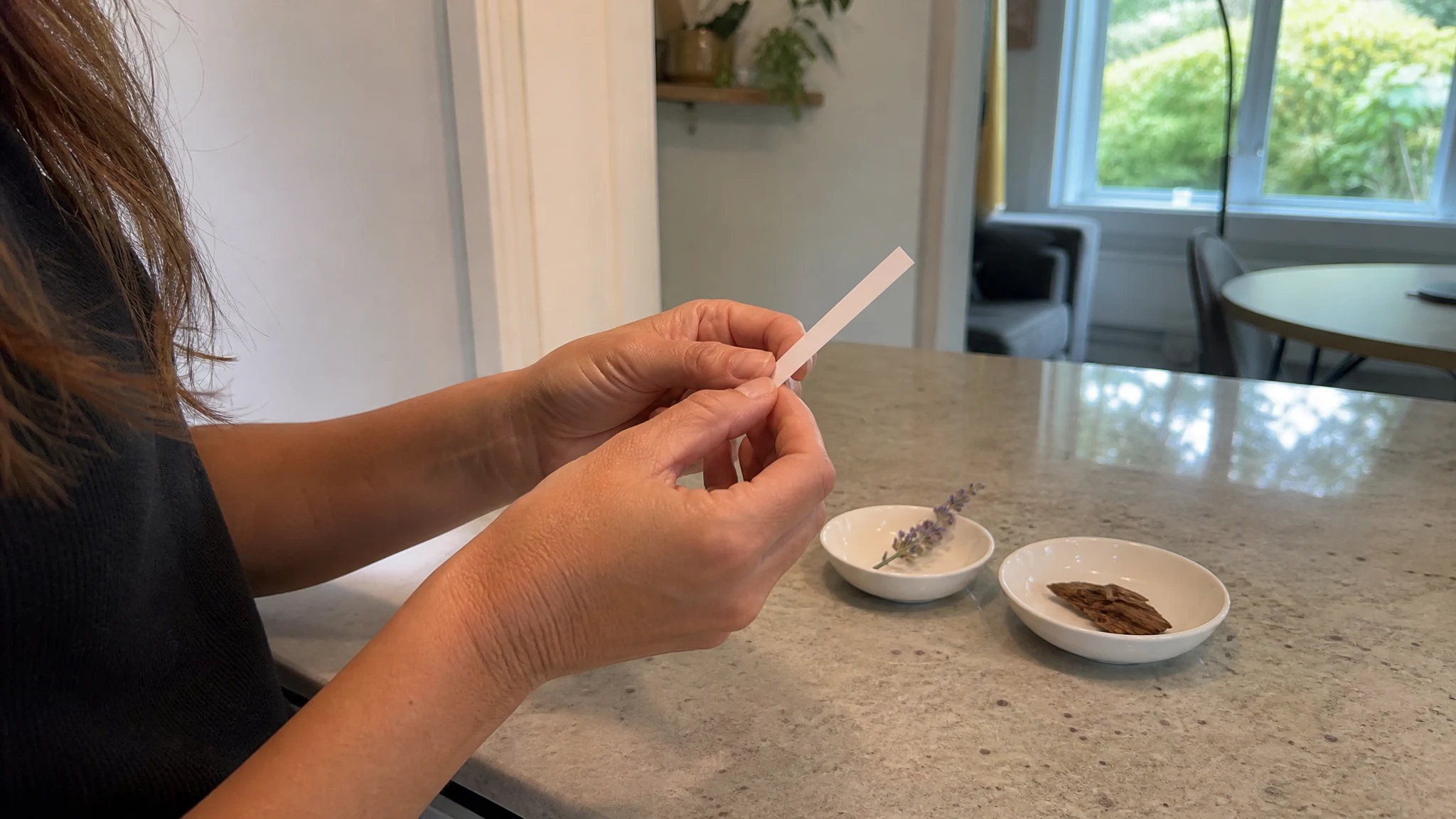
Rosalina in Perfumery: Is It a Bridge Note?
Rosalina can link a bright opening to a floral heart. See how volatility makes it a bridge note, which partners to try and the allergen math for makers.
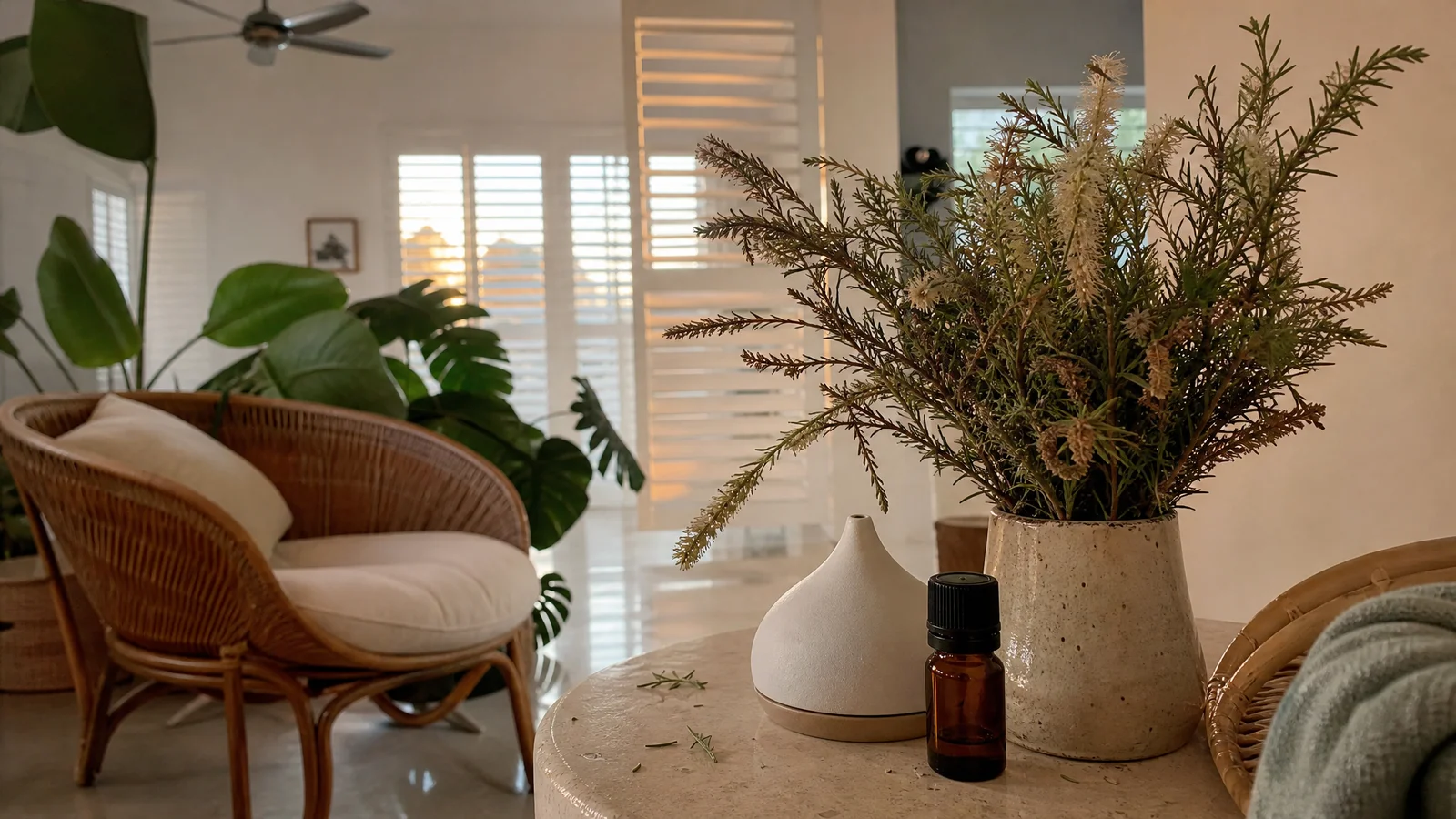
How to Use Rosalina Oil: Diffuser, Skin, Bath and More
From diffuser drops to a properly dispersed bath, here are practical, scent-first ways to use rosalina oil, with dilution and safety notes.
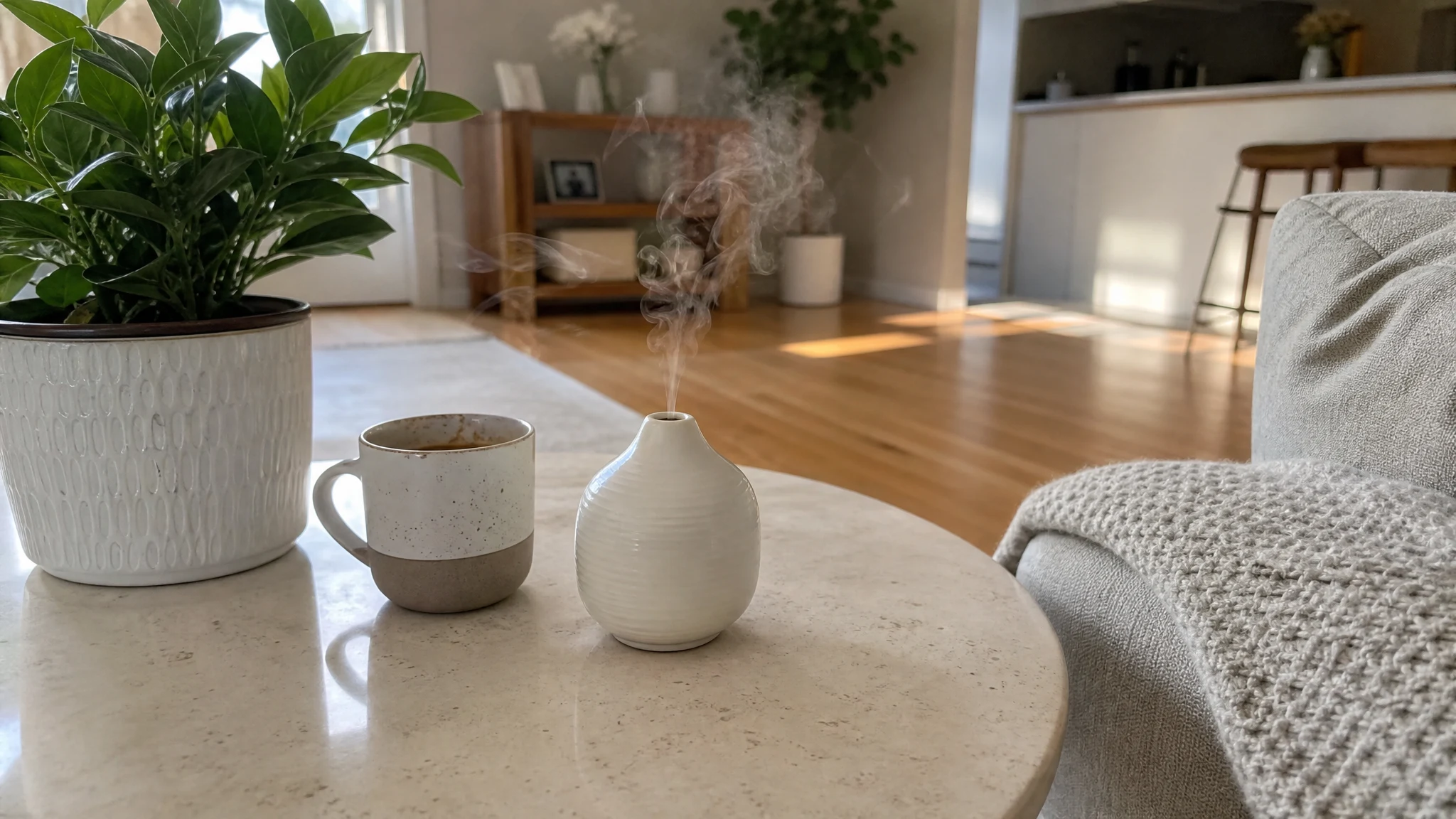
Rosalina Diffuser Blends: Six Four-Drop Pairings
Six pairings for a rosalina diffuser, each built from just four drops. See what each partner adds, how to scale for tank size and how to keep it light.
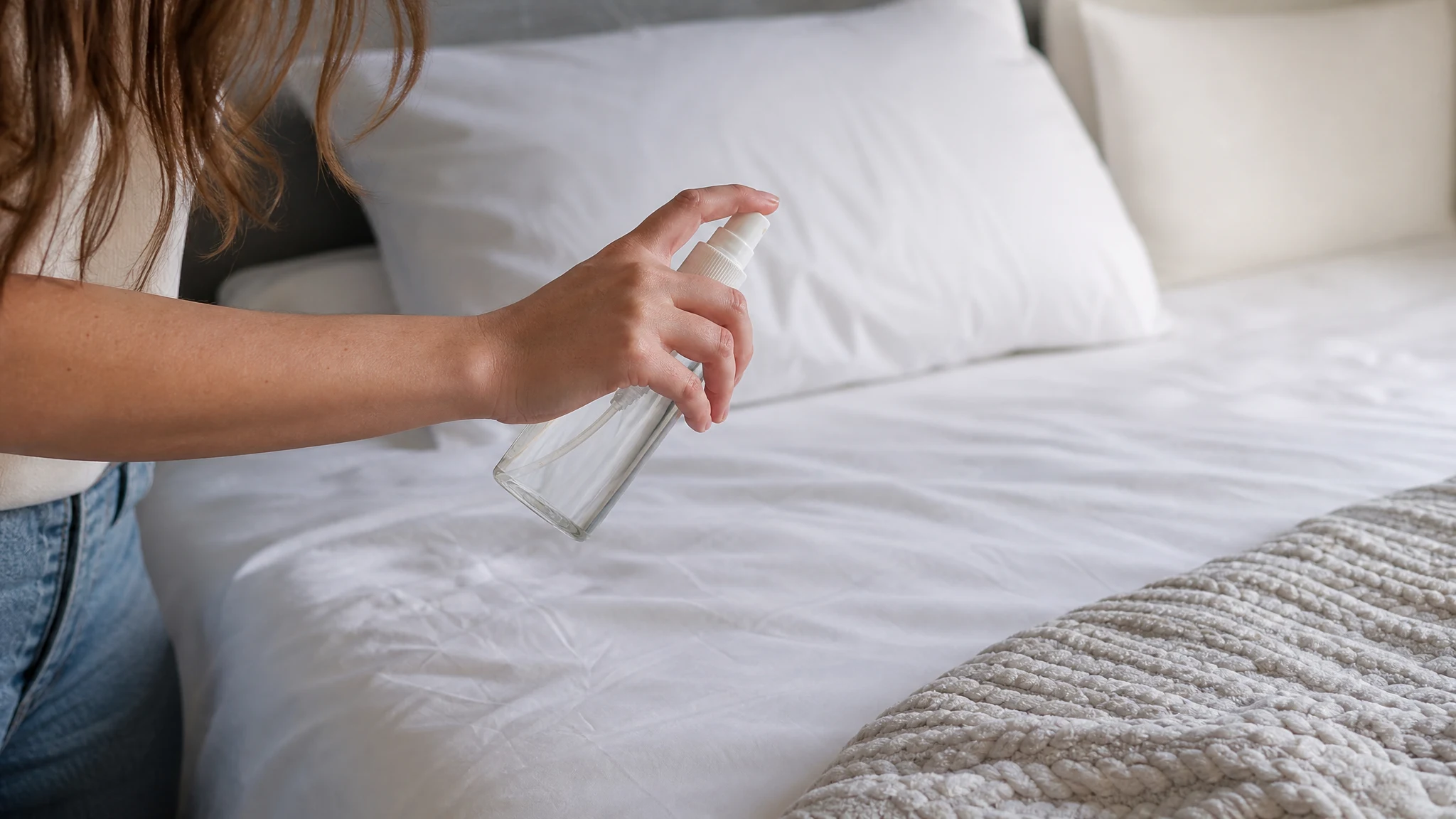
DIY Rosalina Pillow Mist: Keep It Fresh and Clean
A pillow mist looks simple, but oil and water do not mix and water spoils. Here is a small-batch formula for a rosalina linen spray, with the drop maths.
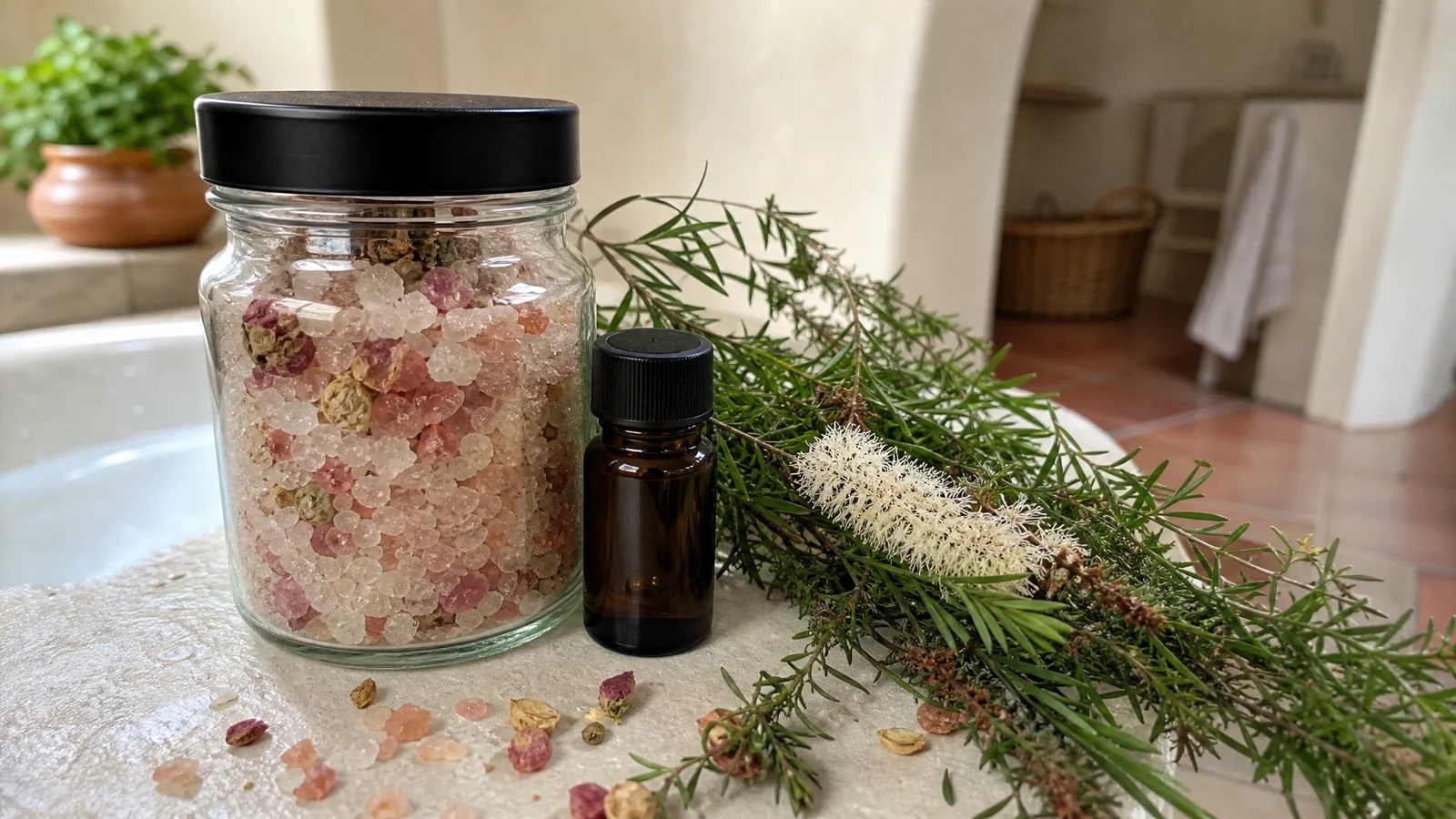
Rosalina Bath Salts: How to Disperse the Oil Properly
Salt does not carry oil. Mix rosalina with a dispersant first, use a modest 5 drops, and enjoy a bath scented without the stinging film.
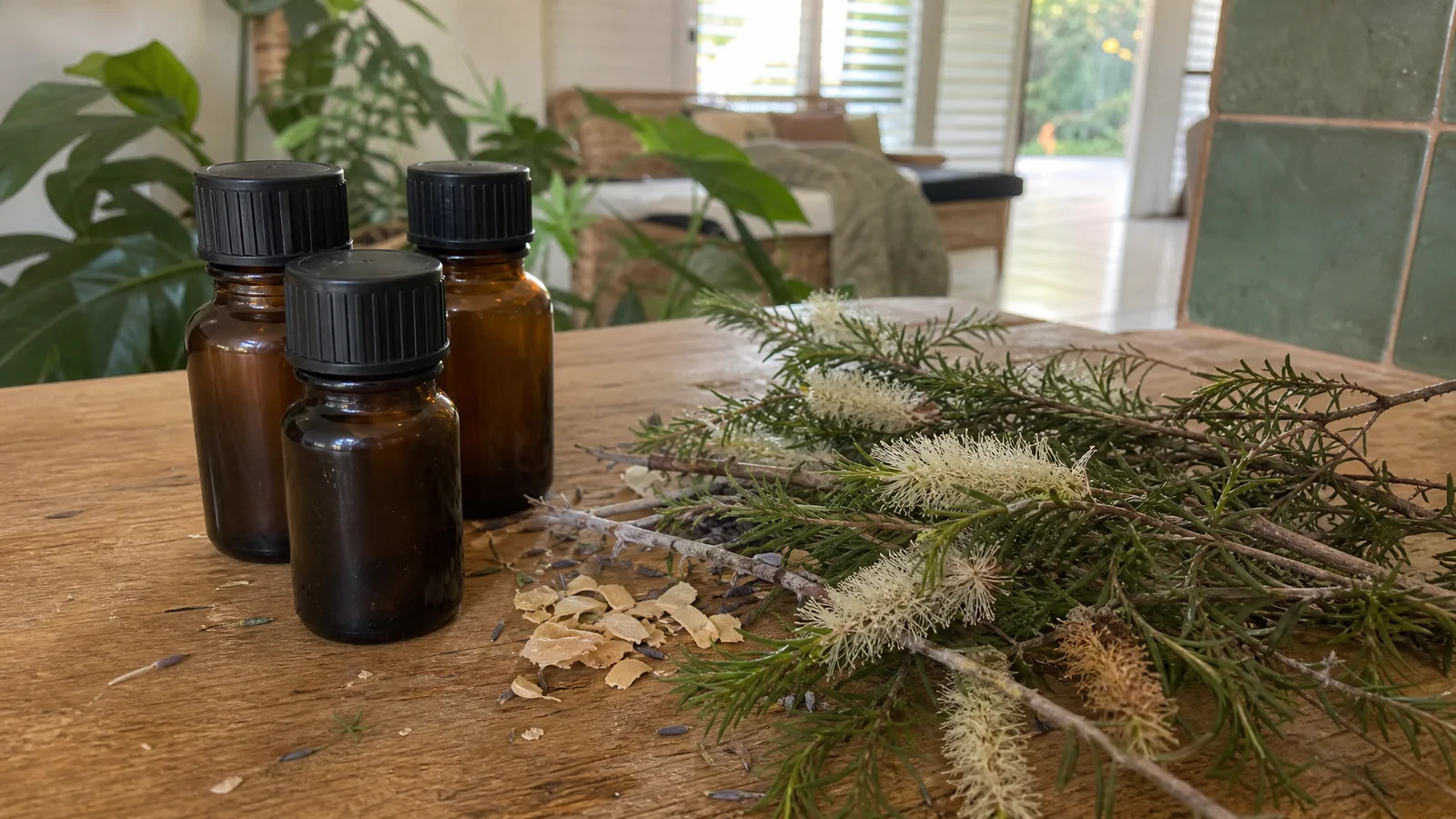
Rosalina, Cedar and Lavender: A 2:1:1 Blend to Try
Green rosalina, floral lavender and a woody cedar base. Here is a 2:1:1 blend worked out for the diffuser and for skin, with the drop maths included.
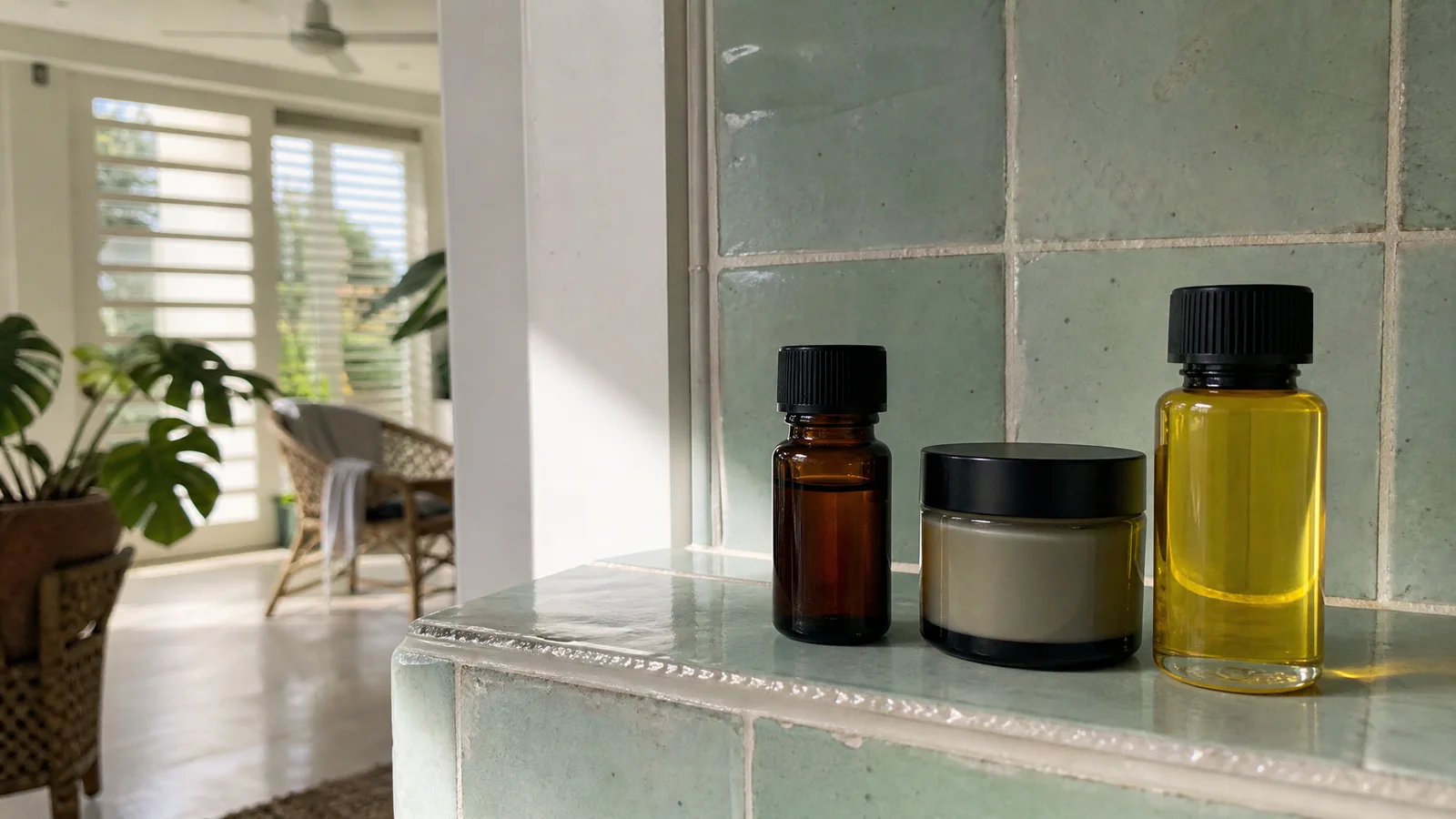
Rosalina Oil on Skin: What to Know Before You Start
Rosalina is sold as an aromatic oil, and a diluted body oil is a common way to enjoy its scent. Here are the dilution, freshness and patch-test basics.
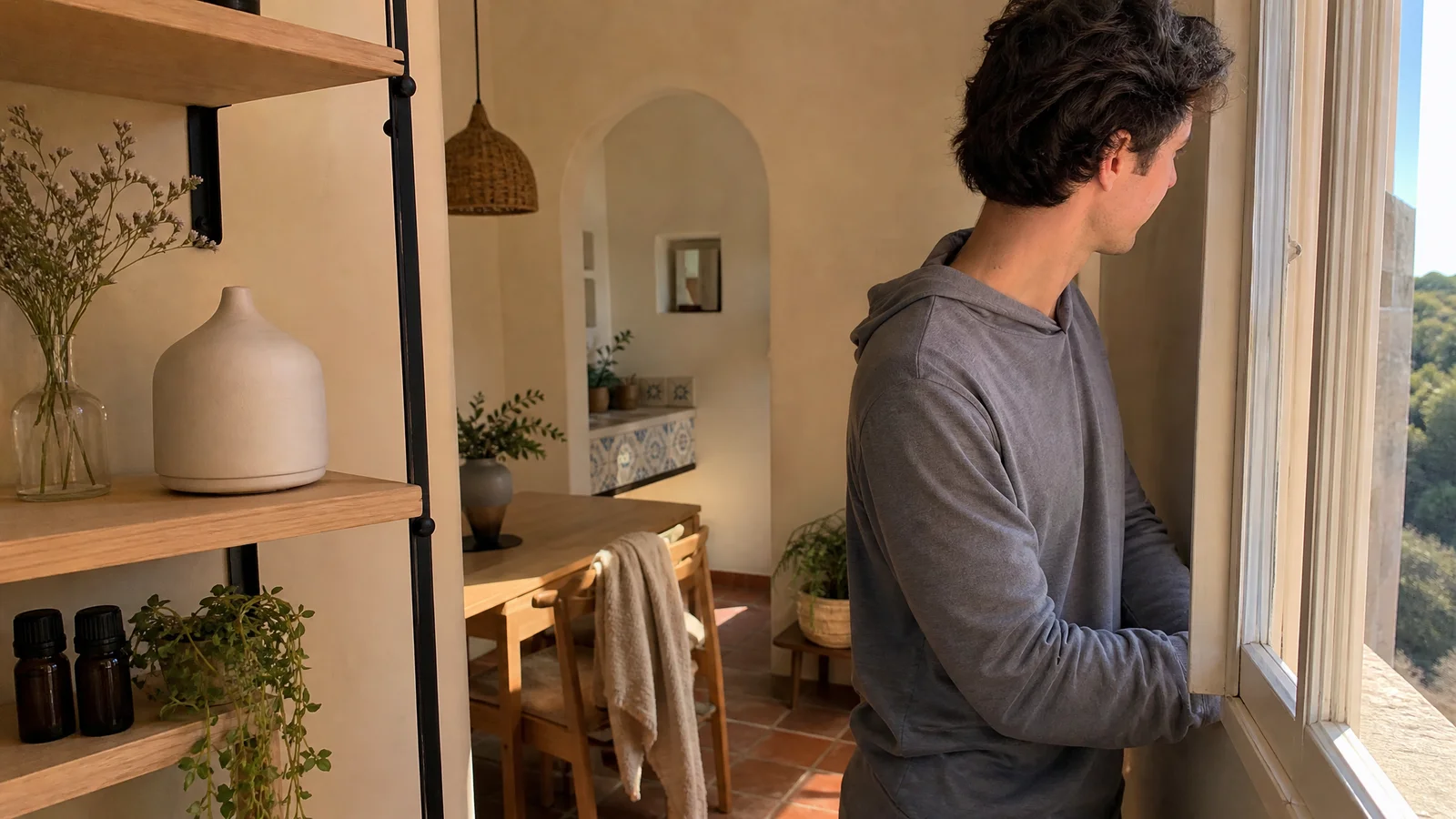
Freshening a Small Apartment With Rosalina Oil
Studios and one-bedrooms leave little room to retreat from scent. A source-first routine, a window and a few drops of rosalina keep the air easy.

Rosalina Oil Around Babies and Children: What to Know
Children are not small adults. Here is how to store a bottle of rosalina oil, what to do in an emergency and when to ask your pediatrician first.

An Evening Diffuser Routine With Rosalina Oil
Lights low, screens away, a few drops in the diffuser. Here is how to set up a simple evening routine with rosalina, from drop counts to fresh air.
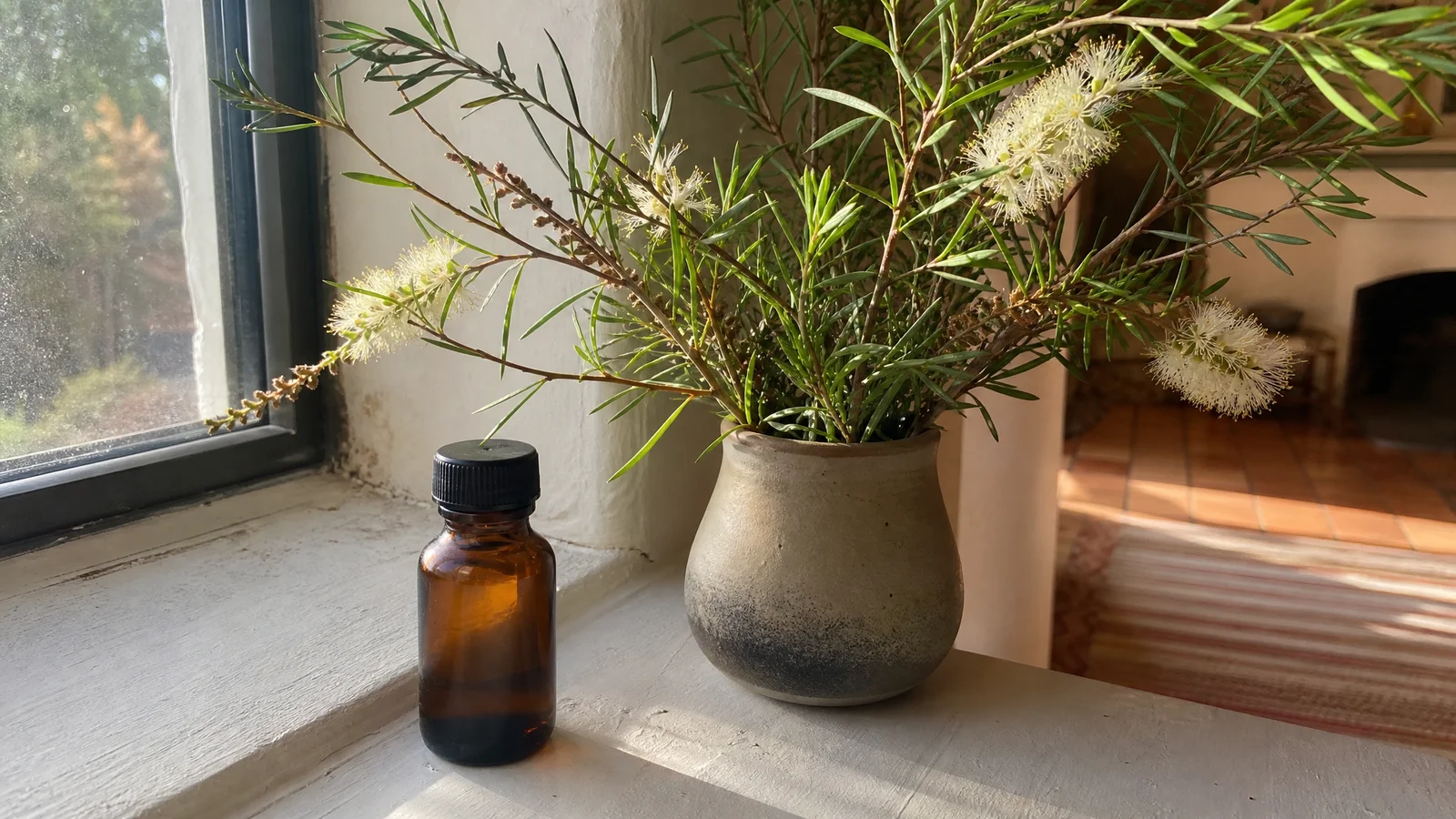
Rosalina Oil Questions: What It Is, How to Use It
What rosalina oil is, how it smells, how to dilute and store it, and who to ask about children, pets and pregnancy, in plain English, from one small shop.
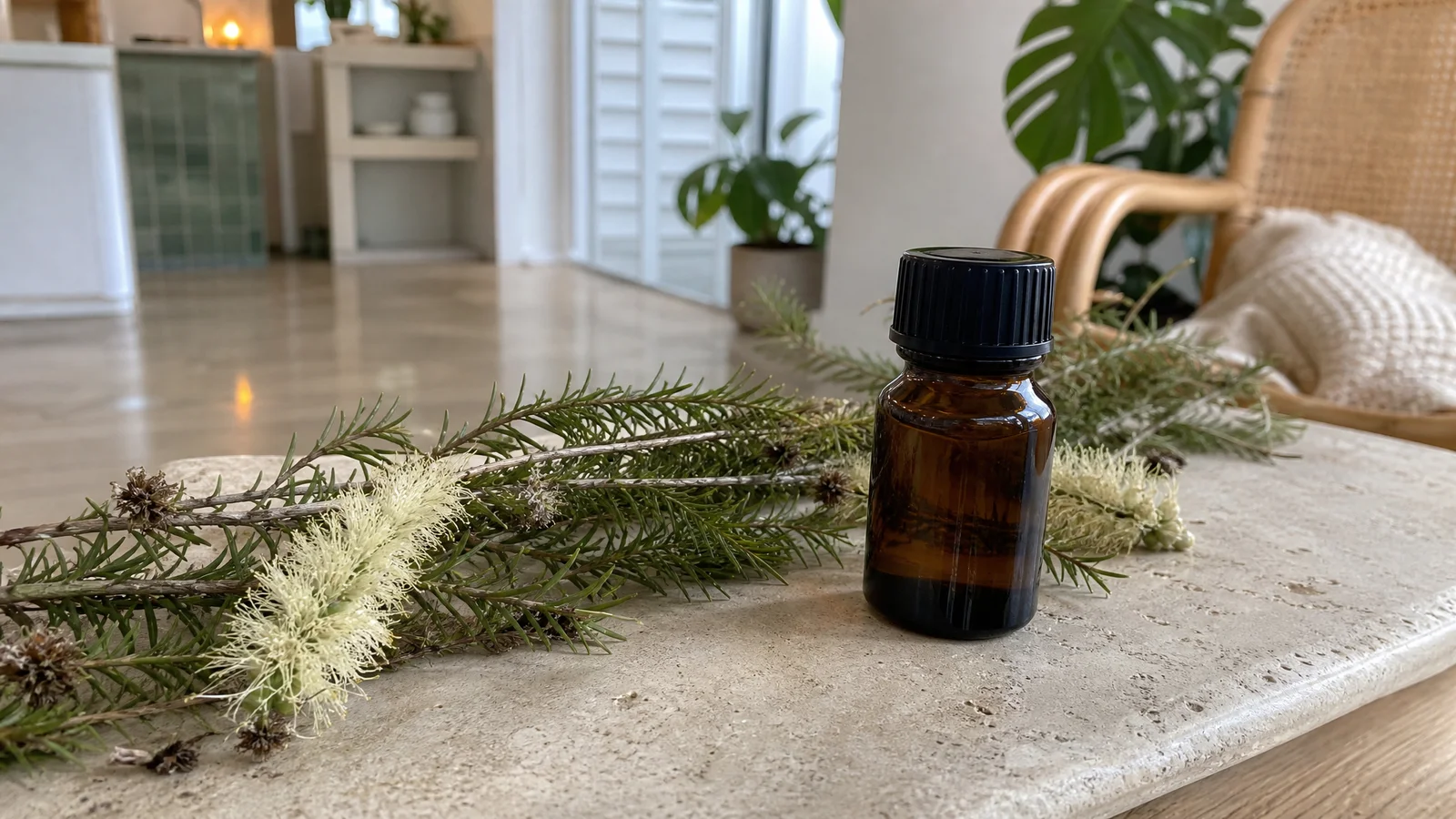
Buying Rosalina Oil: 5 Questions to Ask Any Seller
The name rosalina does not fix what is in the bottle. Here are five questions for any seller, from species to GC-MS, and how we answer them.
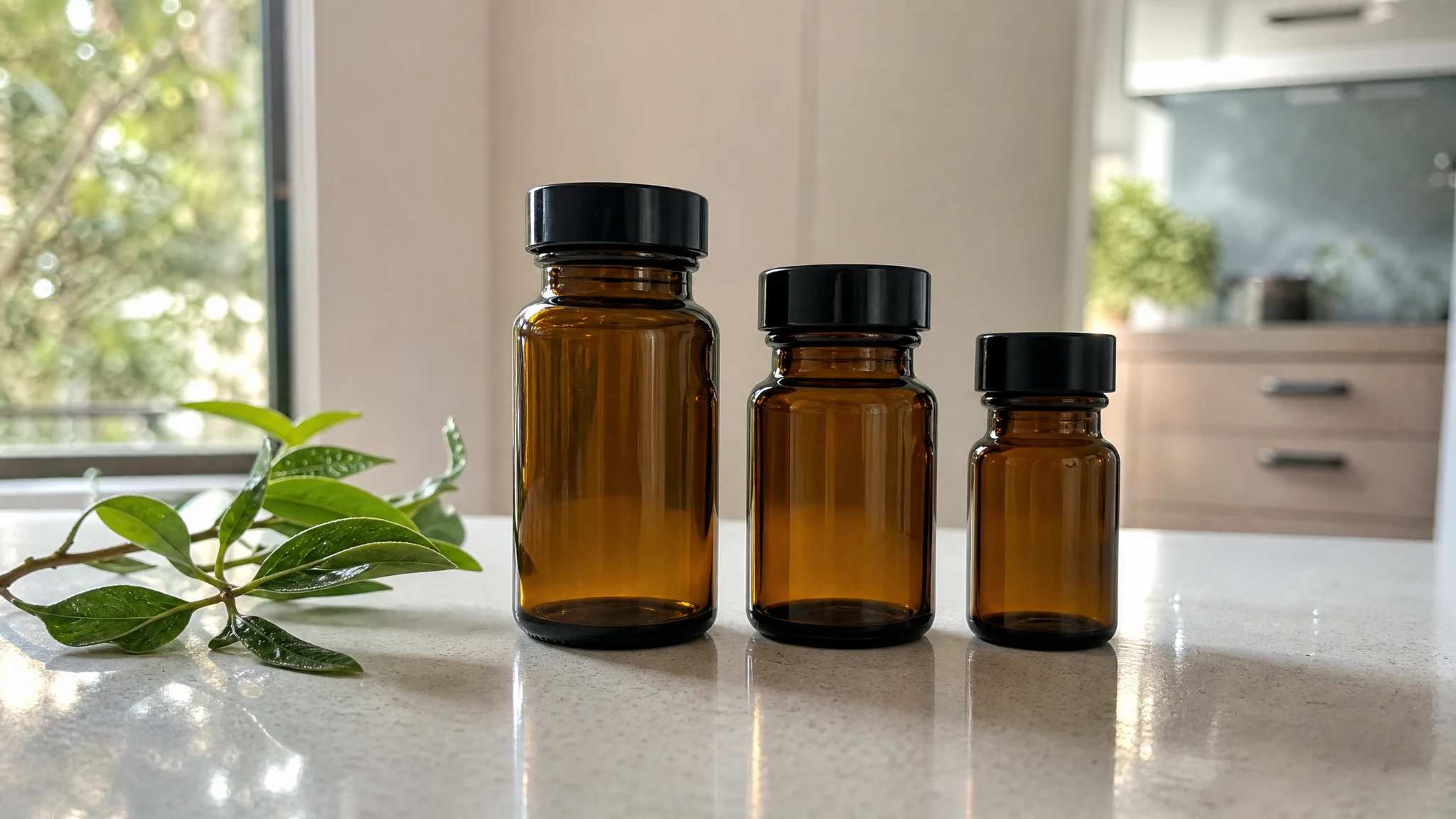
Rosalina Oil Sizes: Which Bottle to Order First
The right bottle is the one you finish while the oil is fresh. This drops-per-day table shows how long each size lasts at ordinary use.
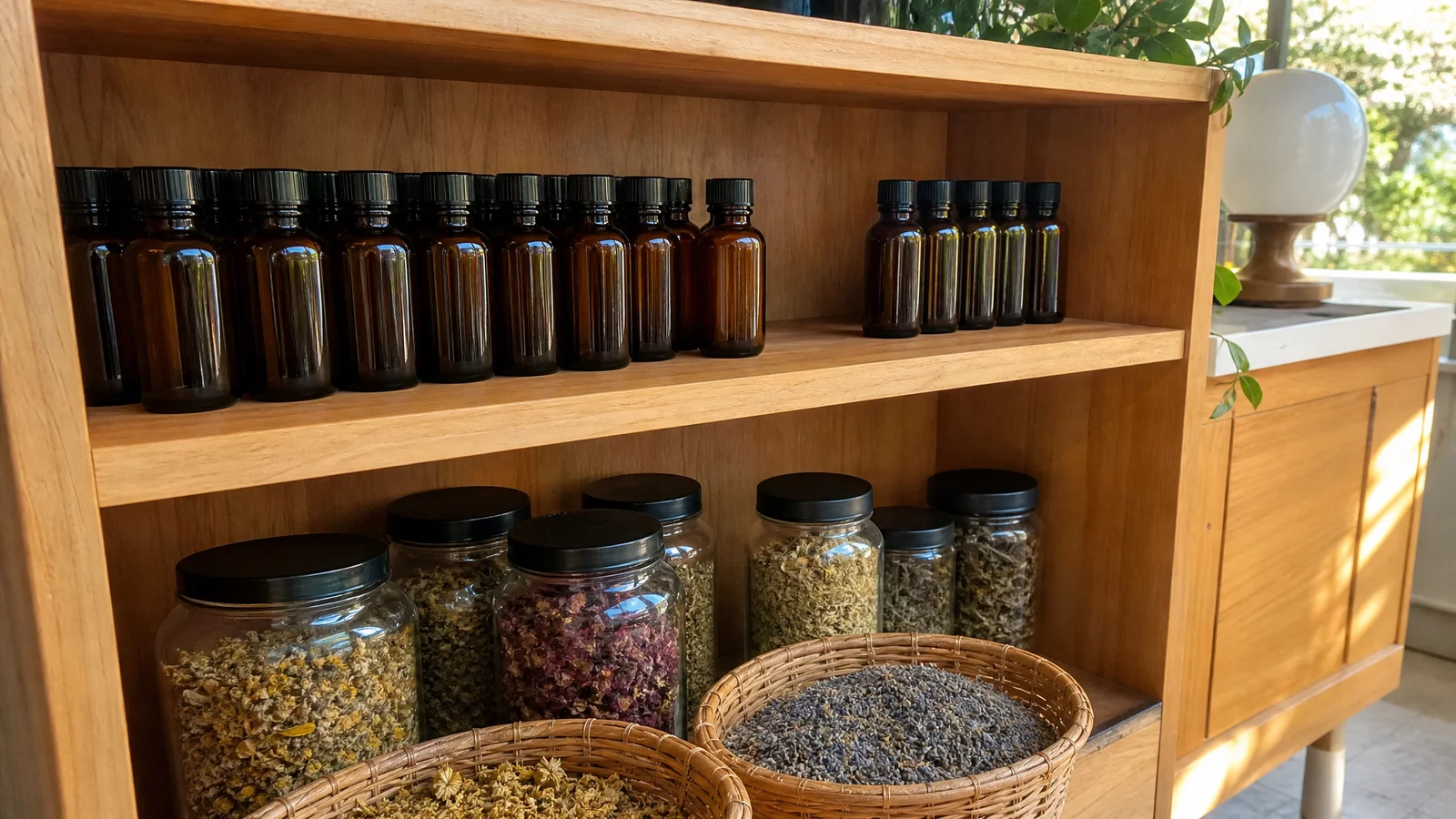
Where to Buy Rosalina Oil: Five Questions to Ask
Rosalina is not as rare as the listings claim. What is hard is knowing which kind of oil you are buying, and five plain questions settle it.
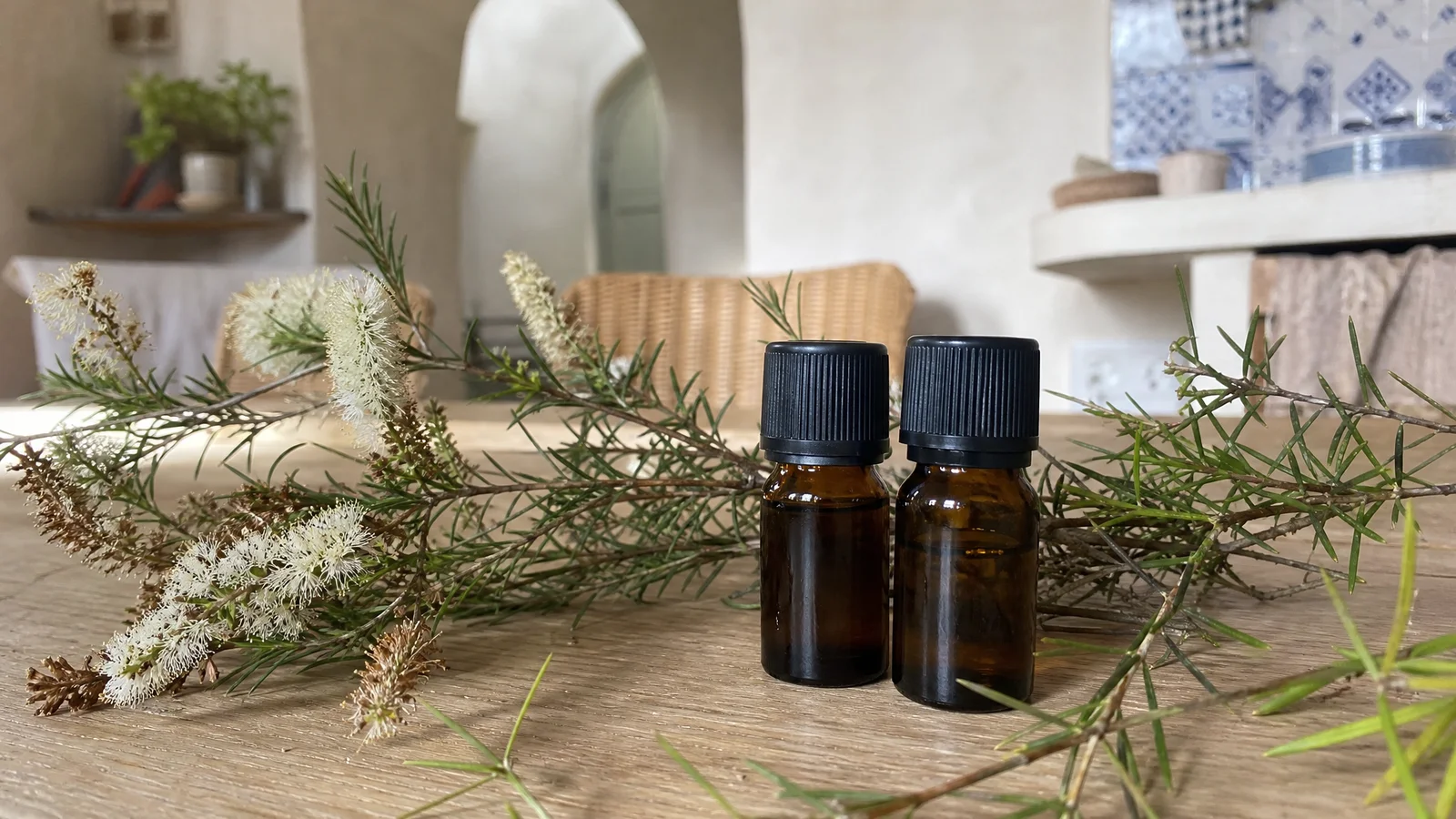
Rosalina vs Tea Tree Oil: Two Melaleucas Compared
Rosalina and tea tree share a genus and little else. Plant, chemistry, standards and skin records compared, with a plain way to choose.
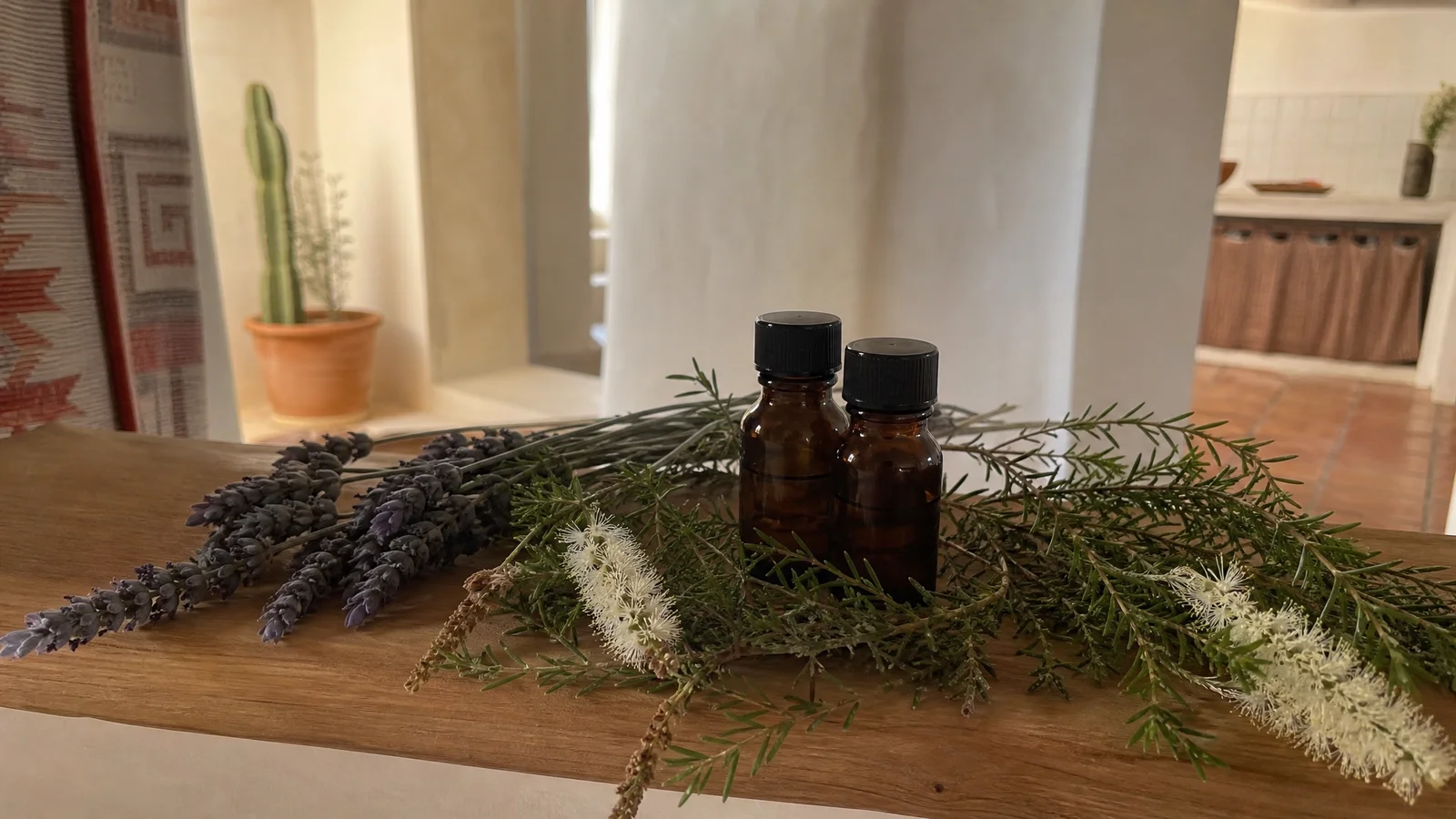
Rosalina vs Lavender Oil: Which Soft Floral to Pick?
Lavender has a well-mapped chemical profile, while rosalina varies with where the leaves grew. Here is how to choose between them by nose and by need.
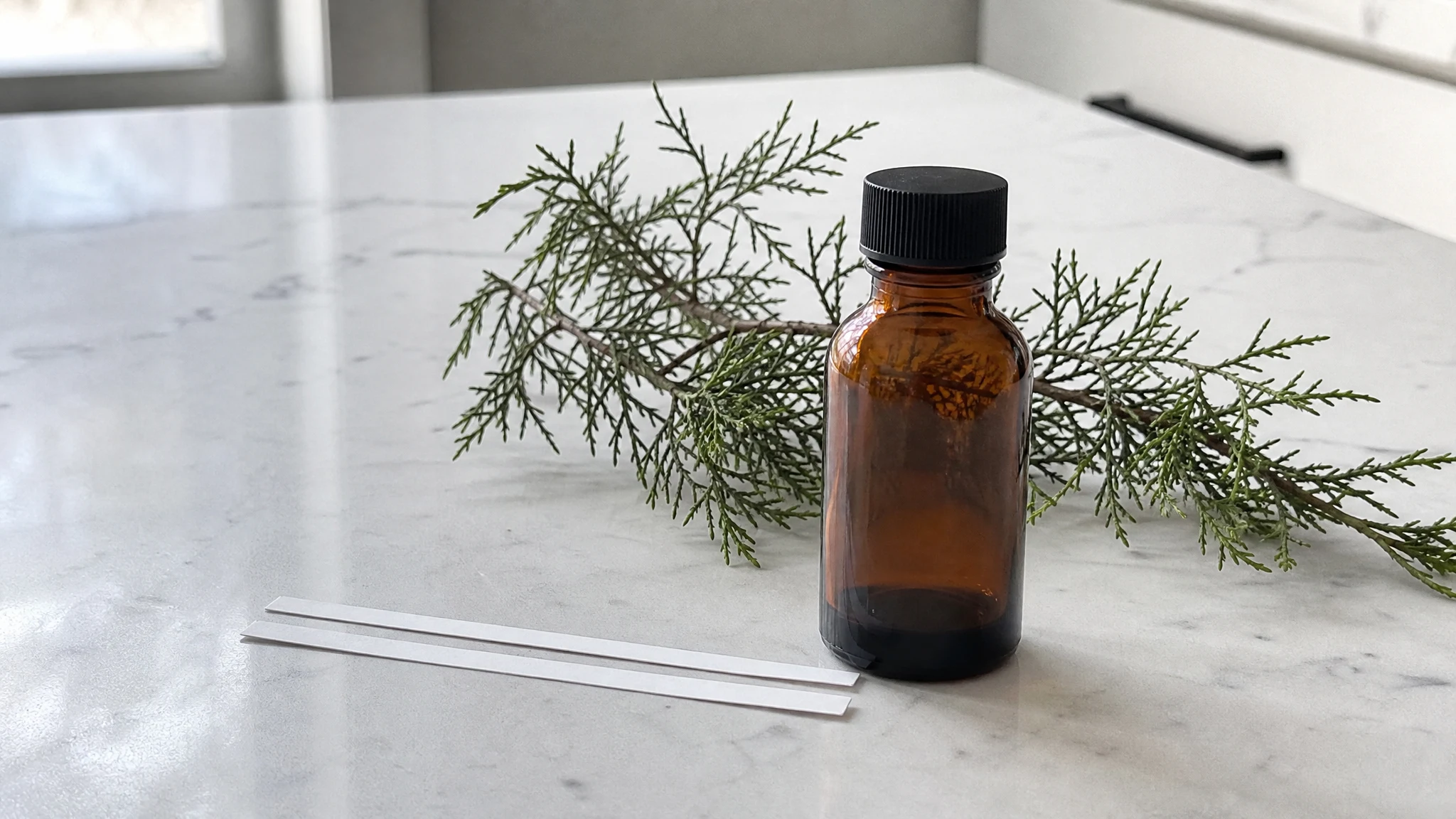
Essential Oil vs Fragrance Oil: What Is the Difference?
Natural versus synthetic is the wrong question. Here is what each label reveals about a floral scent, and where a fragrance oil is the better pick.
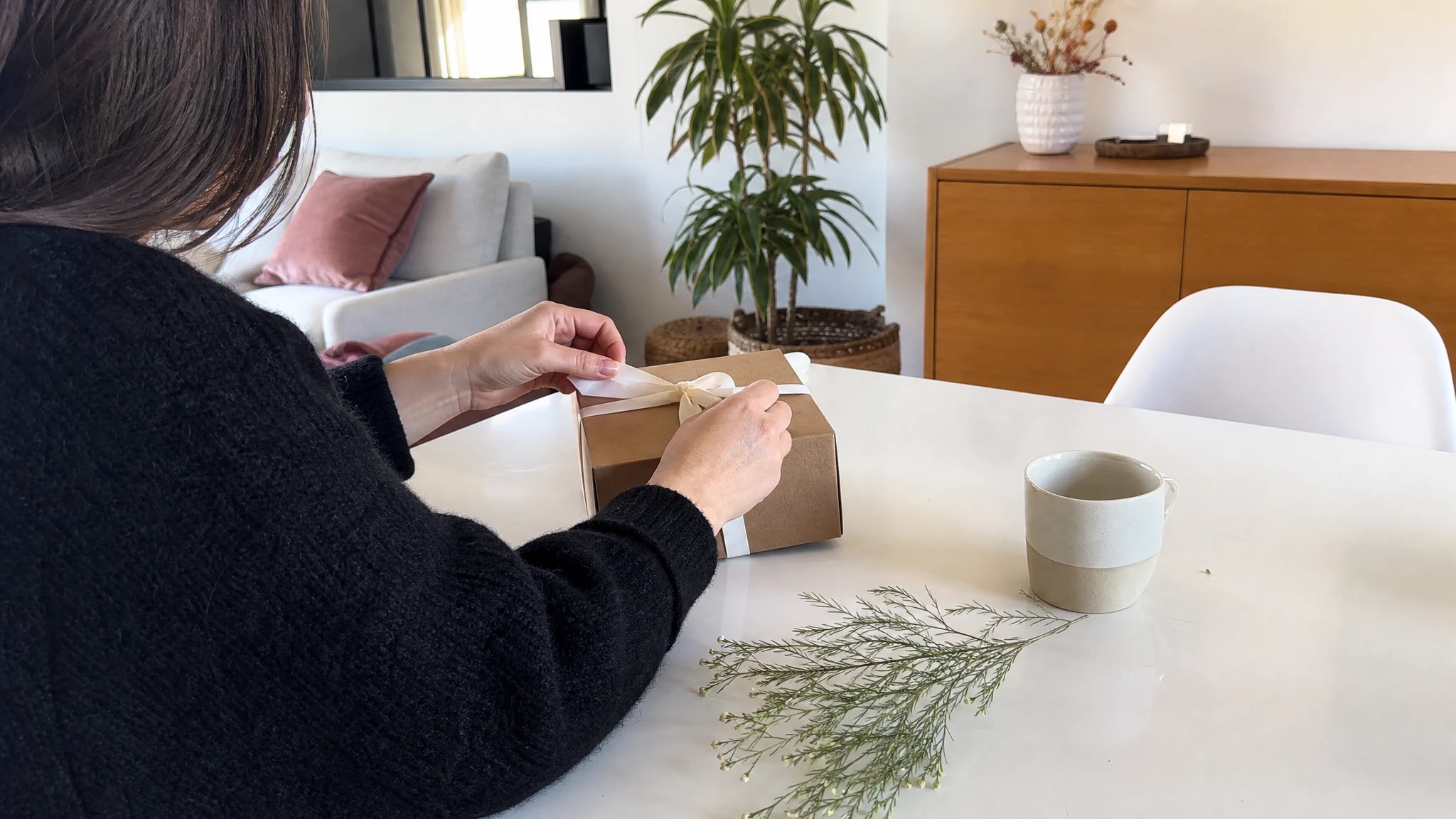
Rosalina Oil as a Gift: Who Will Love It?
Rosalina oil is a lovely gift for someone who already blends or diffuses. Here is how to check, what to write on the card and what to add.
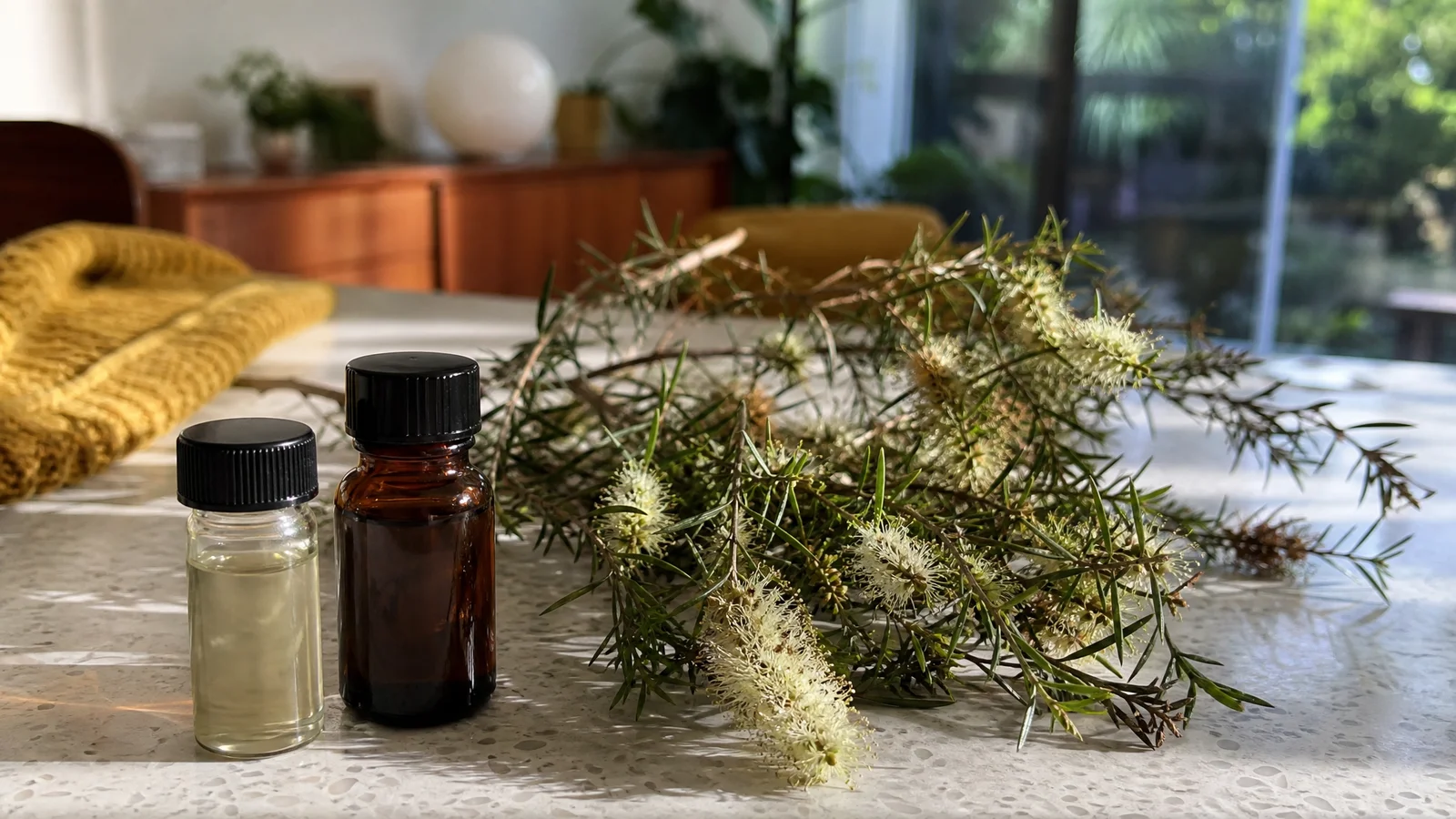
Reading a GC-MS Report: A Buyer's Checklist
A GC-MS report is only as useful as you can read it. Walk through a real rosalina example and learn the five checks to make before you buy any oil.
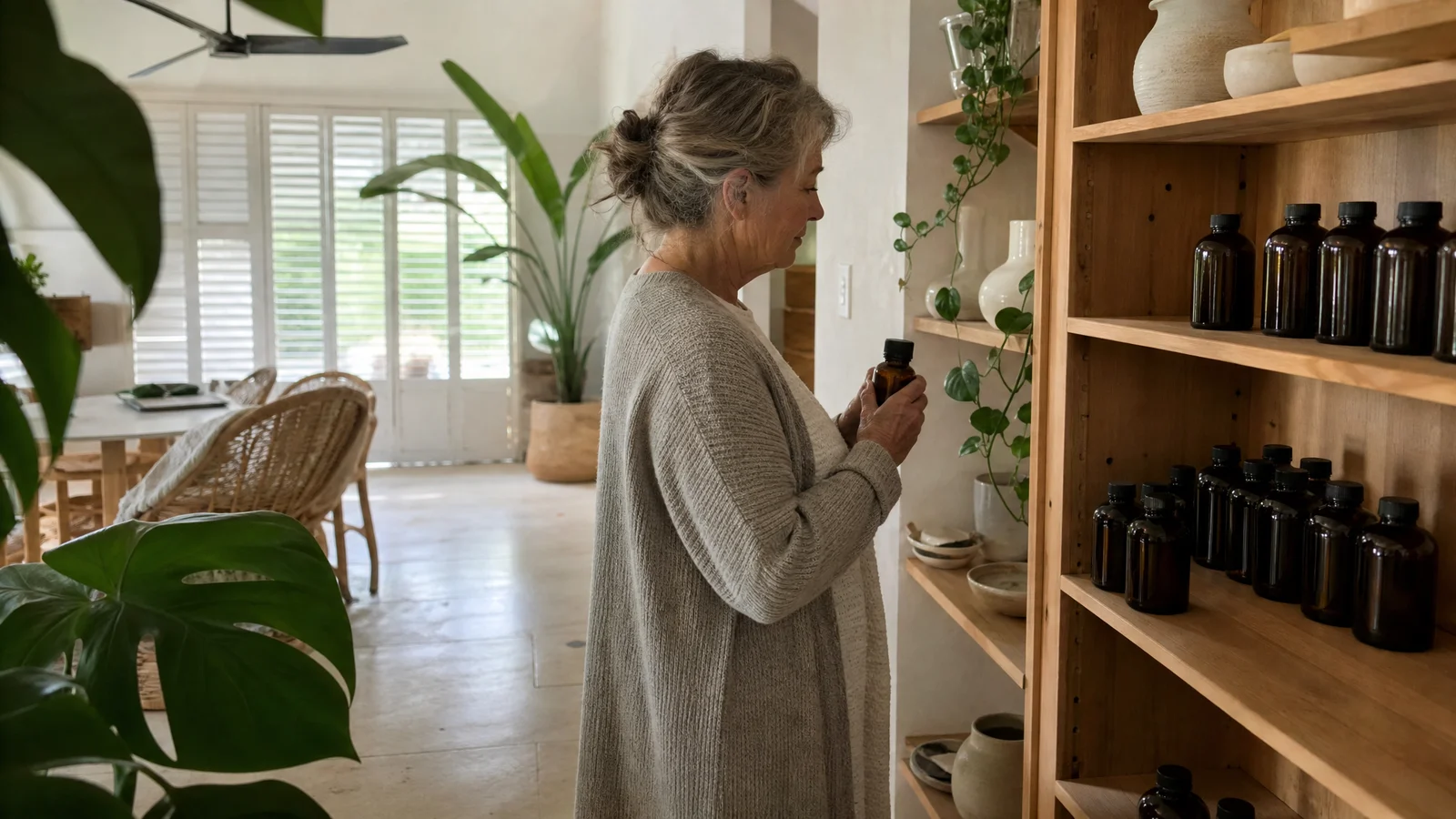
Rosalina vs Tea Tree Oil Prices: A Fair Comparison
A rosalina bottle and a tea tree bottle are different materials, so sticker prices mislead. Here is the per-use arithmetic that compares them fairly.