Where to Buy Rosalina Oil: Five Questions to Ask
Ask where to buy rosalina oil and you will usually be told it is a rare plant, so grab it wherever it turns up. We see it differently. The plant is not especially hard to find; the harder part is knowing what is in a bottle sold under the name. A few good questions, put to any seller including us, settle most of it.
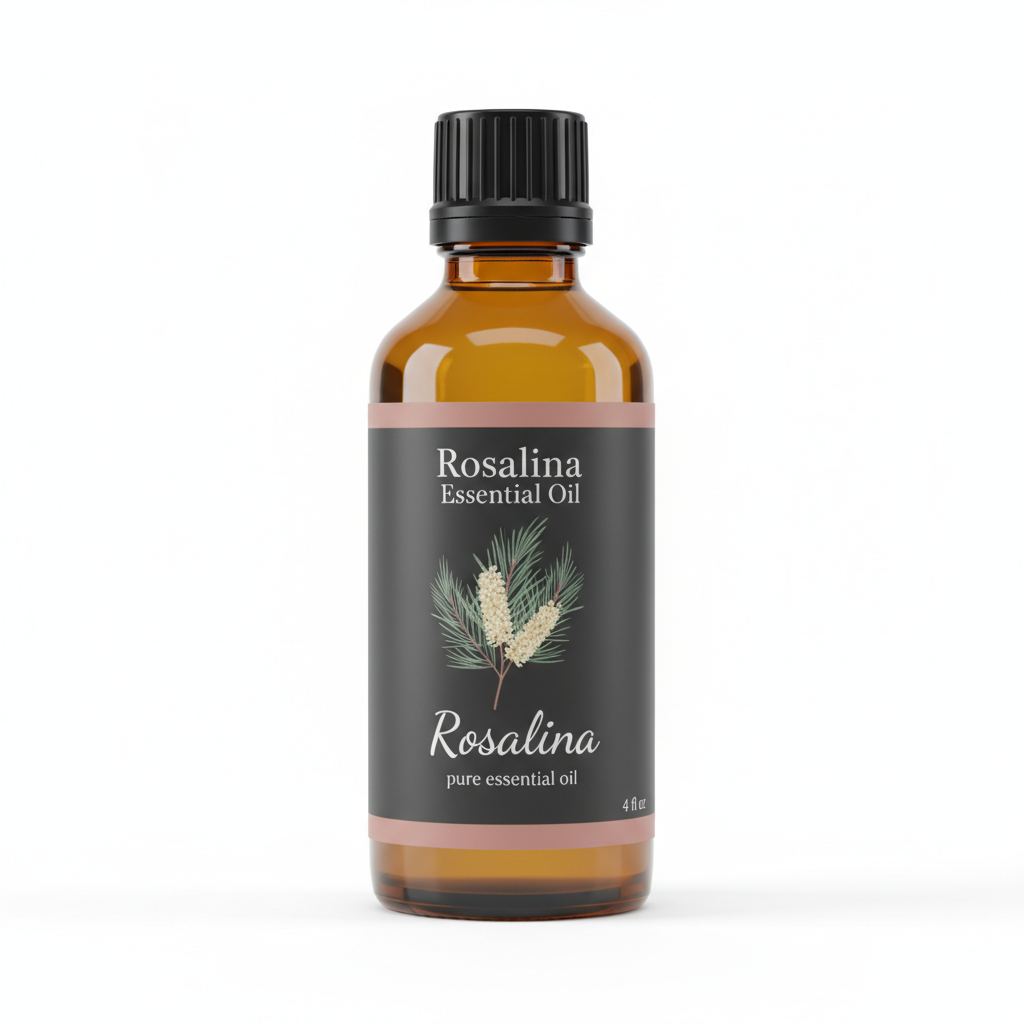
Rosalina Essential Oil
Our own Rosalina Essential Oil, in sizes from 0.5 oz to bulk.
From $16.99
Shop Now →Is the plant actually rare?
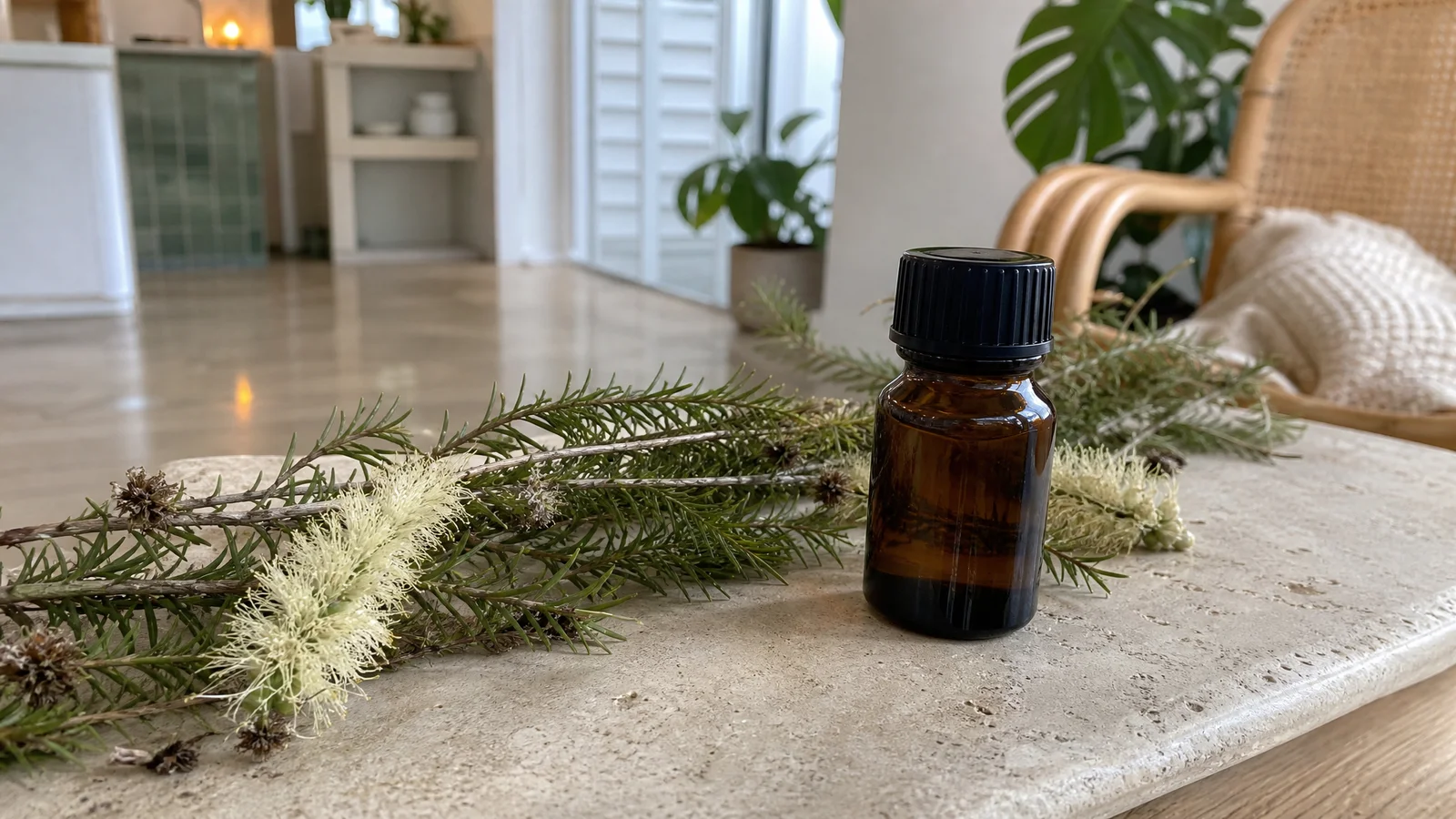
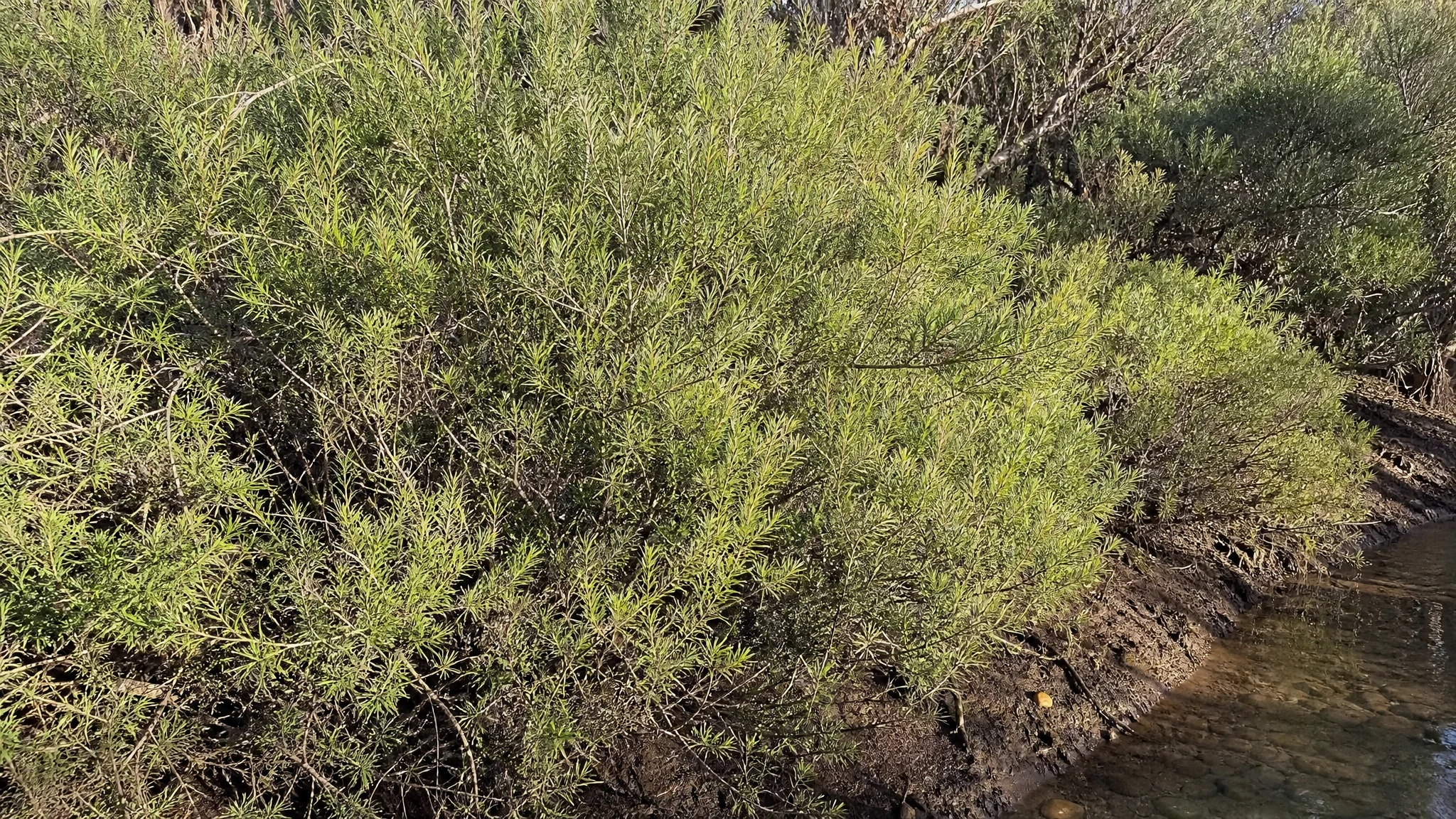
Not in anything we could find. The Royal Botanic Garden Sydney's PlantNET entry for Melaleuca ericifolia describes a plant of heath, dry forest, stream banks and low coastal swamps, from the Hastings River in New South Wales south into Victoria and Tasmania, and gives it no conservation status. A study that sampled the species across southeastern Australia was actually hunting for seed trees for pilot plantations, which tells you people have thought of it as a crop, not just a curiosity.
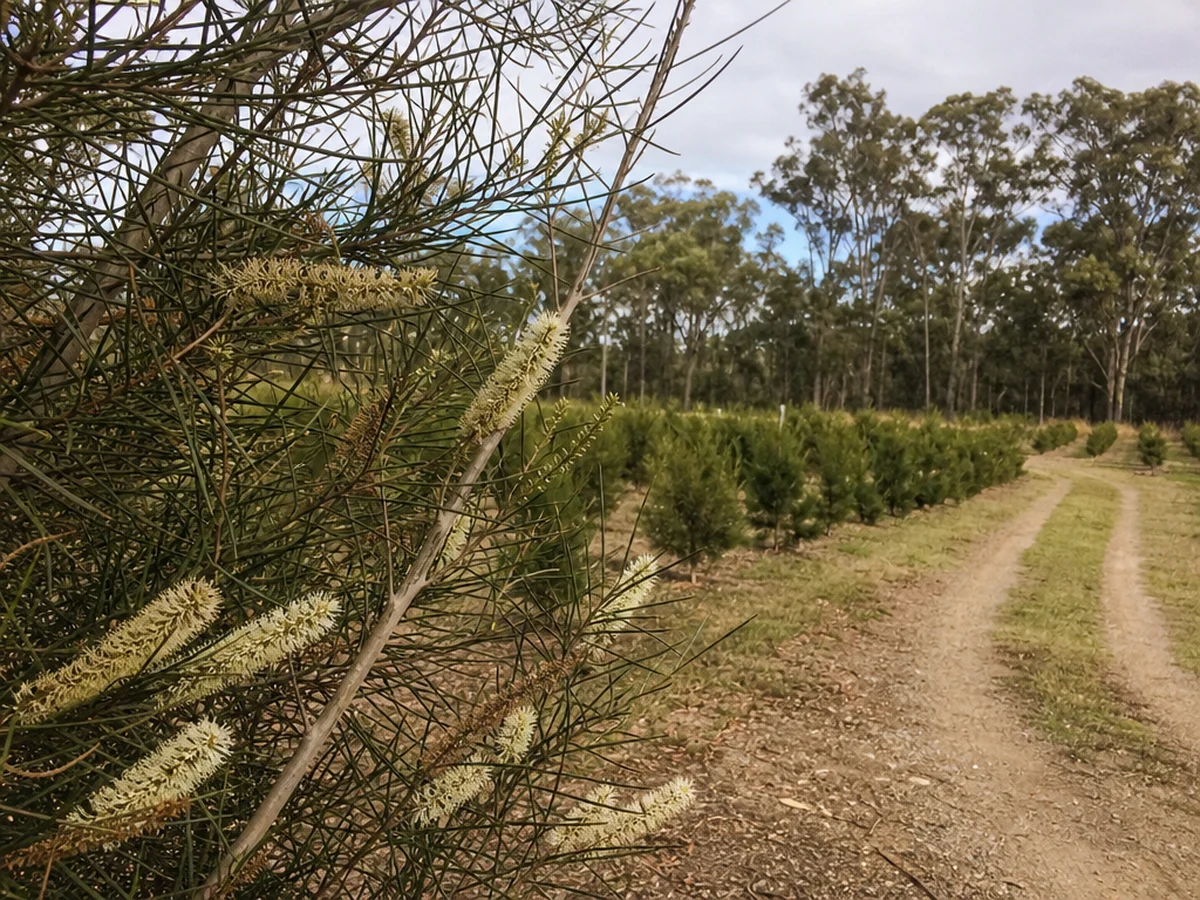
What the study also shows is that rosalina oil is not one fixed thing. Leaf-oil yield averaged about 3.2% in New South Wales populations and about 0.6% in western Victoria and northwestern Tasmania, and composition shifted gradually with latitude, from linalool-rich in the north to 1,8-cineole-rich in the south. So where the leaves come from shapes the oil far more than any scarcity story does.
One name, at least three kinds of oil
A 2026 paper on an oil from cultivated plants in Ecuador makes the same point from another angle. Its main constituent was 1,8-cineole at 61.85%, which smells quite different from a linalool-led oil, and its introduction describes three profiles in the literature, led by methyl eugenol, by 1,8-cineole or by linalool. Someone buying for a soft, lavender-like aroma and someone who needs a constituent figure for a product they will sell are asking different questions of the same label.
We describe our own oil as soft and fresh, with a green opening and a floral, lavender-like sweetness, and we sell it as one steam-distilled rosalina oil, neat, in six retail sizes from 0.5 oz to 16 oz, plus bulk sizes. Aroma is personal, which is why we suggest a small bottle first.
Five things worth asking any seller
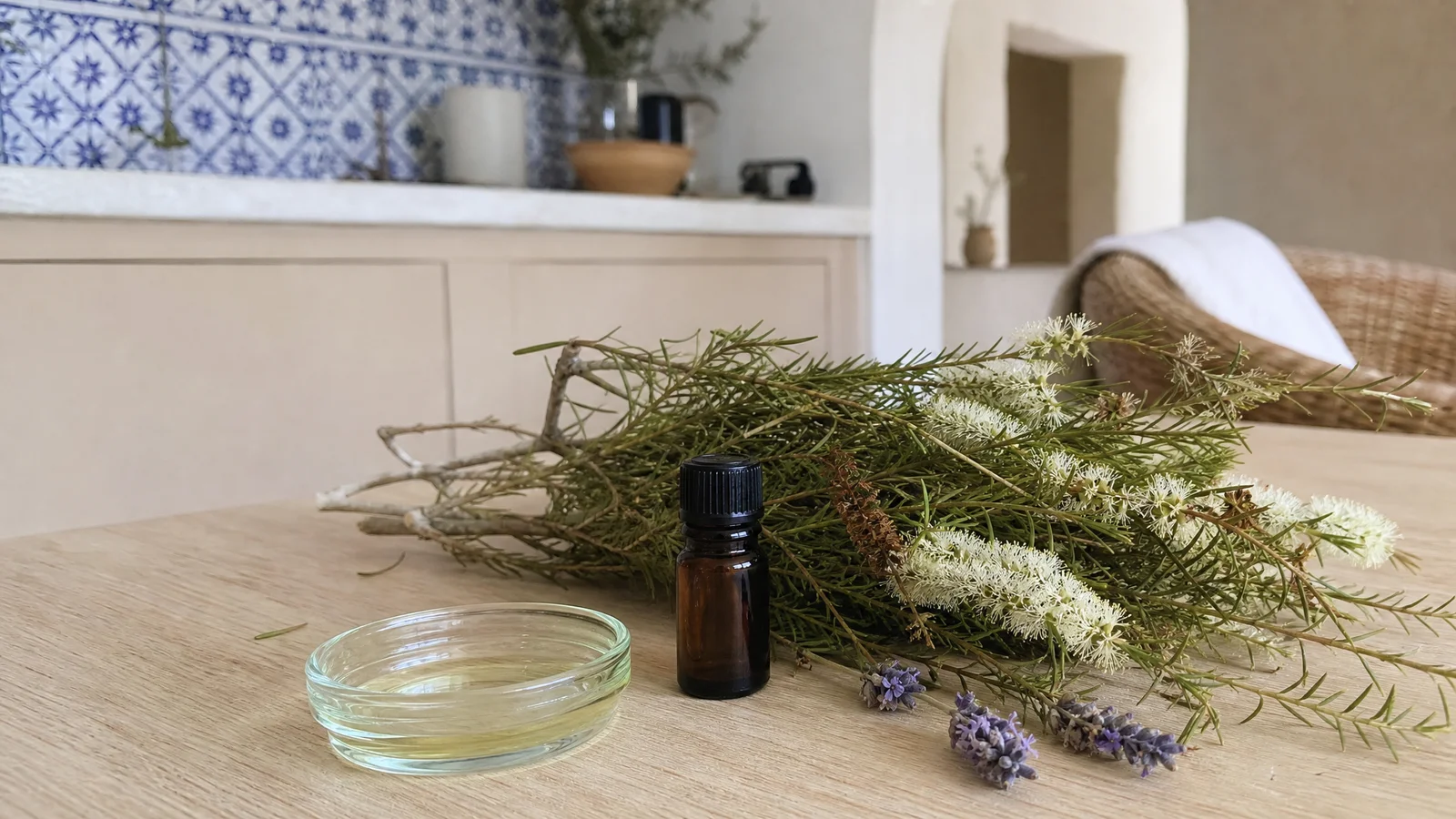
- Botanical name and plant part. Melaleuca ericifolia, leaves. "Rosalina" and "lavender tea tree" are trade names, so the Latin name is what pins it down.
- How it was extracted. Ours is steam distilled. The extraction methods article explains the alternatives.
- A batch number and best-by date on the paperwork, so a report can be matched to the bottle in your hand.
- Gas chromatography numbers. A table that names linalool, 1,8-cineole and methyl eugenol tells you which profile you hold; the word "tested" does not. Our guide to reading a GC/MS report shows what to look for.
- Origin and any organic claim, in writing, with the certifier and number if one is given. The organic labels article covers what a seal does and does not cover.
Even good numbers have limits. A 2021 review of essential oil adulteration found that cutting an oil with vegetable oil leaves the normalised marker percentages unchanged, so a routine report can look perfectly normal; the authors say true quantitation is needed. Grade words like "premium" are claims rather than measurements, and our piece on home purity tests explains why a kitchen check will not stand in for a laboratory one.
Start small, then decide
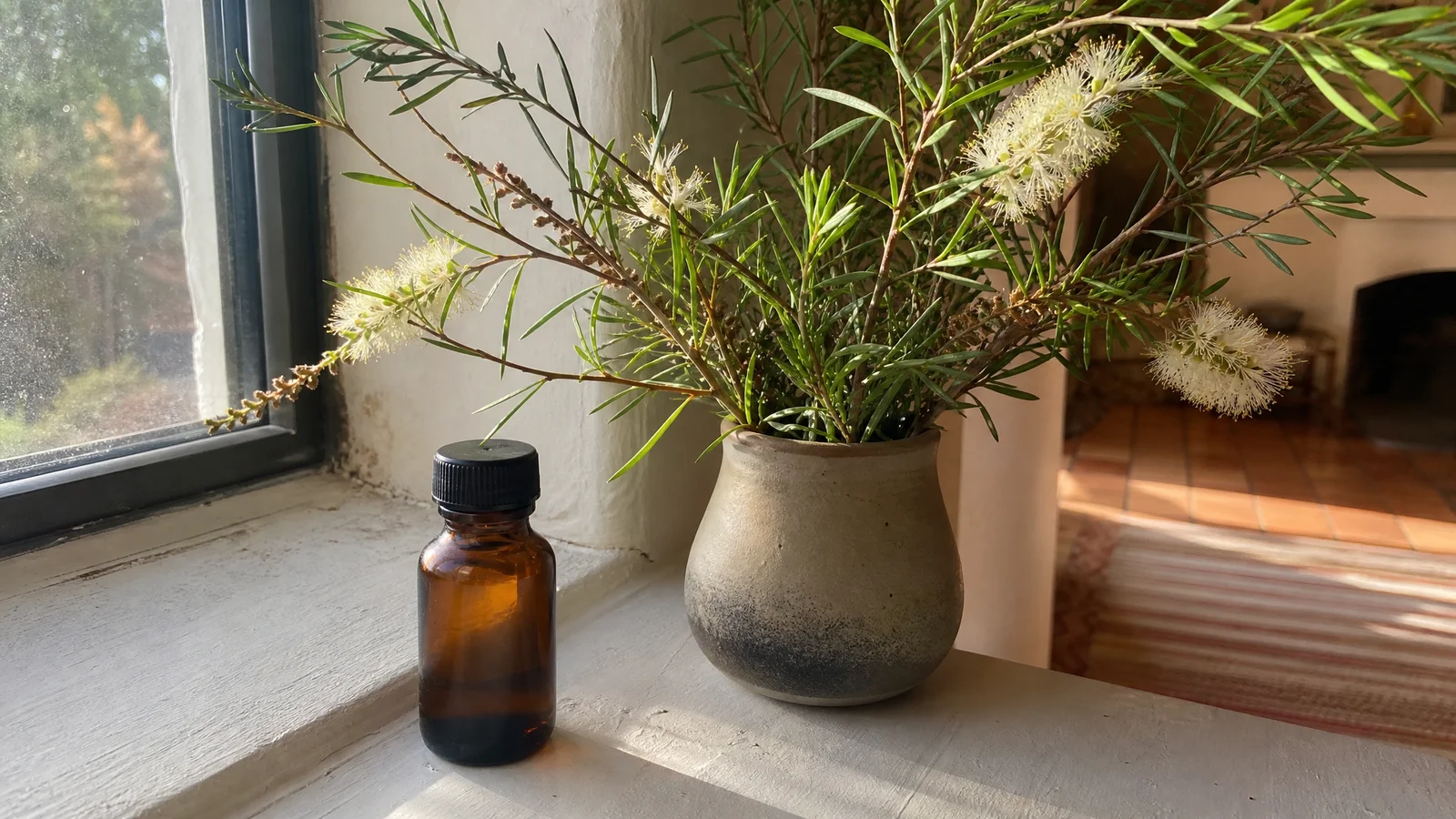
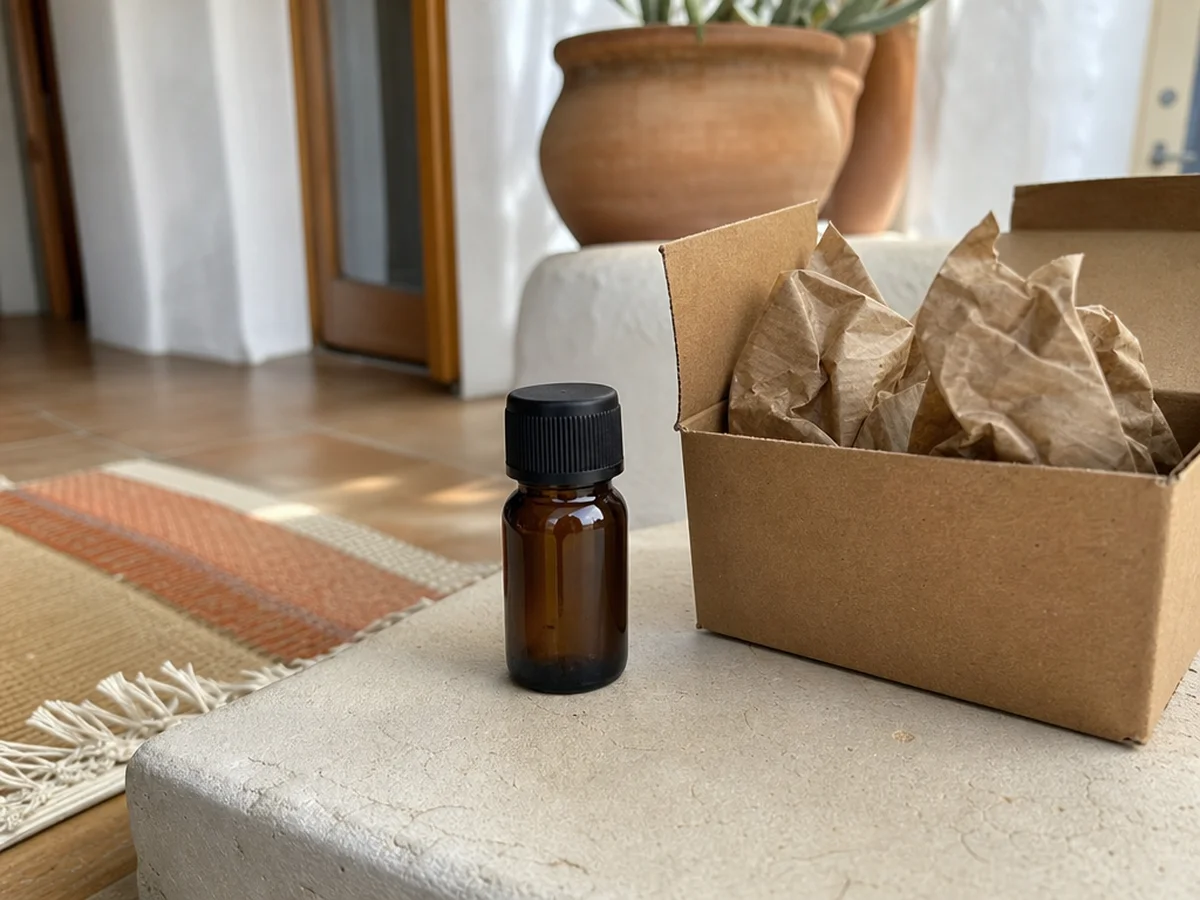
Whichever seller you choose, a first order is best kept small. A small bottle lets you check that the label matches the plant name you asked about, that the scent is one you like, and that the packaging suits you. Amber glass and a tight cap are what we would look for on any bottle. When it arrives, read the label, note the batch number somewhere safe, and smell the oil on a paper strip before you decide anything else.
It also pays to ask how a seller packs and ships. Dark glass with a tight cap keeps the oil in good shape on its way to you, and a seller who can tell you plainly how a bottle is packed has usually thought about it. A short, friendly exchange before you order tells you a lot about who is on the other end.
What we can put in your hands
The Certificate of Analysis we publish for one batch (RSLAIUMEAUC004A, best by 04/14/2027) lists the botanical name, the leaf as the part used, steam distillation, and a pass for appearance and smell. It records a relative density of 0.890 and a refractive index of 1.465 at 20 C, both inside the ranges printed beside them. If you need constituent data for linalool, 1,8-cineole or methyl eugenol, ask us in writing through the contact page before you order, and keep the reply with your lot number.
For a first order, the size guide helps you match a bottle to the way you will really use it. For soap makers and product developers, the wholesale page covers larger volumes and sample bottles. The overview of the oil covers the species itself.
We are glad to answer questions like these ourselves, in writing, because we would rather you buy with your eyes open than with a hunch. Keep the replies you get from any seller together with the bottle and its batch number.
A good oil should hold up to questions. Whoever you buy from, the ones above are fair to ask, and the answers will tell you more than any listing's adjectives.
Take your time with the choice. A bottle you chose carefully is one you will enjoy opening.
Rosalina Essential Oil
Rosalina Essential Oil from our own shop, in sizes from 0.5 oz to bulk.
From $16.99
Shop Now →Sources & Further Reading
- PlantNET - FloraOnline, Melaleuca ericifolia entry, Royal Botanic Garden Sydney.
- Geographic variation in oil characteristics in Melaleuca ericifolia, Brophy and Doran, 2004.
- Essential Oil of Melaleuca ericifolia Sm.: Chemical Composition, Enantiomeric Distribution, and Antimicrobial, Antioxidant, and Anticholinesterase Activities, Valarezo et al., Molecules, 2026.
- Adulteration of Essential Oils: A Multitask Issue for Quality Control. Three Case Studies: Lavandula angustifolia Mill., Citrus limon (L.) Osbeck and Melaleuca alternifolia (Maiden & Betche) Cheel, Capetti et al., Molecules, 2021.