Organic Essential Oil Labels: What the Words Mean
An organic label is a promise about farming and handling, backed by a certifier's paperwork. It is a useful promise, but it is a narrow one. It does not say which species is in the bottle, what the chemistry looks like, or how fresh the oil is. Reading the wording carefully takes about a minute and tells you a lot.
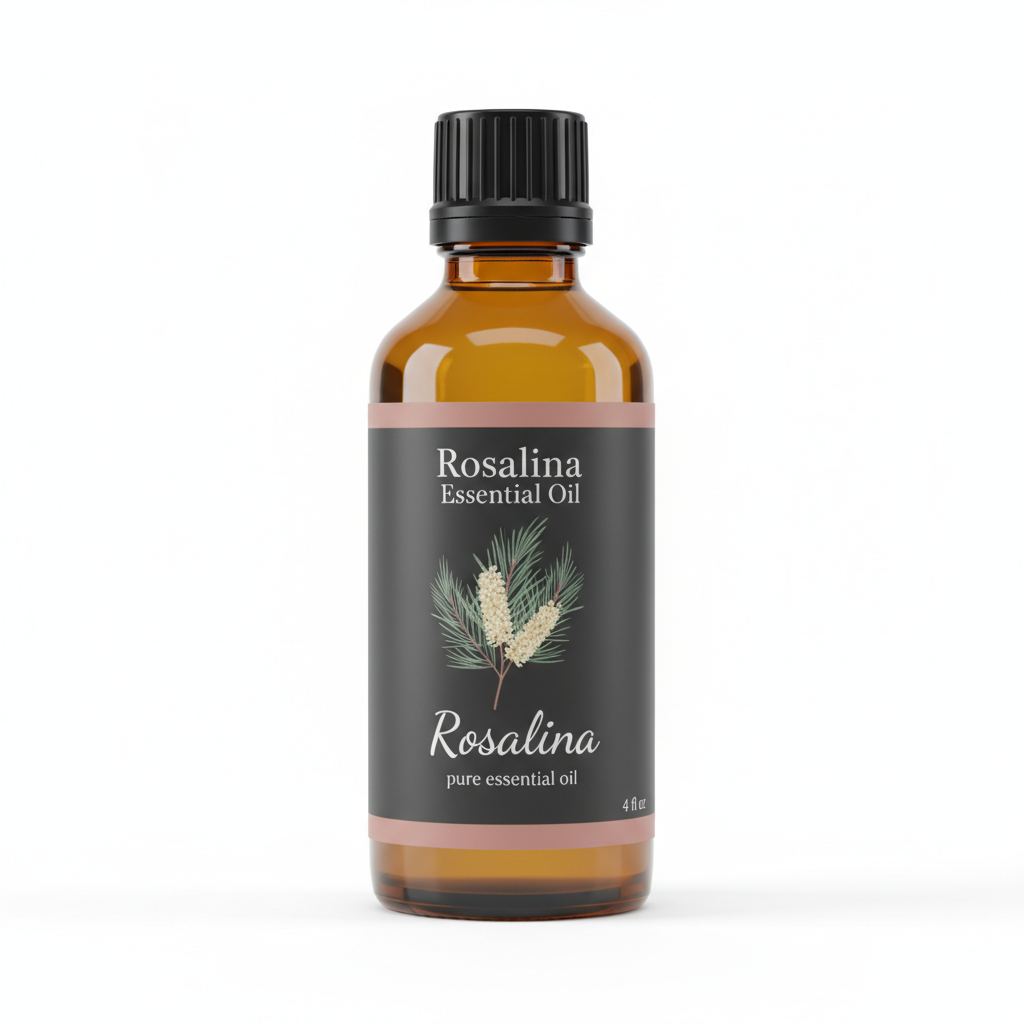
Rosalina Essential Oil
Our own Rosalina Essential Oil, in sizes from 0.5 oz to bulk.
From $16.99
Shop Now →Four wordings, four meanings
In the US, the wording on a package signals how much of the product is organically produced, counted by weight and leaving out water and salt (7 CFR § 205.301 - Product composition.).
- "100 percent organic" means every ingredient is organically produced.
- "Organic" means at least 95 percent, with the remainder limited to organic versions where they are available, or specifically permitted substances.
- "Made with organic..." means at least 70 percent, and the label has to name the ingredients it refers to.
- Under 70 percent may mention organic ingredients only in the limited ways the rule allows.
The practical point is for blends and body oils. A product that says "made with organic lavender" can have up to 30 percent of something else in the bottle. Compare the exact words, not the general impression.
Look for the certifier's name
A packaged product labelled "100 percent organic" or "organic" has to name the certifying agent that certified the handler of the finished product, with a line such as "Certified organic by...". The USDA seal itself is optional (7 CFR § 205.303 - Packaged products labeled “100 percent organic” or “organic.”). That makes the certifier line more useful than the logo. A logo is easy to copy; a named certifier is something you can check.
There is a second wrinkle that matters when you shop small. A farm or handler whose gross organic sales are 5,000 US dollars or less a year can be exempt from certification, though it still has to follow the labelling rules, and a business that only buys and resells products already sealed and labelled for retail does not need its own certificate either (7 CFR § 205.101 - Exemptions from certification.). In practice, the certificate worth asking about belongs to whoever grew the plant and whoever filled the bottle. They can be two different operations.
A friendly attitude works best when you ask questions. A good seller will not mind a polite request in writing, and the answer, or the lack of one, tells you a lot. Save the reply with your records so you have it next time.
Reading the label in the aisle
Turn the bottle around. The front is where the headline lives, and the back is where the detail is. Look for the exact wording, for the certifier's name, and for whether the ingredient list mentions the species by its Latin name. If the front says one thing and the back says something quieter, trust the back.
It helps to read the label slowly the first time, with a pen and the four wordings above beside you. After two or three bottles it becomes automatic.
How to check a claim
The USDA keeps a public record of certified operations, the Organic Integrity Database (Organic Integrity Database). Here is a short routine we would follow with any seller:
- Ask for the certifier's name and the operation's name, in writing.
- Look the operation up and confirm its status.
- Check that what you are buying falls within what the operation is certified for.
- Ask who grew the plant and who filled the bottle.
What the label leaves out
Organic rules are about how a crop is grown and handled. They do not choose a chemotype, so one species can still produce quite different oils. Our linalool and cineole article shows how much Melaleuca ericifolia varies from one sample to another. Nor does farming paperwork rule out adulteration later on, which is why the detection methods in the literature are laboratory ones, such as GC-MS reference profiles and chiral analysis (Capetti F. et al., 2021. Adulteration of Essential Oils: A Multitask Issue for Quality Control. Three Case Studies: Lavandula angustifolia Mill., Citrus limon (L.) Osbeck and Melaleuca alternifolia (Maiden & Betche) Cheel. Molecules). If composition matters to you, a GC-MS report for the lot tells you what a certificate cannot, and our GC/MS reading guide explains what to look for.
Safety handling is also the same whatever the label says. An organic oil still needs diluting for skin, a patch test and a place out of reach of children and pets.
Why we like asking
We think the questions above are healthy for the whole oil world, us included. A label can only say so much, and a shopper who knows what to ask makes every seller a little more careful. If an organic claim matters to you, make it part of your checklist rather than a hope.
Where our rosalina stands
We do not sell our rosalina as organic, and we would rather say so plainly than let a look-alike word do the work. What we do offer is a steam-distilled leaf oil sold neat, with a Certificate of Analysis for one batch. If organic status is essential to what you make, ask us in writing through the contact page, and ask any other seller the same four questions above. For the wider checklist, see how to buy rosalina oil and how to read an essential oil label.
If you plan to put an organic claim on your own product, your certifier is the right person to ask. They decide how the rules apply to your formula.
Rosalina Essential Oil
Rosalina Essential Oil from our own shop, in sizes from 0.5 oz to bulk.
From $16.99
Shop Now →Sources & Further Reading
- USDA via Cornell Law School LII. 7 CFR § 205.301 - Product composition.
- USDA via Cornell Law School LII. 7 CFR § 205.303 - Packaged products labeled “100 percent organic” or “organic.”
- USDA via Cornell Law School LII. 7 CFR § 205.101 - Exemptions from certification.
- USDA Agricultural Marketing Service. Organic Integrity Database
- Capetti F. et al., 2021. Adulteration of Essential Oils: A Multitask Issue for Quality Control. Three Case Studies: Lavandula angustifolia Mill., Citrus limon (L.) Osbeck and Melaleuca alternifolia (Maiden & Betche) Cheel. Molecules. Europe PMC PMC8471154