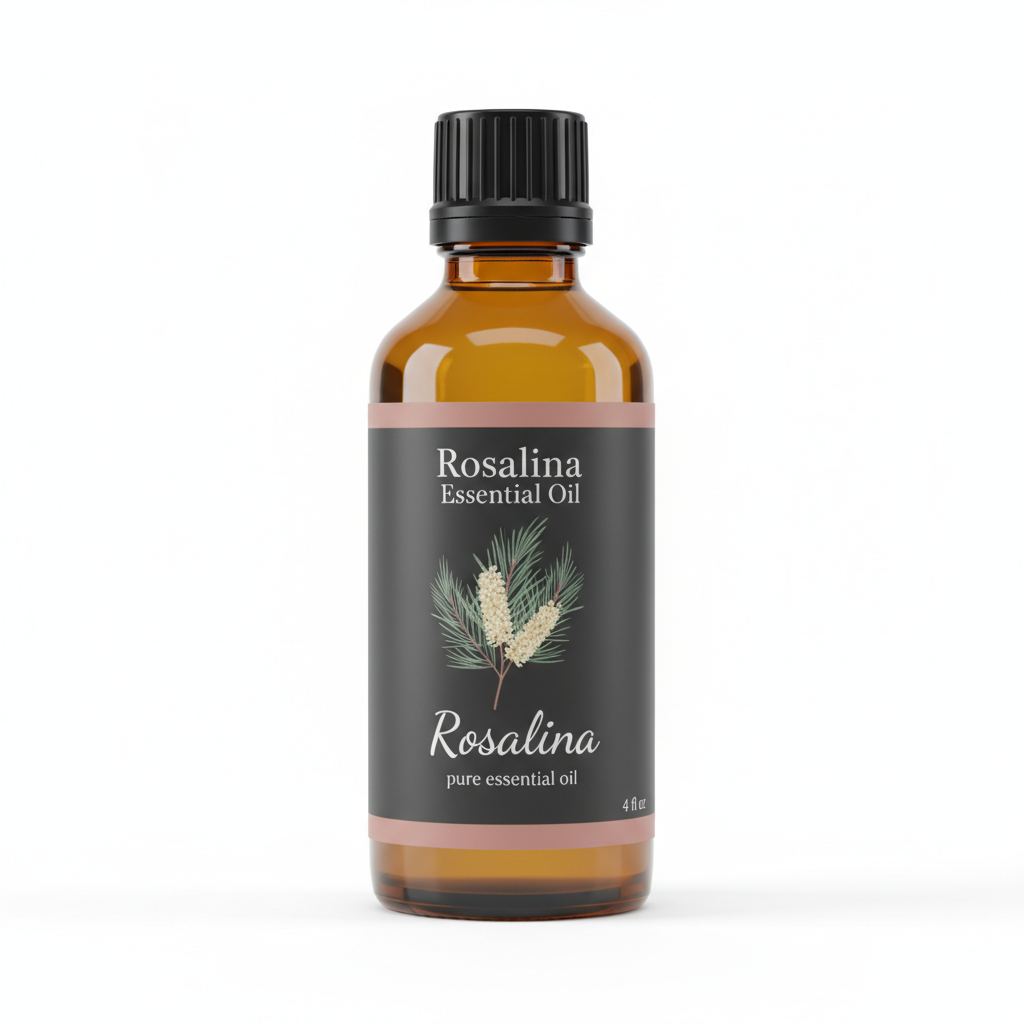
Organic Essential Oil Labels: What the Words Mean
An organic label tells you how a plant was farmed and handled, not what is in the bottle. Learn the tiers, the certifier line and what to ask a seller.
Essential Oil Extraction Methods: Reading the Label
Steam distilled, cold pressed, CO2 extract, absolute: five seconds on the extraction line tells you what kind of material is in the bottle.

Phototoxic Essential Oils: Which Ones React in Sun?
Only some essential oils react with UV light on skin, mostly expressed citrus. See why, what the bergamot limit means and how to check a citrus partner.

Do Essential Oils Repel Mosquitoes? Minutes vs DEET
DEET protected for hours in the lab, most plant oils for minutes. Here is how to read the studies and the label before you trust a bottle.

Essential Oils and Sleep: What the Research Can Say
A pooled review links scent to better self-rated sleep, while guidelines put CBT first. Where a bedtime aroma fits into a sleep routine.

Essential Oils for Stress: What Anxiety Trials Measured
Aroma trials measure a few points on an anxiety questionnaire. What they found, how stress differs from anxiety, and where a scent sits.

Essential Oils for Focus: What Two Aroma Studies Found
Twenty people breathed rosemary, 144 breathed peppermint or ylang-ylang. What those two studies actually found about scent and attention.

Essential Oils for Headaches: What the Trials Really Show
A 10% peppermint solution, lavender sniffed for 15 minutes and a lab pain test: three headache trials read as recipe cards, not endorsements.

Essential Oils for Congestion: Cineole, Menthol, Steam
Cineole capsules, menthol and steam are often blended into one claim. We separate the three bodies of evidence and say what each can show.
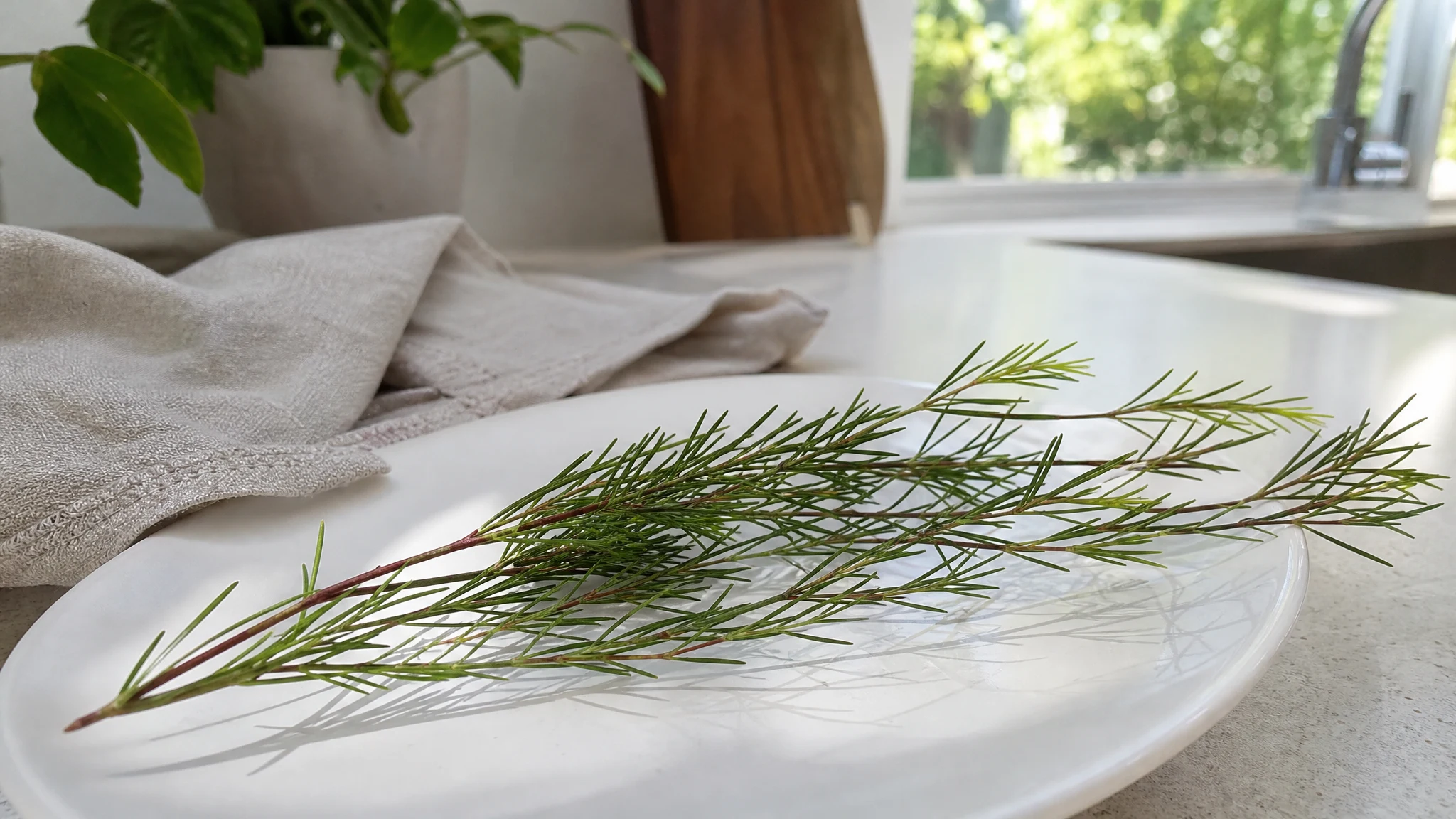
What Does Rosalina Oil Smell Like? Start to Dry-Down
Rosalina opens fresh and green, then softens into a floral, lavender-like sweetness. Smell it the way a perfumer would, on a strip, over a whole day.
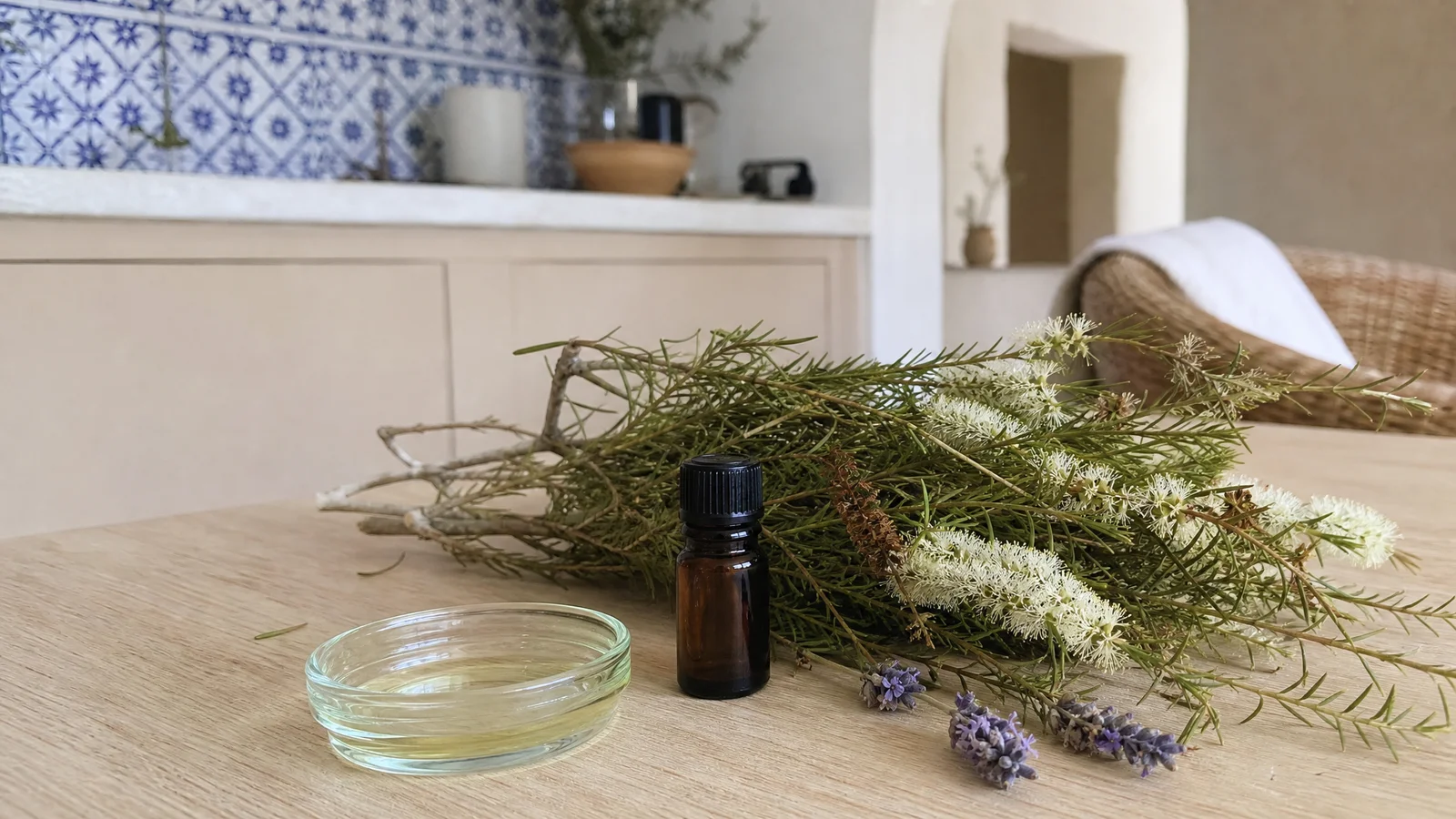
Linalool vs Cineole: What Shapes Rosalina's Scent
Two molecules decide whether a rosalina smells like lavender or camphor. See how linalool and cineole differ, how fast each fades and why storage matters.
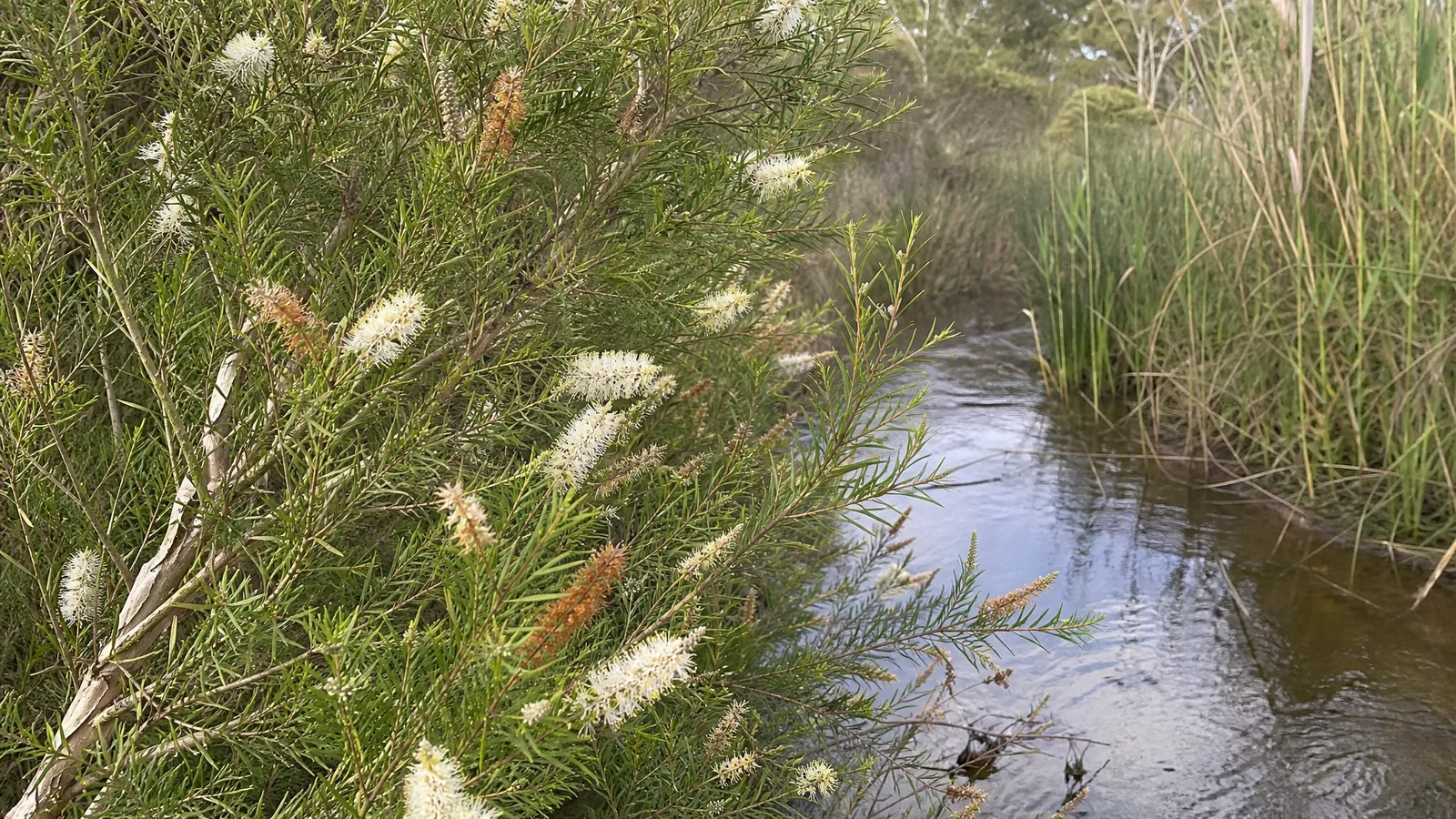
Rosalina Oil History: From a 1797 Name to Today
A species named in 1797, a famous cousin, and a survey that mapped how rosalina oil changes with latitude: the dated record, told plainly.
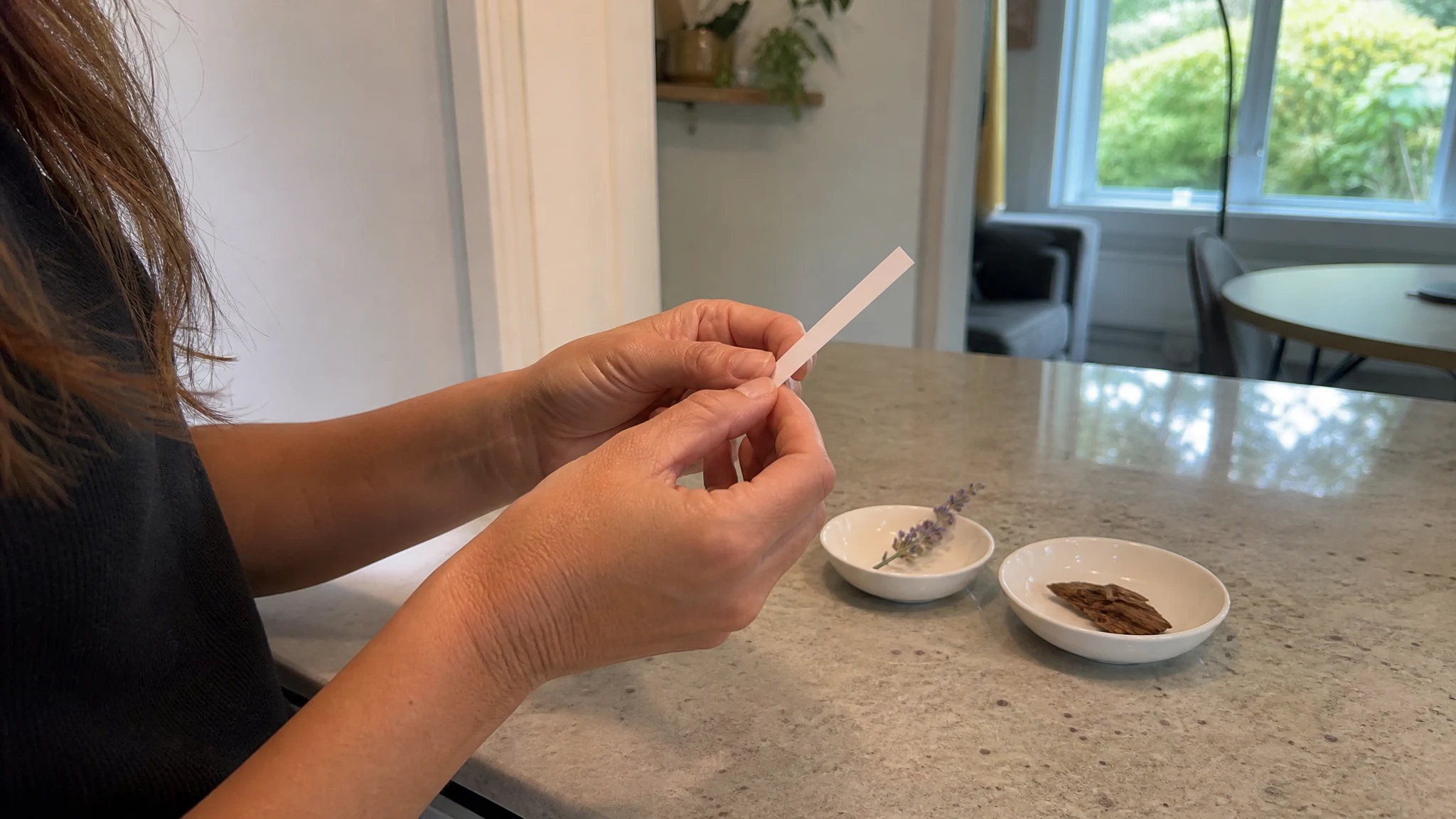
Rosalina in Perfumery: Is It a Bridge Note?
Rosalina can link a bright opening to a floral heart. See how volatility makes it a bridge note, which partners to try and the allergen math for makers.