Essential Oils and Sleep: What the Research Can Say
Scent and sleep is one of the most popular pairings in aromatherapy, and one of the easiest to overstate. The honest picture is a pleasant, modest one: some small studies link aromas with better self-rated sleep, the big clinical guidelines put behavioural therapy first, and a bedroom that smells nice is a matter of taste. Here is how the evidence stacks up, in the order someone with poor sleep would want it.
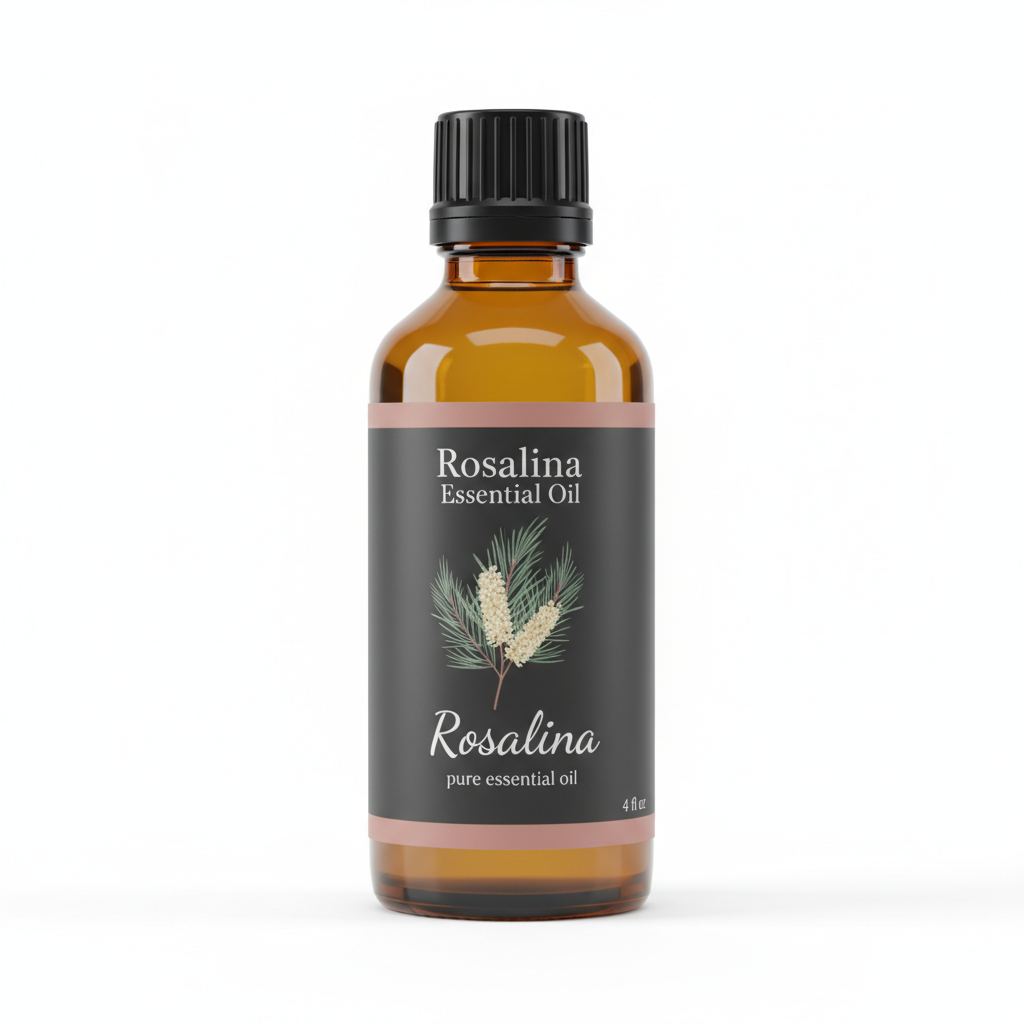
Rosalina Essential Oil
Our own Rosalina Essential Oil, in sizes from 0.5 oz to bulk.
From $16.99
Shop Now →How long has it lasted?
The NHS calls insomnia that lasts under three months short-term and anything longer long-term. It says insomnia often improves by changing sleeping habits, that a GP may offer cognitive behavioural therapy (CBT) to change the thoughts and behaviours that keep you awake, and that a GP will look for what is causing it. So if sleeplessness has gone on for months or is making daily life hard, the useful next step is a conversation with a GP or sleep specialist. An oil is not a stand-in for that.
Start with the free things
Whatever you decide about scent, the ordinary habits come first, and they cost nothing: getting up at a regular time, keeping the bedroom dark and quiet, and giving yourself a wind-down stretch before bed. We are not sleep experts and we would not pretend to be, but the NHS page above leads with exactly this kind of thing, and it is worth reading before you reach for any bottle.
What the guidelines put first
The American College of Physicians guideline on chronic insomnia, by Qaseem and colleagues, recommends CBT for insomnia as the initial treatment for all adults with chronic insomnia disorder, and treats medication as a shared decision for people who have not done well with CBT alone. Essential oils do not appear in it. That is not a snub of aromatherapy so much as a reminder of where the best-tested help lies.
What the scent research found
The main pooled source is a 2015 review by Hwang and Shin. They searched Korean databases for studies from 2000 to August 2013, screened 245 publications, found 13 that qualified and pooled 12 randomised and quasi-experimental trials. Their conclusion was that aromatherapy was associated with better sleep quality, with inhalation looking more effective than massage. It is an encouraging signal, and we read it as exactly that: in those twelve trials, scent exposure and self-rated sleep moved together. The abstract does not tell us which oils were used, how many people took part, or how sleep was scored, so it is hard to say more.
When you meet a headline about scent and sleep, three plain questions help. Who took part? How was sleep measured? And did the people know what they were smelling? Self-rated sleep matters, because how rested you feel is the whole point, but it is also the sort of measure a pleasant smell can nudge. Reading with those questions in mind keeps the excitement in proportion.
The US National Center for Complementary and Integrative Health puts the other side of the same picture plainly: aromatherapy is sometimes used for insomnia, but little rigorous research has been done, so we do not know whether it is helpful. A modest signal across many small studies and a shortage of rigorous ones are the same situation described twice. Our look at what aromatherapy reviews conclude goes further into that.
Where our rosalina fits
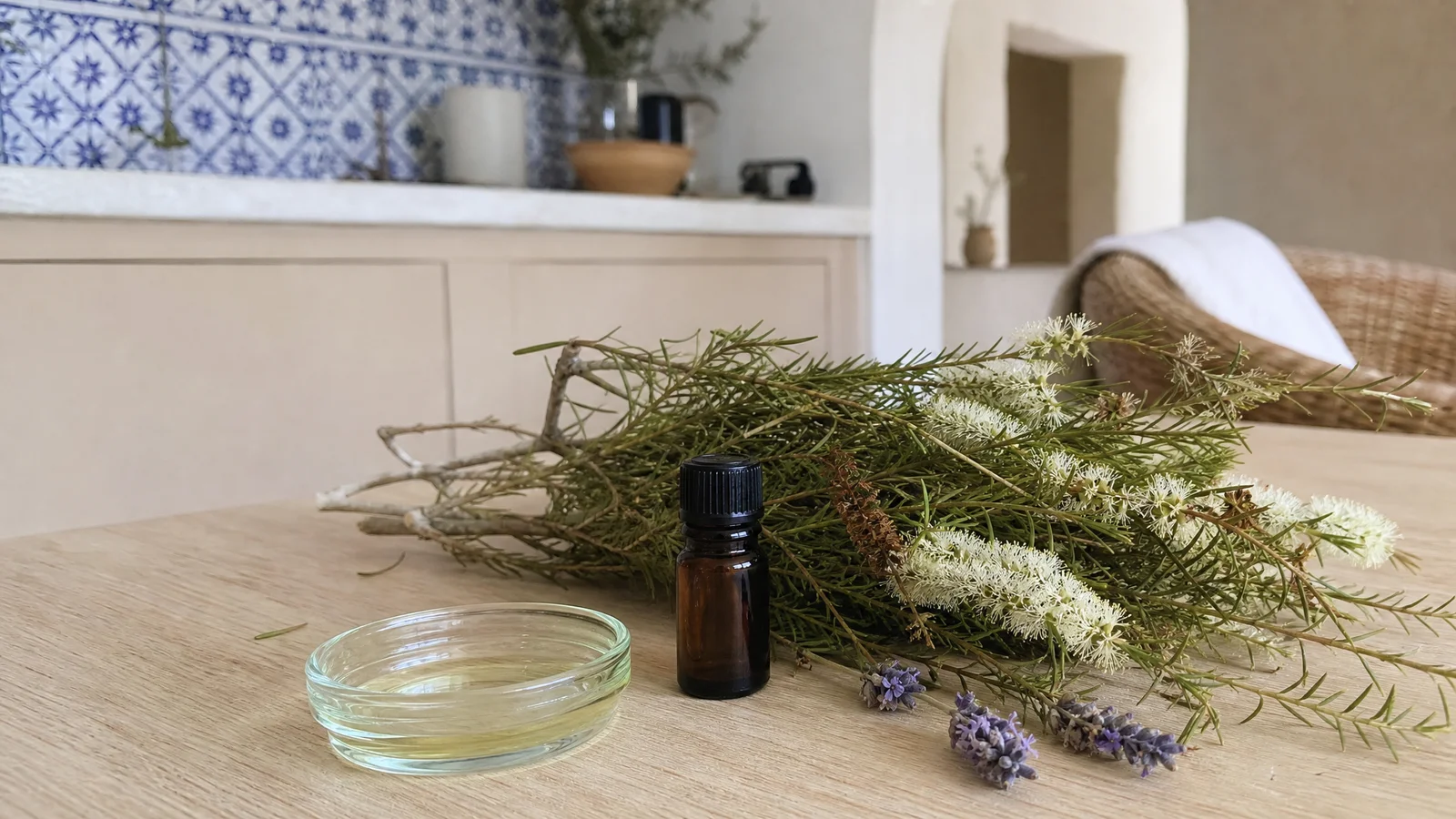
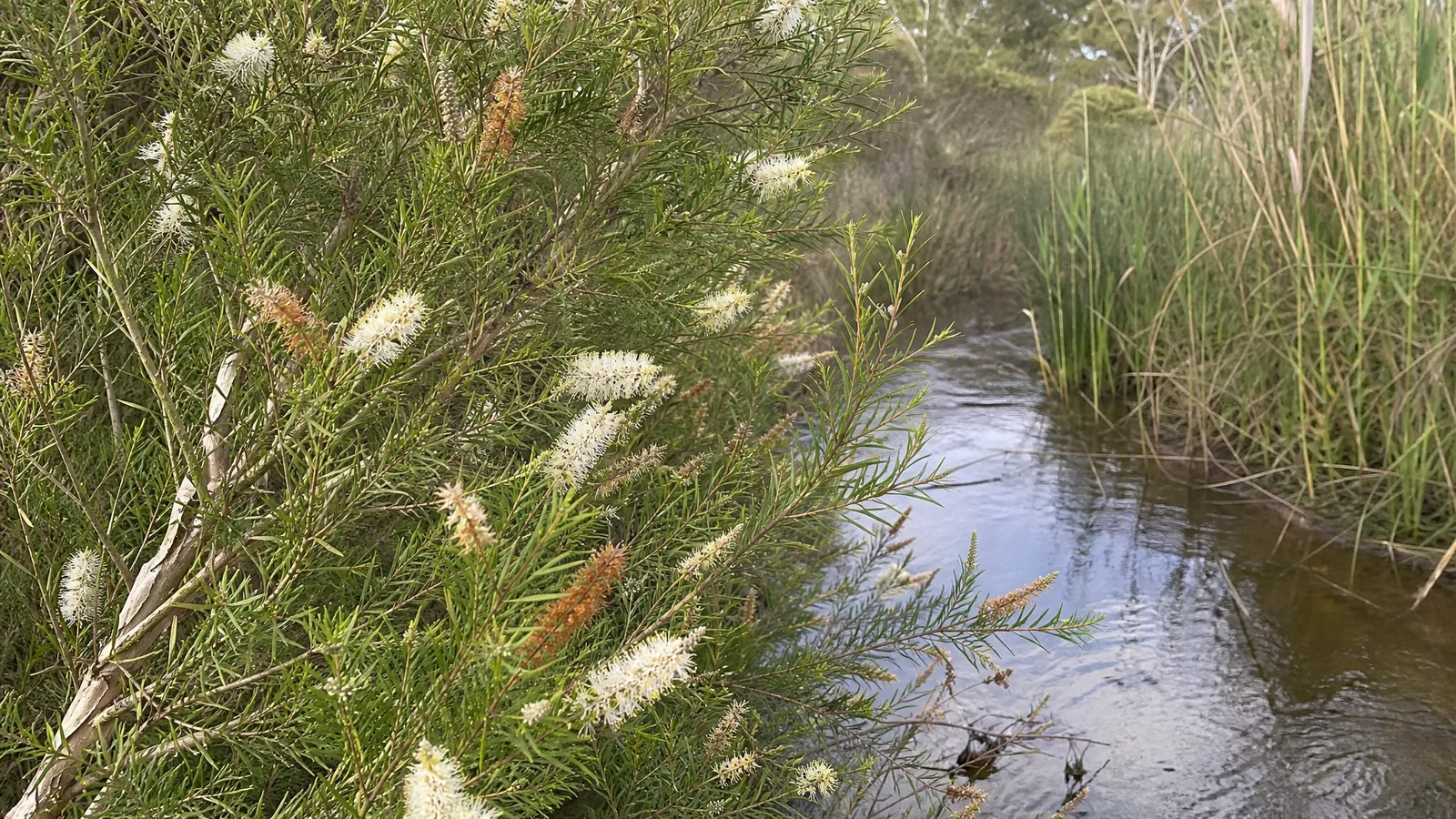
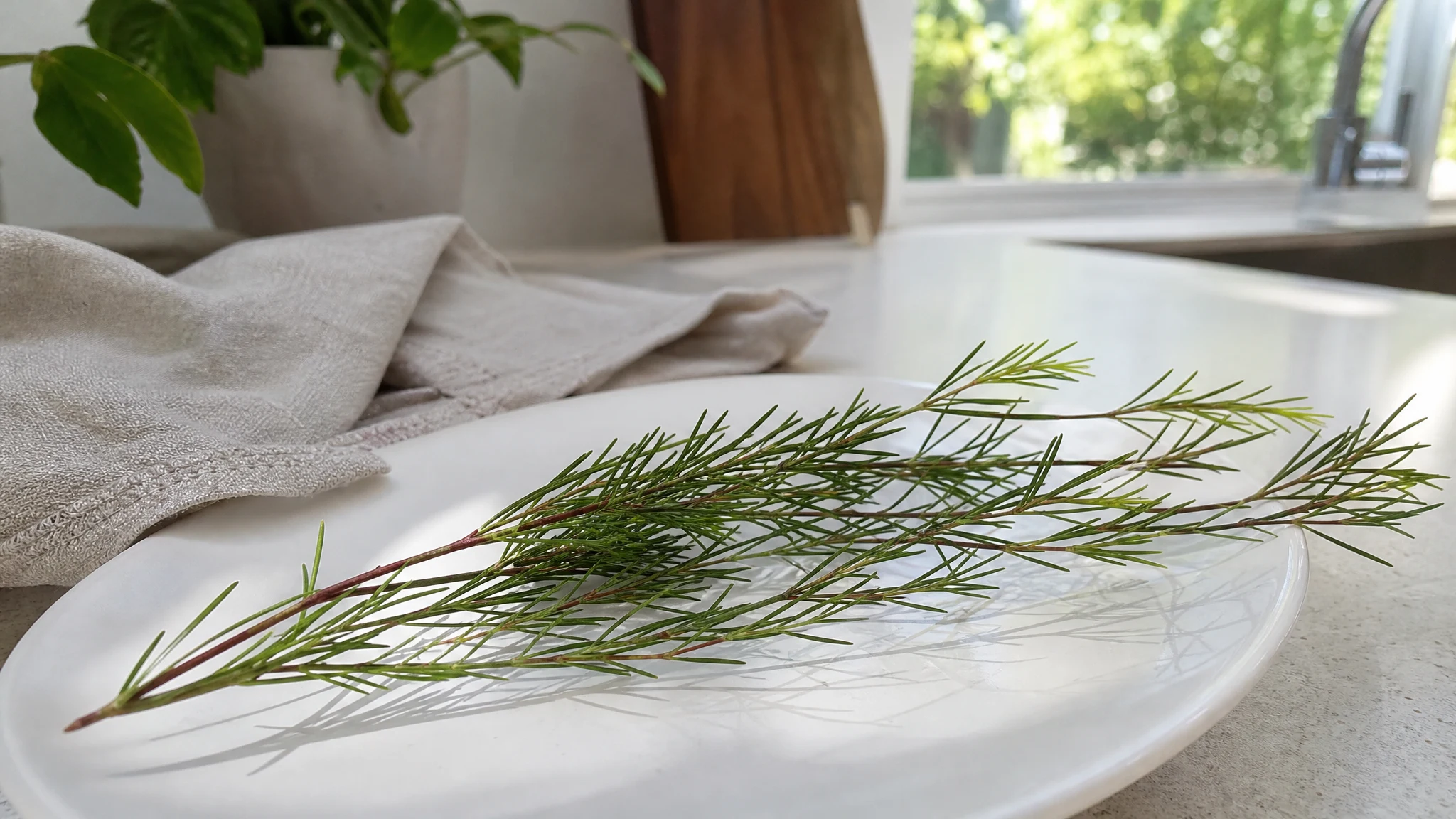
The FDA explains that a product's intended use, shown by its labeling and promotion, decides whether it is treated as a cosmetic or a drug, and that fragrance claims such as helping the consumer sleep would make a product a drug. We sell rosalina as a fragrance oil, so we describe its aroma and leave it at that. Findings about one plant's oil cannot be copied onto a different plant, and the research above does not involve Melaleuca ericifolia. Valarezo and colleagues report in 2026 that oils from rosalina's species fall into at least three chemical profiles. The Certificate of Analysis we publish for one batch lists density and refractive index; if you would like constituent figures, ask us in writing through the contact page.
Choosing a scent you actually like
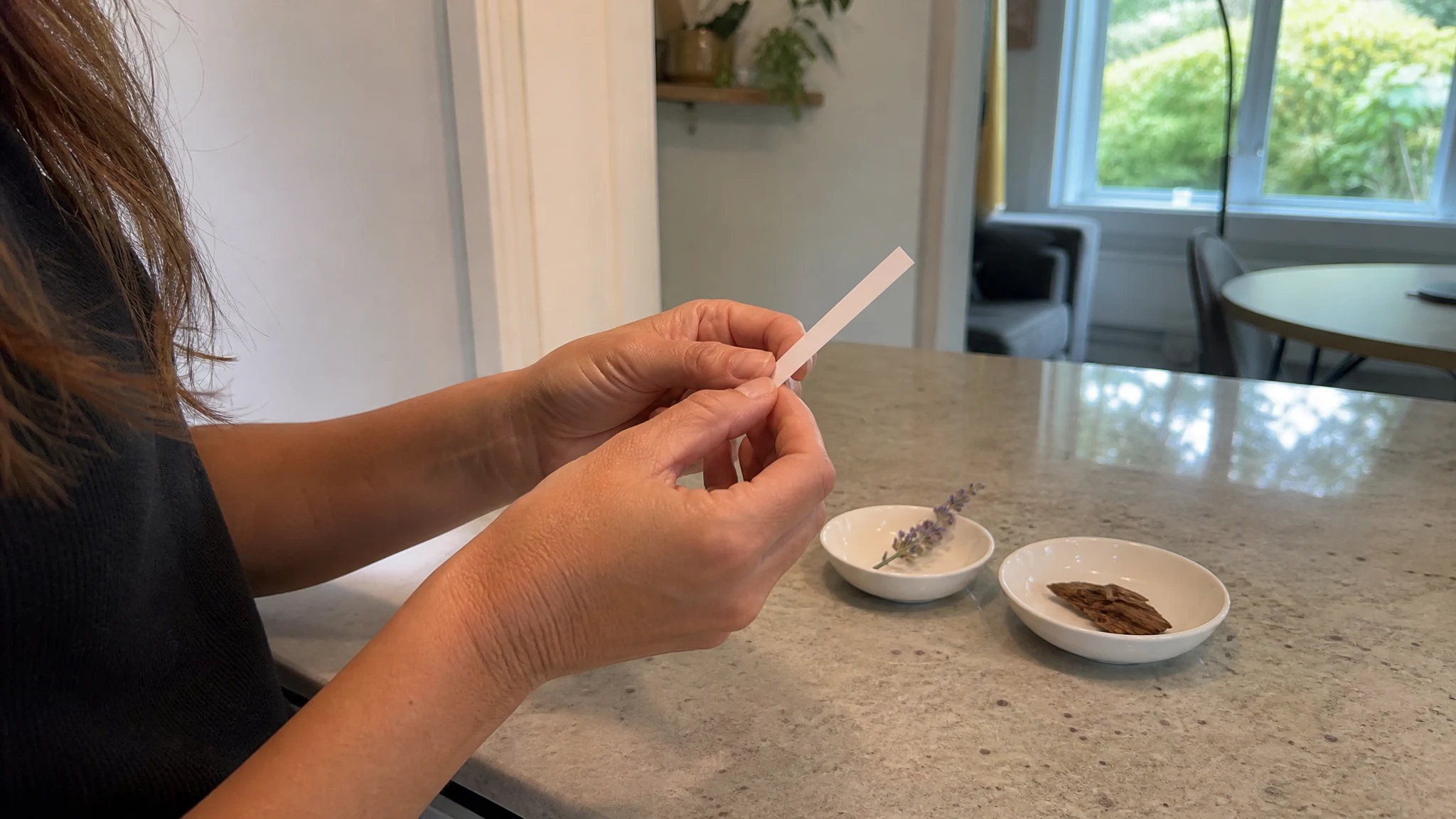
Picking a bedtime scent is a bit like picking a pillow: it is personal, and what is lovely in one room can feel too present in another. Smell any oil in daylight first, from a paper strip rather than the bottle. A scent that seems delicate in the kitchen can feel much bigger in a small bedroom at night, so use less than you think you need.
If you catch yourself thinking about the smell instead of forgetting it, that is your answer: use less, or none. There is no prize for diffusing more.
If you simply like a bedtime scent
That is a perfectly good preference. Our rosalina has a soft, fresh aroma, and our posts on an evening routine and a linen spray treat it as one. Keep the oil off skin unless it is diluted, away from children and pets, and never swallow it: Poison Control notes that aspirating an essential oil can cause pneumonia, and Poison Help is 1-800-222-1222. Your diffuser's manual sets the number of drops, and our diffuser guide shows how to read it. Anything you do for sleep sits best beside the habits the NHS lists, not in place of them.
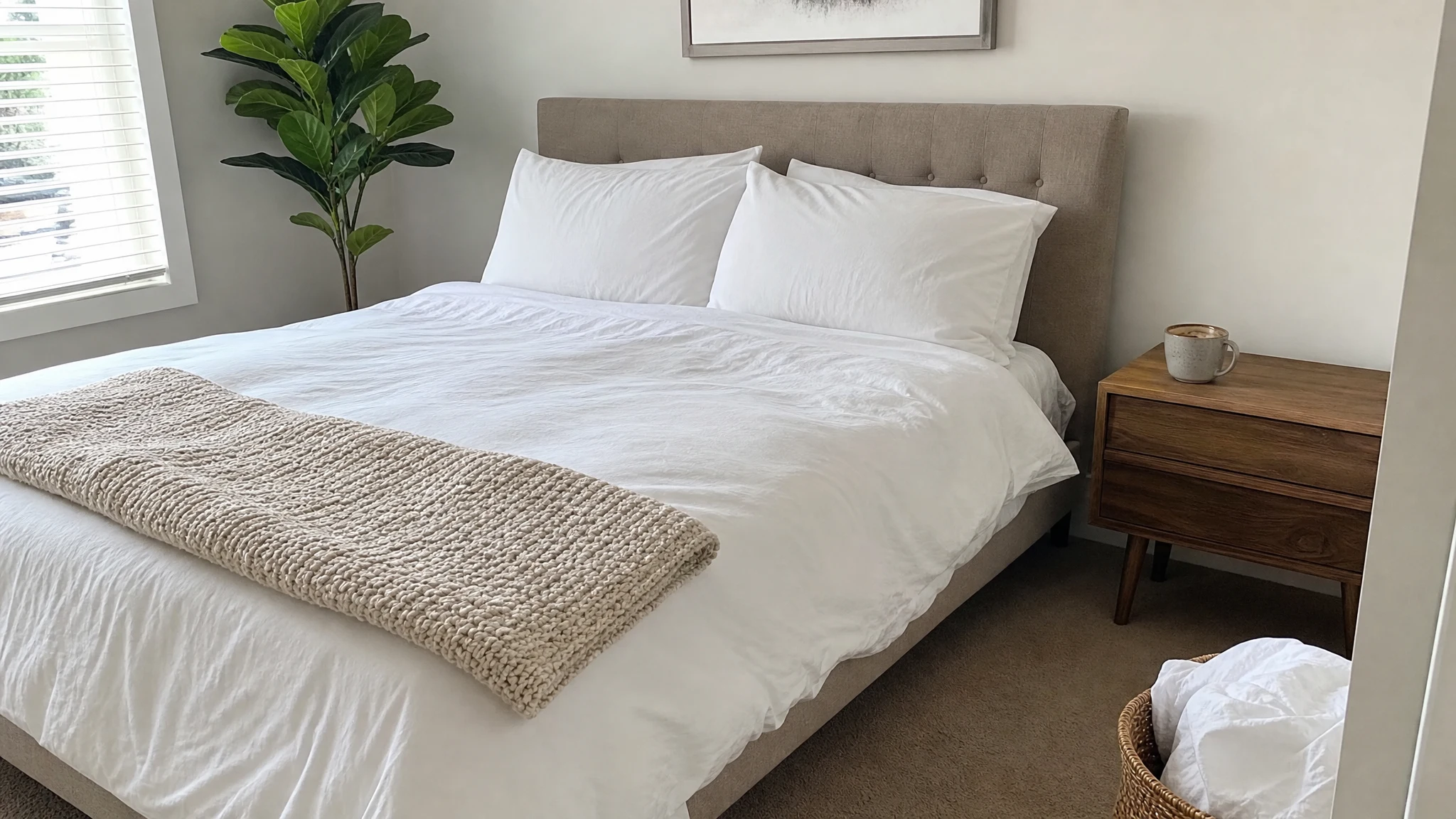
Good sleep is mostly about habits, daylight and, when needed, professional help, with a nicely scented room as an optional extra.
Rosalina Essential Oil
Rosalina Essential Oil from our own shop, in sizes from 0.5 oz to bulk.
From $16.99
Shop Now →Sources & Further Reading
- Insomnia - NHS
- Management of Chronic Insomnia Disorder in Adults: A Clinical Practice Guideline From the American College of Physicians, Qaseem et al., Annals of Internal Medicine, 2016
- The effects of aromatherapy on sleep improvement: a systematic literature review and meta-analysis, Hwang and Shin, Journal of Alternative and Complementary Medicine, 2015
- Aromatherapy | NCCIH
- Is It a Cosmetic, a Drug, or Both? (Or Is It Soap?), US FDA
- Essential Oil of Melaleuca ericifolia Sm.: Chemical Composition, Enantiomeric Distribution, and Antimicrobial, Antioxidant, and Anticholinesterase Activities, Valarezo et al., Molecules, 2026
- Essential oils: Poisonous when misused | Poison Control