Does Aromatherapy Actually Work? A Look at the Reviews
Ask whether aromatherapy works and you will usually get a confident yes or a confident no. The research sits between the two. Reviews of trials report small, short-lived changes in how people rate their own anxiety and sleep, and they say very little about disease. That is a narrower claim than "it works," and understanding the gap is the whole point of this article.
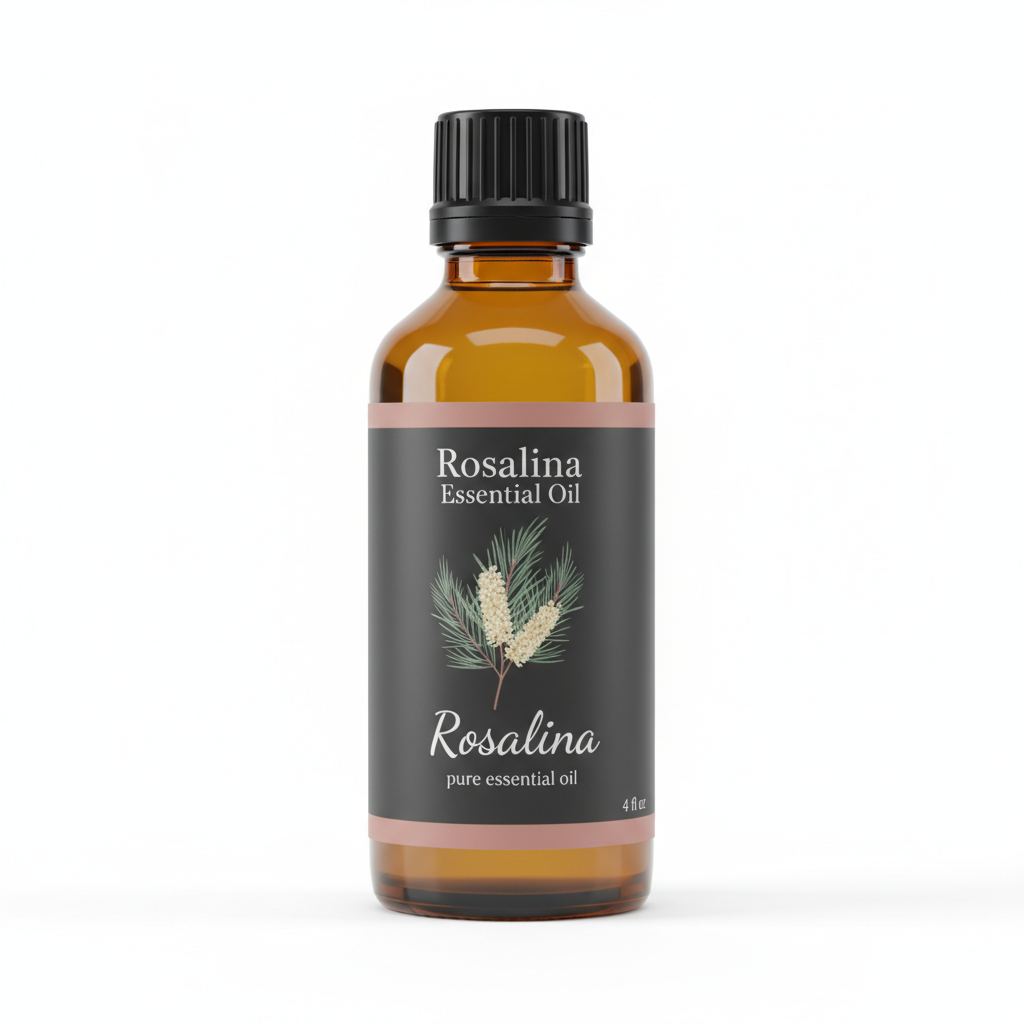
Rosalina Essential Oil
Our own Rosalina Essential Oil, in sizes from 0.5 oz to bulk.
From $16.99
Shop Now →First, which aromatherapy?
The word covers several different things: breathing a scent, having diluted oil massaged into the skin, and in some trials swallowing a standardized capsule. They are not interchangeable, and many headlines blur them. A sleep review by Hwang and Shin, for example, pooled inhalation and massage studies but reported them as separate subgroups. When someone says "studies show lavender helps," a good follow-up is: inhaled, rubbed in, or taken as a pill?
What the reviews found
The oldest review we cite, by Cooke and Ernst in 2000, found twelve randomized trials. Six looked at aromatherapy massage for relaxation, and the authors concluded it had a mild, short-lived calming effect on anxiety that was probably too weak to count as a treatment. They found no rigorous support for other uses, and half of the trials had never been replicated by anyone else.
The tone gets warmer later. Hwang and Shin pooled twelve trials from Korean databases, published between 2000 and 2013, and concluded that aromatherapy improved sleep quality, with inhalation looking stronger than massage. Gong and colleagues pooled 32 trials from 25 articles in 2020 and reported lower scores on a standard anxiety questionnaire, with no side effects mentioned, while noting that the right dose of oil still needs study. The US National Center for Complementary and Integrative Health is more reserved: on insomnia it says we don't know whether aromatherapy helps because little rigorous research has been done.
These do not average into a single number. They span different decades, different search windows and different questionnaires. The sensible reading is that there is a signal in self-reported mood and sleep that reviewers take seriously, and that the same reviewers repeatedly ask for better-designed trials.
Why scent studies are hard to judge
This part is our reasoning about how the trials are built, not a finding from one paper. A person who smells an oil knows they are smelling something. If the outcome is a questionnaire about how rested or relaxed they feel, the result blends the effect of the scent with the effect of expecting one. A control that smells like nothing, or like something else, is not a perfectly masked placebo. Self-rated scores are precisely the sort of outcome that expectation can move, so small differences are hard to pin on the chemistry itself. That does not make a pleasant scent meaningless. It means the honest reason to enjoy one is that you like it.
Why we talk about scent and leave outcomes to the trials
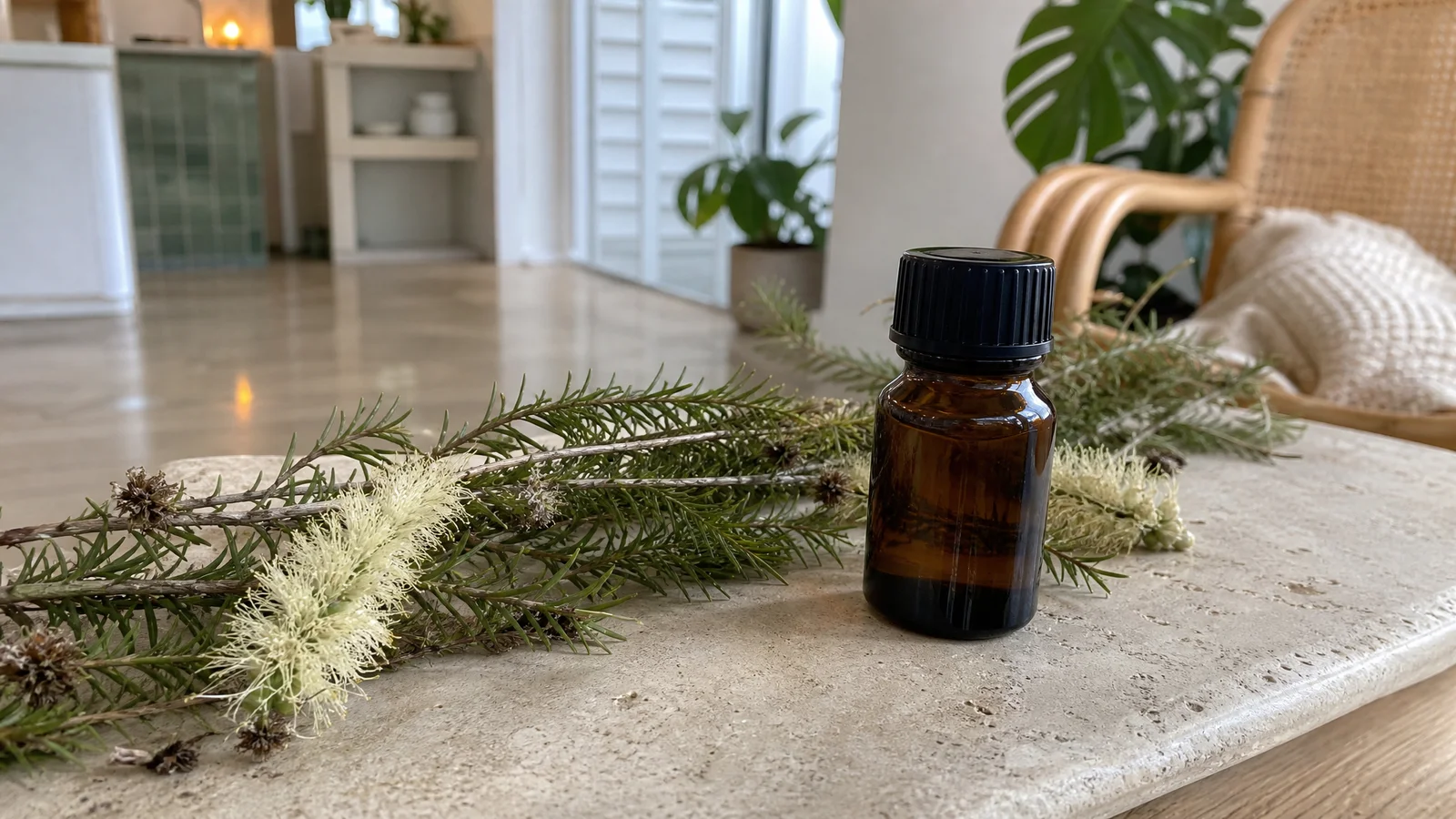
The FDA explains that a fragrance marketed to make someone more attractive is a cosmetic, while a fragrance with certain aromatherapy claims, such as helping a person sleep, meets the definition of a drug because of its intended use. We sell a cosmetic oil, so we describe it by what we can stand behind: a soft, fresh, lavender-like aroma with a green opening and a floral sweetness. We make no promise about sleep, stress or mood, and none of the studies above tested rosalina oil. We searched the published literature for human trials on the species and did not find one.
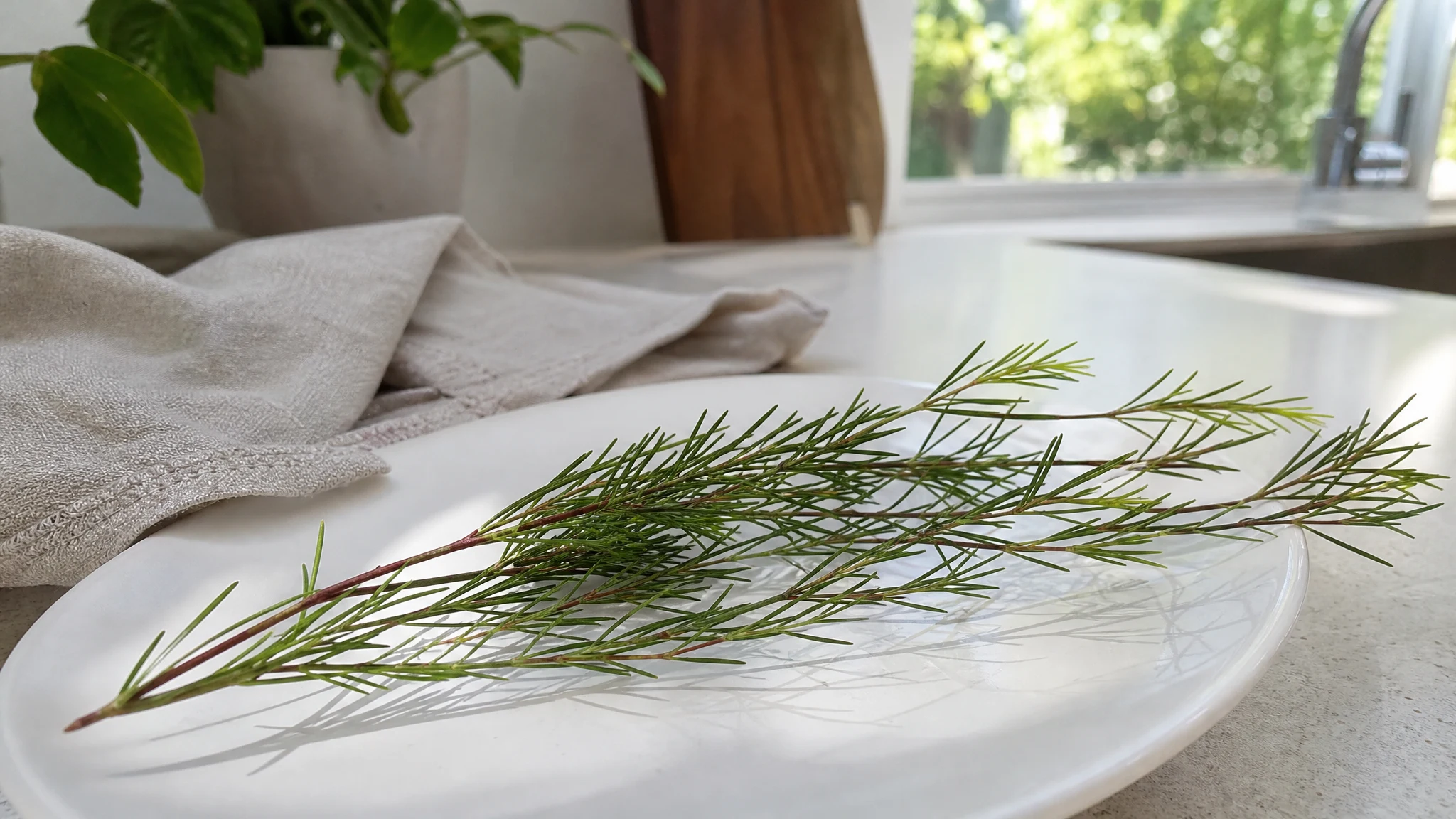
For rosalina, the interesting story is the plant itself, and our introduction to rosalina oil and the piece on ways to enjoy it pick that up. If you want the evidence on specific concerns, our articles on sleep and stress go through the trials one topic at a time.
How to enjoy a scent sensibly
None of this means you should skip scent. It means choosing it the way you would choose a candle or a good soap: because you like it. Notice how a room smells when you walk in, and pay attention to whether a scent still pleases you ten minutes later. Our noses tire quickly, so a smell that seemed rich at first often fades from notice, and adding more is rarely the answer. Open a window now and then and let the room reset.
It also helps to keep the use light and the sessions short. A scent you notice gently, and then forget about, is usually the one you keep enjoying. If you share a space, ask the people who live there what they think, since one person's favorite can be another person's least favorite. And keep bottles away from children and pets.
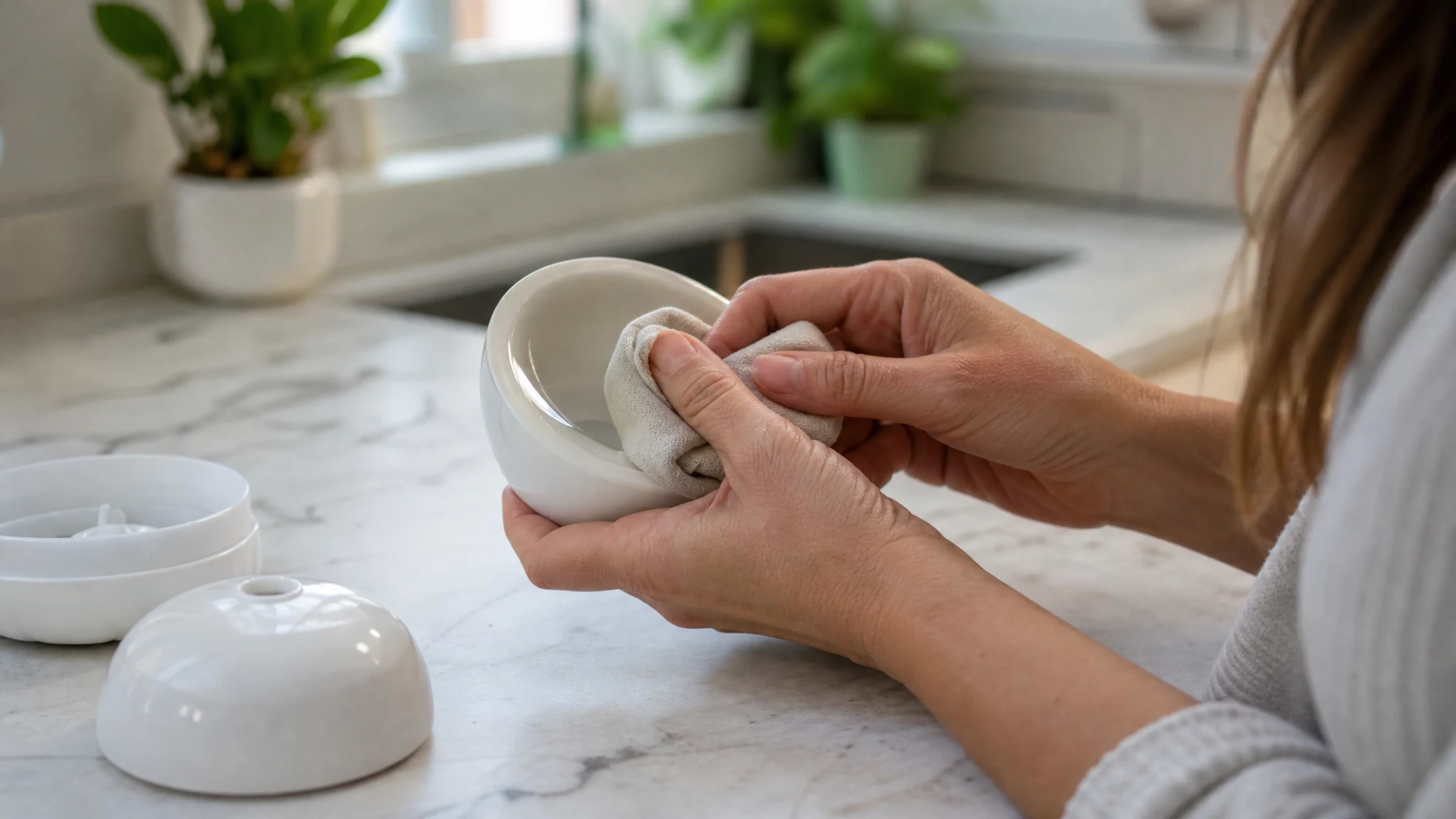
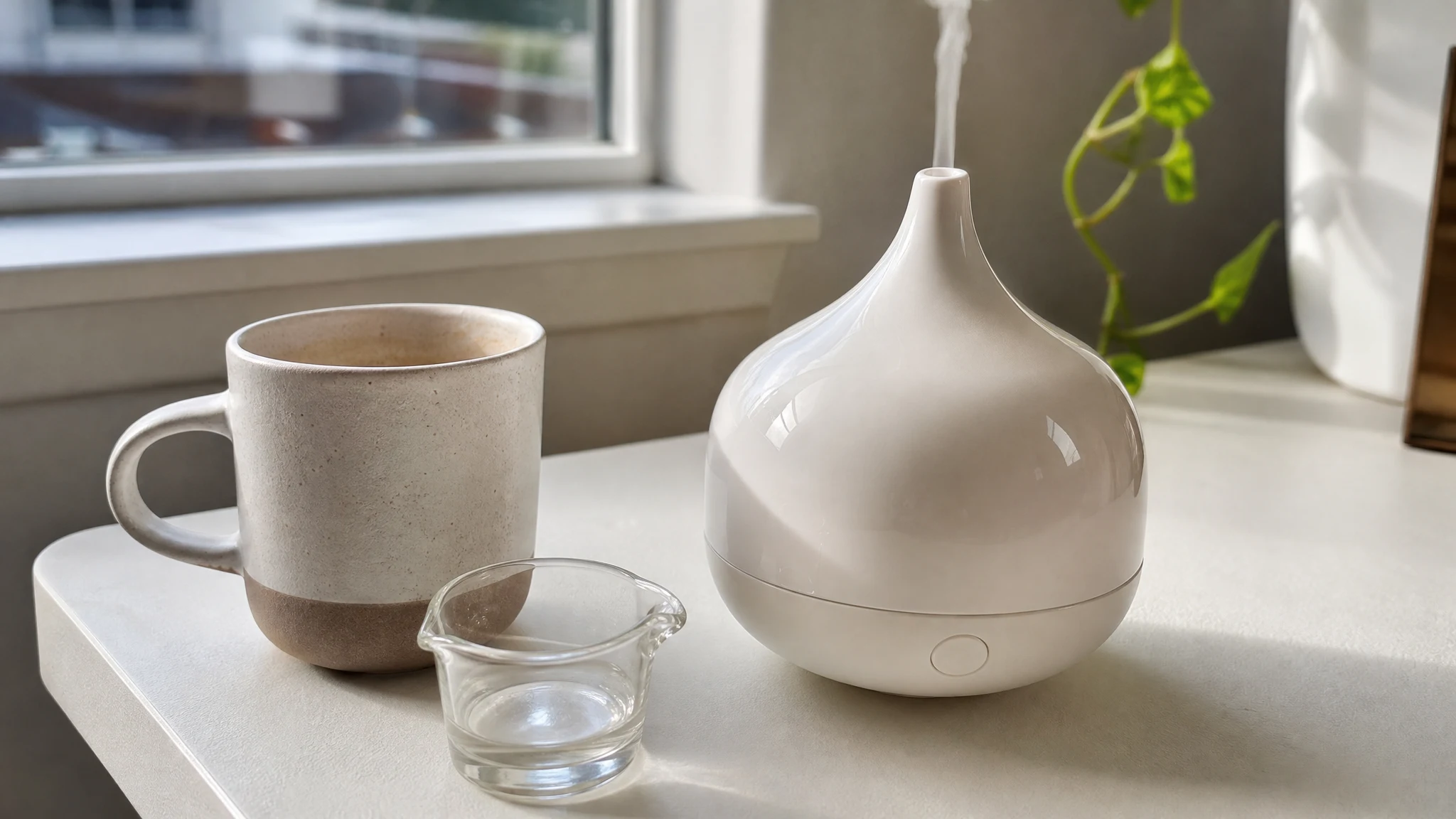
Keep it simple: one oil, a modest amount, a clean diffuser or a lightly scented cloth. You will learn what you like faster that way than by mixing five oils at once.
Who to ask instead
If trouble sleeping keeps going or is getting in the way of daily life, the NHS page on insomnia points to a GP as the person to see. For persistent stress or anxiety, a physician or licensed therapist is the right person, and in the United States you can call or text 988 at any time. If anyone has swallowed an essential oil, call Poison Help at 1-800-222-1222.
Aromatherapy is a lovely thing to enjoy, and a perfectly reasonable one to be curious about. Treat the scent as a pleasure, and take any symptom to someone trained to assess it.
Rosalina Essential Oil
Rosalina Essential Oil from our own shop, in sizes from 0.5 oz to bulk.
From $16.99
Shop Now →Sources & Further Reading
- Cooke B, Ernst E, 2000. Aromatherapy: a systematic review. Br J Gen Pract.
- Hwang E, Shin S, 2015. The effects of aromatherapy on sleep improvement: a systematic literature review and meta-analysis. J Altern Complement Med.
- Gong M, Dong H, Tang Y, Huang W, Lu F, 2020. Effects of aromatherapy on anxiety: A meta-analysis of randomized controlled trials. J Affect Disord.
- NCCIH, January 2020. Aromatherapy
- FDA, Is It a Cosmetic, a Drug, or Both? (Or Is It Soap?)
- NHS, Insomnia
- Poison Control, Essential oils: Poisonous when misused