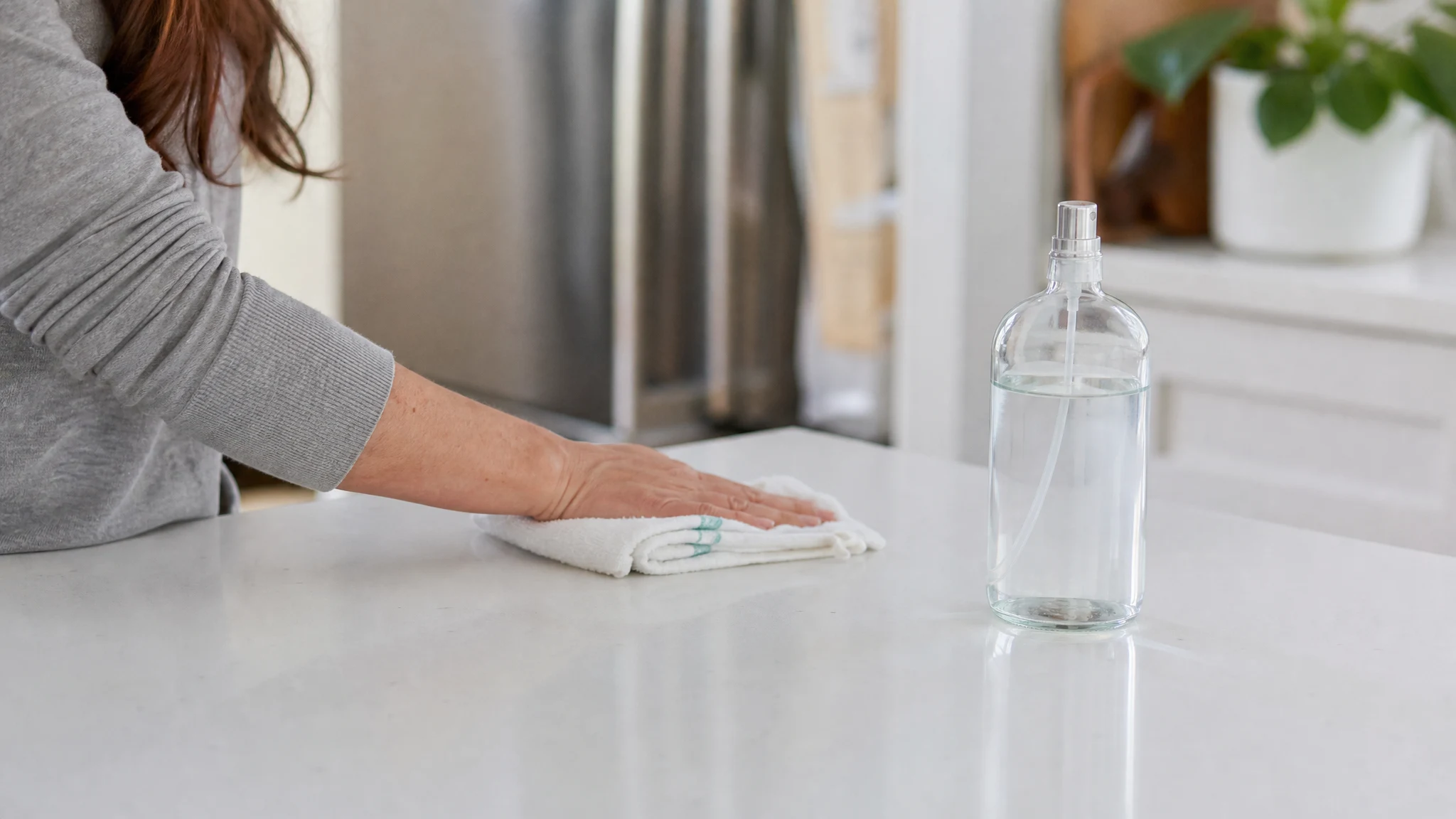
Homemade All-Purpose Cleaner: How Much Scent to Add
The easiest thing to get wrong in a homemade all-purpose cleaner has nothing to do with essential oil. It is pouring vinegar into a bottle that already holds soap. Get that one decision right and the rest of the formula is easy: a soap-and-water spray with a whisper of rosalina scent, kept small and mixed so the oil does not simply float on top.
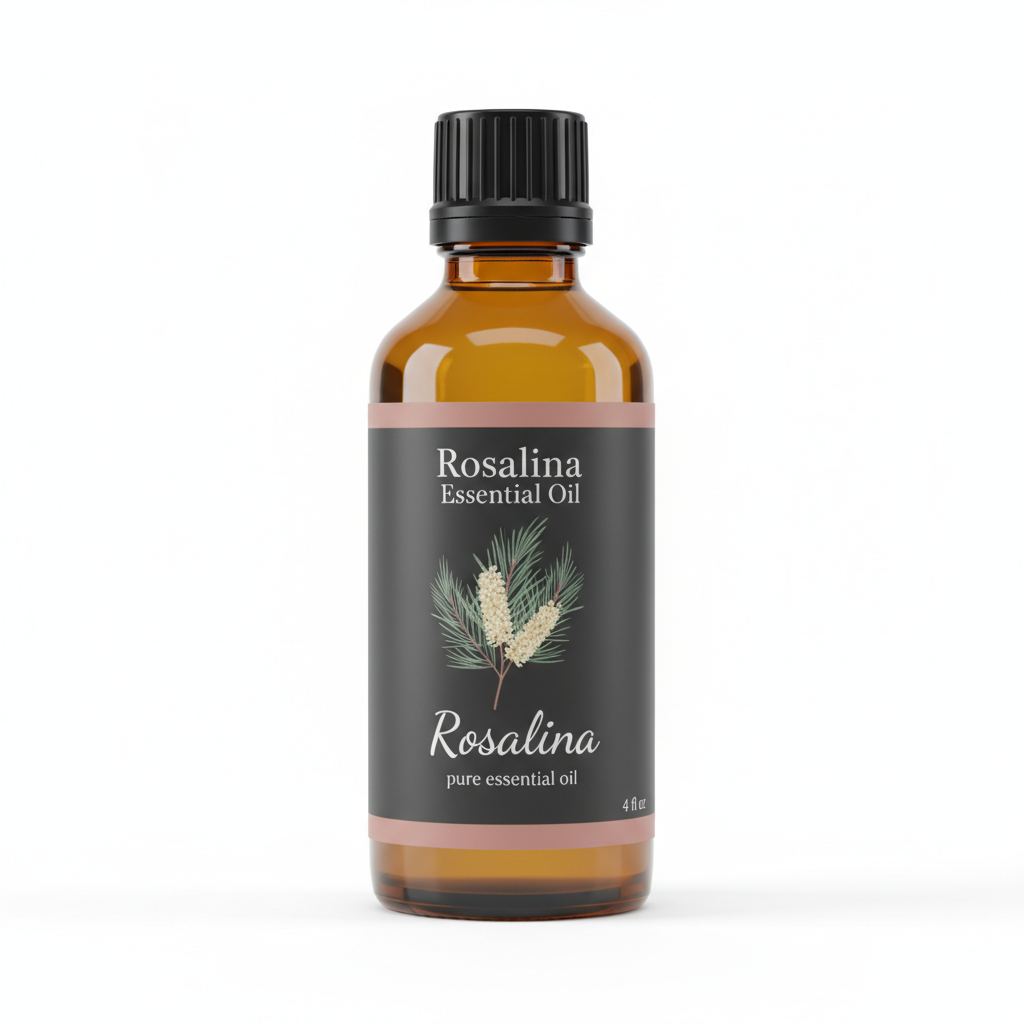
Rosalina Essential Oil
Our own Rosalina Essential Oil, in sizes from 0.5 oz to bulk.
From $16.99
Shop Now →Pick a base: soap or vinegar, never both
A soap-based spray is water plus a small amount of the liquid soap or dishwashing detergent you already use, at the strength its own label gives for general cleaning. A vinegar spray is vinegar diluted in water. A bottle with both undoes itself. Lisa Bronner, writing for the castile soap maker Dr. Bronner's, explains that vinegar is an acid and true soap is alkaline, so the vinegar breaks the soap down into fatty acids and leaves a curdled, oily-feeling mess with no cleaning power. Her page is about castile soap specifically, and many dishwashing products are synthetic detergents, so the reaction may not apply to them. Keeping the two apart is the easy way to avoid finding out.
Stone is another reason to choose soap. The Natural Stone Institute warns that products containing lemon, vinegar or other acids may dull or etch calcareous stones such as marble, limestone and travertine, and recommends mild, non-acidic cleaners. Granite and other silicate stones handle kitchen acids better, though the Institute still does not recommend acidic cleaners for them. So a soap base is the safer default, and a scented vinegar spray belongs away from stone altogether.
How much oil
For a spray you wipe off, very little is plenty. We suggest starting at 0.1%, and going no higher than 0.2%. This is our own conservative figure for a surface cleaner, and it is not a regulatory limit. Our skin guidance of 0.5% to 2% is for oil diluted in a carrier for leave-on use, a different job entirely. The arithmetic, using about 20 drops per ml and the 0.890 relative density measured on the batch in the Certificate of Analysis we publish, looks like this.
| Bottle | At 0.1% | At 0.2% |
|---|---|---|
| 250 ml | 0.25 ml, about 5 drops | 0.5 ml, about 10 drops (about 0.45 g) |
| 500 ml | 0.5 ml, about 10 drops | 1 ml, about 20 drops (about 0.89 g) |
| 1 litre | 1 ml, about 20 drops | 2 ml, about 40 drops (about 1.8 g) |
Droppers vary, so weigh the oil if the number matters. Starting low also fits the research on air quality: in a room-chamber study of cleaning products, Singer and colleagues found that diluted products released a far smaller share of their terpenes than full-strength ones, though that study looked at pine-oil and limonene products, not rosalina.
Keeping the oil mixed
Because the oil is lighter than water, it collects at the top of the bottle and the first sprays smell strongest. A solubilizer is the usual fix, a surfactant that holds oil droplets in suspension. We do not sell one, so look at a craft or cosmetic-supply shop and follow the ratio on the product's data sheet. As one example, Formula Botanica says the ratio of essential oil to a natural solubilizer usually runs from 1:4 to 1:8, and that a mix which is not clear at first can take up to 24 hours to turn transparent. By that example, 1 ml of oil takes 4 to 8 ml of solubilizer. If you would rather skip it, shake the bottle before each spray, or simply leave the scent out. Never respond to separation by adding more oil.
Putting it together
- Choose the soap base and start at 0.1%.
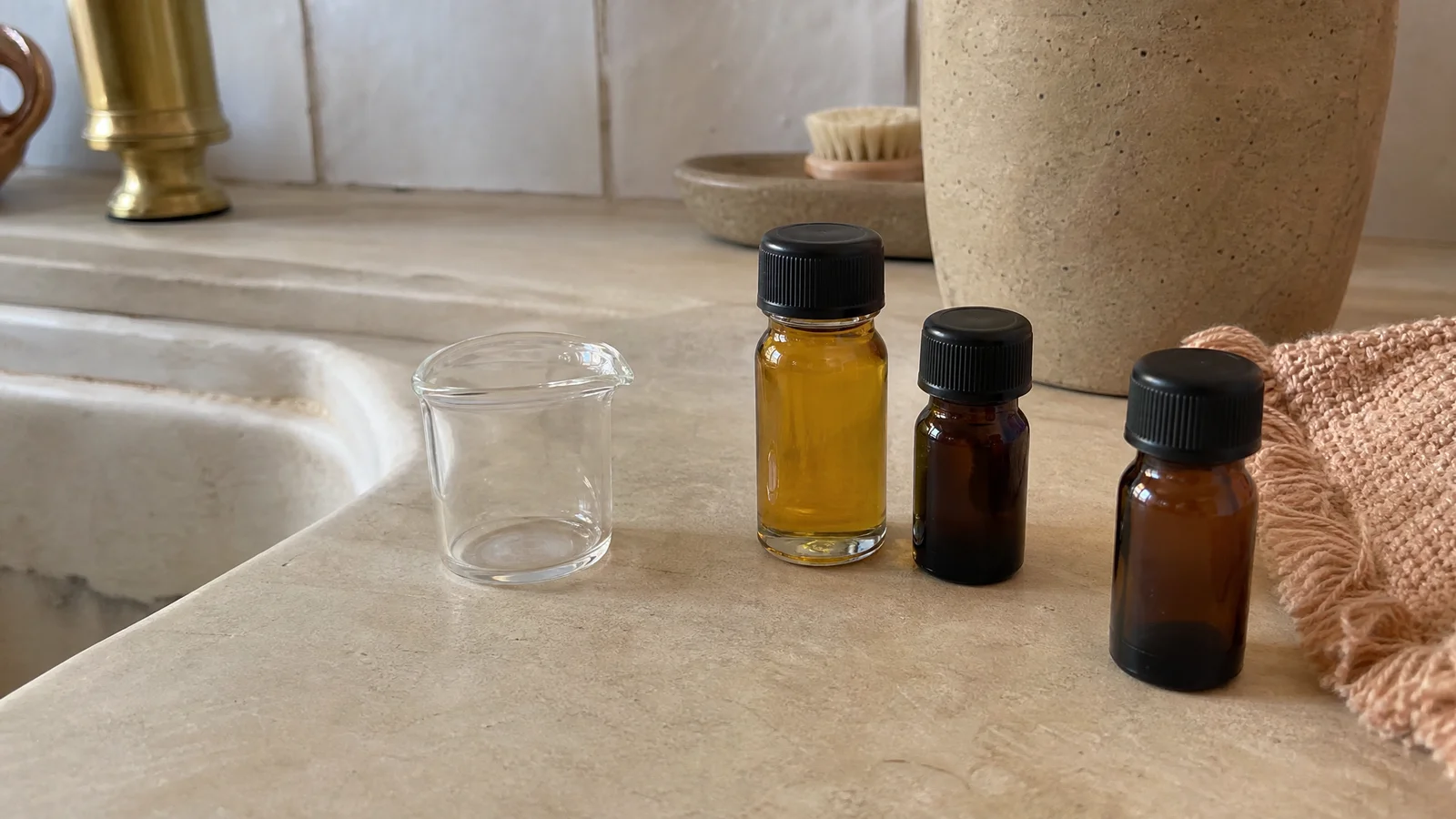
- Stir the oil into your solubilizer in a small cup, then add water as the product directs.
- Add the soap last and stir gently so it does not foam.
- Label the bottle with the date and ingredients, and make a small batch. A water-based soap mix can spoil (this is reasoning, not a measured shelf life), so discard it if the smell changes or it turns cloudy or slimy.
- Try a hidden spot first and look for dulling, a ring or tackiness once it dries.
A word on the smell itself
Rosalina has a soft, fresh, lavender-like aroma with a green opening, and in a cleaner you want it to be a hint and not a headline. After you spray and wipe, the room should smell clean first and lightly of the oil second. If you can catch the scent from across the room, there is too much in the bottle, and the next batch should have less. It is much easier to add a drop to a small batch than to live with a bottle that is too strong.
What this spray is, and is not
It is a pleasant, lightly scented soap spray. The EPA says cleaning removes dirt using soap or detergents and that it regulates cleaning products only when they sanitize or disinfect, so please don't label this bottle with germ claims or use it in place of a registered disinfectant. Never mix it with bleach, ammonia or drain cleaner, and keep liquid off electronics, outlets and appliance controls by spraying a cloth. Our guide to scenting cleaners covers where scent fits more broadly.
The ASPCA's Animal Poison Control Center says cats are especially sensitive to essential oils and would not recommend using any in areas where pets have access, unless the pets are supervised or a veterinarian approves. It also suggests letting cleaned surfaces dry before animals return. Rinse your hands after use, store the oil and the finished bottle out of reach of children, and call 1-800-222-1222 in the US for any swallowing. For a quick freshening spray for a room or linen, our pillow mist article is the closer fit, and the renters routine suits small spaces.
Start with the cleaner you already trust, add the scent last, and let it be a finishing touch.
Rosalina Essential Oil
Rosalina Essential Oil from our own shop, in sizes from 0.5 oz to bulk.
From $16.99
Shop Now →Sources & Further Reading
- Lisa Bronner, Why You Shouldn't Mix Castile Soap and Vinegar
- Natural Stone Institute, Learn About Cleaning Products for Natural Stone
- Formula Botanica, How to use a Natural Solubiliser
- Singer BC, Destaillats H, Hodgson AT, Nazaroff WW, 2006. Cleaning products and air fresheners: emissions and resulting concentrations of glycol ethers and terpenoids. Indoor Air 16(3):179-191.
- US EPA, What's the difference between products that disinfect, sanitize, and clean surfaces?
- ASPCA, Pet Poisons: Be Mindful of these Household Products and Cleaning Agents