Freshening a Small Apartment With Rosalina Oil
In a studio, the bedroom, kitchen and living room are one room, which means the air you freshen is also the air you sleep in and cook in. That is a good reason to treat scent as a finishing touch and to set the order of operations carefully: source first, air second, aroma last.
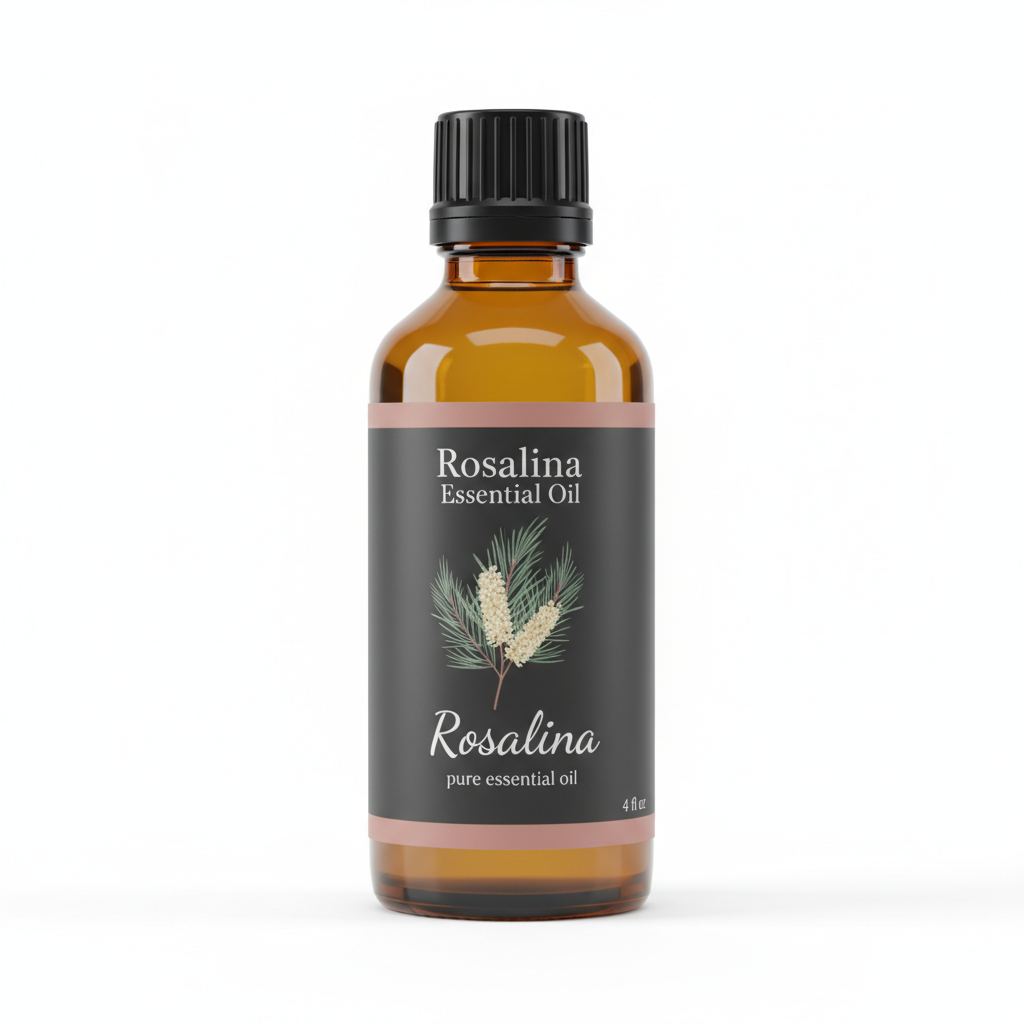
Rosalina Essential Oil
Our own Rosalina Essential Oil, in sizes from 0.5 oz to bulk.
From $16.99
Shop Now →Start with the source
The EPA calls source control "usually the most effective way" to improve indoor air and lists ventilation and air cleaners as the other strategies (Improving Indoor Air Quality). For a renter, source control is not glamorous: the trash, the sink drain, damp towels, the refrigerator, shoes by the door. Fix what you can reach before you add anything. Our piece on odor control explains why covering a smell is the last step.
Then move some air
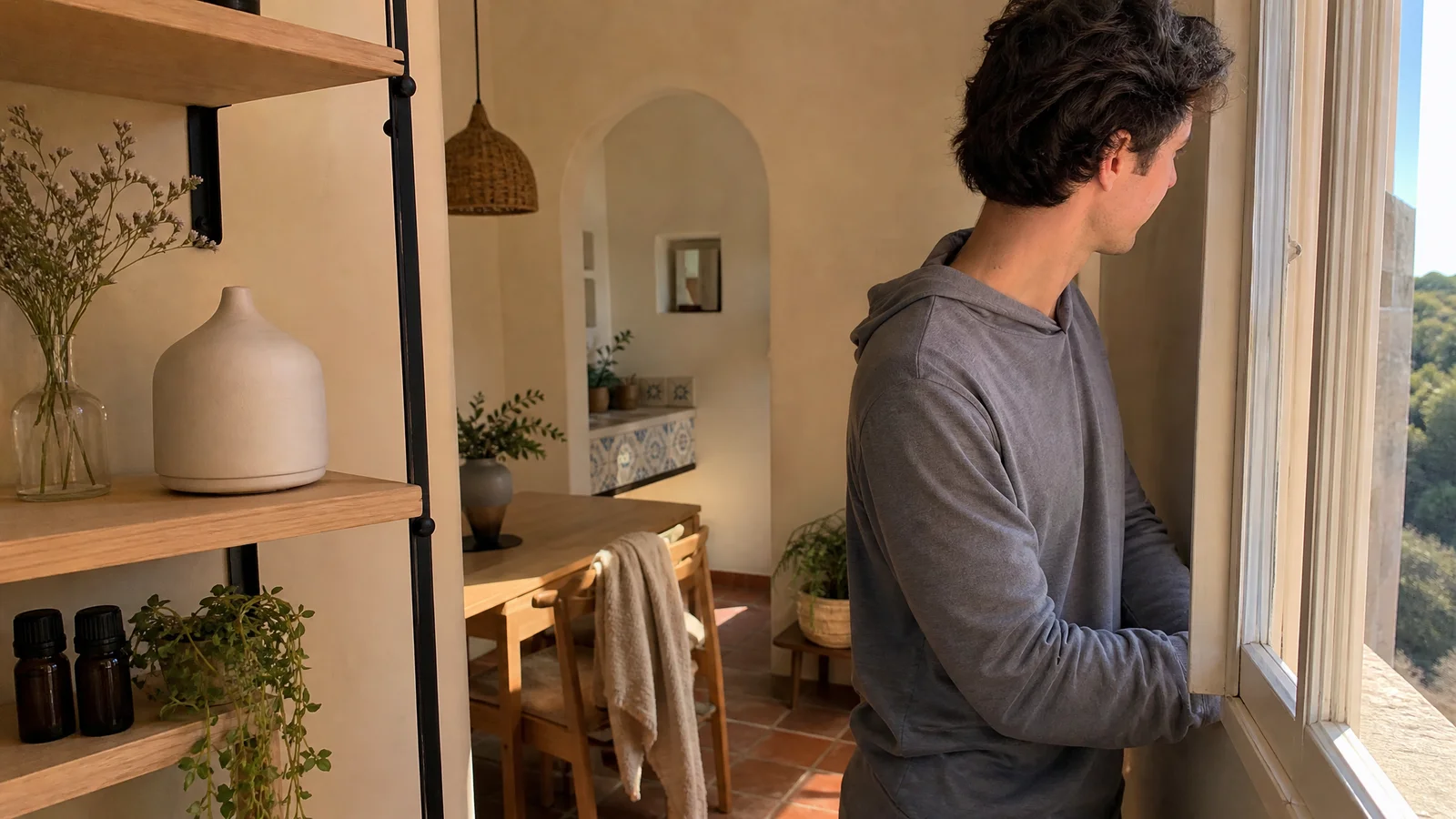
The same EPA page says opening windows and doors, and using bathroom or kitchen fans that exhaust outdoors, lifts the outdoor ventilation rate and clears contaminants from the room where the fan sits, which matters most during short, high-pollution jobs like cooking. Its introduction to indoor air adds that tightly built buildings can hold higher pollutant levels because less outdoor air gets in (Introduction to Indoor Air Quality). A couple of open windows for ten minutes after cooking is the cheapest freshener there is.
Choose how you scent a small room
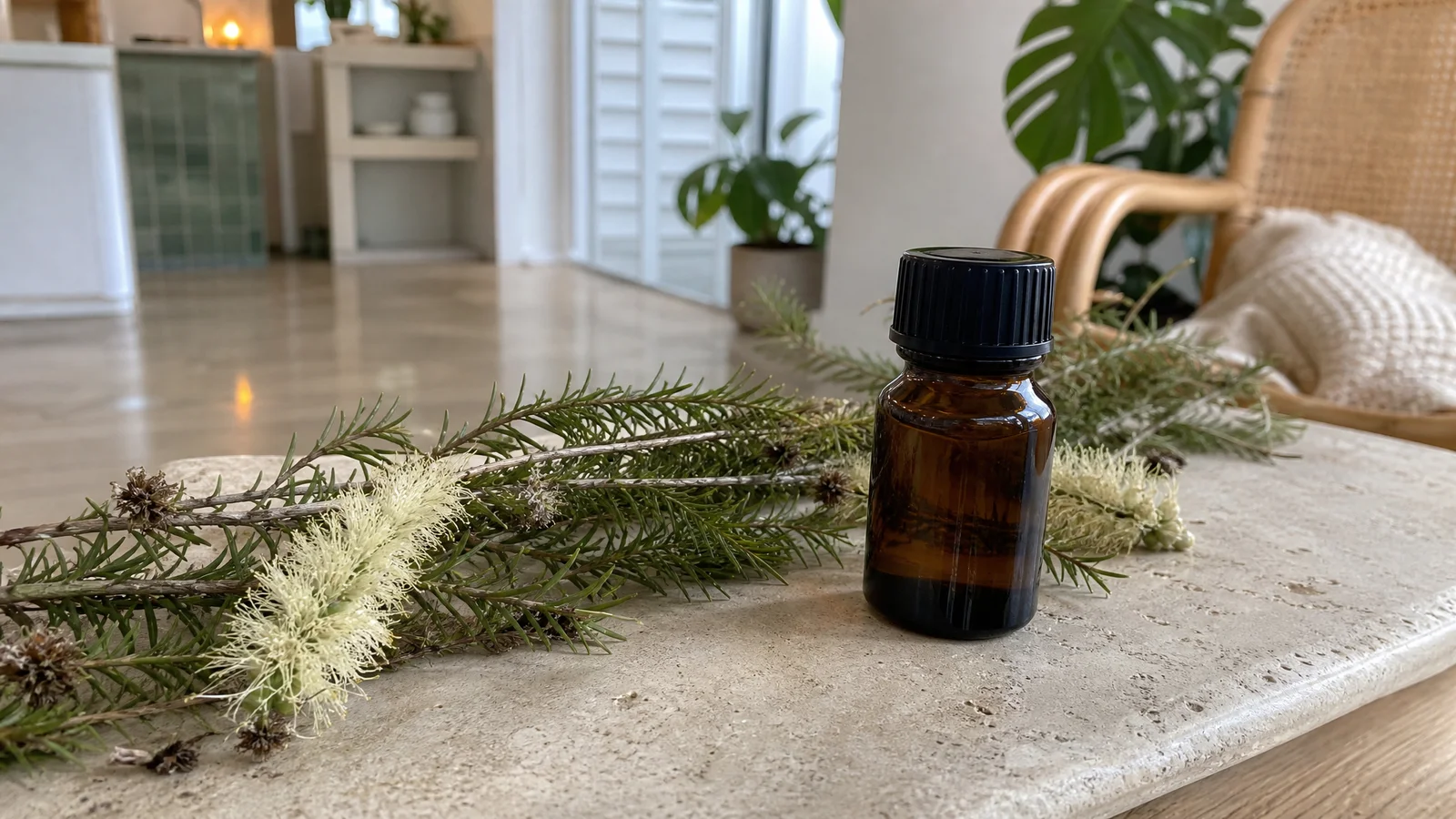
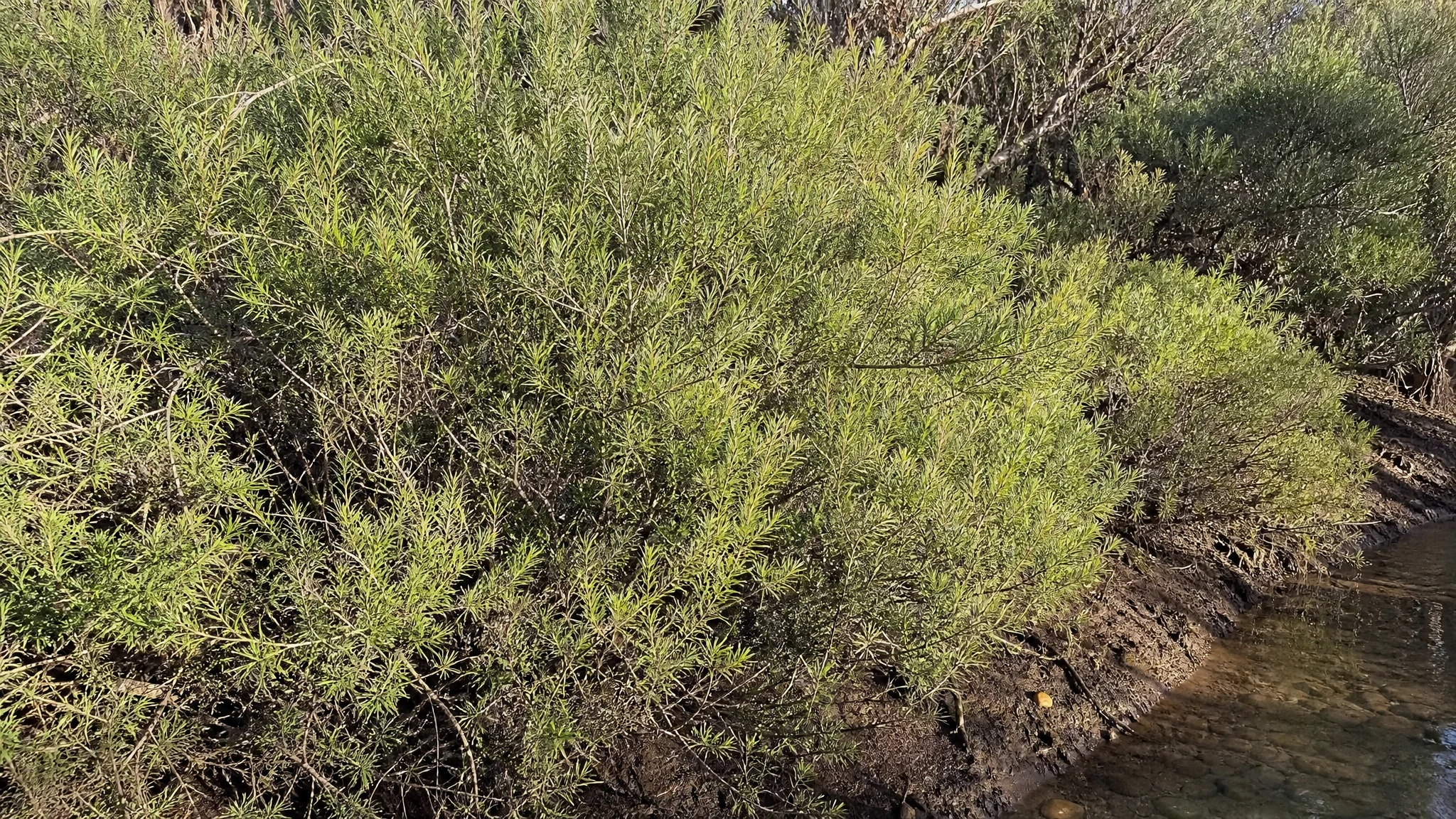
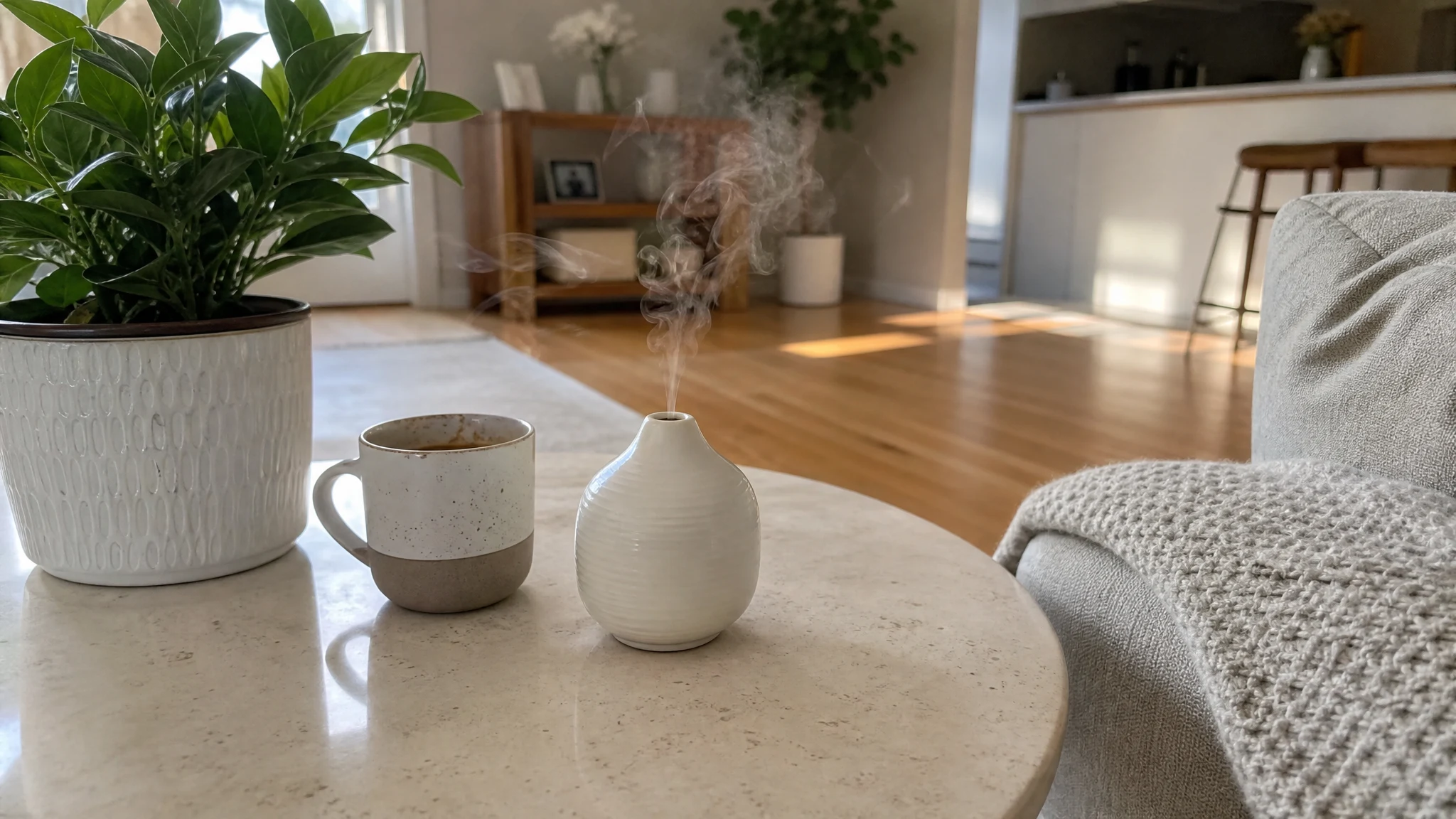
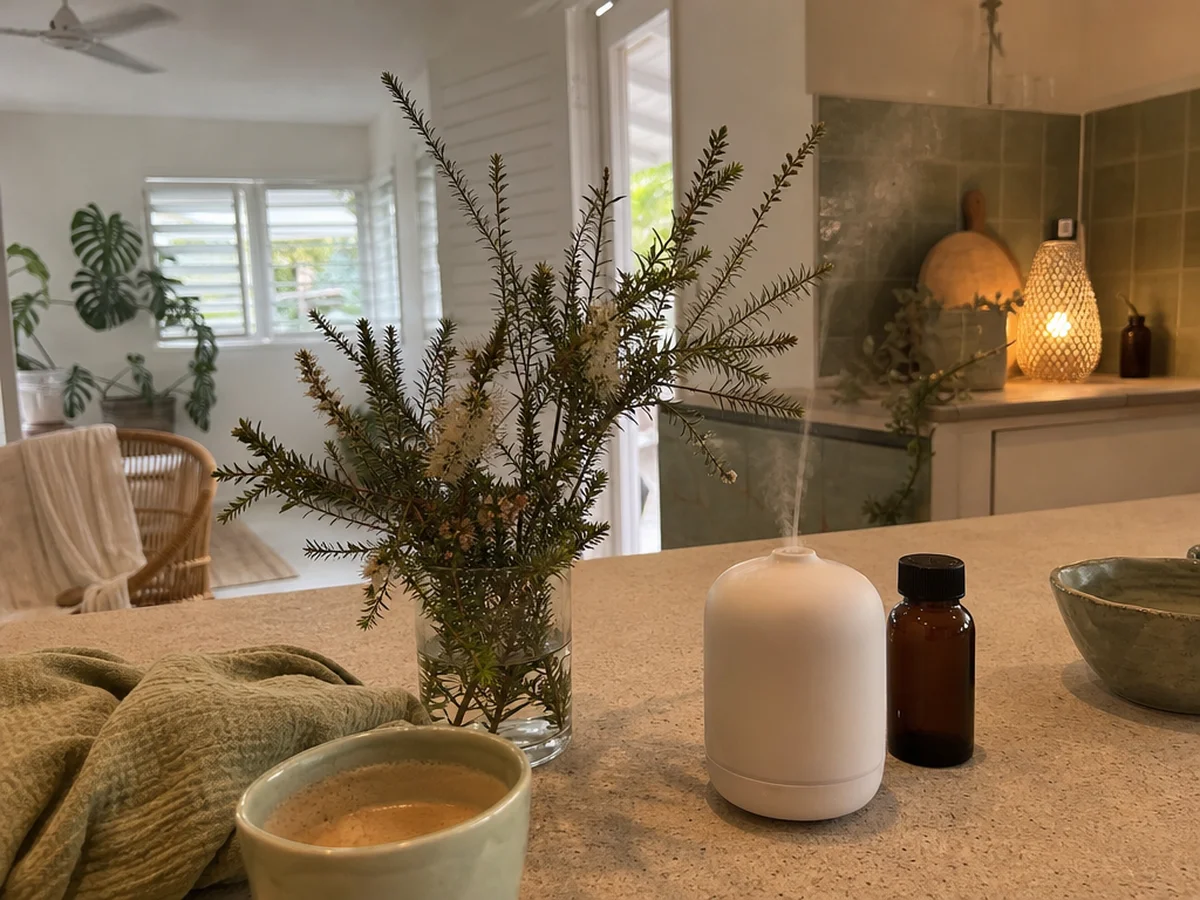
If you want rosalina's aroma, which our shop describes as soft, fresh and lavender-like with a green opening, a diffuser is the usual choice. Small rooms deserve a gentle touch, and two studies give a sense of why.
- Ultrasonic diffuser, chamber test. In 15 minutes, a diffuser running lemon oil released about 2.6 mg of d-limonene, and one running eucalyptus about 3.5 mg of eucalyptol. The authors also found that tap water gave roughly five times the fine-particle emission of deionised water in the eucalyptus test, and concluded that reasonable use can add noticeably to indoor particulate matter (Volatile organic compound and particulate matter emissions from an ultrasonic essential oil diffuser).
- Tea tree oil in a simulated home. The ultrasonic diffuser stayed under the exposure limits the authors compared against, while a heat diffuser pushed several terpenes above long-term derived no-effect levels (Volatile organic compound and particle emissions from the use of tea tree oil in essential oil diffusers).
Neither used rosalina, so they guide the size of the effect and not a result for our oil. Still, the direction is plain, and our reading is: ultrasonic rather than heat, distilled water, short sessions, and a window you can crack open. Small volumes mean higher concentrations, so as an illustration only, 3.5 mg of one compound spread through a 72 cubic metre studio (30 square metres at 2.4 m) would average about 0.05 mg per cubic metre if none left the room. Real rooms lose some to ventilation and surfaces; sealed ones do not.
Mind the smaller spaces
In a studio, the corners matter. Put the diffuser on a stable surface a little away from the bed and the cooking area, and notice where the scent drifts. A bookshelf or a counter near the window usually spreads it more evenly than a nightstand does, and you will need fewer drops to fill the room.
Fabric soaks up smells, so a studio with a sofa, curtains and a bed holds on to whatever you cook. Washing the throw blankets and letting the curtains breathe does more for the room than any bottle, and then a faint touch of scent is just the finishing note.
Dose and timing
The Tisserand Institute offers 3 to 5 drops per 100 ml of water as a rule of thumb, calls it a guideline, and says intermittent diffusion is best (Essential Oil Applications | Inhalation, Diffusion and Topical Applications). In a studio we would use the low end, the interval setting if the machine has one, and sessions measured in an hour or so rather than a night. Our diffuser setup guide and drops article go further, and the types comparison helps you pick a machine.
Lease-friendly details
- Flame. The Tisserand Institute says essential oils are flammable and should not be used in close proximity to a naked flame, and does not recommend burners lit with a candle flame. Many leases ban candles anyway, so an electric diffuser is the simpler path (Safety Guidelines).
- Surfaces. Neat oil on a finished floor or laminate counter is a deposit question. Keep the bottle upright and capped, and wipe spills at once.
- Neighbours. Scent travels into hallways. A short, low-dose session is the courteous setting.
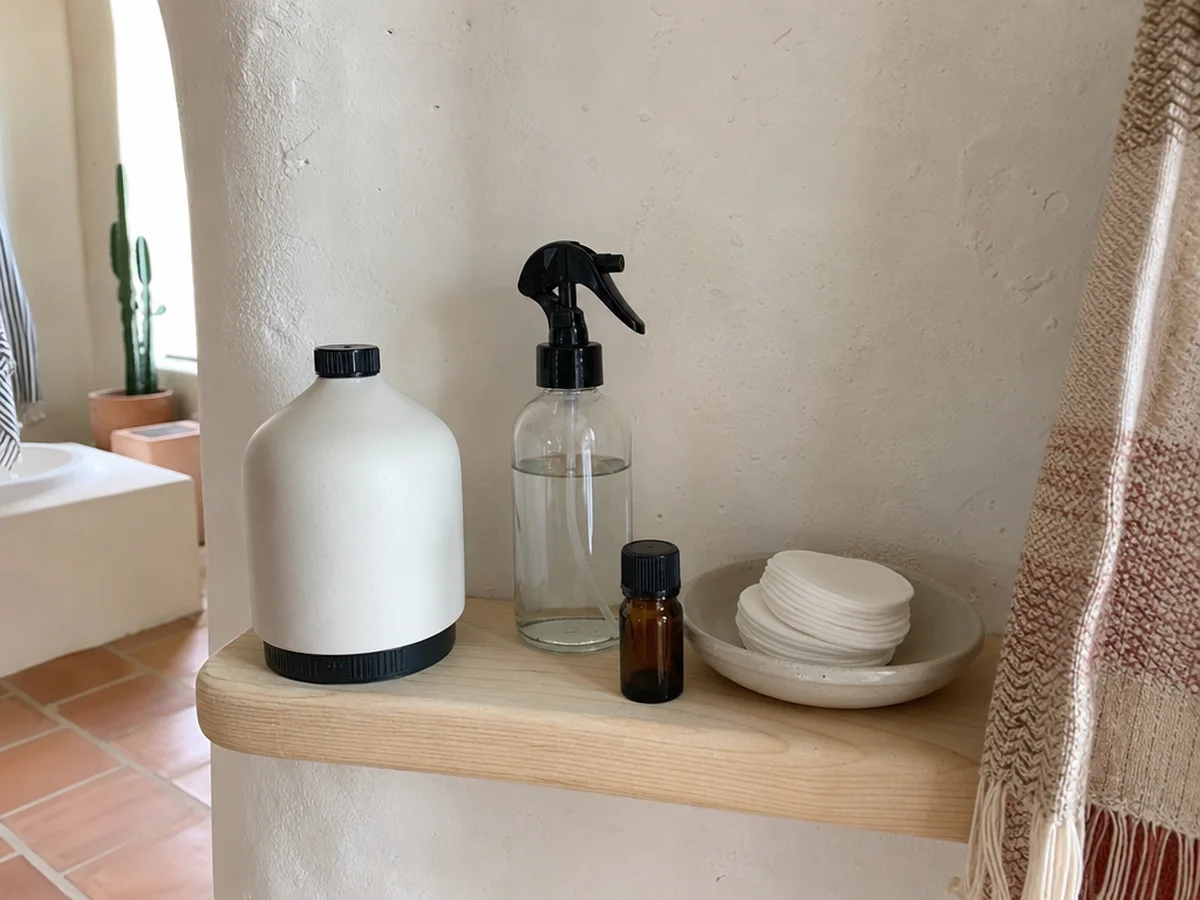
- Reed diffusers. Poison Control notes that the liquid is essential oil in rubbing alcohol and belongs out of children's reach (Essential oils: Poisonous when misused). We do not sell diffusers, so look at a home goods store.
Make it a small ritual
Scent works best when it has a moment. Open the window after cooking, wipe down the counters, then switch the diffuser on for a short session while you tidy up. Your nose also gets used to a smell within minutes, which is why people keep adding drops. If you cannot smell it any more, step outside for a minute and walk back in before you reach for the bottle.
Sharing one room
With no closed door to hide behind, we keep our guidance plain: keep the oil away from eyes, children and pets, and ask a pediatrician or veterinarian about scent when a child or animal shares the space. The Tisserand Institute advises some fresh-air exchange whenever oils are diffused. If you want to know what is in our oil before you scent a small room with it, ask us in writing through the contact page, since the Certificate of Analysis we publish for one batch lists density and refractive index, not constituents.
Clear the source, open the window, then let a few drops of something soft finish the job.
Rosalina Essential Oil
Rosalina Essential Oil from our own shop, in sizes from 0.5 oz to bulk.
From $16.99
Shop Now →Sources & Further Reading
- Improving Indoor Air Quality, US EPA
- Introduction to Indoor Air Quality, US EPA
- Schwartz-Narbonne H, Du B, Siegel JA, 2021. Volatile organic compound and particulate matter emissions from an ultrasonic essential oil diffuser. Indoor Air
- Zisook RE et al., 2025. Volatile organic compound and particle emissions from the use of tea tree oil in essential oil diffusers. Journal of Occupational and Environmental Hygiene
- Safety Guidelines, Tisserand Institute
- Essential Oil Applications | Inhalation, Diffusion and Topical Applications, Tisserand Institute
- Essential oils: Poisonous when misused, Poison Control