How Is Rosalina Oil Made? Steam Distillation Explained
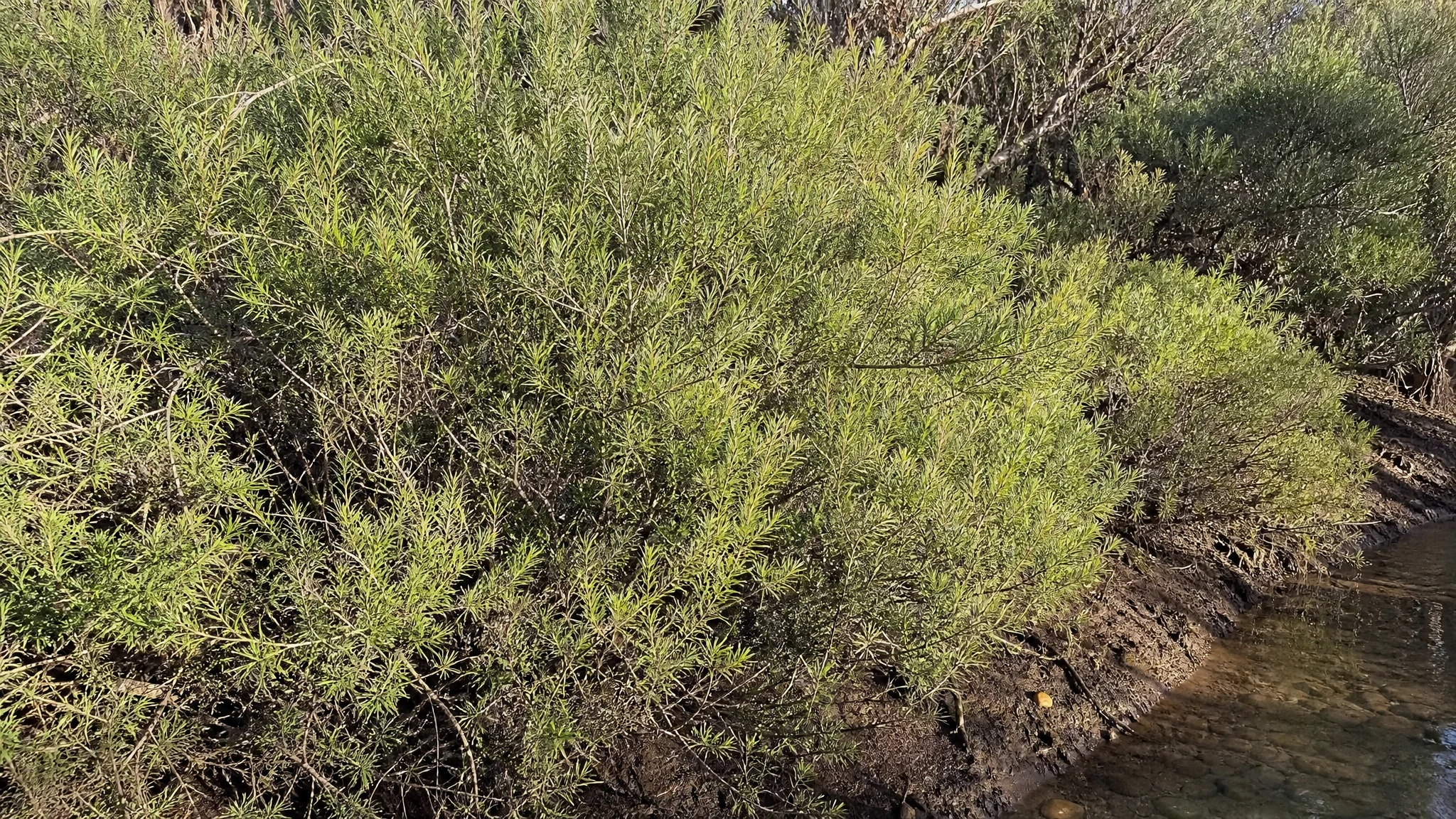
Steam does something quietly clever to a leaf. Pass it through a bed of rosalina foliage and it warms the tiny oil pockets until the fragrant molecules lift away on the vapour; cool that vapour down and the oil floats on top of the water, ready to be collected. Our rosalina oil is made this way, steam distilled from the leaves of Melaleuca ericifolia, and the process is worth understanding because it tells you what to look for in a bottle and what a label can and cannot say.
Rosalina Essential Oil
Our own Rosalina Essential Oil, in sizes from 0.5 oz to bulk.
From $16.99
Shop Now →From leaf to still, step by step
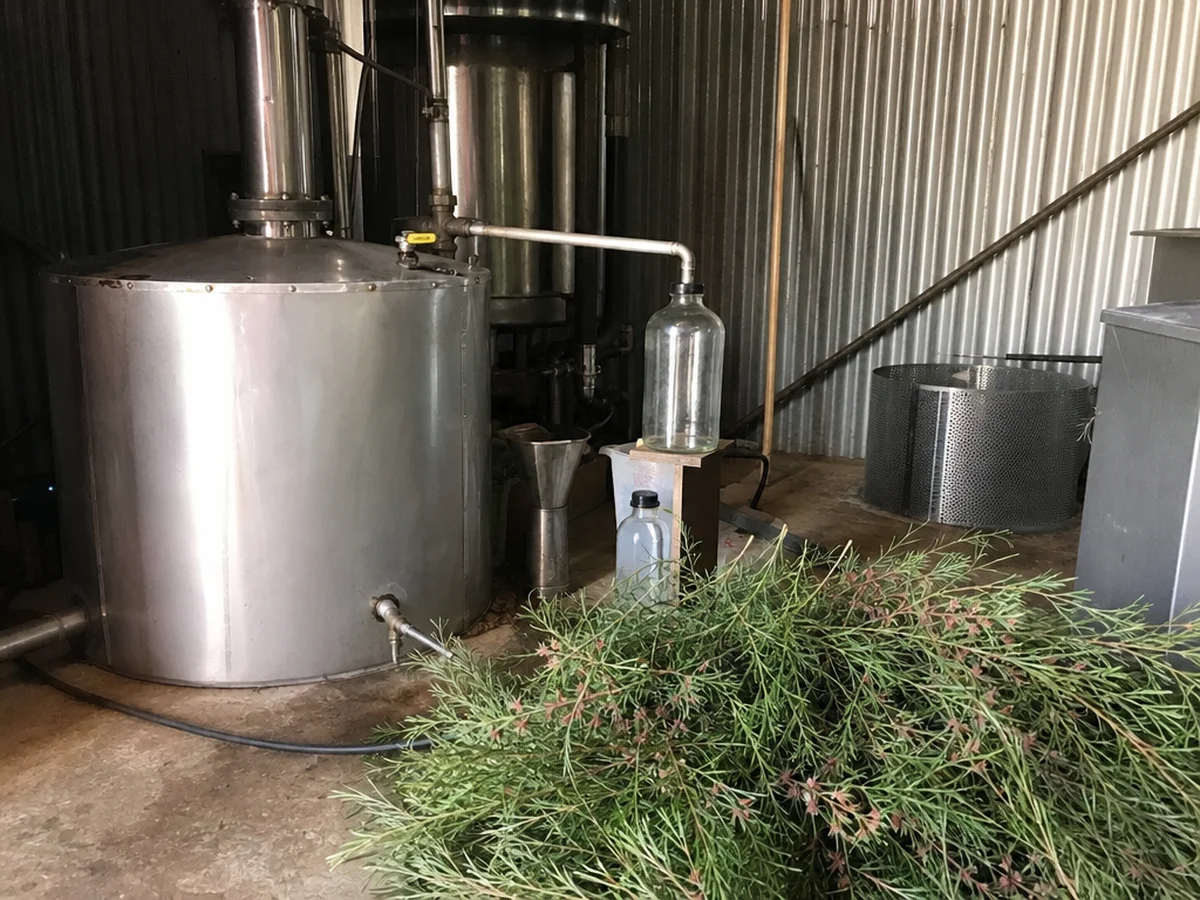
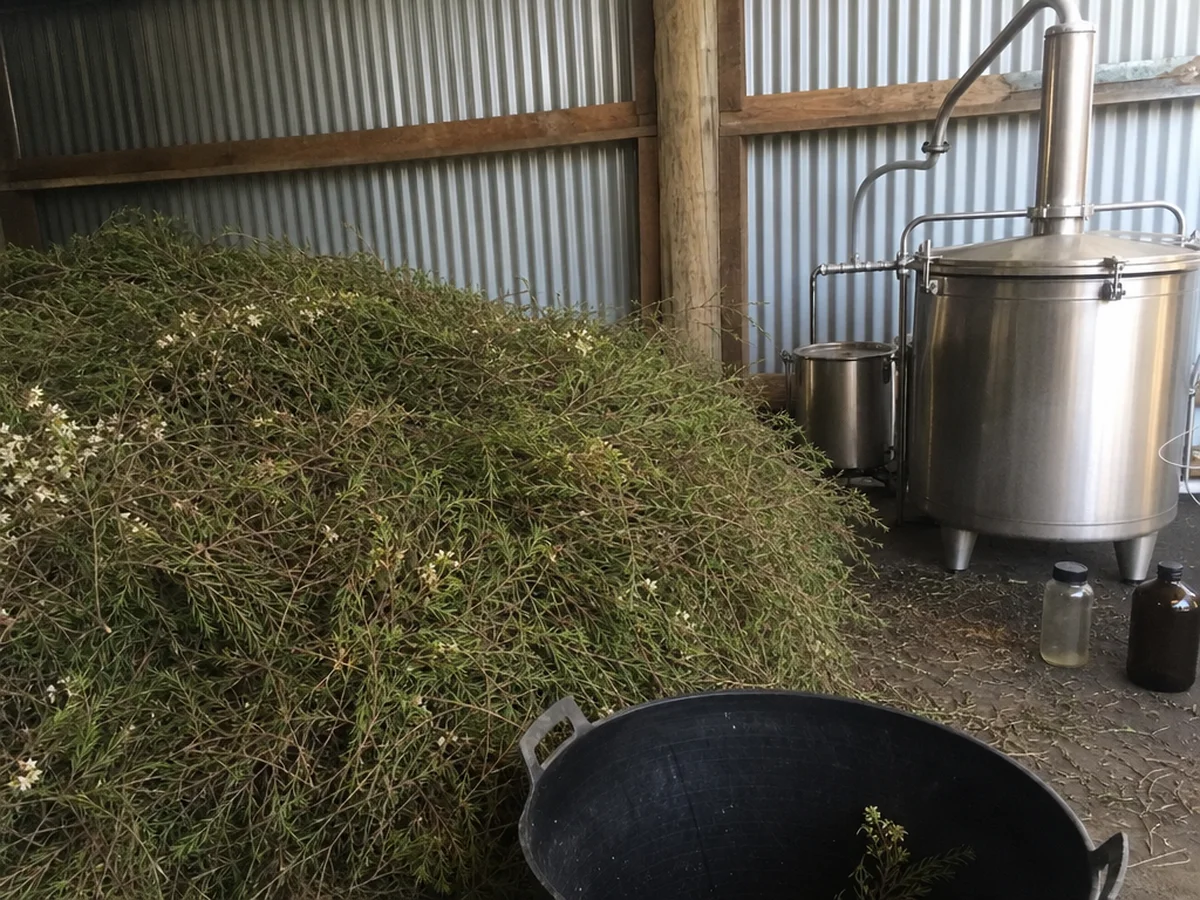
The most detailed description of distilling this species that we can point to comes from a 2026 study of rosalina grown in Ecuador, where researchers lay out their method clearly (Valarezo et al., 2026). It makes a good picture of what steam distillation looks like in practice:
- Fresh leaves, handled carefully. The leaves travelled in sealed containers, and foreign material and damaged leaves were removed straight away.
- Steam in the still. They went into a 200 litre distiller fed with steam from a boiler. The steam carries the aromatic compounds up and out of the leaf.
- Three hours of patience. The run lasted three hours, counted from the first drop of distillate.
- Separating the oil. Oil and water do not mix, so the oil was simply decanted from the condensed water, then dried with a little anhydrous sodium sulfate to remove traces of moisture.
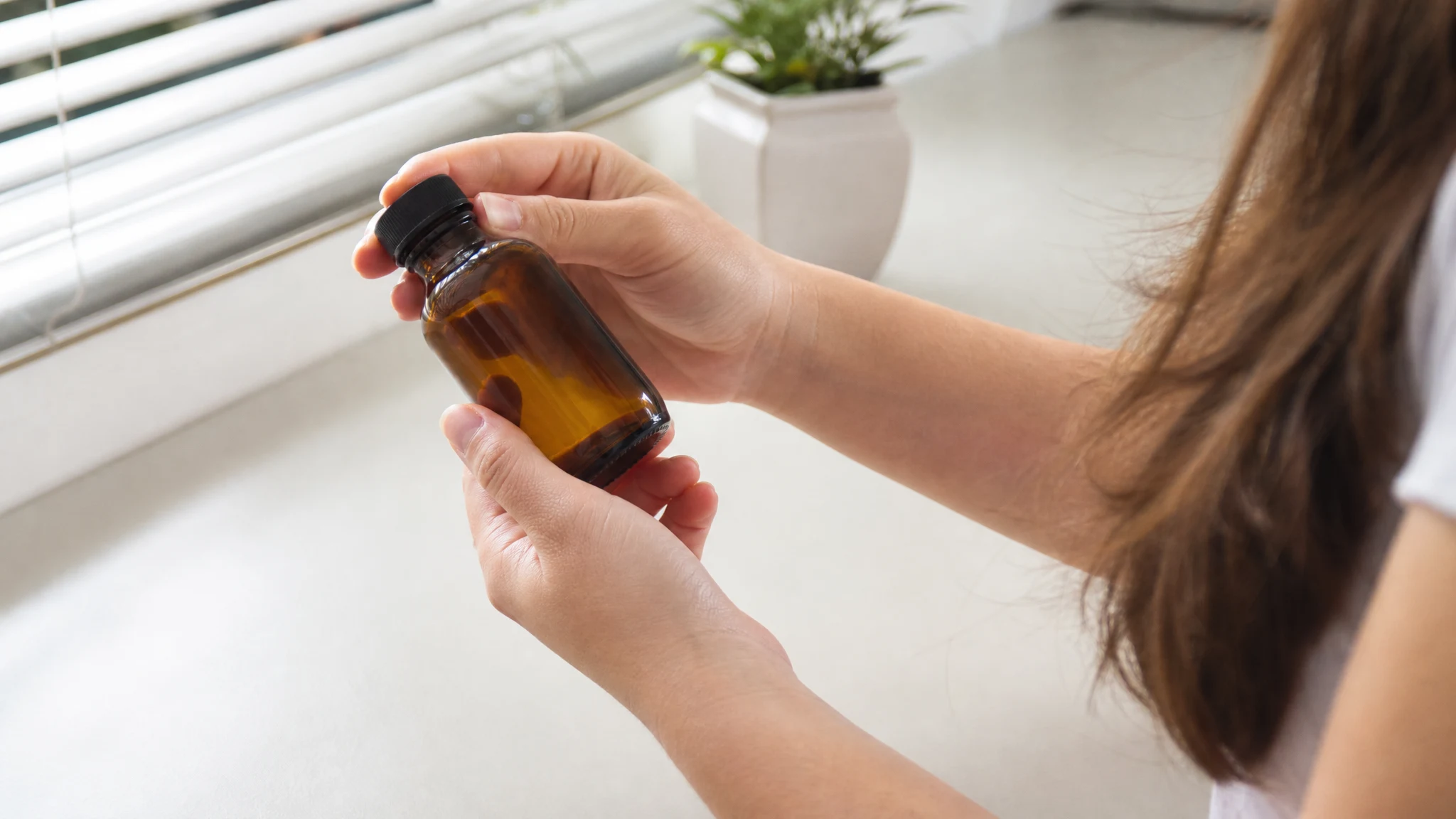
- Cool, dark storage. The finished oil was kept sealed in amber vials at 4 C.
That is one laboratory-scale run on one sample, so we treat the numbers as an example of the craft rather than a rule. Commercial stills differ in size, timing and technique, and nothing says that three hours is the right time for every batch.
What you can notice in the bottle
Open a bottle of a steam-distilled leaf oil and the first thing you may notice is how different it is from the leaf. Crush a leaf between your fingers and you get a faint green smell; the oil is that smell concentrated, which is why a single drop goes a long way. Hold a paper strip a little way from your nose and let the first green impression come and go.
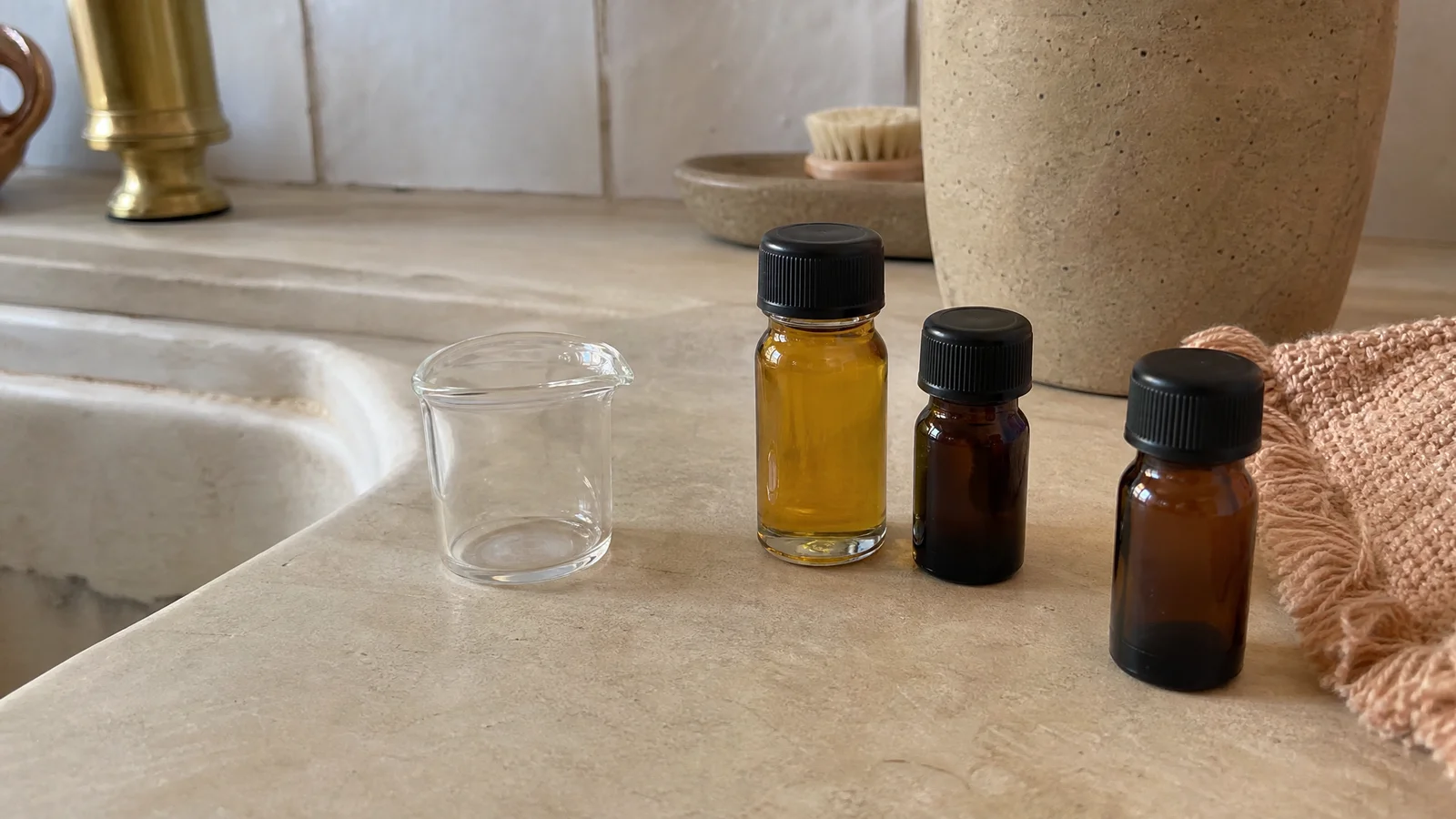
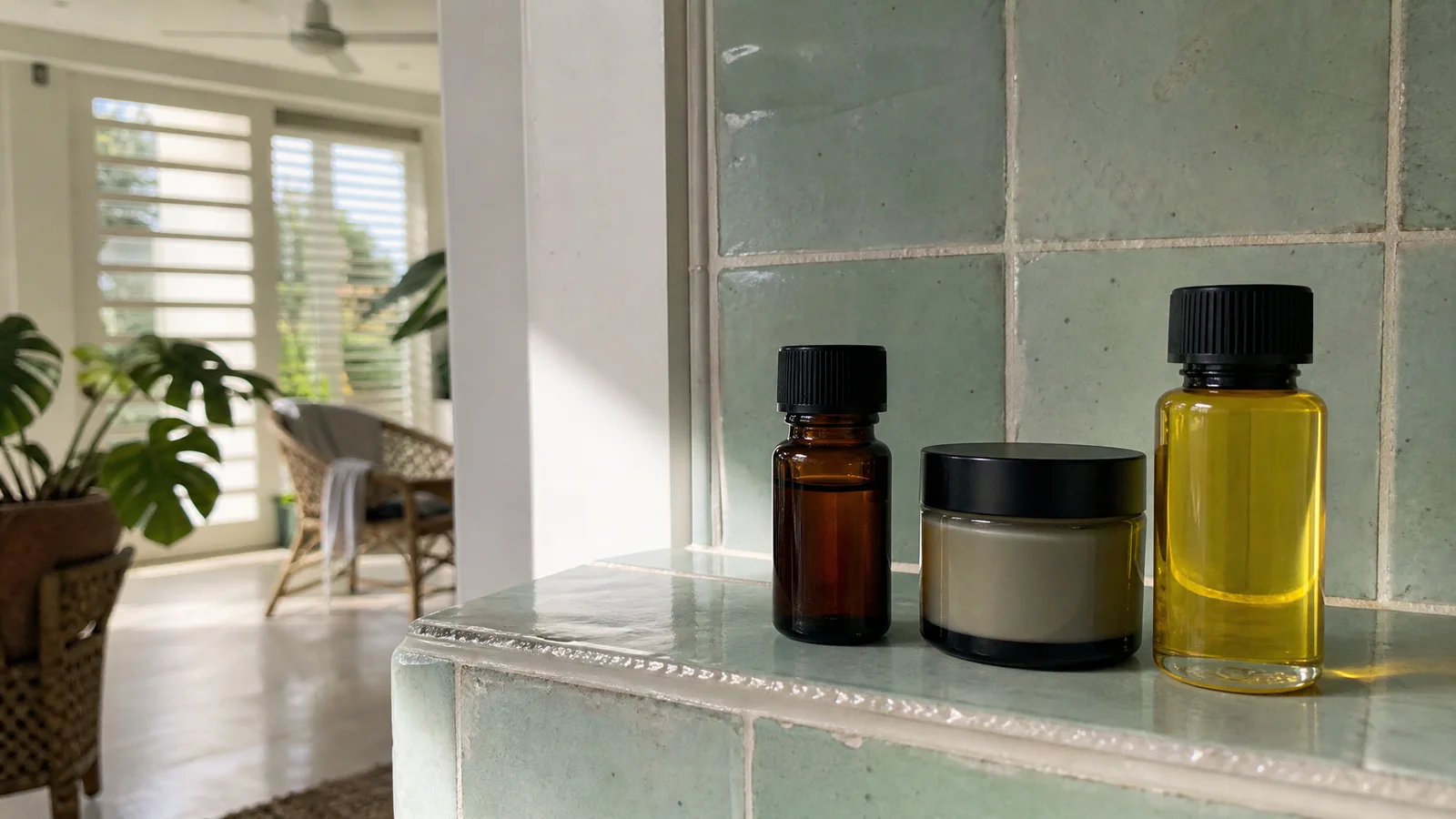
We describe our rosalina as soft, fresh and lavender-like, a middle note with a fresh top edge. Our bottles are amber glass in every size, because Melaleuca oils change faster in clear glass, and a tight cap after every use is the easiest way to look after what is inside.
What our certificate says
For our own oil, the Certificate of Analysis we provide for one batch lists the plant part as leaf and the extraction method as steam distilled, along with appearance, smell, relative density and refractive index. It is a short, clear statement of how the oil is made. If you would like more detail, such as a gas chromatography report, you are welcome to ask us in writing through the contact page before you order.
The leaf shapes the oil as much as the still
Here is the part we find most interesting. Two bottles can both say "steam distilled Melaleuca ericifolia" and still be quite different, because the plant itself varies. A survey across south-eastern Australia found oil yields of about 3.2% in New South Wales populations against about 0.6% further south and west in Victoria and north-western Tasmania. That is roughly a five-fold gap, assuming the percentages are a share of leaf weight, which we infer from the abstract (Brophy and Doran, 2004). In practical terms, a kilogram of leaf might give around 32 g of oil in one place and only 6 g in another.
The aroma-making chemistry moves with geography as well. The same study found a gradual shift across the range, with linalool dominant in the north and 1,8-cineole dominant in the south. One standout tree at Hawks Nest gave 4.5% oil with 60% linalool. The Ecuadorian oil in the run above was mostly 1,8-cineole, at 61.85%, with only a trace of linalool.
Put those together and the lesson is simple: the method on the label tells you how the oil was extracted, and the composition tells you what the oil is like. They are different questions. If a particular constituent matters to your project, a gas chromatography report is the document that answers it, and our guide to reading a GC-MS report shows what to look for.
Why we store it the way we do
Melaleuca oils change when they meet air, light and warmth, which is why researchers store their samples cold and sealed and why we recommend keeping your bottle tightly capped, cool and out of the light. A review of the related tea tree oil describes how light, heat, air and moisture all affect oil stability (Carson et al., 2006). Tea tree is a different species, so this is an analogy, but it is a useful one. Our storage guide has the details.
A note on making it yourself
Distilling essential oil is a job for proper equipment and training, and a published home method for rosalina would be guesswork. If you are curious about the craft, a distillation supplier or a course is the better route. For a tour of how steam distillation compares with cold pressing, CO2 extraction and absolutes, our piece on essential oil extraction methods is a good next read.
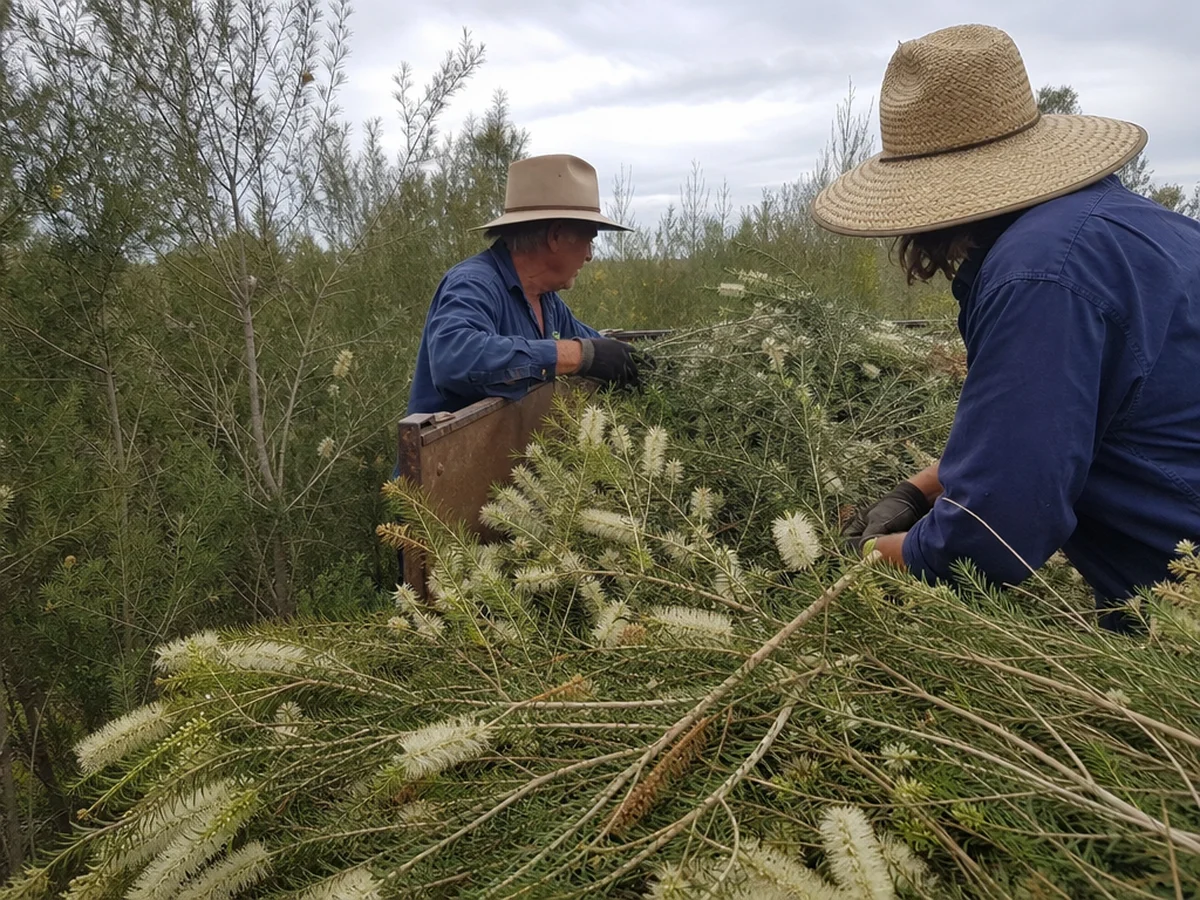
When you are choosing any rosalina oil, the Latin name, the plant part, the method and a batch report make a good set of questions, and our buying guide walks through them. Steam and a good leaf do the rest.
Rosalina Essential Oil
Rosalina Essential Oil from our own shop, in sizes from 0.5 oz to bulk.
From $16.99
Shop Now →Sources & Further Reading
- Valarezo et al., 2026. Essential Oil of Melaleuca ericifolia Sm.: Chemical Composition, Enantiomeric Distribution, and Antimicrobial, Antioxidant, and Anticholinesterase Activities. Molecules. Europe PMC
- Brophy and Doran, 2004. Geographic variation in oil characteristics in Melaleuca ericifolia. J Essent Oil Res. Europe PMC
- Carson, Hammer and Riley, 2006. Melaleuca alternifolia (Tea Tree) oil: a review of antimicrobial and other medicinal properties. Clin Microbiol Rev. PubMed Central