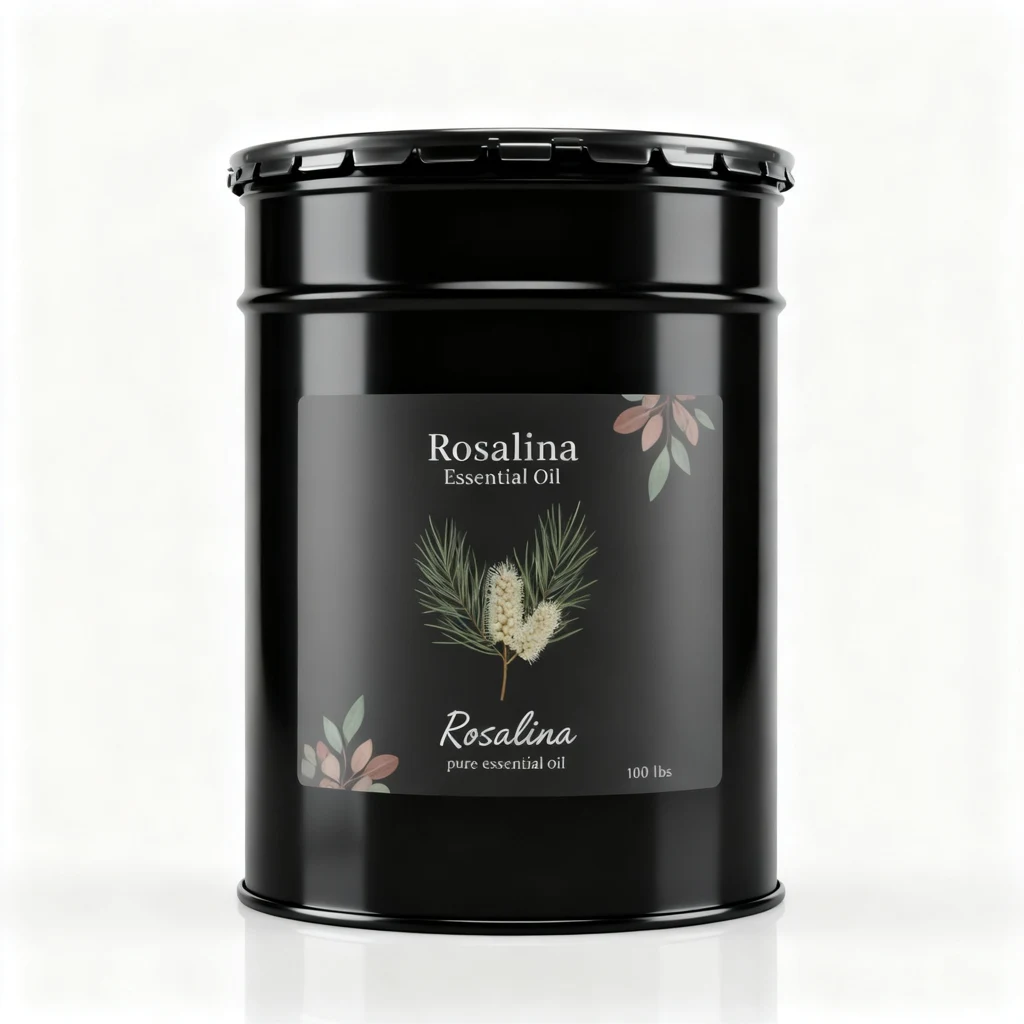
The Lavender Tea Tree
Rosalina, sometimes called lavender tea tree, is an Australian original: a Melaleuca with a soft floral heart. Steam-distilled from the leaves of Melaleuca ericifolia, it combines gentle camphor freshness with a linalool sweetness that suits calm, family-friendly blends.
Fold rosalina into cold-process soap bars or candle wax for a soft floral note that never overwhelms other fragrance layers.
Explore →Pair rosalina with lavender or chamomile in an evening diffuser blend for a soft, fresh aroma that settles a room.
Explore →Blend rosalina into a carrier oil for gentle massage or skincare recipes that lean on its soft lavender-like character.
Explore →Soap houses, candle studios, and formulators order rosalina by the pound once a bench sample confirms the aroma is right.
Explore →
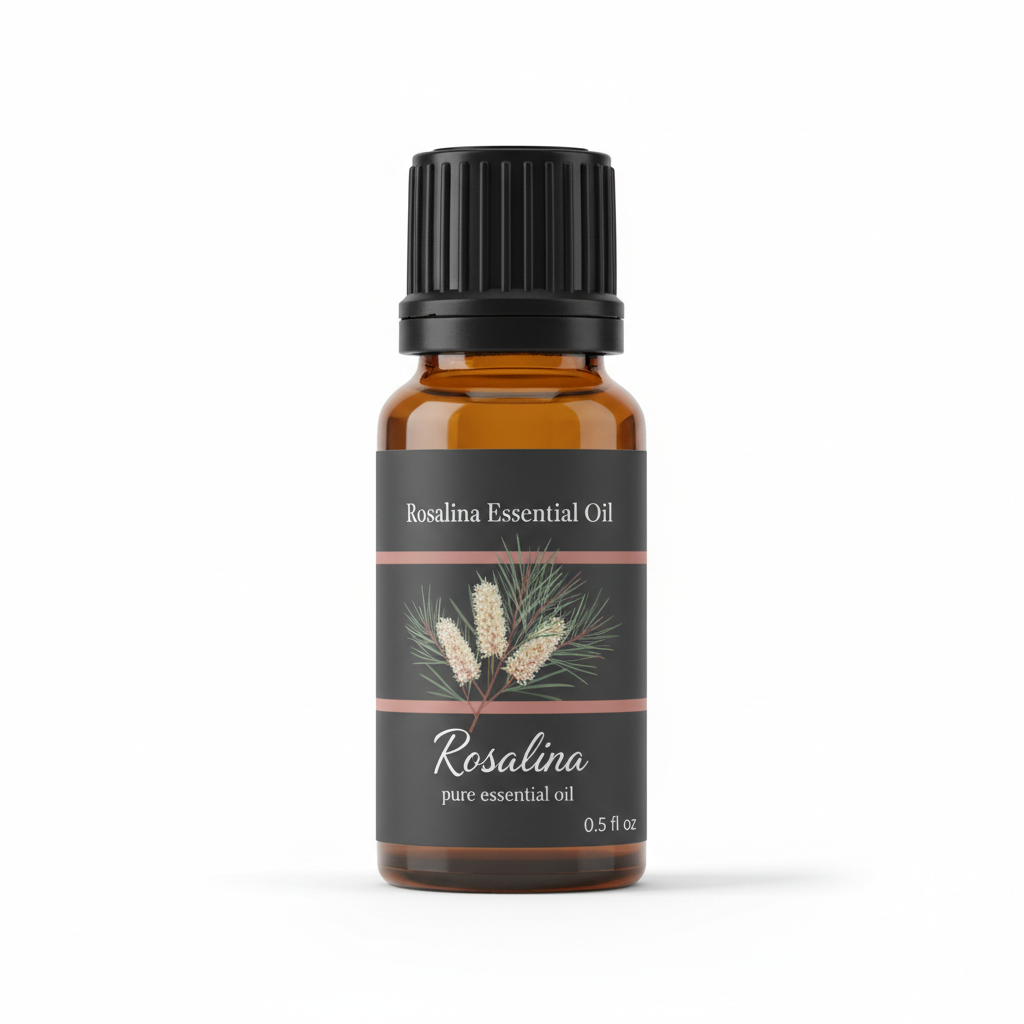
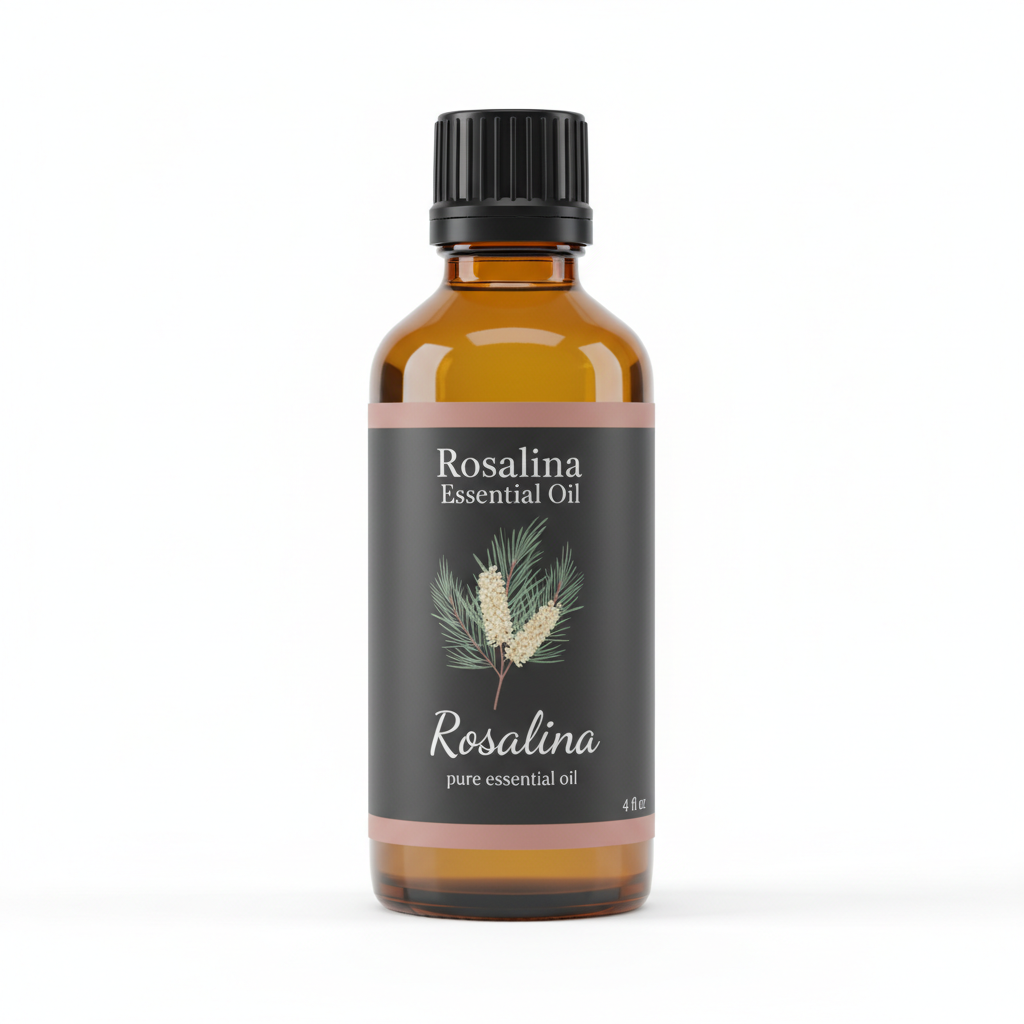
Sample Bottle
A 0.5 oz bottle for testing rosalina's aroma in your own diffuser or blend before committing further.
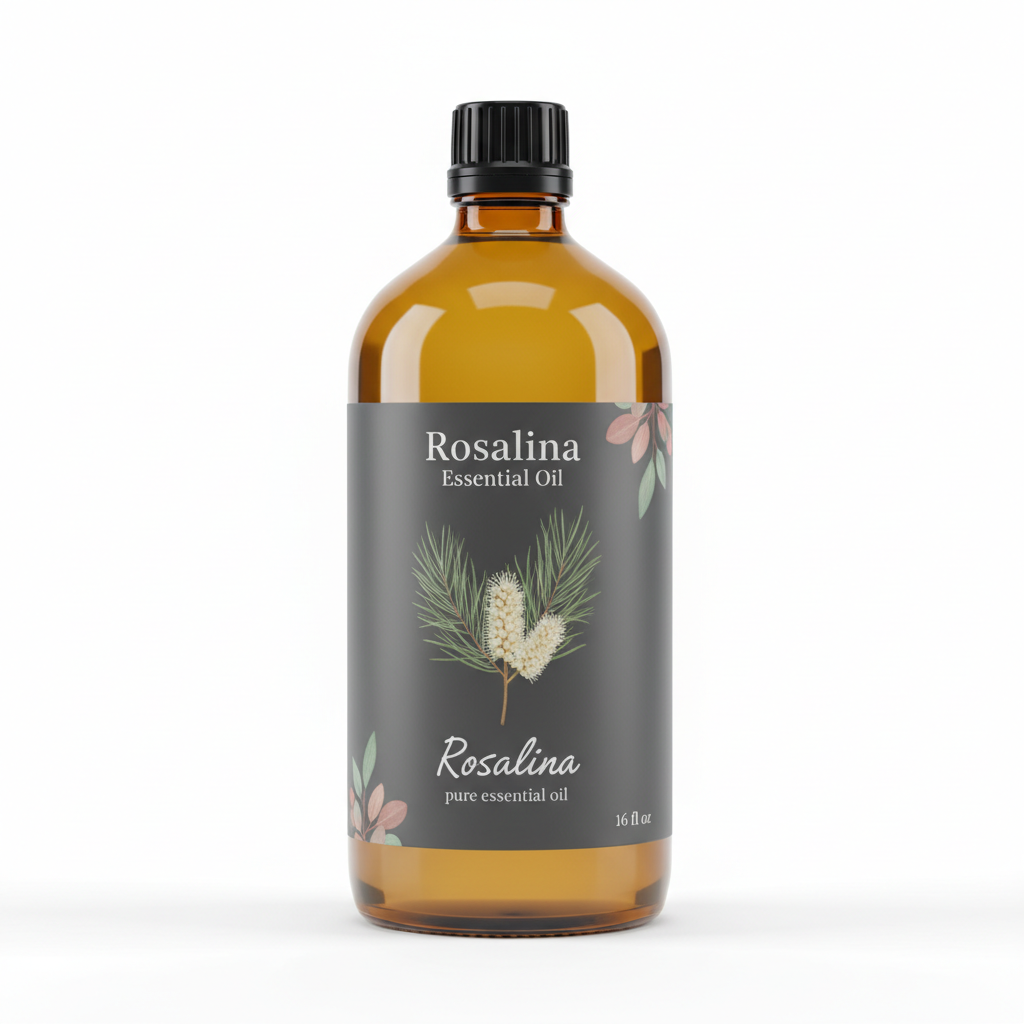
Test Batch
Sixteen ounces gives soap makers and candle studios enough rosalina to run a real pilot batch.
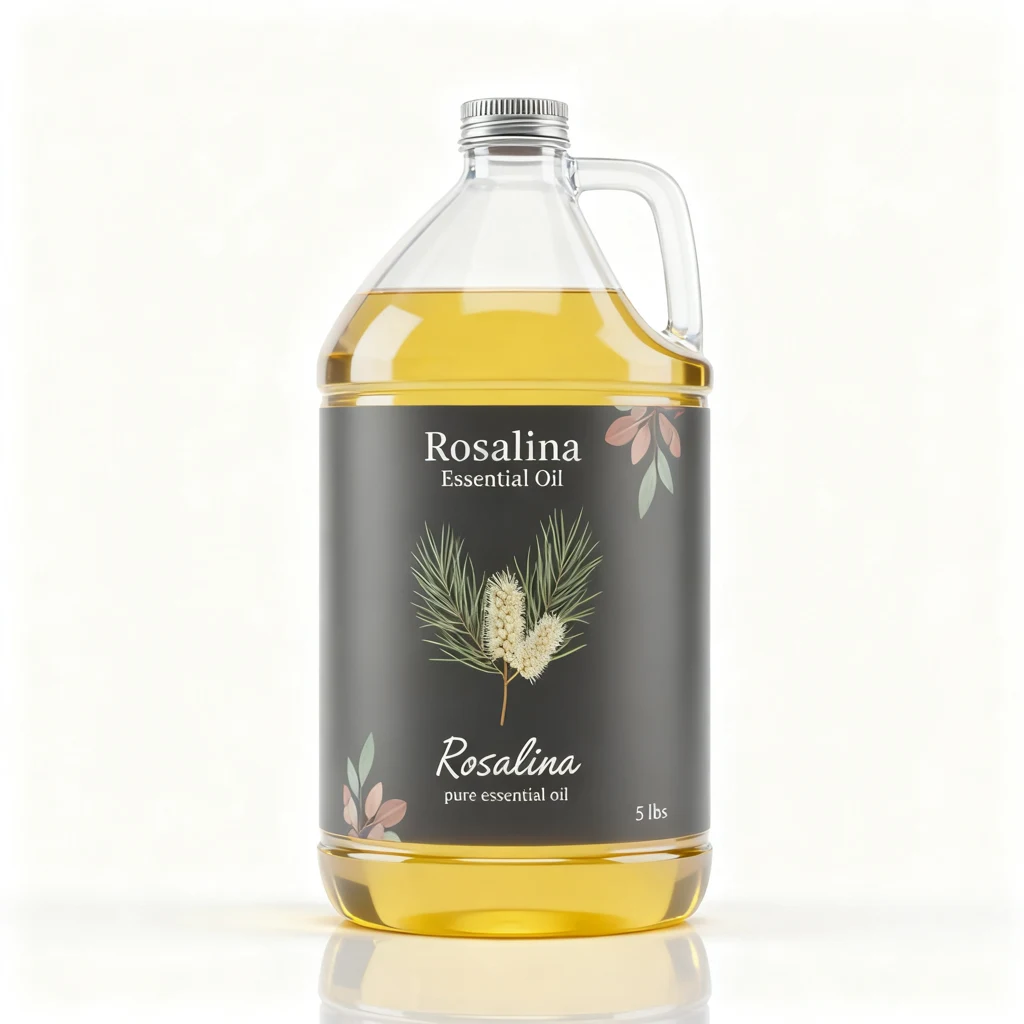
First Production Size
At five pounds the per-ounce cost drops below the bottle sizes, the point most studios start real production.
Rosalina essential oil is steam-distilled from the leaves of Melaleuca ericifolia, a paperbark shrub of the swamplands of New South Wales and Tasmania. It stands apart from its tea tree cousins through an unusually high share of naturally occurring linalool, the soft aromatic that defines lavender.
The aroma sits between worlds: fresh Melaleuca greenness up front, then a mellow, floral, lavender-like sweetness that rounds everything off. It blends effortlessly with lavender itself, plus chamomile, mandarin, and eucalyptus.
Because of its gentle profile, rosalina is a favorite in nighttime diffuser blends, in mild DIY skincare and bath recipes at proper dilution, and in room sprays for spaces shared with the whole family.
Melaleuca ericifolia leaves are cut from paperbark shrubs across the swamplands of New South Wales and Tasmania.
Cut leaves are sorted and cleared of stems and debris before they go into the still.
Steam passes through the leaf material, drawing the essential oil out through gentle, controlled distillation.
Each finished batch is lab-tested and the results are published here as a certificate of analysis.
The tested oil is bottled 100% pure and undiluted, then stored away from heat and light until it ships.
Rosalina's aroma leans on linalool, the same soft compound that gives lavender its familiar scent, so a heavy hand with cheaper filler oils is easy to notice by nose alone.
We publish the certificate of analysis for the current batch directly on this site, so you can check what you're buying before an order ships rather than taking a label's word for it.
| Distilled Rosalina Oil | Synthetic Fragrance Oil | |
|---|---|---|
| Source | Steam-distilled from Melaleuca ericifolia leaves | Lab-blended from synthetic aroma chemicals |
| Aroma | Soft, fresh, lavender-like, shifts naturally over time | Fixed floral scent, identical bottle to bottle |
| Composition | Naturally occurring linalool and cineole from the plant | Synthetic isolates blended to mimic a floral note |
| Documentation | Batch COA published on this site | No batch testing or public documentation |
| Best for | Diffusing, diluted skincare, soap and candle making | Cheap mass-market air fresheners and sprays |
Every bottle traces back to Melaleuca ericifolia and no other plant.
Sourced from the swamplands of New South Wales and Tasmania.
The paperbark leaf is the only plant part we distill.
Bottled undiluted, with nothing added and nothing cut out.
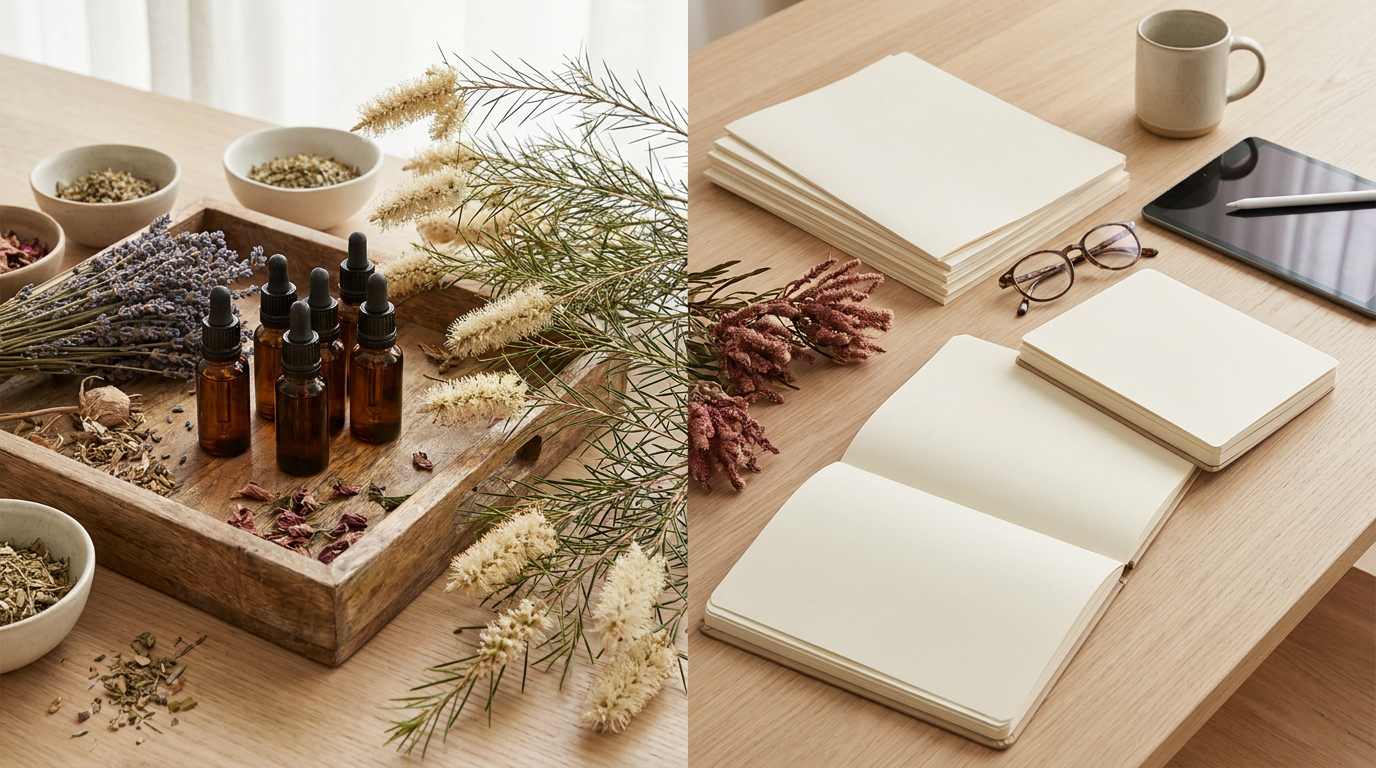
From bath salts to signature blends, these projects show rosalina's soft floral note in real use.


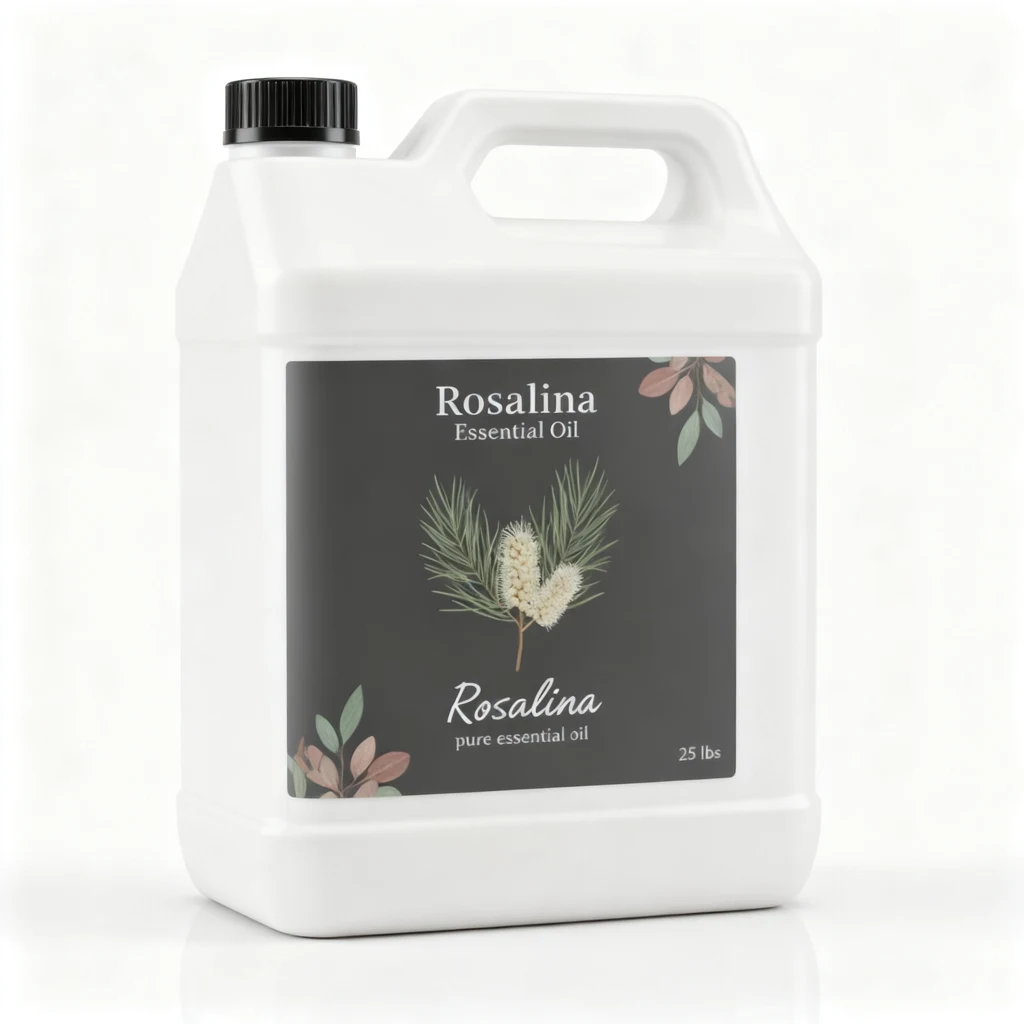
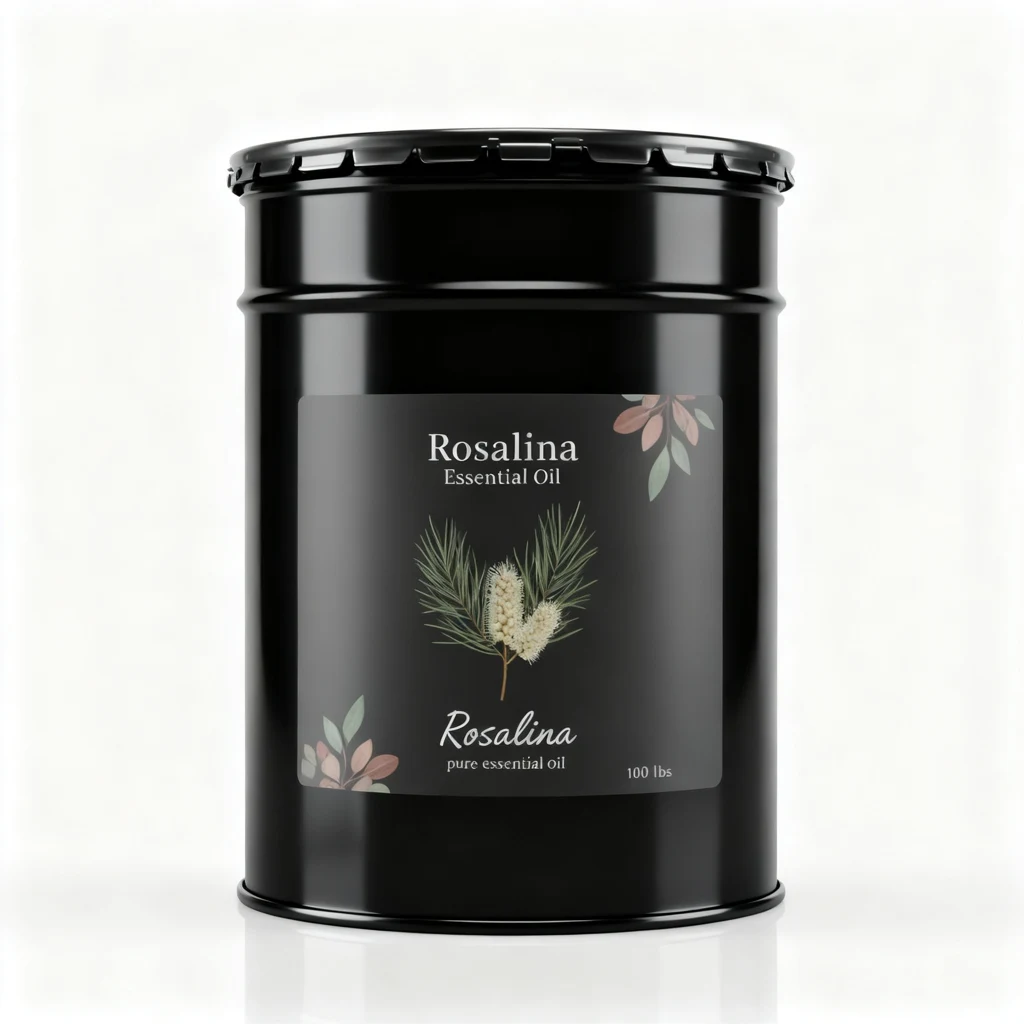
Soap houses, candle studios, and perfumers who already like rosalina's soft, lavender-like note often want to move past single bottles once a formula works. Our 5, 25, 100, and 400 lb sizes carry the same batch documentation as the smaller bottles, so a production order is backed by the same published testing you checked before you started.
Rosalina's floral roundness works well in cold-process and melt-and-pour bars at production volume.
See the guide →A soft, lavender-like top note that blends cleanly into soy and wax-based candle lines.
See the guide →Naturally high linalool content gives formulators a gentle floral building block for finished blends.
See the guide →