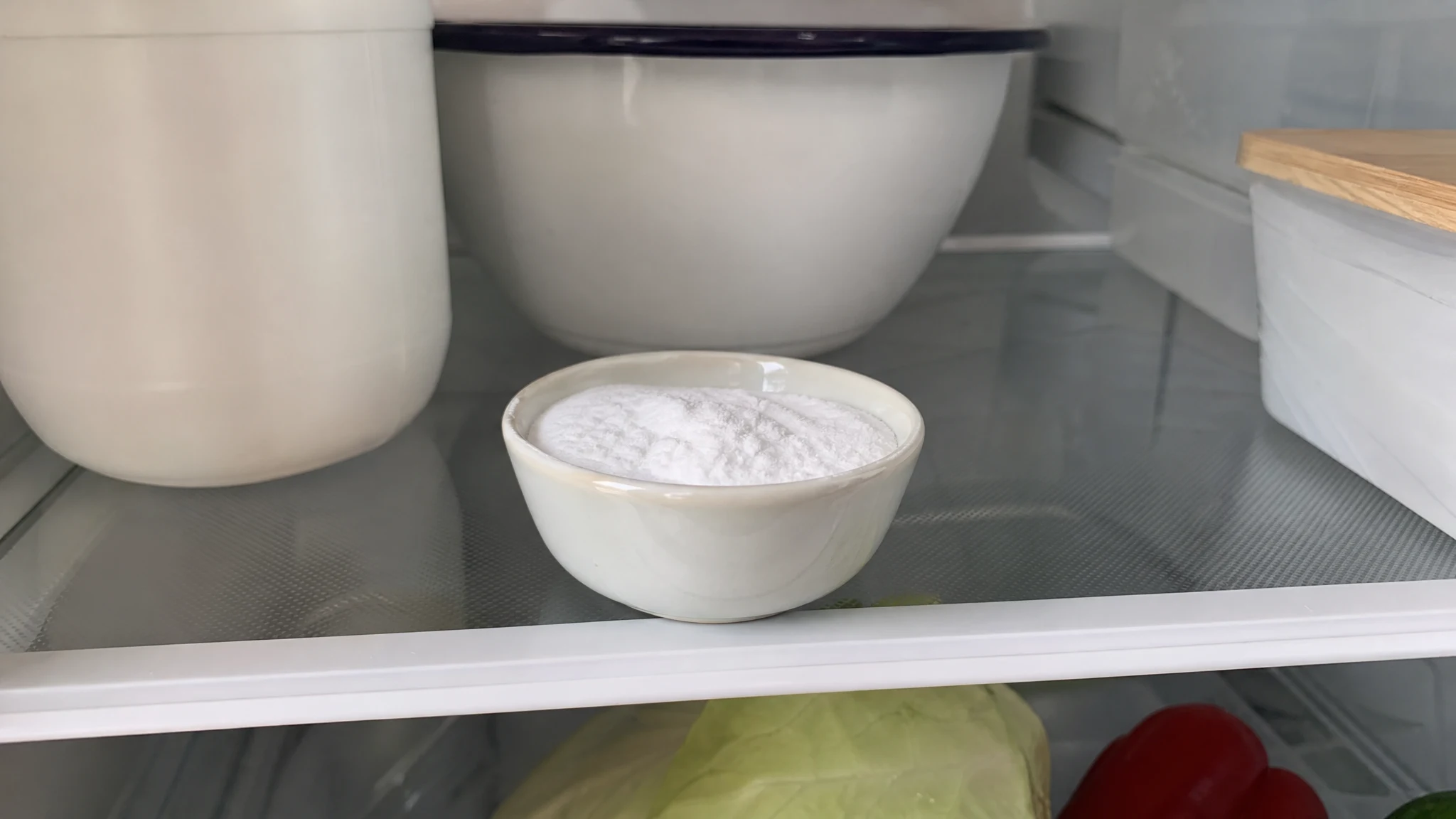
Natural Odor Control: Fix the Source Before the Scent
The most reliable way to make a room smell better is to work out why it smells, and the most common mistake is to start with a scent. Fragrance is wonderful at its job, which is to add a pleasant smell, but that is a different job from removing an unpleasant one.
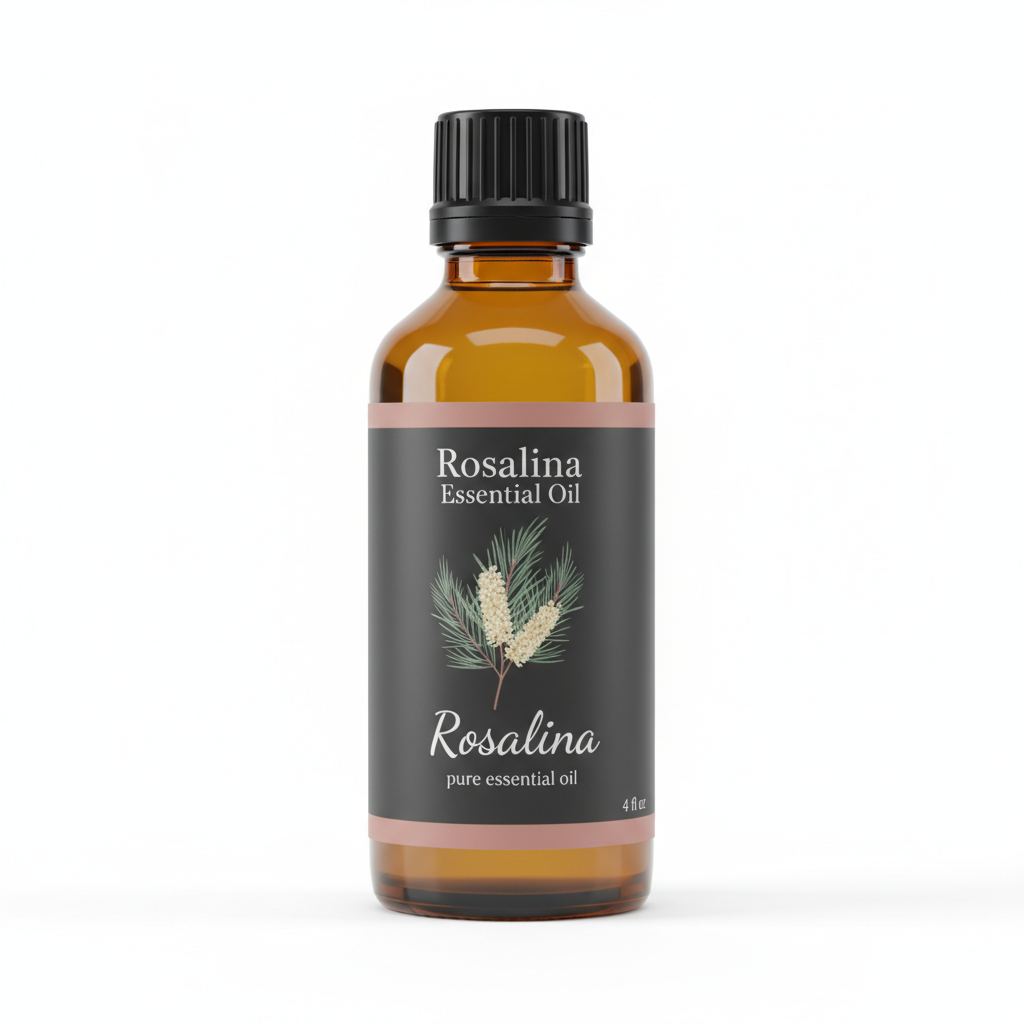
Rosalina Essential Oil
Our own Rosalina Essential Oil, in sizes from 0.5 oz to bulk.
From $16.99
Shop Now →Removing and covering are different
When we say removal, we mean the material causing the odor is gone or its concentration in the air has dropped. Covering means it is still there and a second smell is competing with it. The EPA draws the line neatly in its page on ozone generators, citing older experiments: "body odor may be masked by the smell of ozone but is not removed by ozone" (Ozone Generators that are Sold as Air Cleaners). The same page concludes that, at concentrations that meet public health standards, ozone is not effective at removing many odor-causing chemicals. A lovely scent works the same way: it can make a room feel better, but it will not take the cause out.
Step one: find the source
The EPA's advice for indoor air is a good rule for smells too: the most effective ways to improve it are to reduce or remove sources and to ventilate with clean outdoor air (Air Cleaners and Air Filters in the Home). In a home that means the unglamorous places: the bin and the drain, a damp towel, a refrigerator shelf where something spilled, a shoe that never dried, the carpet under a pet accident. Clean or dry the thing that smells.
Smell things properly, with your nose close. Go through the room slowly: the bin, the drain, the shoe rack, the back of the wardrobe. The source is often somewhere you stopped noticing because you live with it. Noses tire of familiar smells, so a visitor's opinion, or your own nose after a weekend away, is a good test.
For a musty smell, the first suspect is moisture. The EPA says the key to mold control is moisture control, that water-damaged areas and items should be dried within 24 to 48 hours, and that indoor humidity ideally sits between 30 and 50 percent. It also notes you may suspect hidden mold when a building smells moldy but you cannot see the source (A Brief Guide to Mold, Moisture and Your Home). If that sounds like your home, or if anyone has asthma, ask a physician and a qualified inspector rather than reaching for fragrance.
Step two: move the air
Fresh air is free. The EPA lists opening windows and doors, running fans and using bathroom or kitchen fans that vent outdoors, and says these steps matter most during short bursts of high pollution such as cooking (Improving Indoor Air Quality). For a closet or a stuffy bedroom, a few minutes with a window open often does more than anything you can buy. If a smell comes back every day, the source is still there.
Step three: choose carefully what you add
Air cleaners and filters have a place, but the EPA describes filtration as a supplement to source control and ventilation, and says portable cleaners cannot remove all pollutants. We would skip ozone generators for odor, for the reasons on that EPA page. For absorbing odors in a fridge or closet, buy what you need at a hardware, grocery or home supply shop; we do not sell absorbers.
Check your work
After you have cleaned and aired the space, give it a little time, then step out and walk back in. Whatever greets you in the first few seconds is the honest smell of the room. If it is neutral, you are done, and anything you add afterwards is a bonus rather than a cover-up.
Step four: where the oil comes in
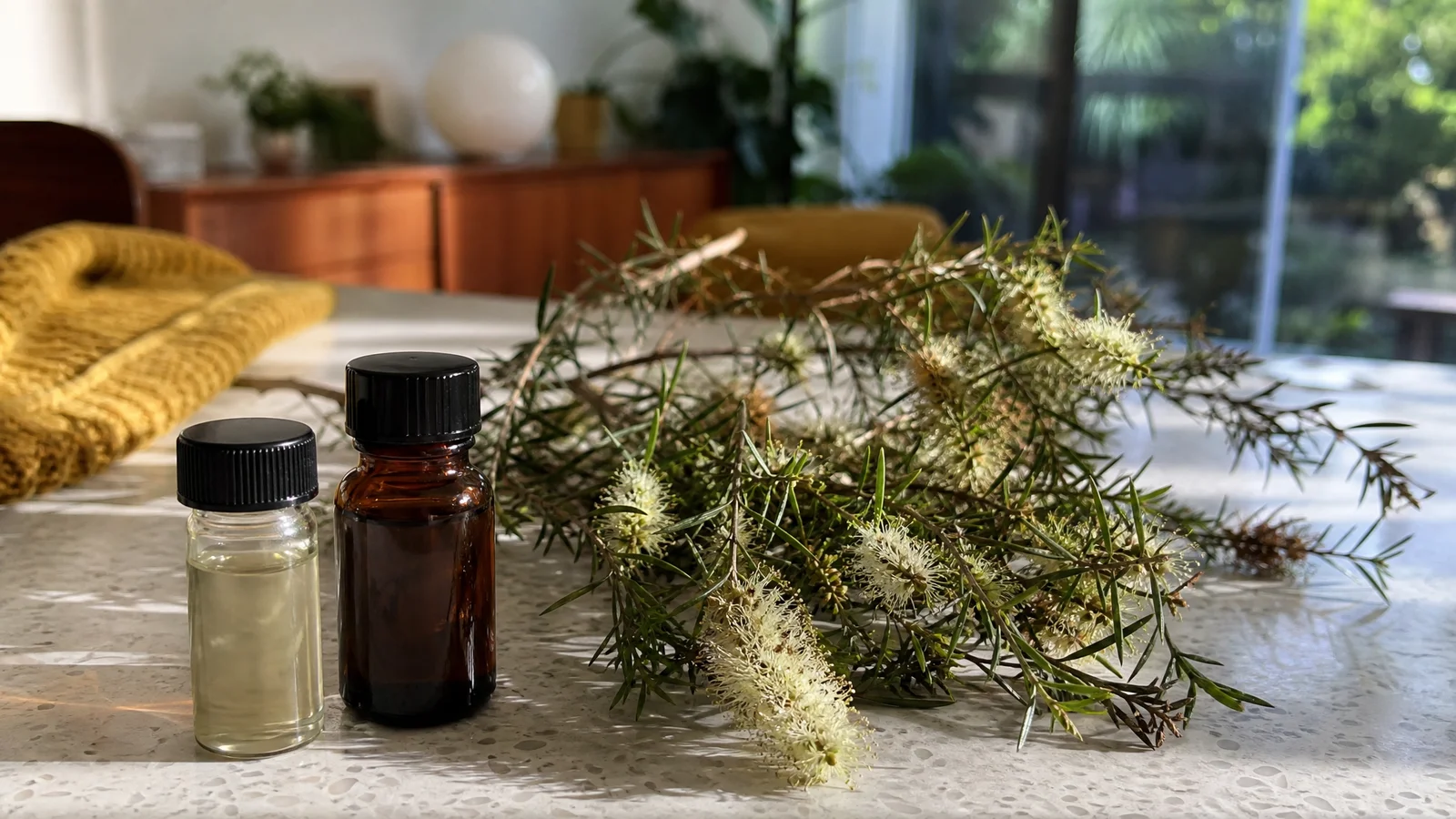
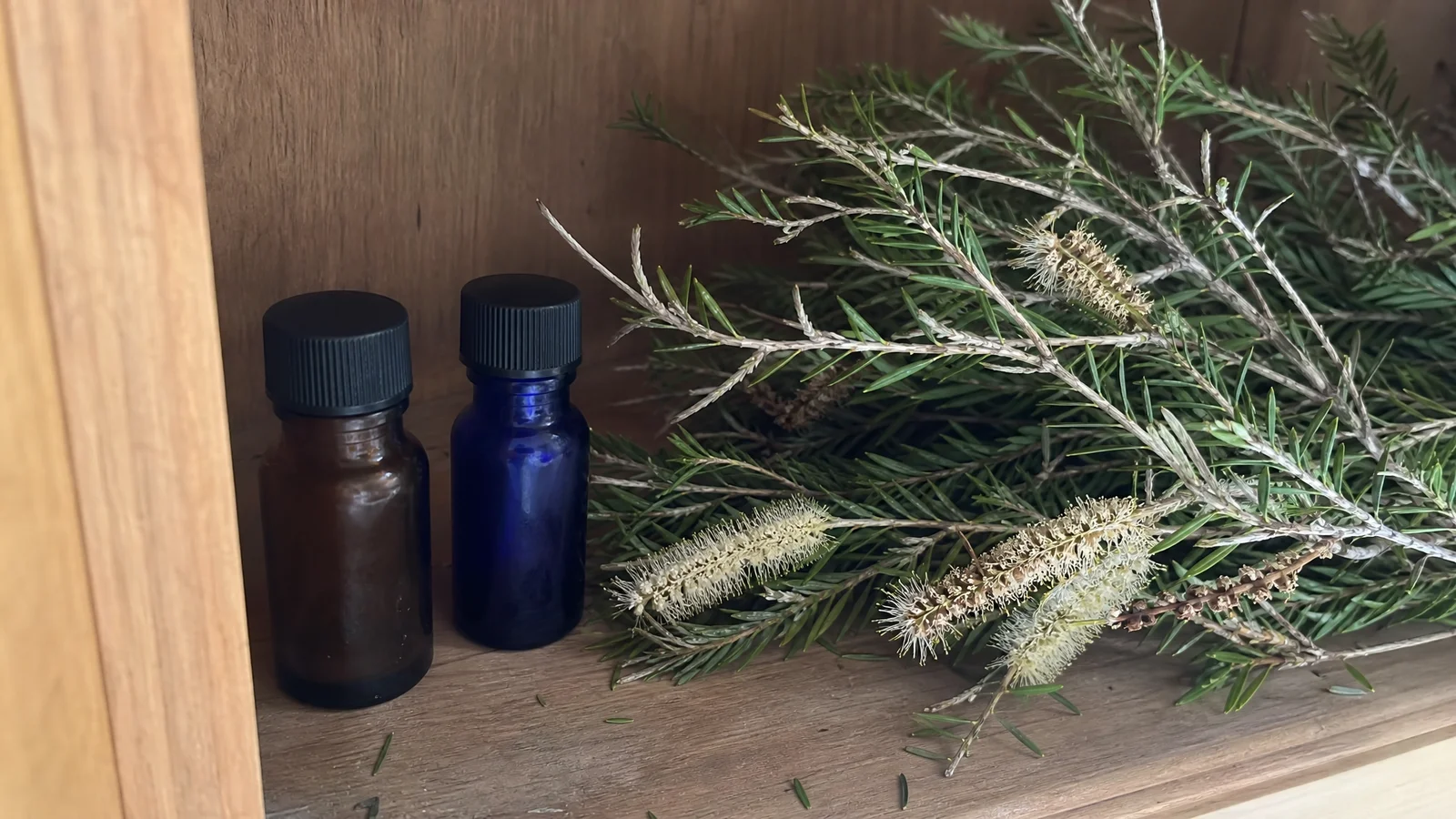
Once the source is dealt with and the air has moved, scent is a pleasure, and this is where rosalina fits. We describe it as soft, fresh and lavender-like, with a green opening and a floral sweetness, a middle note with a fresh top edge. That is the effect you are choosing: an aroma, not an odor remover.
A few ideas, each worked out from the arithmetic and plain reasoning rather than a test:
- A closet or drawer. Put a few drops on a cotton pad or an unglazed ceramic piece and set it on a shelf away from linens. Oil marks fabric, so keep it off cloth. Our laundry article covers what oil does to textiles.
- A room. A diffuser or a room spray, using the counts in our diffuser drops article. For a spray formula, see our cleaner formula article.
- Not in the fridge or on food. Our oil is not for internal use, and food contact is not something we describe.
- Not on shoes worn on bare feet, mattresses or carpet. These touch skin for hours, and oil can stay in fabric.
The smallest scent that does the job is usually the best one. If you share the home with babies, pets, or someone with asthma or fragrance sensitivity, ask a pediatrician, veterinarian or physician before adding scent. For a swallowed oil or a splash in the eyes, call a poison center at 1-800-222-1222. Our cleaning guide covers the surface side of freshening, and the renters routine fits small spaces.
Fix the cause, let in some air, and then let a few drops of something lovely do what it does best.
Rosalina Essential Oil
Rosalina Essential Oil from our own shop, in sizes from 0.5 oz to bulk.
From $16.99
Shop Now →