How to Read an Essential Oil Label: 5 Lines That Matter
Our oil is sometimes called "the lavender tea tree." It is a lovely nickname, and it tells you almost nothing about what is in the bottle. Nicknames are how plants get sold and Latin names are how they get identified, so the first habit worth building is to look for the second one.
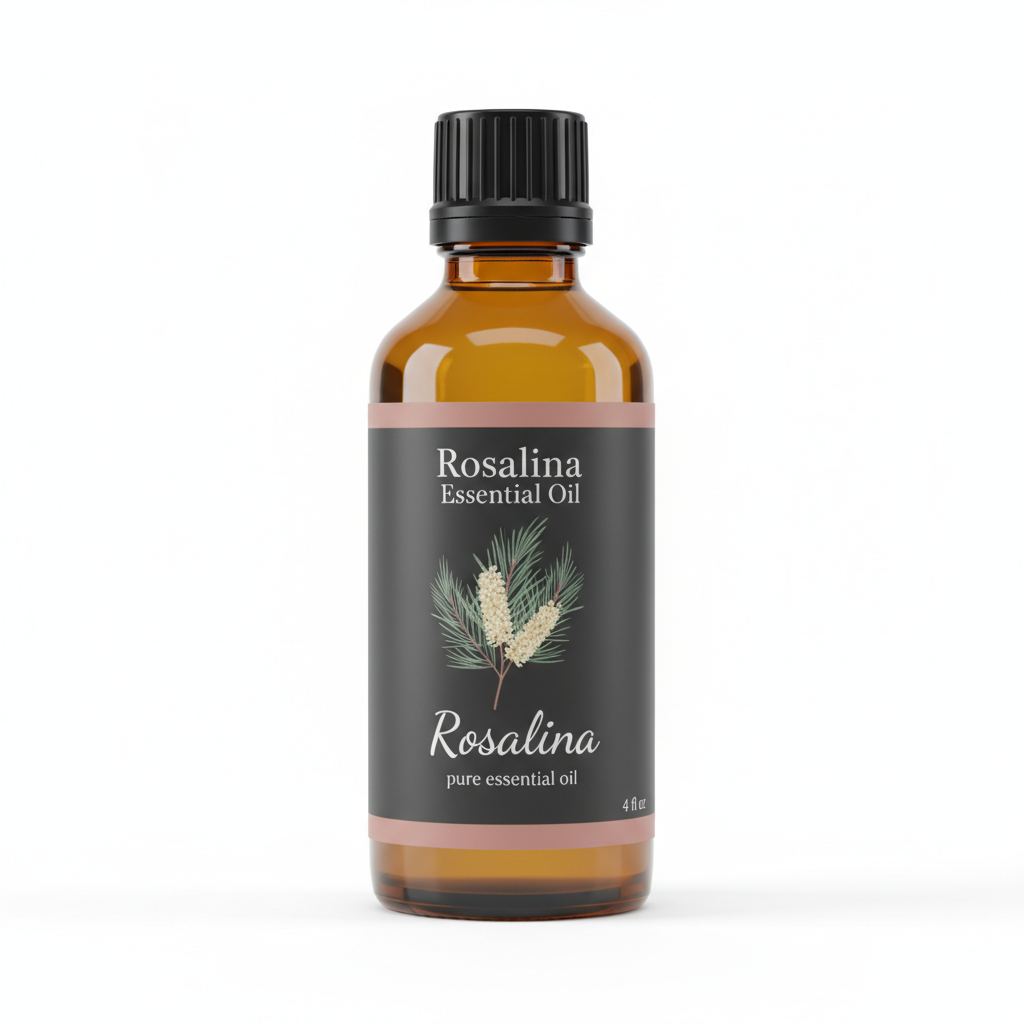
Rosalina Essential Oil
Our own Rosalina Essential Oil, in sizes from 0.5 oz to bulk.
From $16.99
Shop Now →Line one: the Latin name
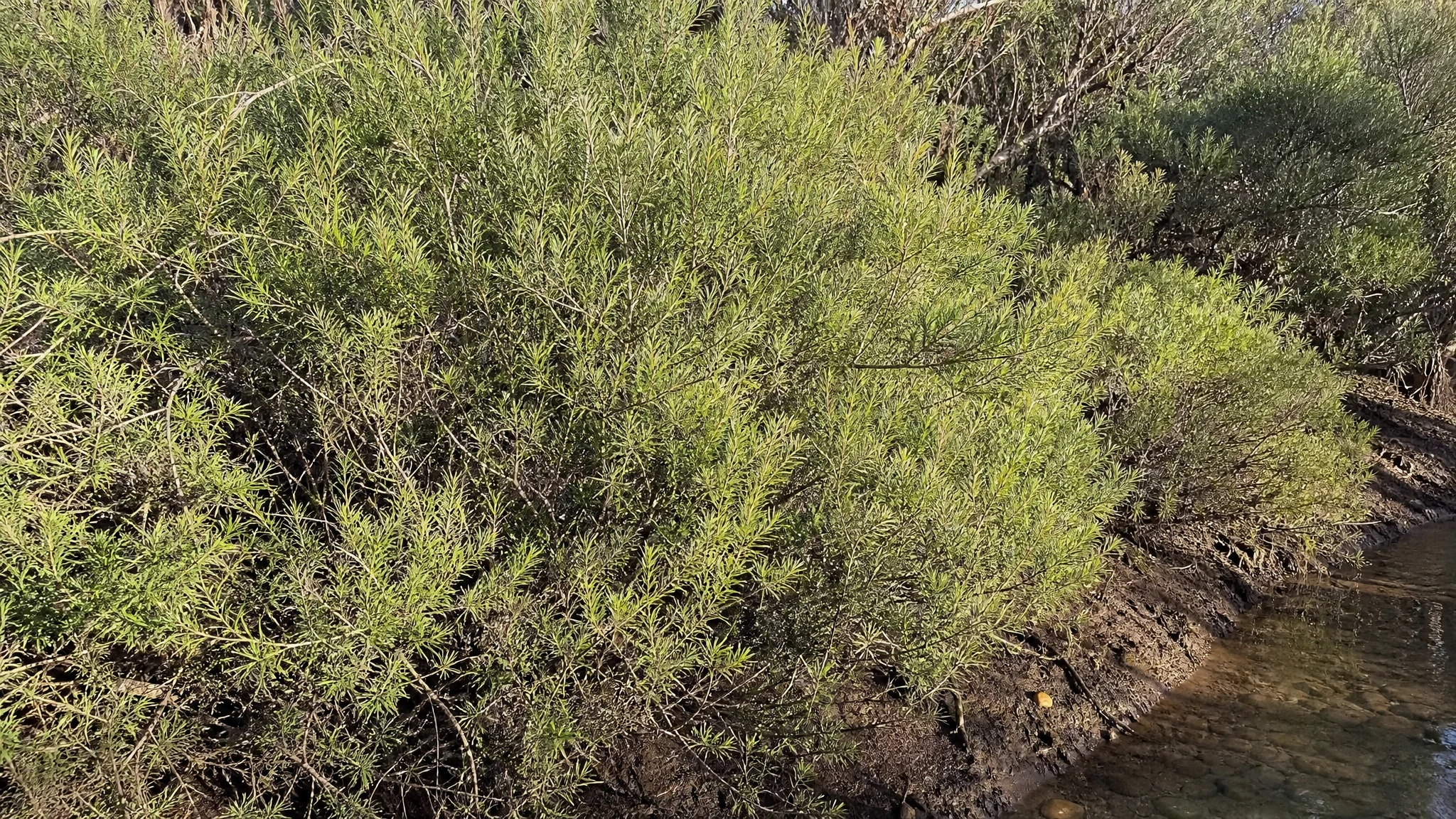
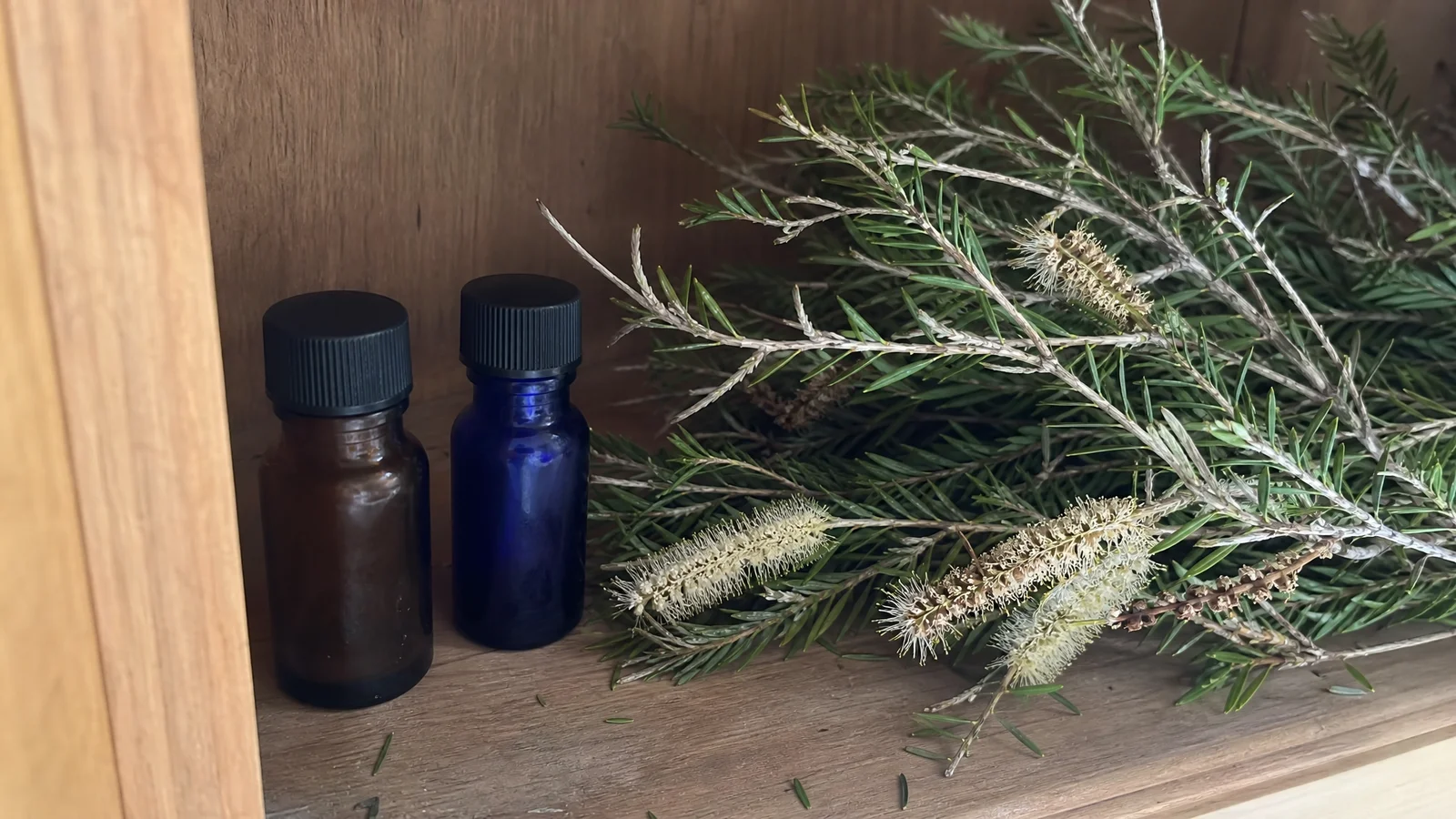
The botanical name pins down the species. Ours is Melaleuca ericifolia, and the full form with the naming authority, Melaleuca ericifolia Sm., is how researchers write it (Essential Oil of Melaleuca ericifolia Sm.: Chemical Composition, Enantiomeric Distribution, and Antimicrobial, Antioxidant, and Anticholinesterase Activities). "Rosalina" and "lavender tea tree" are trade names. They are friendly, but neither would help a botanist, a customs officer or a curious buyer tell which Melaleuca is in the bottle. This matters because the genus is large and its oils differ a great deal. Tea tree oil, the one most people know, comes from a different species and is a separate product; we compare the two in rosalina versus tea tree.
Line two: the plant part
Leaf, peel, flower, wood, resin: the part that was distilled shapes what you get. Our Certificate of Analysis lists the part used as leaf and the extraction method as steam distilled. Between them, the Latin name and the plant part make the shortest identity check a label can offer, and a bottle that has neither has told you something about the seller.
Line three: the chemotype, which almost nobody prints
A chemotype is a chemically distinct form of one species. Same Latin name, different dominant compounds, different smell. Rosalina is a good illustration. In wild populations across south-eastern Australia, researchers found linalool dominant in the north and 1,8-cineole dominant in the south, with the southern populations averaging about 34.5% 1,8-cineole and around 3% linalool (Geographic variation in oil characteristics in Melaleuca ericifolia, abstract). A 2026 paper on a cultivated sample from Ecuador found 61.85% 1,8-cineole and very little linalool, and notes that earlier work describes at least three profiles for the species, led by methyl eugenol, 1,8-cineole or linalool.
So a Latin name gets you to the species, and a chemotype gets you to the character of the oil. If the aroma matters to you, which it should, a gas chromatography report is how to see it. Our article on reading a GC-MS report walks through one. If you want that kind of detail for our oil, ask us in writing through the contact page before you order, and keep the reply with your records.
Line four: what US rules actually ask for
It helps to know what a label is required to say. The FDA's summary for cosmetics lists the product name, an accurate net quantity, the name and address of the marketing firm and, for retail cosmetics, an ingredient list in descending order of predominance. Imported products must carry the English name of the country of origin. The summary does not mention lot numbers or expiry dates (Summary of Cosmetics Labeling Requirements).
Two practical readings follow, and they are our reasoning rather than a quoted rule. A printed country on an imported product is a customs statement, so it is worth asking what it refers to: where the plant grew, where it was distilled, or where it was bottled. And since lot numbers are not on the list, a batch code is a courtesy worth noticing. Ours appears on the Certificate of Analysis (batch RSLAIUMEAUC004A for the published batch, with a best-by date of 04/14/2027).
Line five: the marketing words, read last
Some words carry less than they seem to. "Premium" and "natural" describe the seller's view of the oil, not a grade you can look up. "Therapeutic" is not a grade any agency issues, which we unpack in who grades essential oils. "Tested" is only as informative as the answer to "tested for what?"; a density reading is a test, and so is a GC-MS profile, and they tell you very different things. A flower in the product name tells you about the aroma someone wants you to imagine, not about the species.
A habit for the shelf at home
Once a bottle is open, the label becomes your record. If the batch code is printed on it, copy it into a notebook with the date you opened the bottle. If it only appears on a paper certificate, keep the paper, or a photo of it, with the bottle. A year from now you will be glad to know what you opened and when.
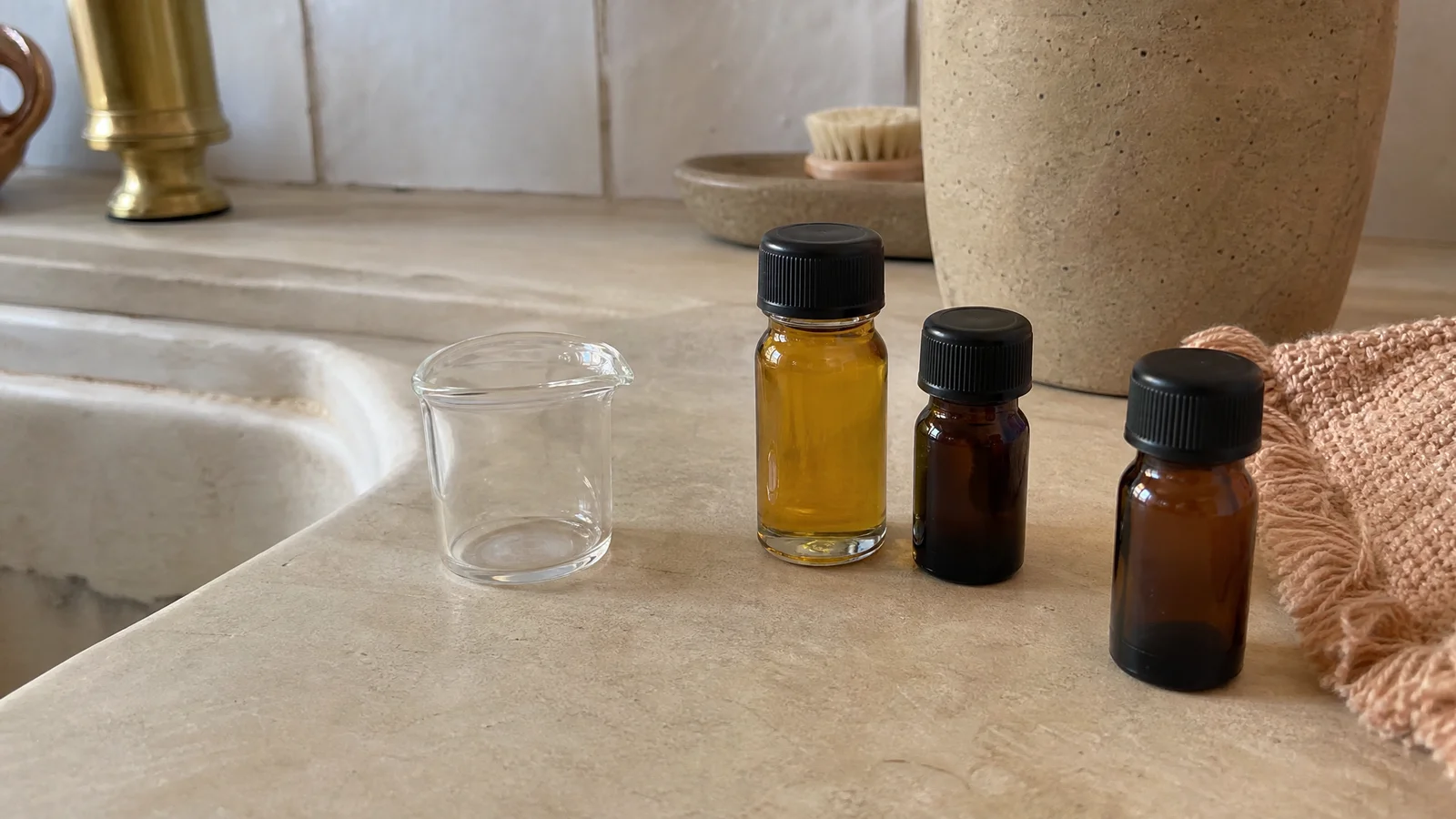
Do the same for any dilutions you make: write the oil, the percentage and the date on a small label. A label you wrote yourself is the one you will actually read.
Putting it to work
With any bottle, spend thirty seconds on three things: a Latin binomial, a plant part and a way to reach the seller with a question about the batch. Our own paperwork covers the first two on the Certificate of Analysis, which also records appearance, smell, a relative density of 0.890 and a refractive index of 1.465 for the published batch. For anything beyond that, a short written question is the right tool, and it is worth asking of every seller you buy from. The buying guide lists the questions we would ask.
A label is a small piece of writing, and most of its value is on the first two lines.
Rosalina Essential Oil
Rosalina Essential Oil from our own shop, in sizes from 0.5 oz to bulk.
From $16.99
Shop Now →Sources & Further Reading
- Valarezo E et al., 2026. Essential Oil of Melaleuca ericifolia Sm.: Chemical Composition, Enantiomeric Distribution, and Antimicrobial, Antioxidant, and Anticholinesterase Activities. Molecules 31
- Brophy JJ and Doran JC, 2004. Geographic variation in oil characteristics in Melaleuca ericifolia. Journal of Essential Oil Research 16(1):4-8 (abstract)
- FDA. Summary of Cosmetics Labeling Requirements