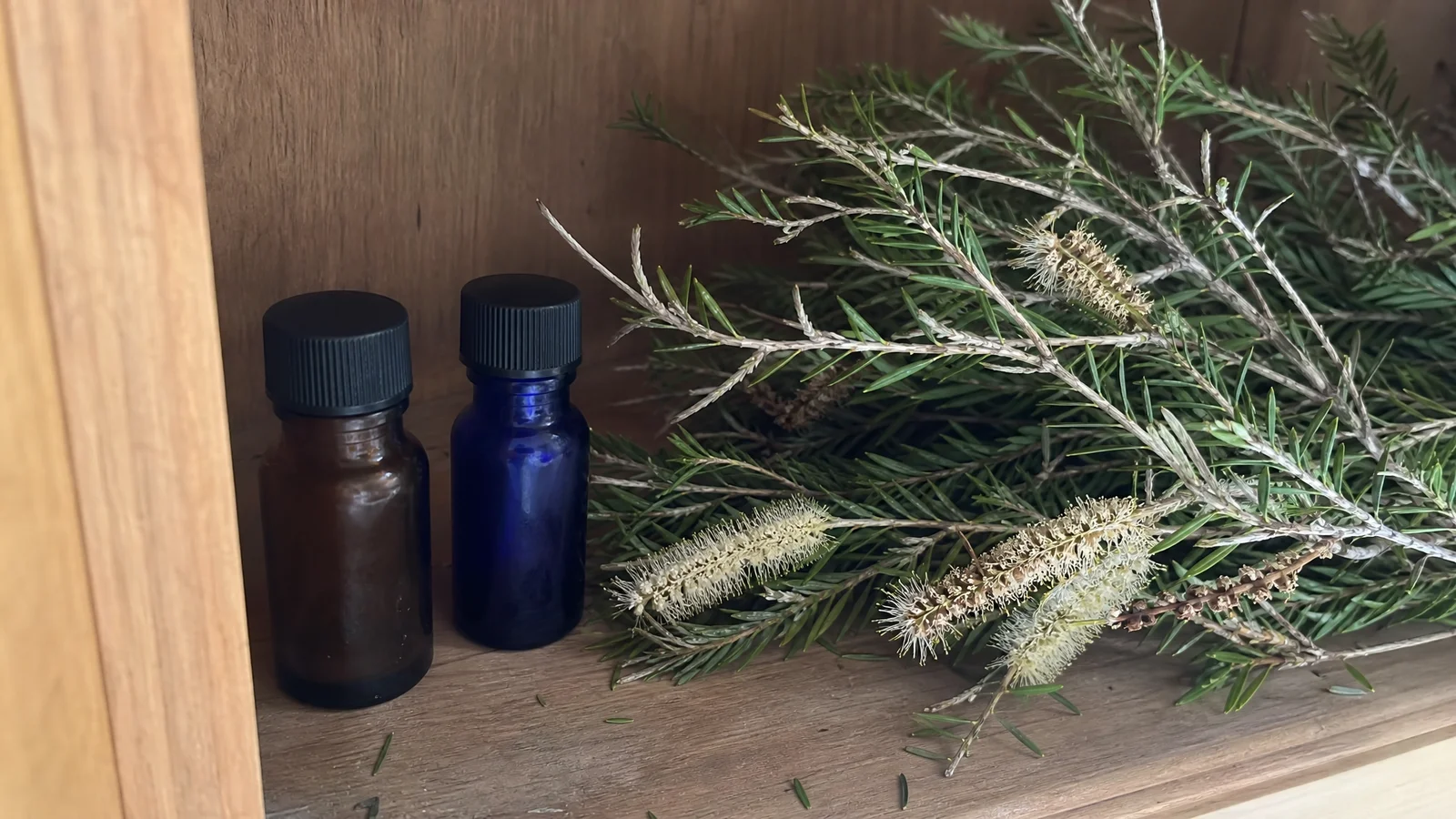
How to Store Rosalina Oil So It Stays Fresh
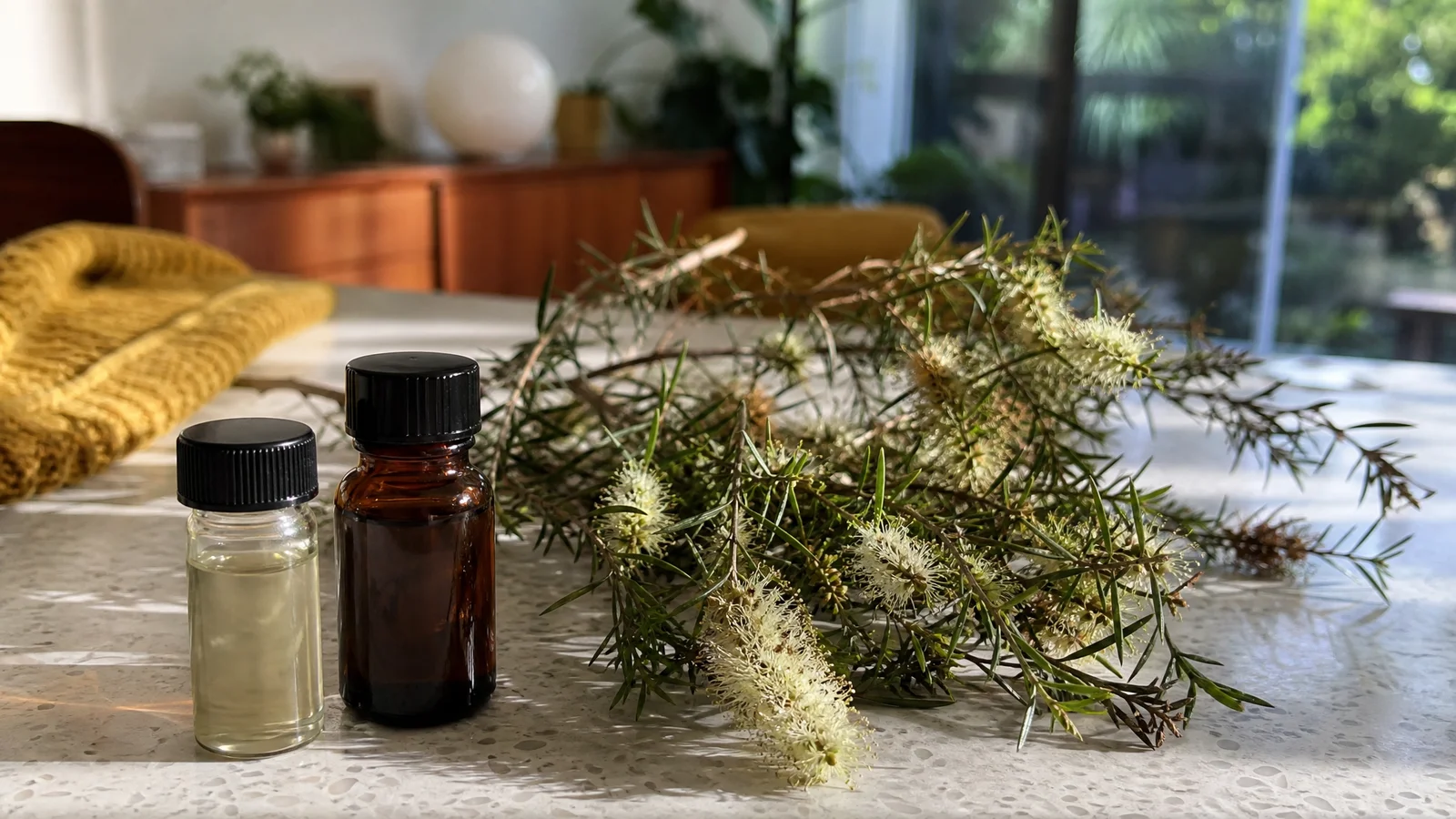
Open a bottle of rosalina oil and the first thing you notice is that green, floral-leaning freshness. That freshness is made of volatile compounds, which is exactly why they leave when given the chance. Keeping the oil well is mostly a matter of shutting the door on air, light and heat.
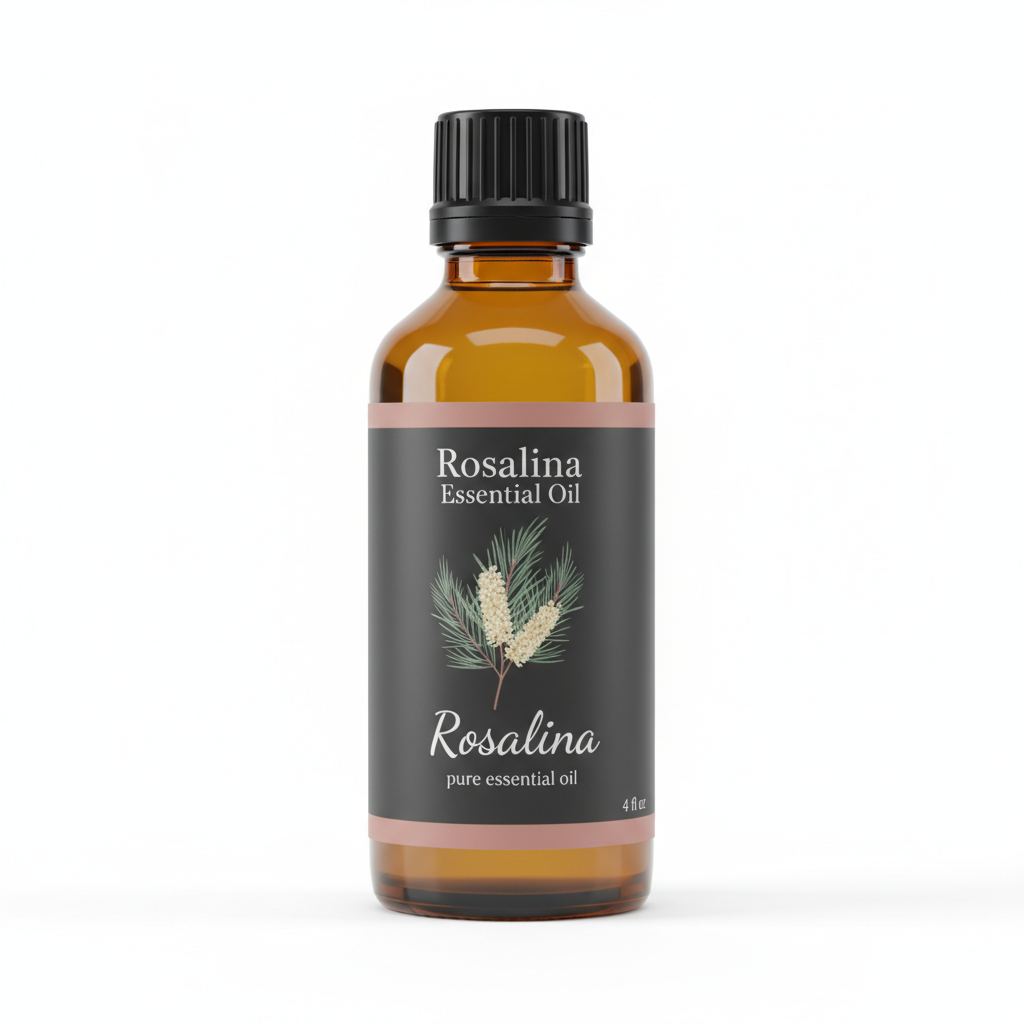
Rosalina Essential Oil
Our own Rosalina Essential Oil, in sizes from 0.5 oz to bulk.
From $16.99
Shop Now →What we do, and why
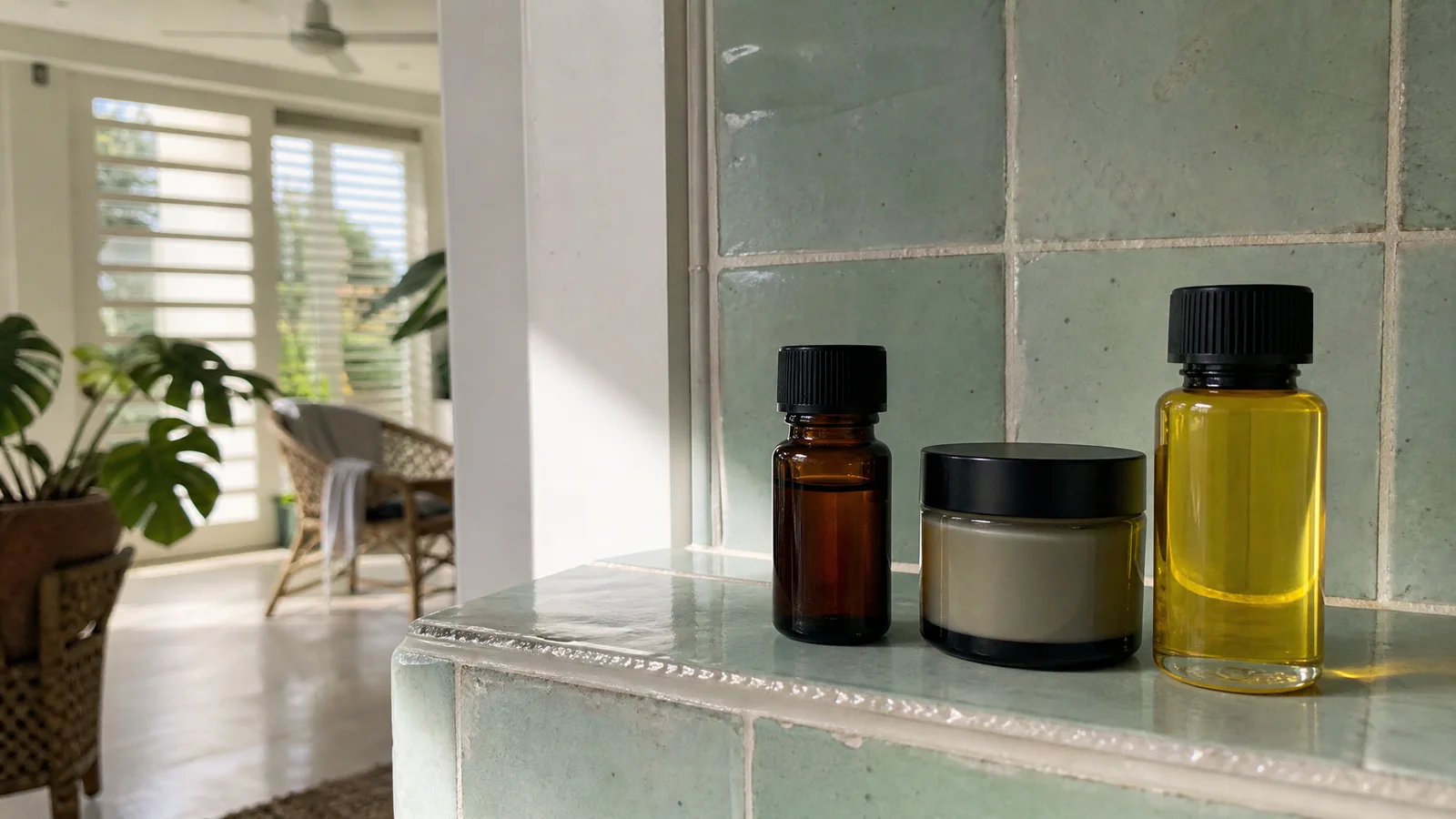
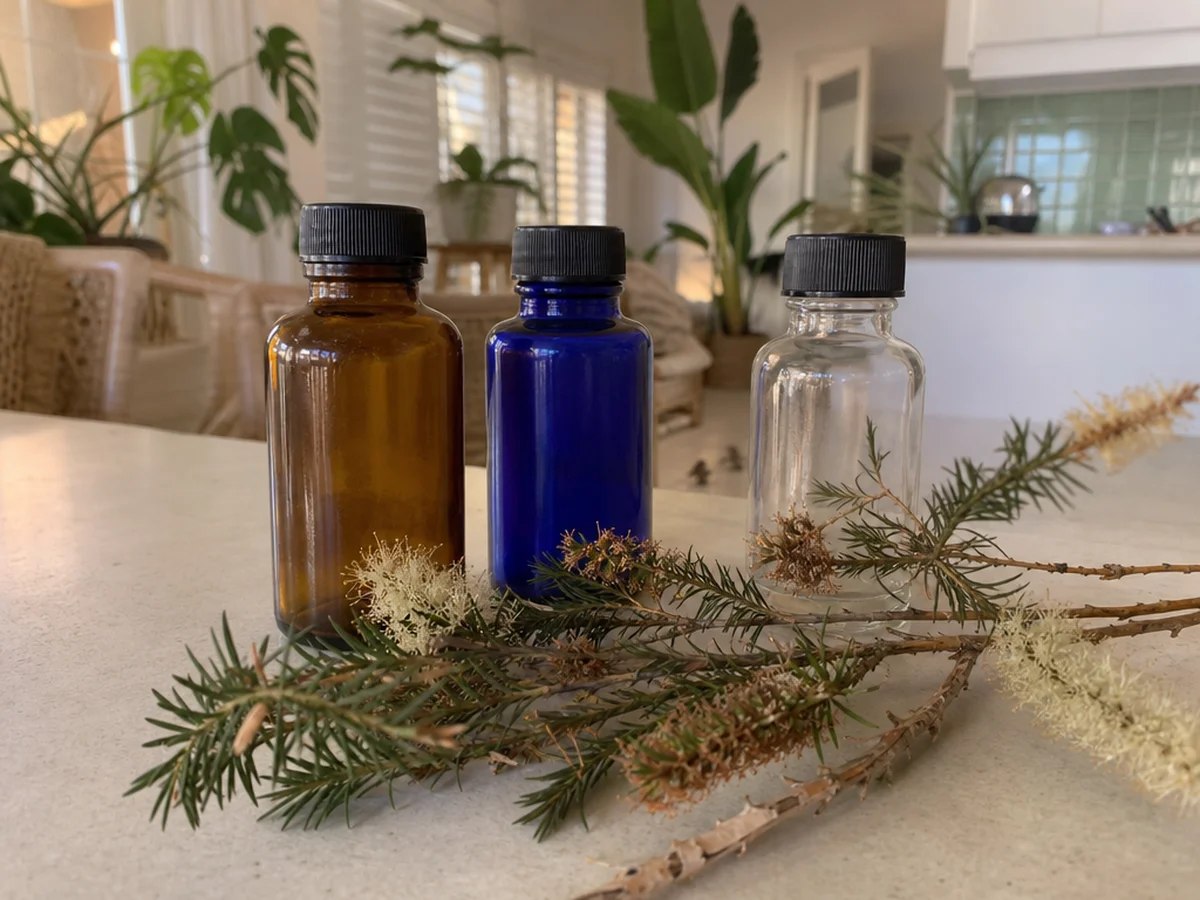
Our guidance is simple: store the oil tightly capped in a cool, dark place, and reseal the bottle after every use. We pack it in amber glass in every size, because Melaleuca oils turn faster in clear glass. For larger containers, keep them sealed and decant a working amount into a smaller airtight bottle. The oil then spends most of its life in a full, closed container instead of a half-empty one with a lot of air in it. We describe the shelf life as typically two to three years, and we would plan toward the shorter end if you use it on skin.
What wears an oil down
The clearest statement we found comes from a review of tea tree oil, a close relative in the same genus. Its authors say light, heat, air and moisture all affect stability, and recommend storing the oil dark, cool and dry in a container with little air. They add that the composition can drift during storage, and that allergic reactions to the oil are linked mainly to oxidation products in aged or poorly stored oil (Melaleuca alternifolia (Tea Tree) oil: a review of antimicrobial and other medicinal properties). It is a different species, so we treat it as a guide to the direction of travel, not a measurement of our oil.
Linalool, a common aroma compound that turns up in many essential oils, shows the same pattern in detail. Pure linalool is weakly allergenic at most, but air-oxidised linalool is a significant contact sensitiser: in a patch-test study of 3,418 dermatitis patients, positive reactions rose from 0.83% to 7.2% as the test concentration of oxidised material went from 2% to 11% (Linalool - a significant contact sensitizer after air exposure). Those were patients with dermatitis and a deliberately oxidised material, so it does not predict what an aged bottle would do on your skin. It does explain why the standard advice keeps coming back to air.
A routine that fits in a drawer
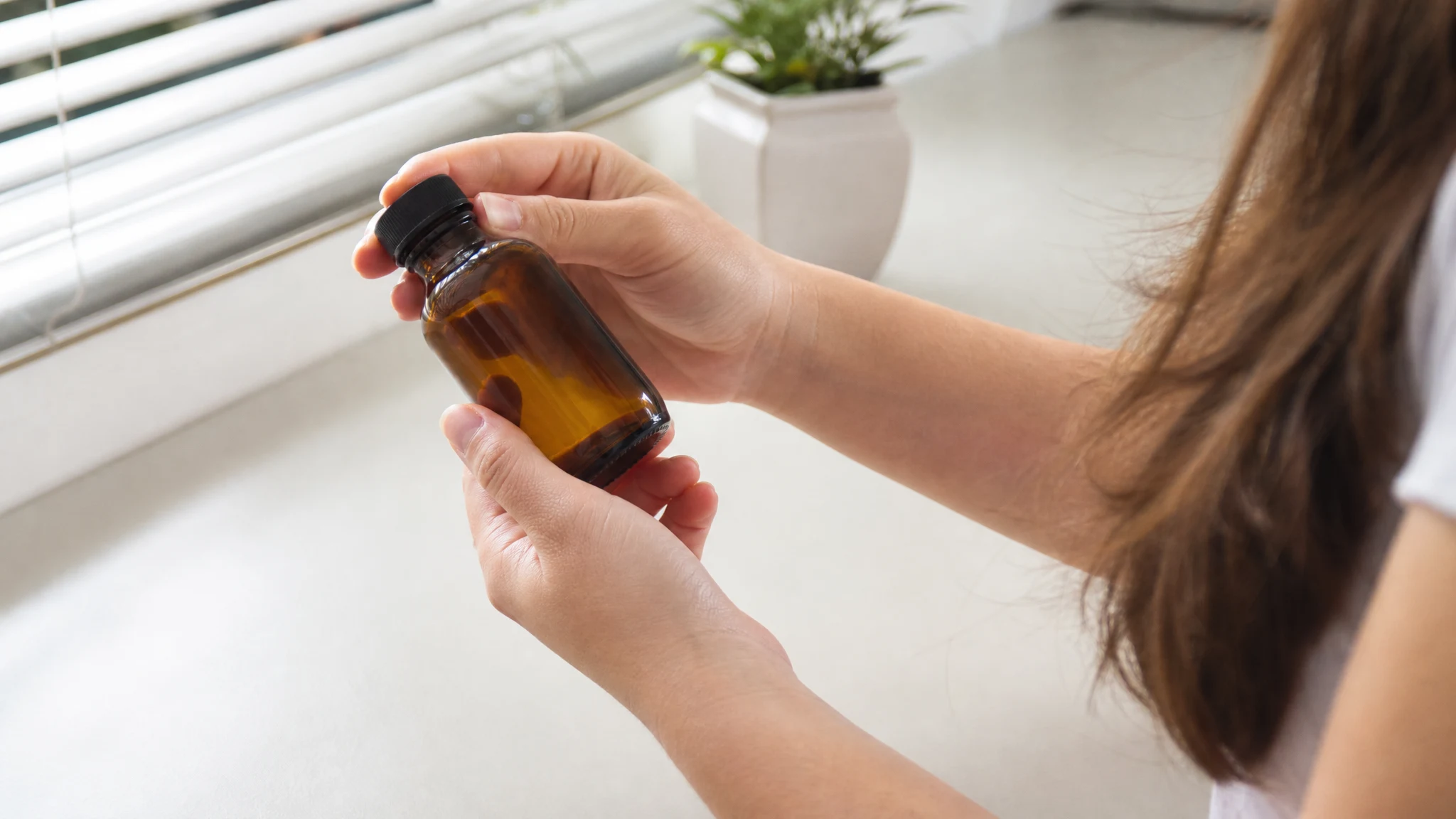
- Cap it, every time. Open, use, reseal. This is the one variable you control daily.
- Keep it dark. A closed drawer or box beats a sunny shelf.
- Keep it cool. Avoid radiators, sunny windowsills, car dashboards, and the shelf beside a diffuser that runs warm.
- Write the date you opened it. Open time is a clock of your own, separate from any date on the packaging, and it costs one line of marker.
- Label what you dilute. Put the percentage and the date on any blend, and make modest batches. The dilution article has the arithmetic.
A little shelf ritual
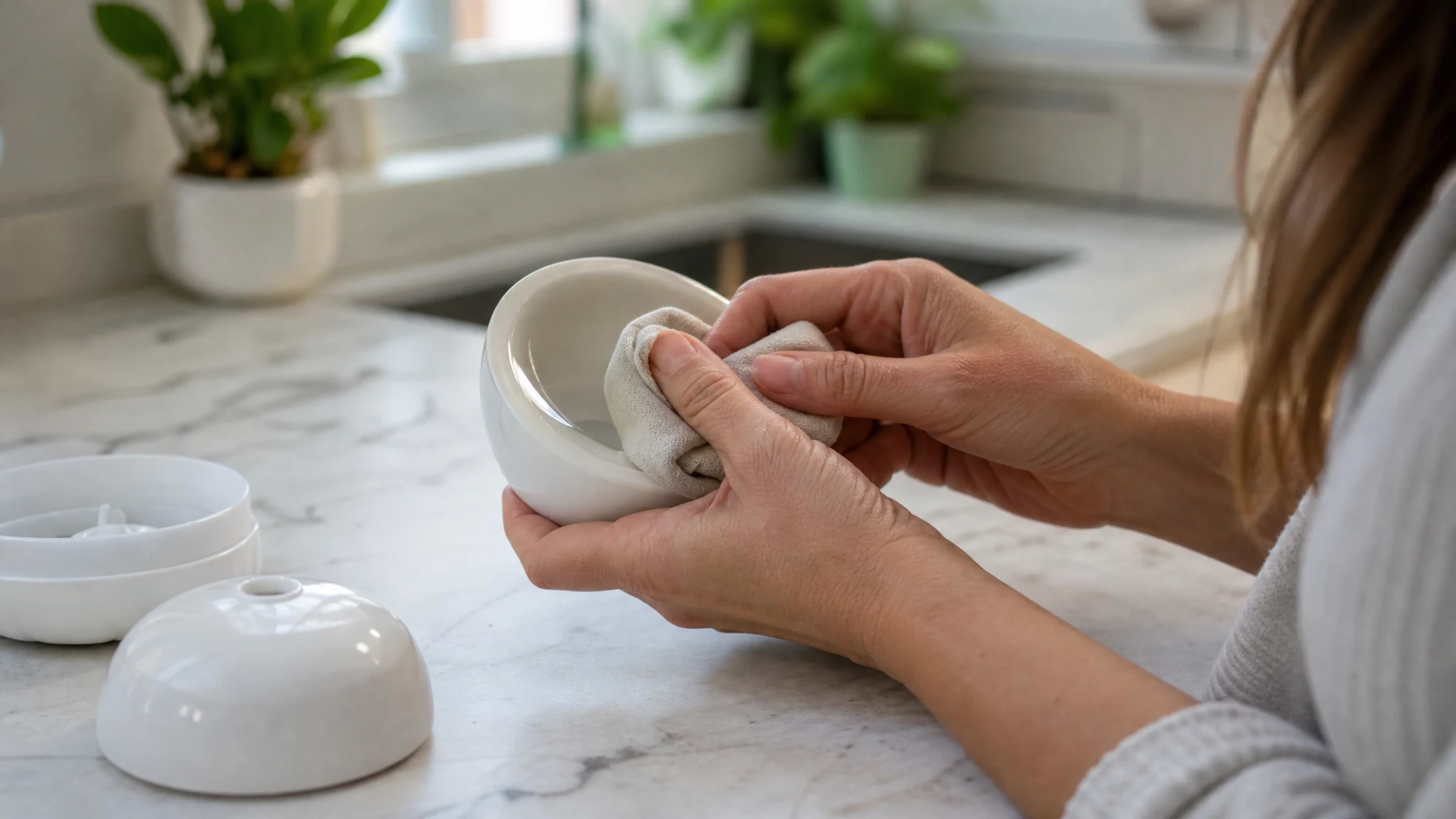
Give the bottle one permanent home, such as a small box or tin with a lid in a drawer away from the stove and the windowsill. Wipe the neck with a dry tissue before capping, since a sticky rim can stop the cap sealing properly. Write the date you first opened it on the label, and put the bottle back every single time. Habits like these cost nothing, and they are the difference between an oil that stays pleasant and one that drifts.
Pick a size you will finish
A half-empty bottle holds as much air as oil, so the amount you buy decides how long the oil sits open. Here is the arithmetic, using 20 drops per ml and 29.57 ml per ounce: a 0.5 oz bottle holds roughly 300 drops and a 1 oz bottle roughly 600. At about three drops a day, the smaller bottle lasts around three months. A 16 oz bottle holds more than 9,000 drops, which is a long time to use at a few drops a time. So if you use the oil a few drops at a time, a smaller size is the one you will finish while it is fresh, and the larger sizes make sense when you go through it quickly. Our size guide walks through choosing one.
When it is time to retire a bottle
No smell or colour test gives a verdict on rosalina oil, and the kitchen-table checks people circulate do not establish quality either, which our article on home purity tests explains. Our judgment, based on the oxidation evidence above, is simple. If a bottle has been open for a long time, was left uncapped, sat warm or in sunlight, or smells noticeably different from when you first opened it, keep it away from skin. Use a newer bottle for anything leave-on, and ask your local waste authority about household hazardous waste rules for the old one instead of pouring it down a drain.
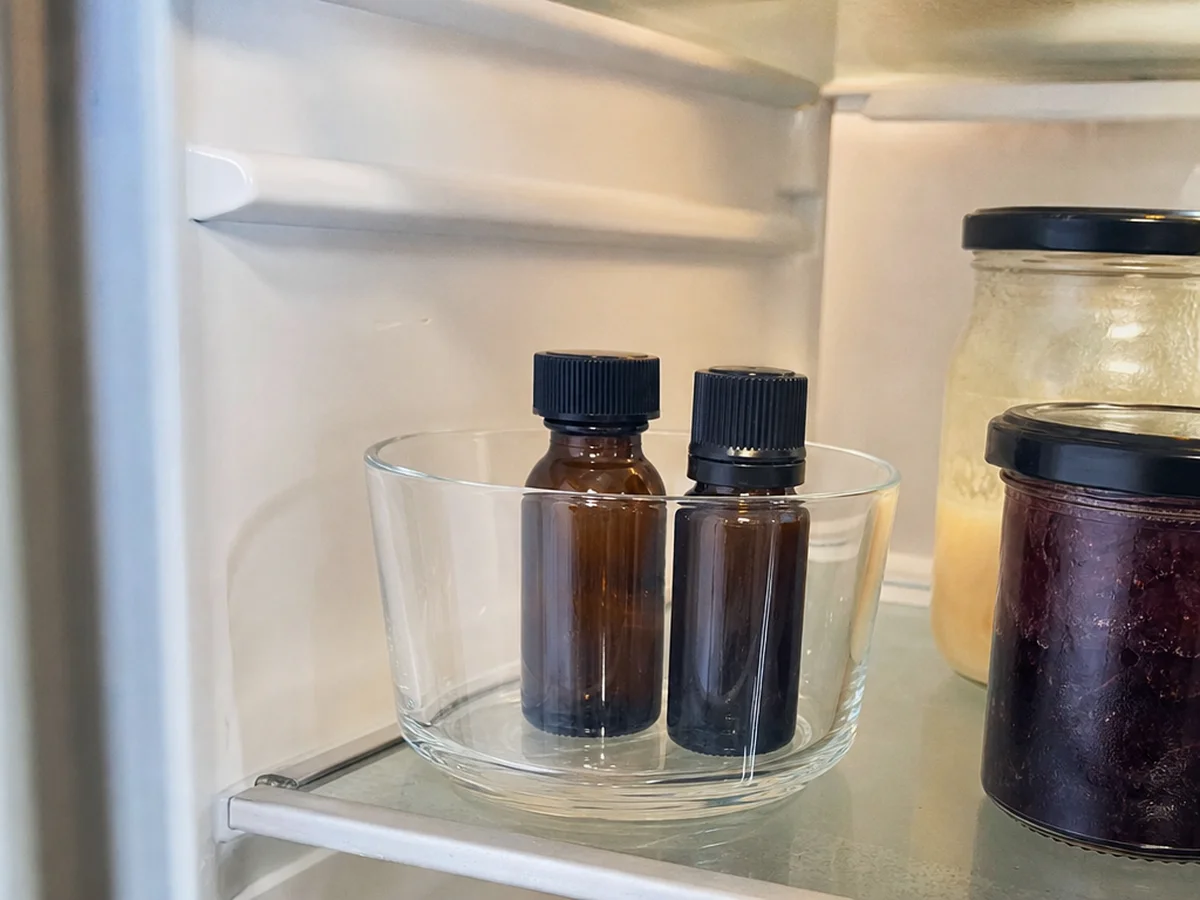
When you open an older bottle, take a moment to smell it and compare it with your memory of the first day. Nothing here is a lab test, only an observation, but a bottle that smells noticeably different is a good reason to keep it for the room rather than for your skin.
Storage is safety, too
Keep the oil out of the reach of children and pets. Poison Control advises locking essential oils away, out of sight and reach (Essential oils: Poisonous when misused). If someone swallows an essential oil, call the poison center at 1-800-222-1222.
A tight cap, a dark drawer and a size you will finish: that is the whole routine, and it keeps the oil smelling the way it did on day one.
Rosalina Essential Oil
Rosalina Essential Oil from our own shop, in sizes from 0.5 oz to bulk.
From $16.99
Shop Now →Sources & Further Reading
- Carson CF, Hammer KA, Riley TV, 2006. Melaleuca alternifolia (Tea Tree) oil: a review of antimicrobial and other medicinal properties. Clinical Microbiology Reviews 19(1):50-62
- Christensson JB et al., 2010. Linalool - a significant contact sensitizer after air exposure. Contact Dermatitis
- Essential oils: Poisonous when misused, Poison Control