What Is Rosalina Oil? The Lavender Tea Tree Explained
Rosalina oil comes from a shrub that grows in Australian swamps, belongs to the same genus as tea tree, and is nicknamed the lavender tea tree. Each of those clues is true, and none of them is the whole picture. The most interesting thing about rosalina is how much one species can vary, and knowing that makes you a sharper buyer and a better blender.
Rosalina Essential Oil
Our own Rosalina Essential Oil, in sizes from 0.5 oz to bulk.
From $16.99
Shop Now →The plant behind the name
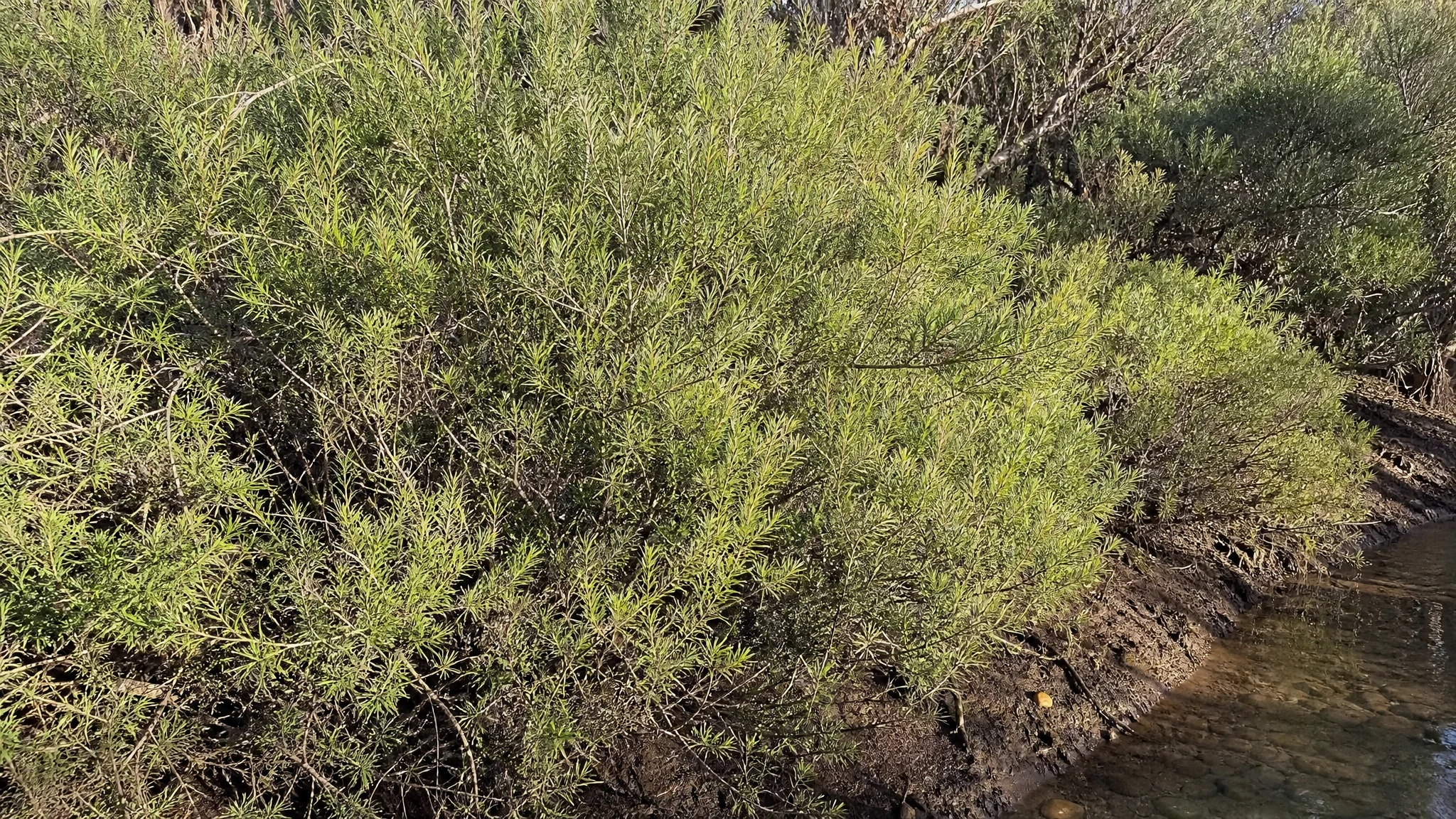
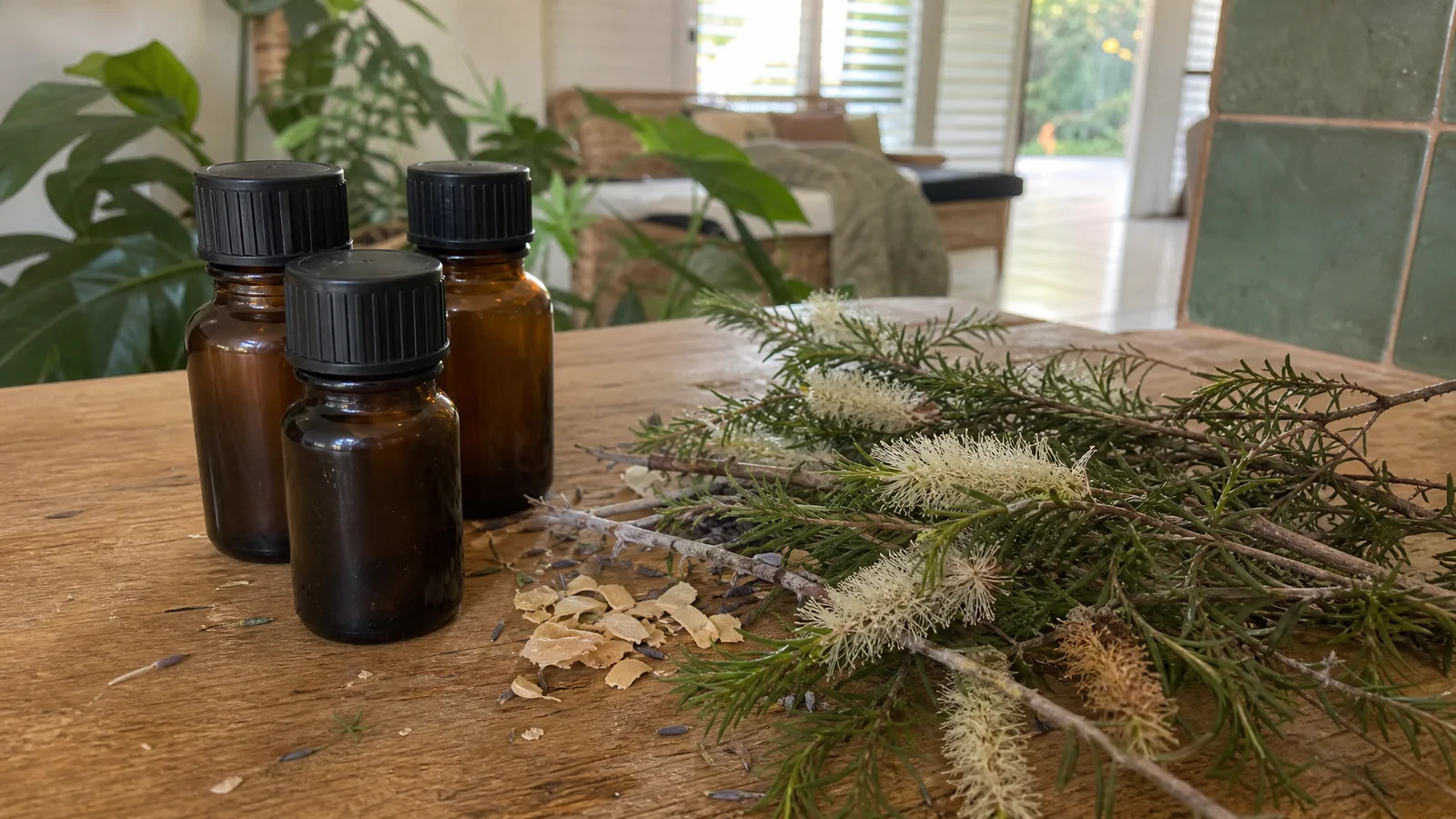
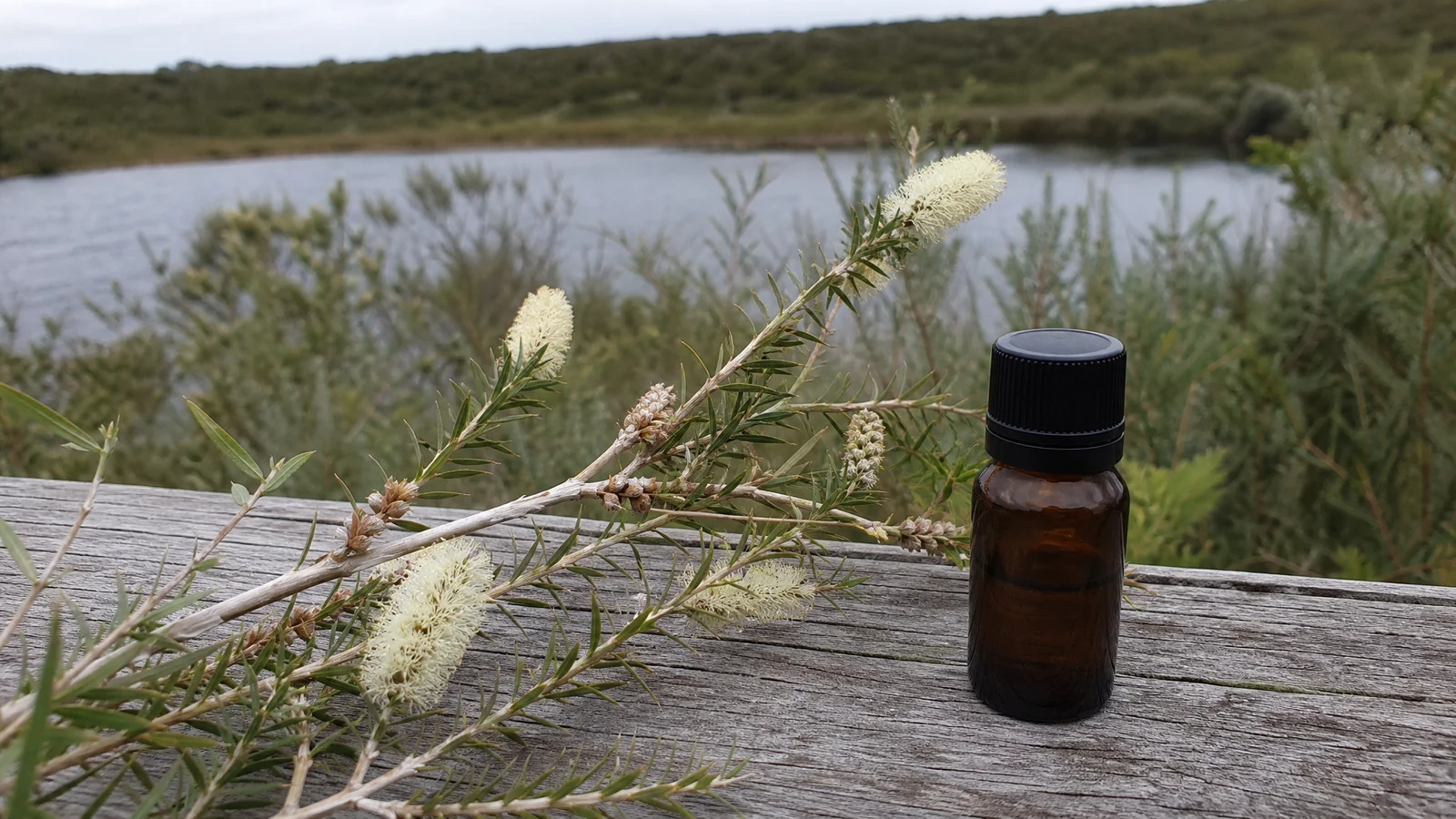
The plant is Melaleuca ericifolia, which the Royal Botanic Garden Sydney's flora describes as a shrub or small tree up to about 8 metres tall, with corky bark, needle-like leaves roughly 7 to 15 mm long, and white flower spikes in summer. It grows in heath, along stream banks and in low coastal swamps, south from the Hastings River in New South Wales and into Victoria and Tasmania, and its common name there is Swamp Paperbark. "Rosalina" and "lavender tea tree" are trade names that botanical sources do not use, so the Latin name is what to look for on a label. Our label-reading article explains why that matters for any oil.
It shares a genus with tea tree (M. alternifolia) and cajuput, but it is a different species and the oils are not interchangeable. Our tea tree comparison sets out the differences.
Why two bottles of rosalina can smell different
Here is where it gets fun. In a survey of leaf oil from populations across the species' natural range, Brophy and Doran found that yield was highest in New South Wales, around 3.2% of the dry leaf weight, and lowest in western Victoria and north-western Tasmania, around 0.6%. Composition shifted gradually with latitude. Linalool, the soft floral molecule that also gives lavender much of its character, was highest in the north and declined heading south, while 1,8-cineole, which smells sharper and more camphor-like, rose. The southern populations averaged about 34.5% 1,8-cineole and only about 3% linalool, while the best individual tree they found, at Hawks Nest, yielded 4.5% oil with 60% linalool.
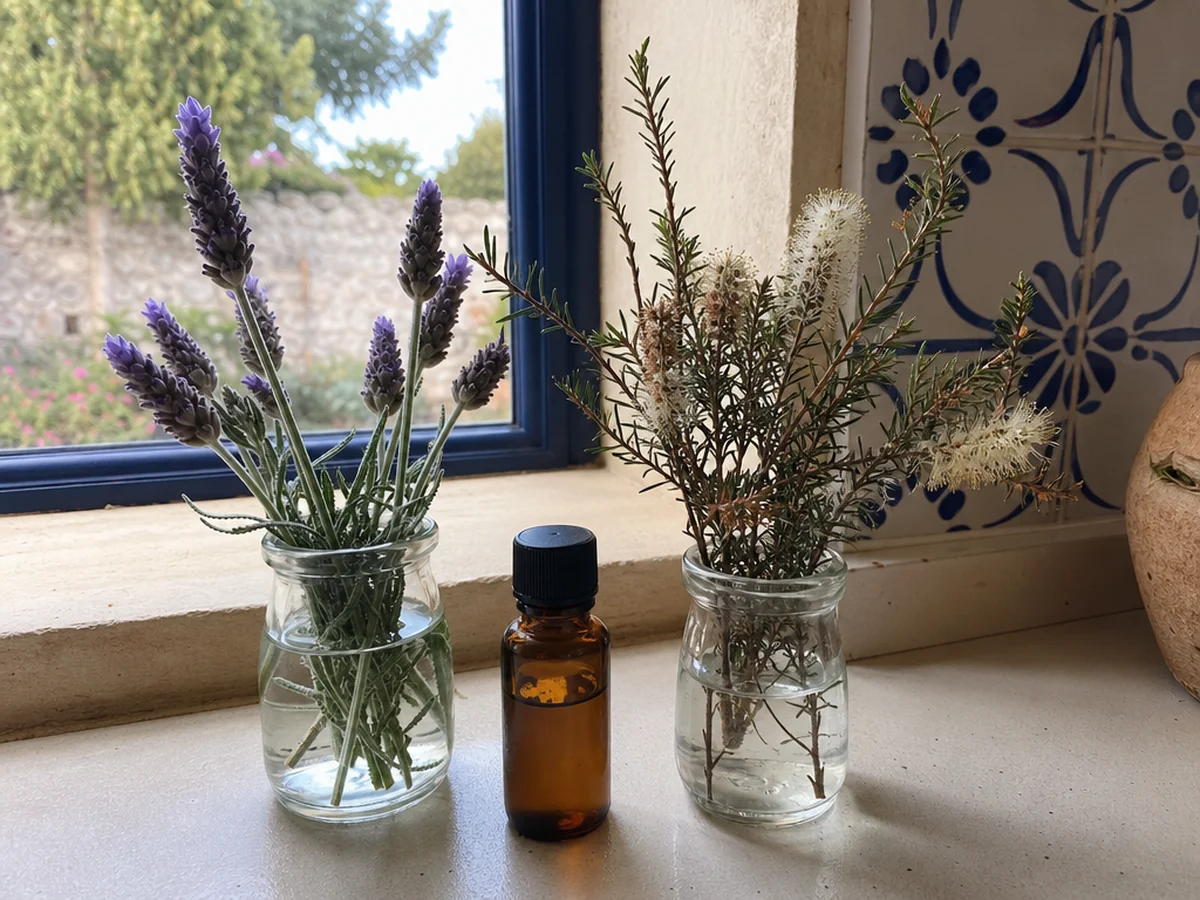
A 2026 paper on an oil from cultivated plants in Ecuador adds another data point: that oil was 61.85% 1,8-cineole, and the authors note that the literature describes at least three distinct chemical profiles, dominated by linalool, 1,8-cineole or methyl eugenol. Put together, the picture is that the name of the plant does not fix the composition. Where the leaves grow, and how a lot is made, can move the oil a long way from one style to another.
The yield numbers have a practical meaning too. Taking them as percentages of dry leaf weight (our arithmetic, not the authors'), a kilogram of dry leaf from a 3.2% population gives about 32 g of oil, and from a 0.6% population only about 6 g, so the lower-yielding source needs roughly five times as much leaf for the same bottle. It is one reason a rarer plant's oil can be harder to come by.
Our rosalina
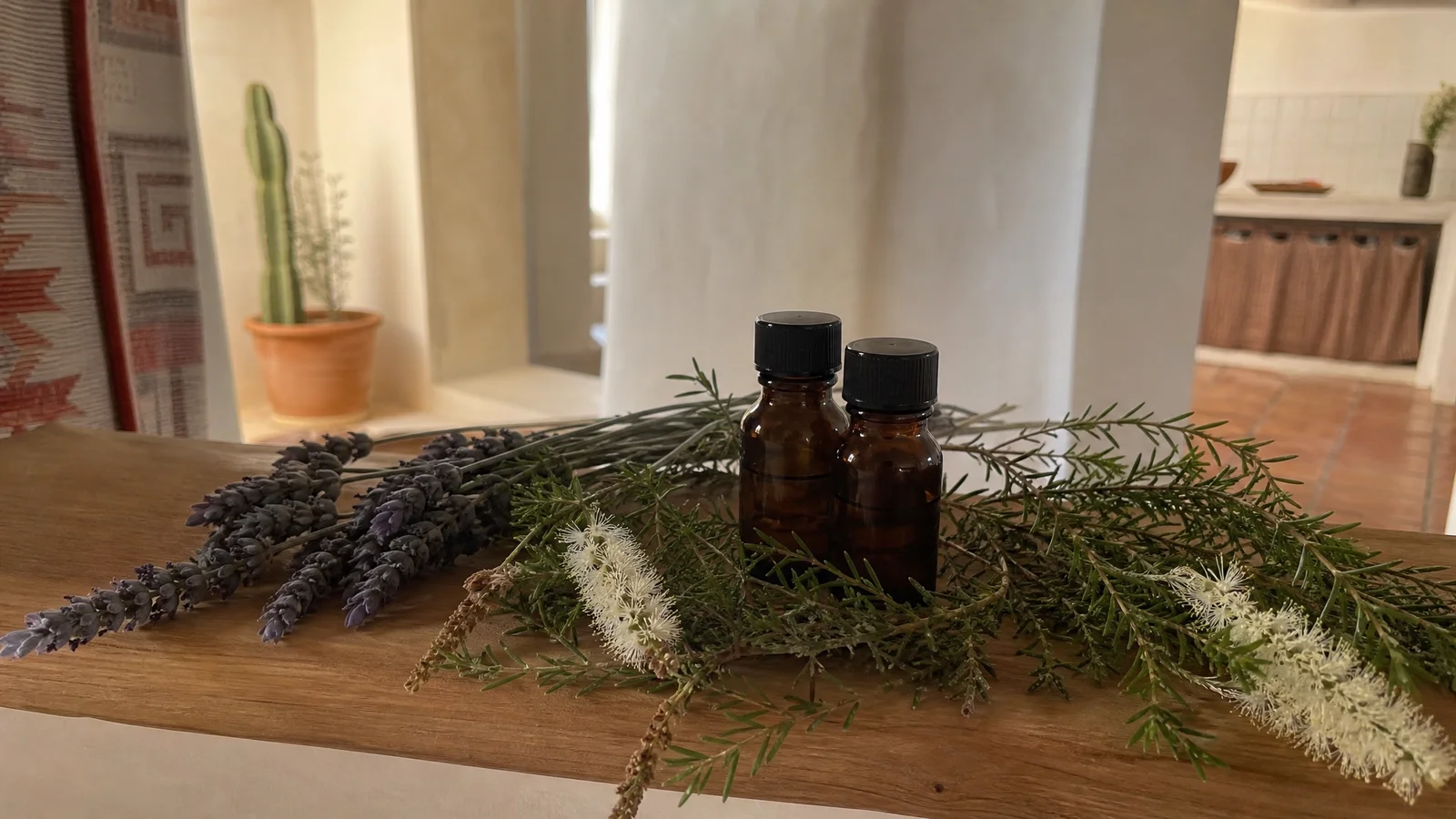
We sell one product, Rosalina Essential Oil, steam-distilled from the leaves of Melaleuca ericifolia and sold neat. We describe the aroma as soft and fresh with a green opening and a floral sweetness, a middle note with a fresh top edge, and we suggest blending it with lavender, chamomile, mandarin, eucalyptus or clary sage. The Certificate of Analysis we publish for one batch records a relative density of 0.890 and a refractive index of 1.465 at 20 C, both inside the printed standards, and it does not list constituent percentages. If composition matters for your project, ask us in writing through the contact page before you order, and keep the answer in writing. Our buying guide lists the questions worth asking any seller.
The chemistry article goes deeper into the two main aroma molecules, and the perfumery article shows how a middle note is used in a blend.
Meeting it for the first time
If you have never smelled rosalina, give it a proper introduction. Put a drop on a paper strip, hold it away from your face and breathe in slowly. The first impression is green and fresh, a bit like a cut stem. Wait a few minutes and the sweeter, floral side comes forward. The scent changes as it dries, and that slow turn is the part we enjoy most.
Who it suits
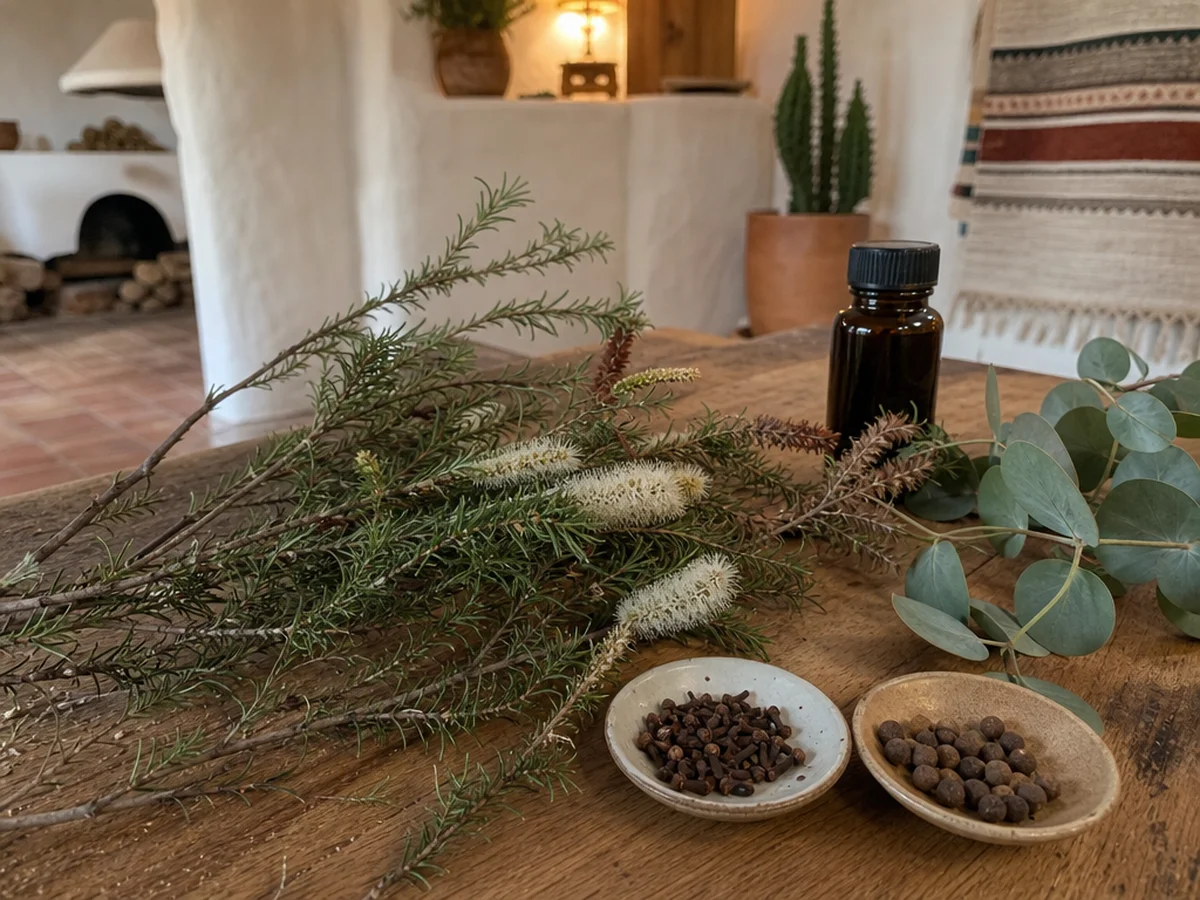
Rosalina tends to appeal to people who like lavender and want something a little leafier, to blenders who enjoy a middle note, and to soap and candle makers looking for a fragrance material with its own character. If you like oils that tell you a story about where they come from, it is a fun one to keep.
Using it well
Rosalina is a concentrated material, sold neat, so dilute before it touches skin. We suggest 0.5% to 2% in a carrier oil, with a patch test first, keeping it from eyes, children and pets, and never swallowing it. Staying near the low end is a sound habit, and the Tisserand Institute's guidance on dilution suggests the same for sensitive areas. We make no medical claims for the oil: it is a fragrance material, and the published studies we found on this species are about plant ecology, chemistry and laboratory work, not people. If you are pregnant or nursing, have sensitive skin, or share your home with a cat, dog or bird, a quick word with your doctor, midwife, dermatologist or veterinarian is the right first step.
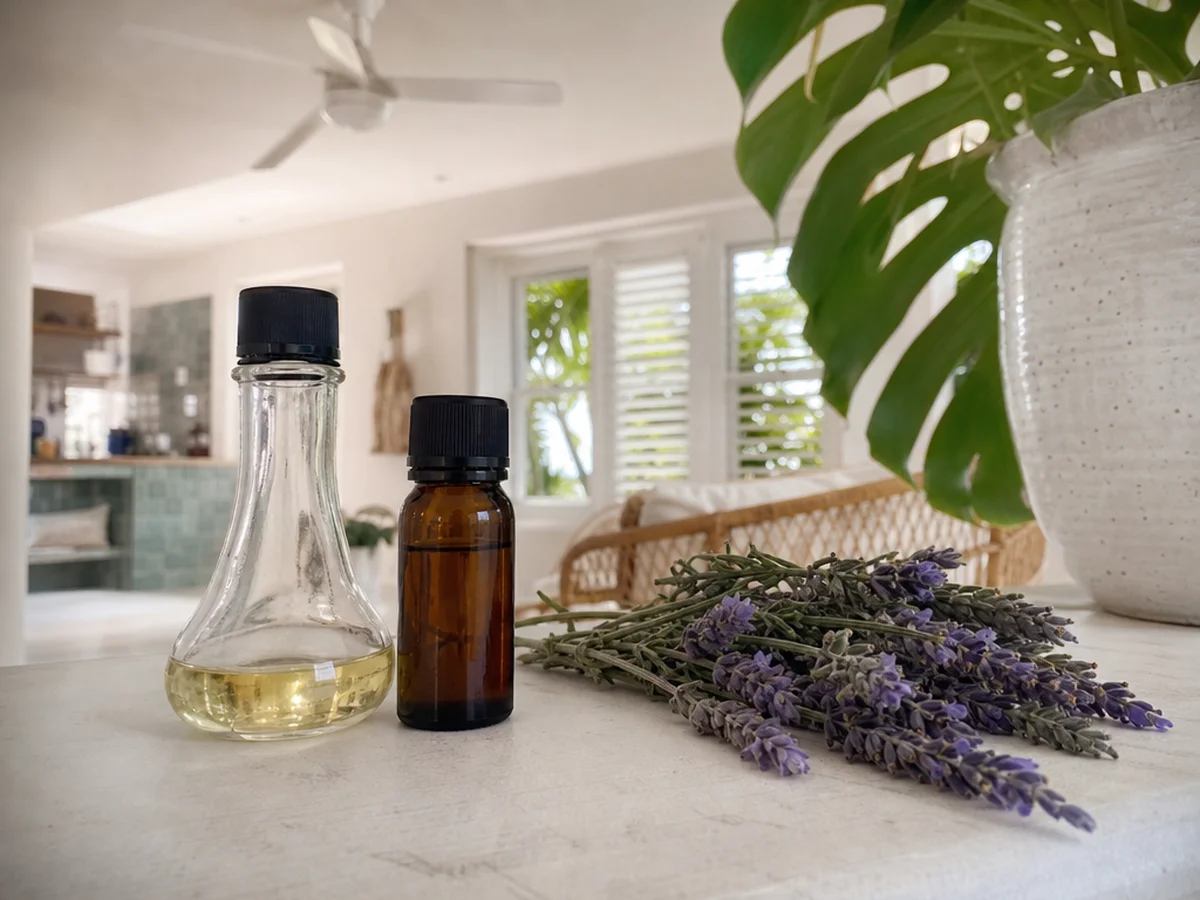
Few oils reward curiosity the way rosalina does, because a single plant can wear so many scents.
Rosalina Essential Oil
Rosalina Essential Oil from our own shop, in sizes from 0.5 oz to bulk.
From $16.99
Shop Now →Sources & Further Reading
- Royal Botanic Garden Sydney, PlantNET - FloraOnline (Melaleuca ericifolia entry)
- Brophy JJ, Doran JC, 2004. Geographic variation in oil characteristics in Melaleuca ericifolia. J Essent Oil Res 16(1):4-8.
- Valarezo E et al., 2026. Essential Oil of Melaleuca ericifolia Sm.: Chemical Composition, Enantiomeric Distribution, and Antimicrobial, Antioxidant, and Anticholinesterase Activities. Molecules.
- Tisserand Institute, Dilution for essential oils