Rosalina vs Tea Tree Oil Prices: A Fair Comparison
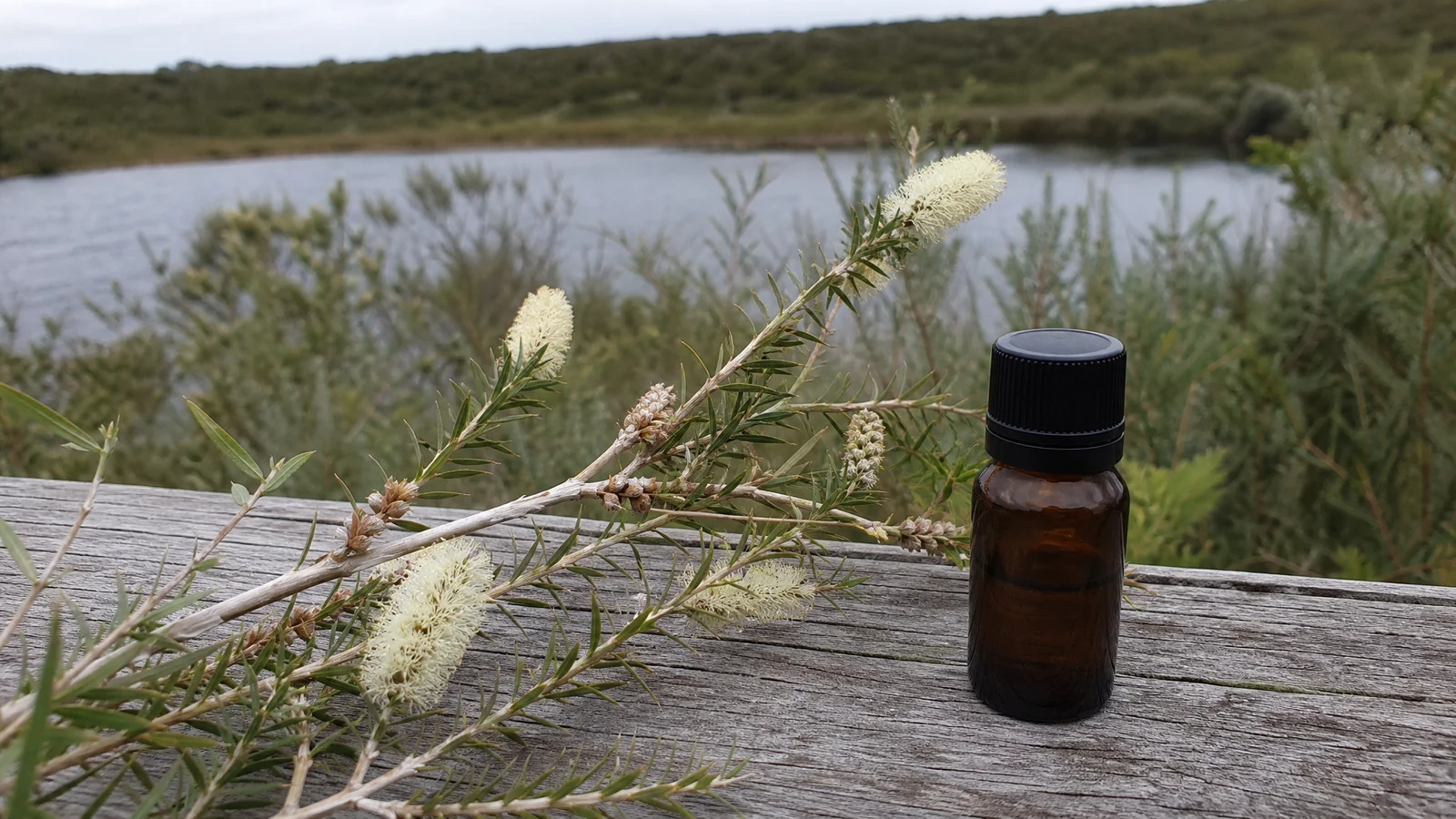
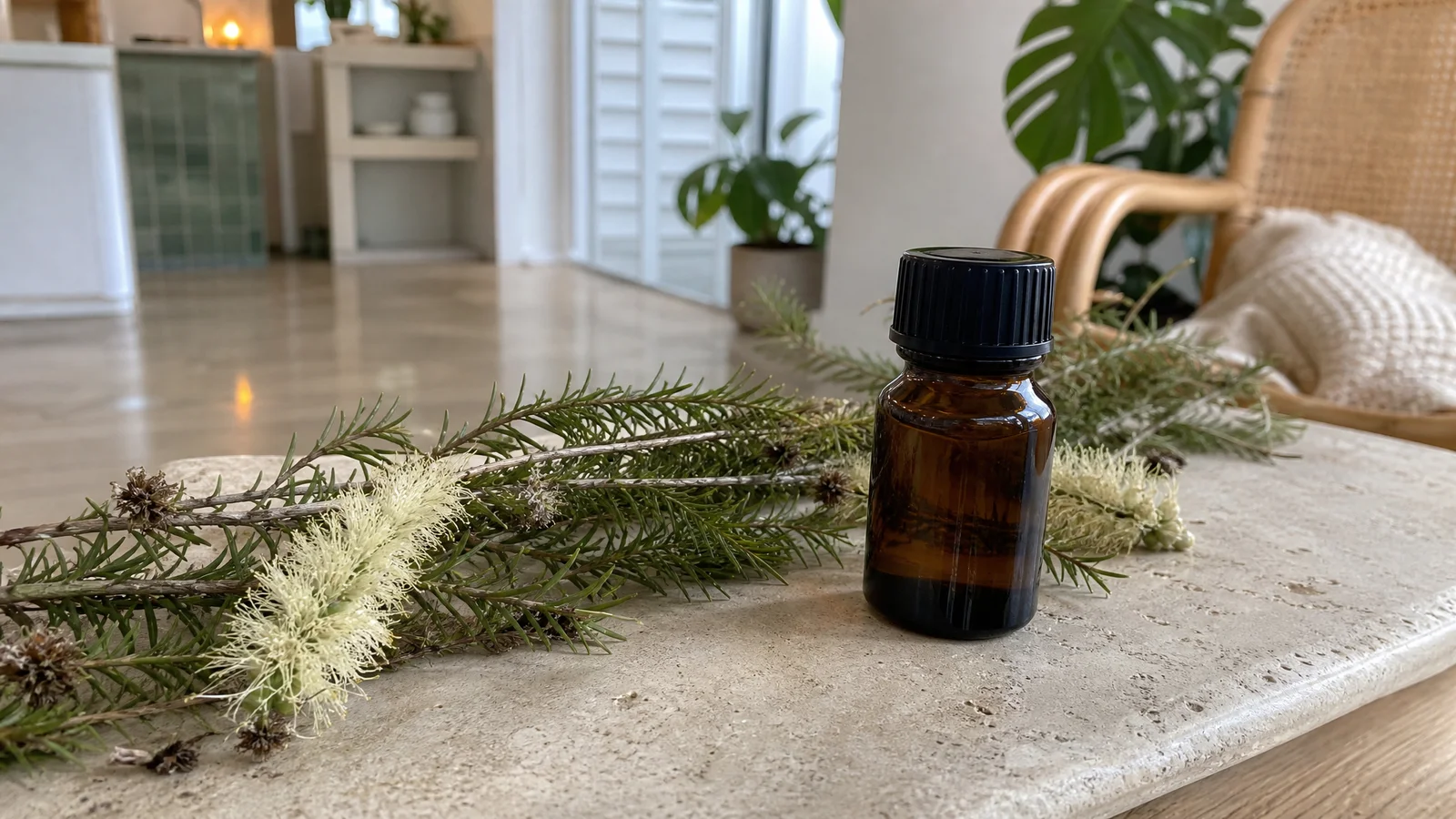
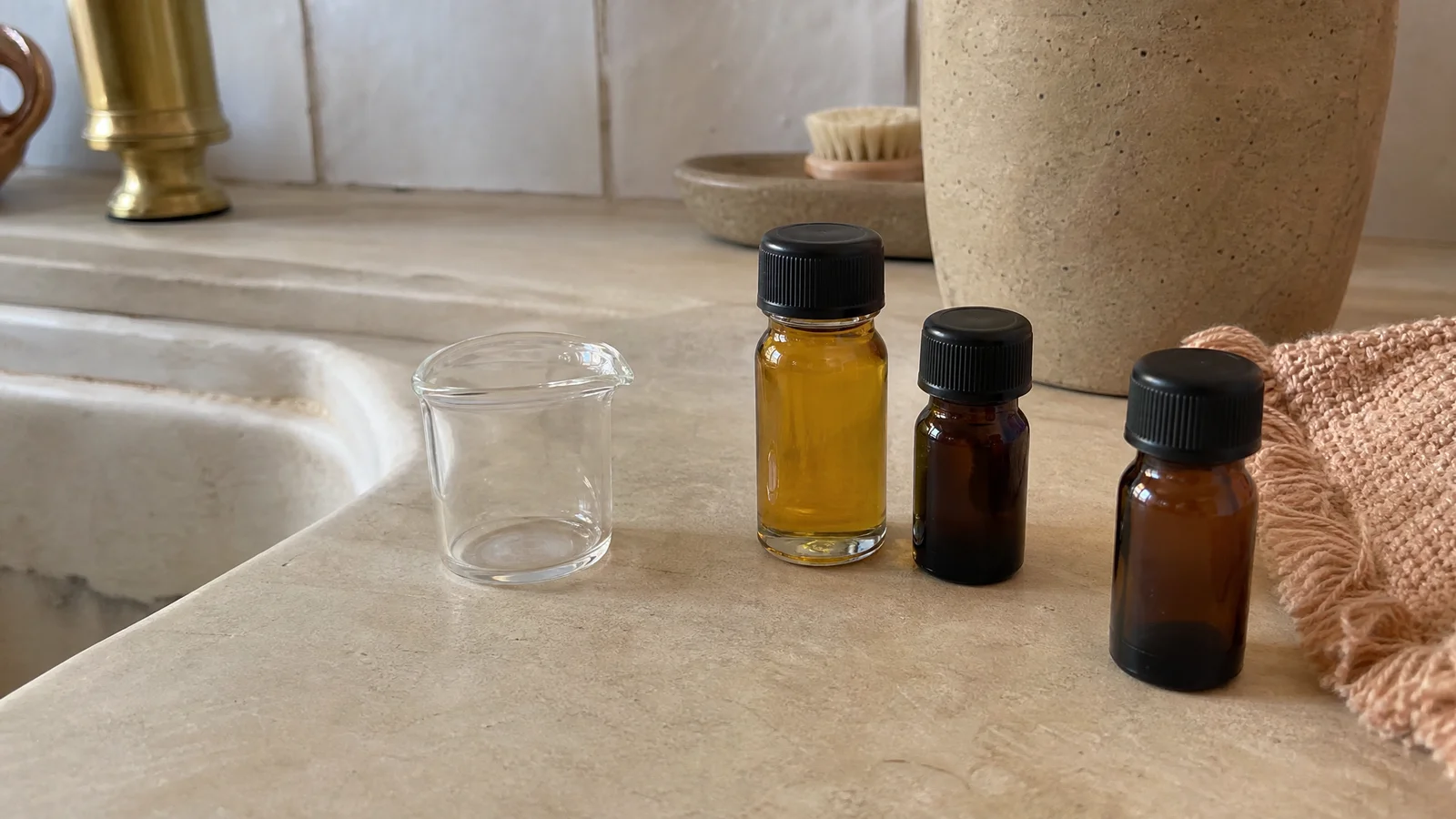
Put a bottle of tea tree oil next to a bottle of rosalina oil and the price tags will probably differ. The natural next thought is that one is a bargain and the other is not. We would hold that thought for a minute, because the two bottles are not as comparable as they look, and the fairest comparison turns out to be about cents per use, not dollars per bottle.
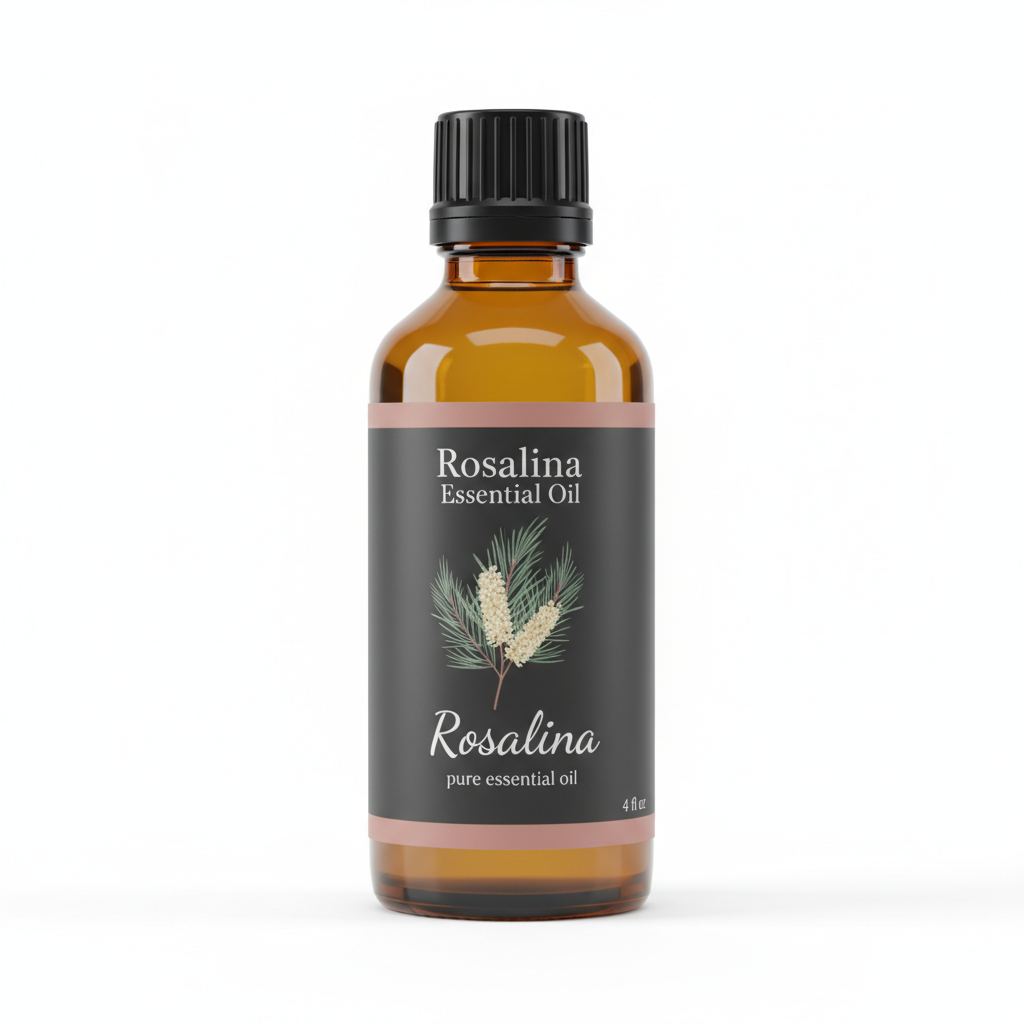
Rosalina Essential Oil
Our own Rosalina Essential Oil, in sizes from 0.5 oz to bulk.
From $16.99
Shop Now →Two oils from one genus, held to different yardsticks
Tea tree (Melaleuca alternifolia) and rosalina (Melaleuca ericifolia) are cousins, and that is where the easy comparison ends. Tea tree oil has an international standard, ISO 4730:2025, which defines the terpinen-4-ol type with terpinen-4-ol at 35.0% to 48.0% and only a trace to 10% of 1,8-cineole. A buyer can ask whether a lot meets those numbers and get a yes or a no.
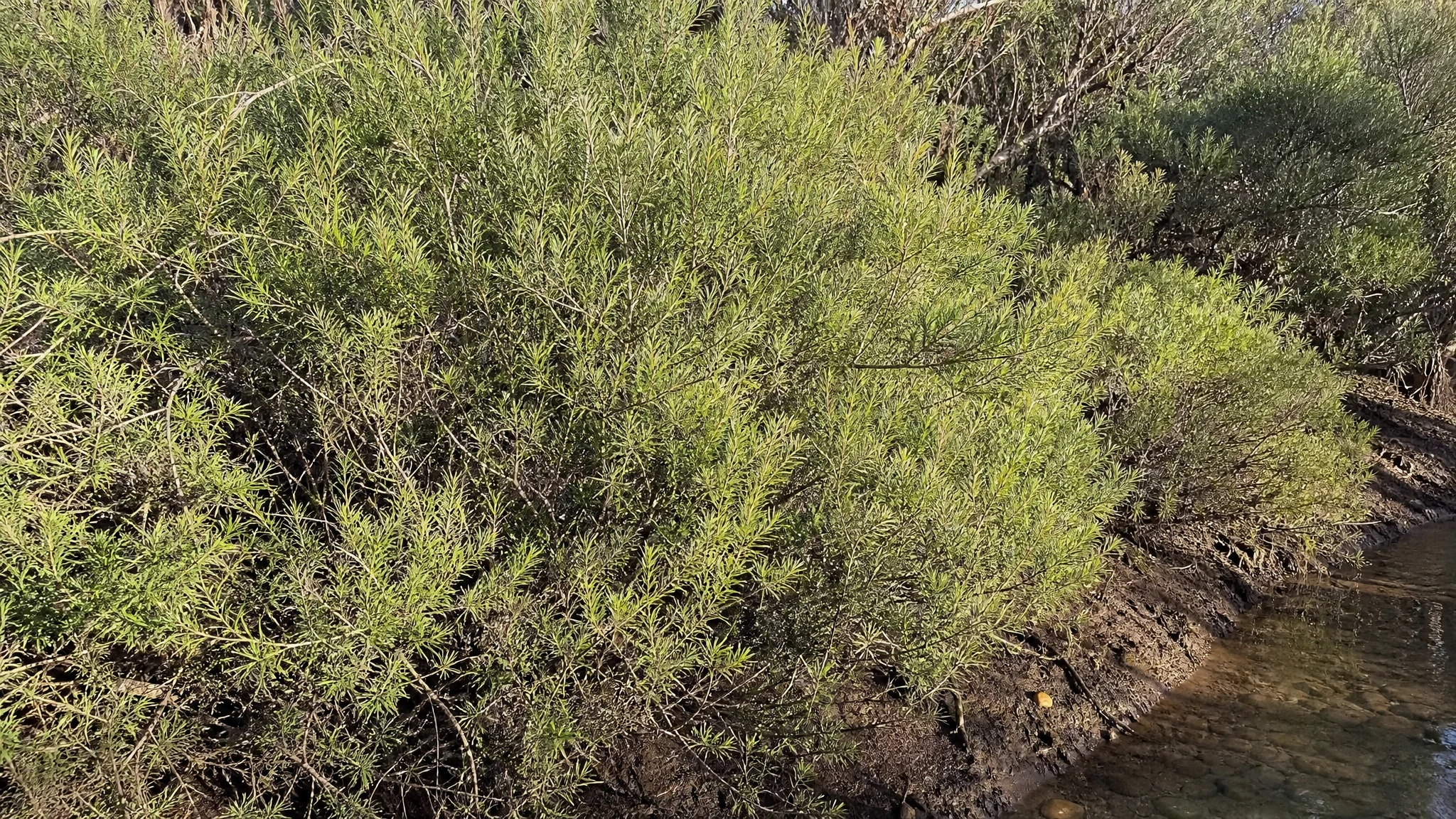
Rosalina has no such shared yardstick that we have found. The published work describes a spread: a 2004 study across southeastern Australia found linalool-led oils in the north of the range and 1,8-cineole-led oils in the south, and a 2026 paper on an Ecuadorian sample reported 1,8-cineole at 61.85%. So two bottles labelled rosalina can be different aroma materials, and a price gap between them tells you less than it seems to. Between rosalina and tea tree it tells you even less, since you are comparing different plants with different chemistry.
Why we do not hand you a reason for the gap
Pages that compare these two oils often explain the difference confidently: rosalina is rare, tea tree is farmed at scale, and so on. We looked for a source that breaks down production costs for either oil and did not find one, so we do not offer a story we cannot back. What the literature does show is that leaf-oil yield for rosalina varies a lot by population, from about 3.2% in New South Wales stands to about 0.6% in western Victoria and northwestern Tasmania. That is a good reason to ask any seller where their oil comes from, and a poor reason to assume anything about price.
Start with a shopping note
When you compare two bottles, write a one-line note for each: species, plant part, size, batch number, and whether a report comes with it. Two bottles with the same line are comparable. Two with different lines are different products, and no price comparison will make them the same. It takes five minutes and it spares you from buying on a hunch.
The arithmetic that matters
Here is a fairer way to weigh two prices, ours or anyone's.
- Bring both to price per millilitre. One ounce is 29.57 ml, so divide the bottle price by the ounces times 29.57.
- Price one use. A 1 oz skin blend at 1% takes about 6 drops, which is roughly 0.3 ml at the common convention of 20 drops per ml (droppers vary, so treat this as approximate). Multiply by your price per ml.
- Check you are comparing the same material. Same species, plant part and extraction, with a batch number and constituent data if the choice matters to you.
As a made-up example: if a 1 oz bottle cost 30 in your currency, that is about 1.01 per ml and about 0.30 per 1% blend. A bottle twice the price would add roughly another 0.30 to each blend. When the oil is used by the drop, a visible price difference turns into small change per use, and the things that really separate bottles are what is in them and whether you will use them up while they are fresh. Our size guide works through that with a drops-per-day table.
We would also say this plainly as a small business owner: the right question is rarely "which is cheaper?" and more often "which will I enjoy using up?" An oil you love opening is worth more than one you are saving for later. If a small bottle makes you smile every time you uncap it, that is a fair kind of value.
Not a swap, at any price
If a recipe calls for tea tree, rosalina is not a stand-in just because it sits nearby on the shelf, and the reverse holds too. The oils have different chemistry, different aromas and different safety literature. The tea tree record is long: a 2016 review of contact allergy found it accounted for more published allergic reactions than any other essential oil since 1991, with most reactions coming from the undiluted oil. That says a lot about how widely tea tree has been used and studied, and nothing either way about rosalina, which has been studied far less. We therefore treat each on its own terms, and for ours we recommend diluting to 0.5% to 2% in a carrier oil, patch testing first, and keeping it away from eyes, children and pets. We also suggest starting near the low end, particularly for the face. Our side-by-side comparison goes deeper into the differences.
Where we land
We sell one rosalina oil, steam distilled, in six retail sizes from 0.5 oz to 16 oz and in bulk sizes, and our shop page shows the current price for each. For a grounded comparison, line up a seller's species, extraction method, batch number and any constituent report before you line up prices. The buying questions article lists what to ask, and the Certificate of Analysis we publish for one batch lists density 0.890 and refractive index 1.465 at 20 C, both inside the printed ranges.
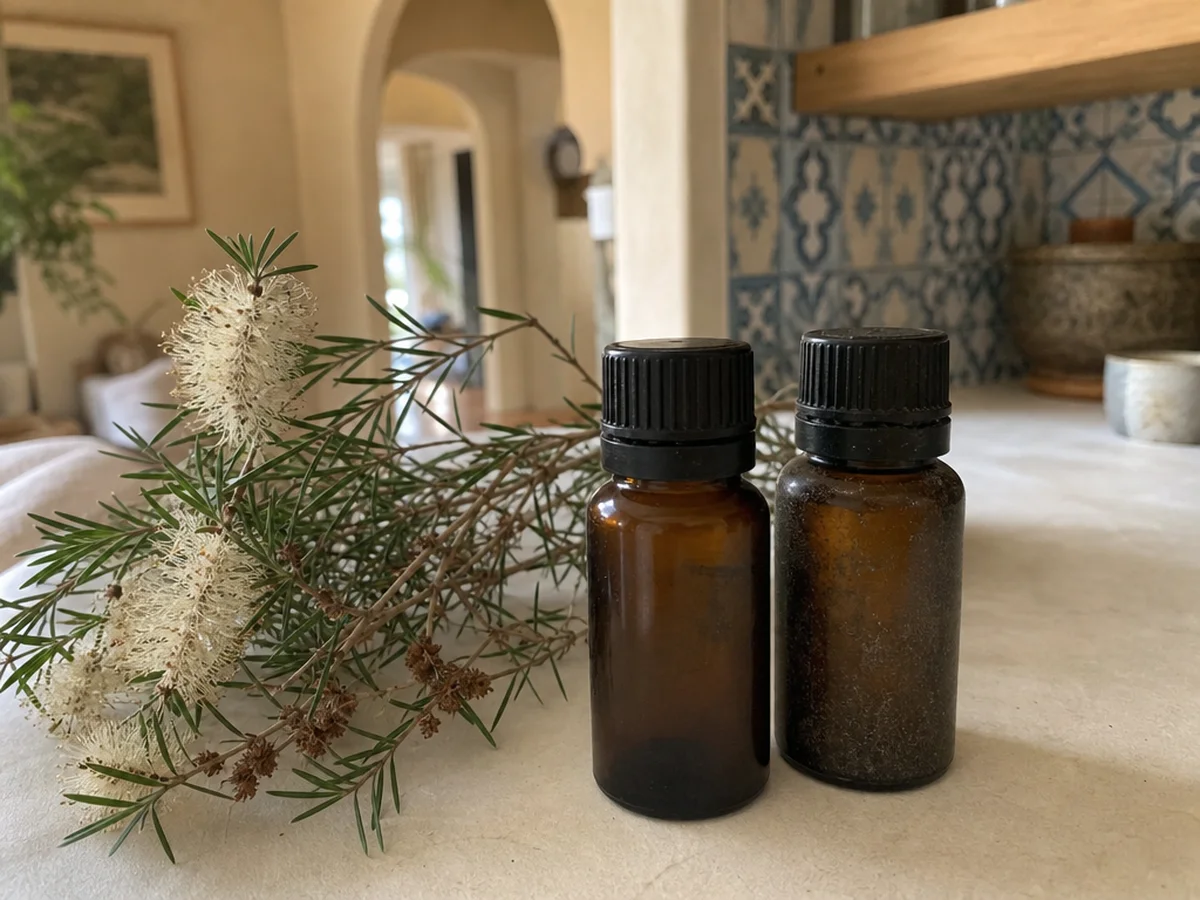
If you want constituent data before you decide, send us a note through the contact page and ask in writing.
Rosalina Essential Oil
Rosalina Essential Oil from our own shop, in sizes from 0.5 oz to bulk.
From $16.99
Shop Now →Sources & Further Reading
- ISO 4730:2025 - Tea Tree Oil Quality and Testing Standard, iTeh Standards catalogue page.
- Geographic variation in oil characteristics in Melaleuca ericifolia, Brophy and Doran, 2004.
- Essential Oil of Melaleuca ericifolia Sm.: Chemical Composition, Enantiomeric Distribution, and Antimicrobial, Antioxidant, and Anticholinesterase Activities, Valarezo et al., Molecules, 2026.
- Tea tree oil: contact allergy and chemical composition, de Groot and Schmidt, Contact Dermatitis, 2016.