How to Use Rosalina Oil: Diffuser, Skin, Bath and More
Open a bottle of rosalina oil and the first thing you notice is the aroma: a green, fresh opening that settles into a soft, floral sweetness we describe as lavender-like. Almost every good use for it follows from that. This is an oil to enjoy for its scent, so the useful question is how to use it well, and a few practical details make the difference.
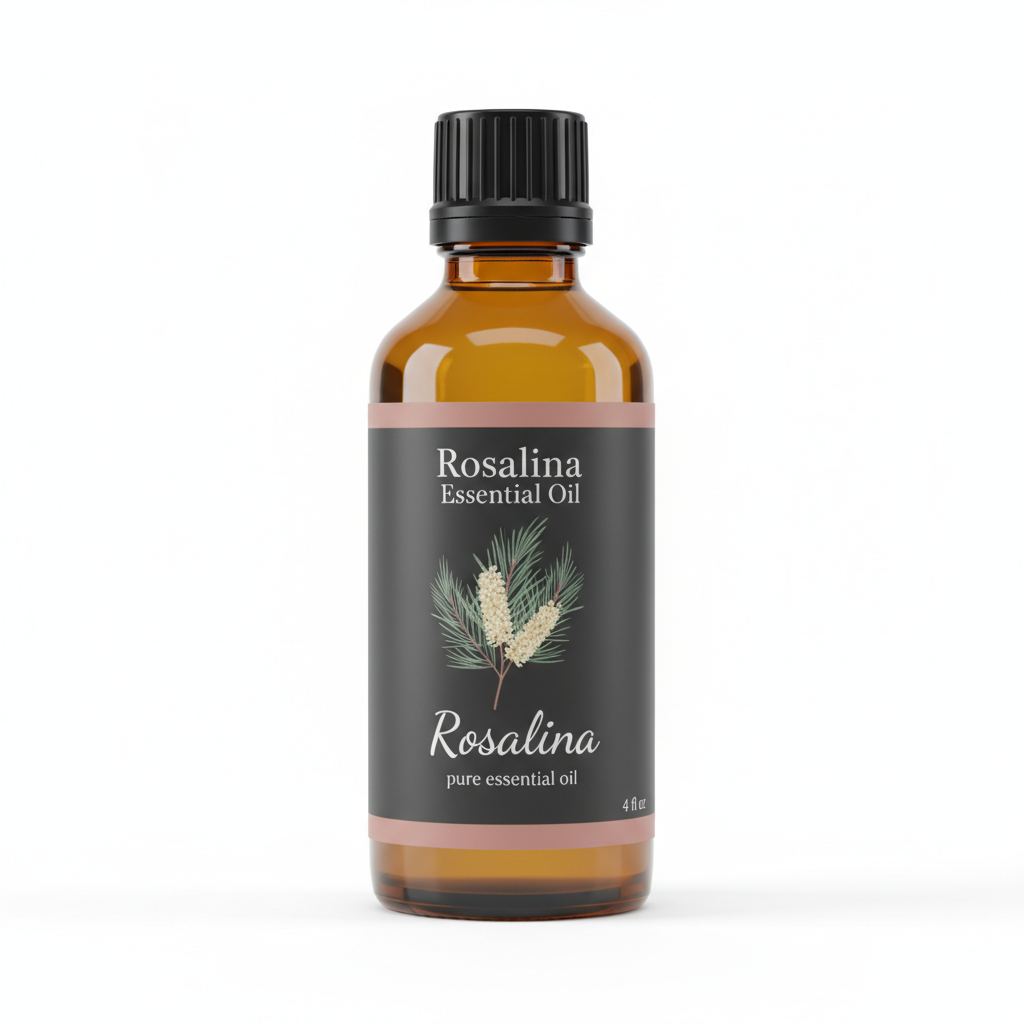
Rosalina Essential Oil
Our own Rosalina Essential Oil, in sizes from 0.5 oz to bulk.
From $16.99
Shop Now →Start with the bottle
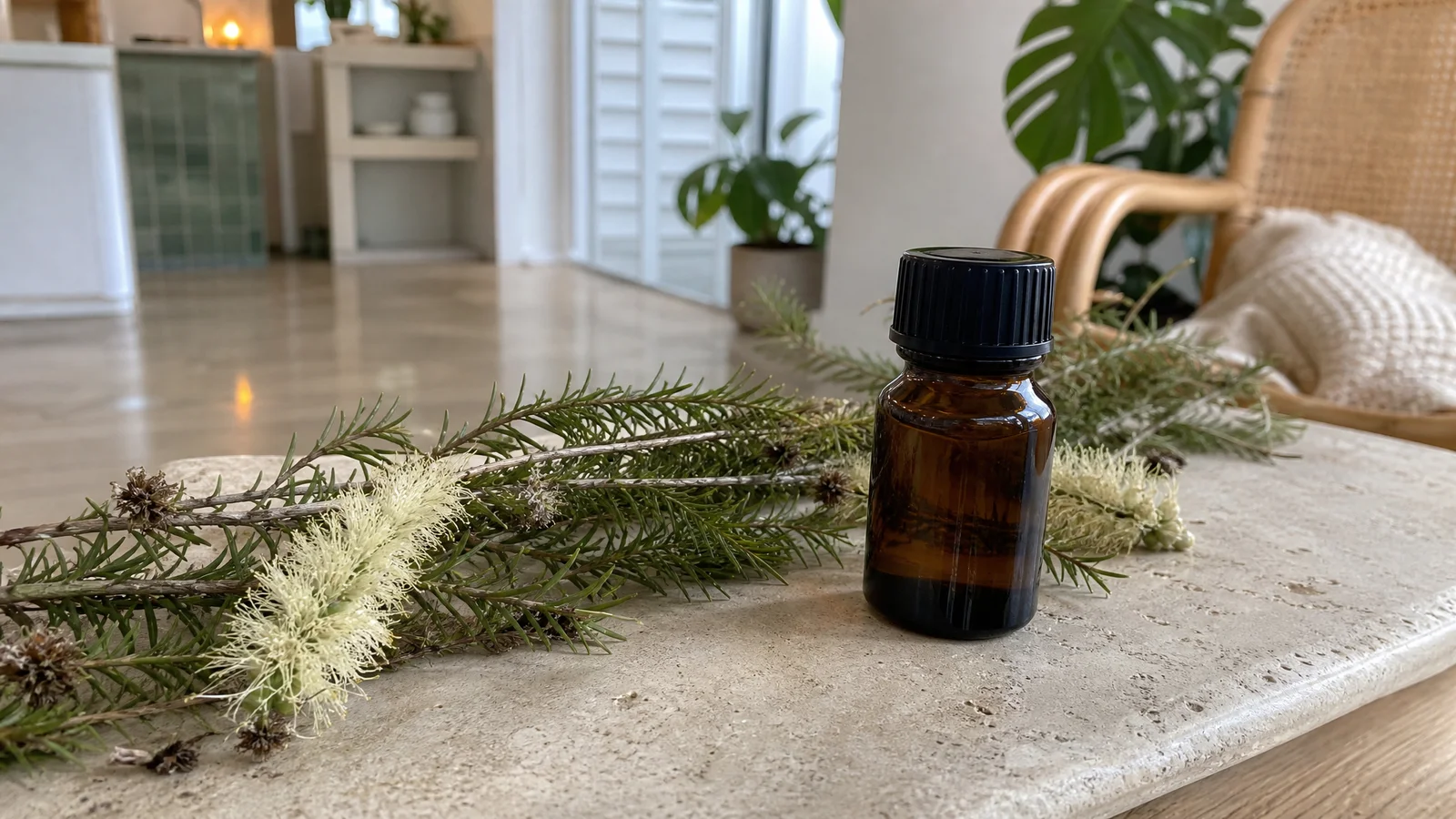
Before any of the uses below, take the cap off and smell the oil on its own for a minute. Notice the green opening first, then see whether you catch the softer floral sweetness behind it. Knowing what the oil smells like by itself makes every blend and every room easier to judge, because you will know what you are looking for.
In a diffuser
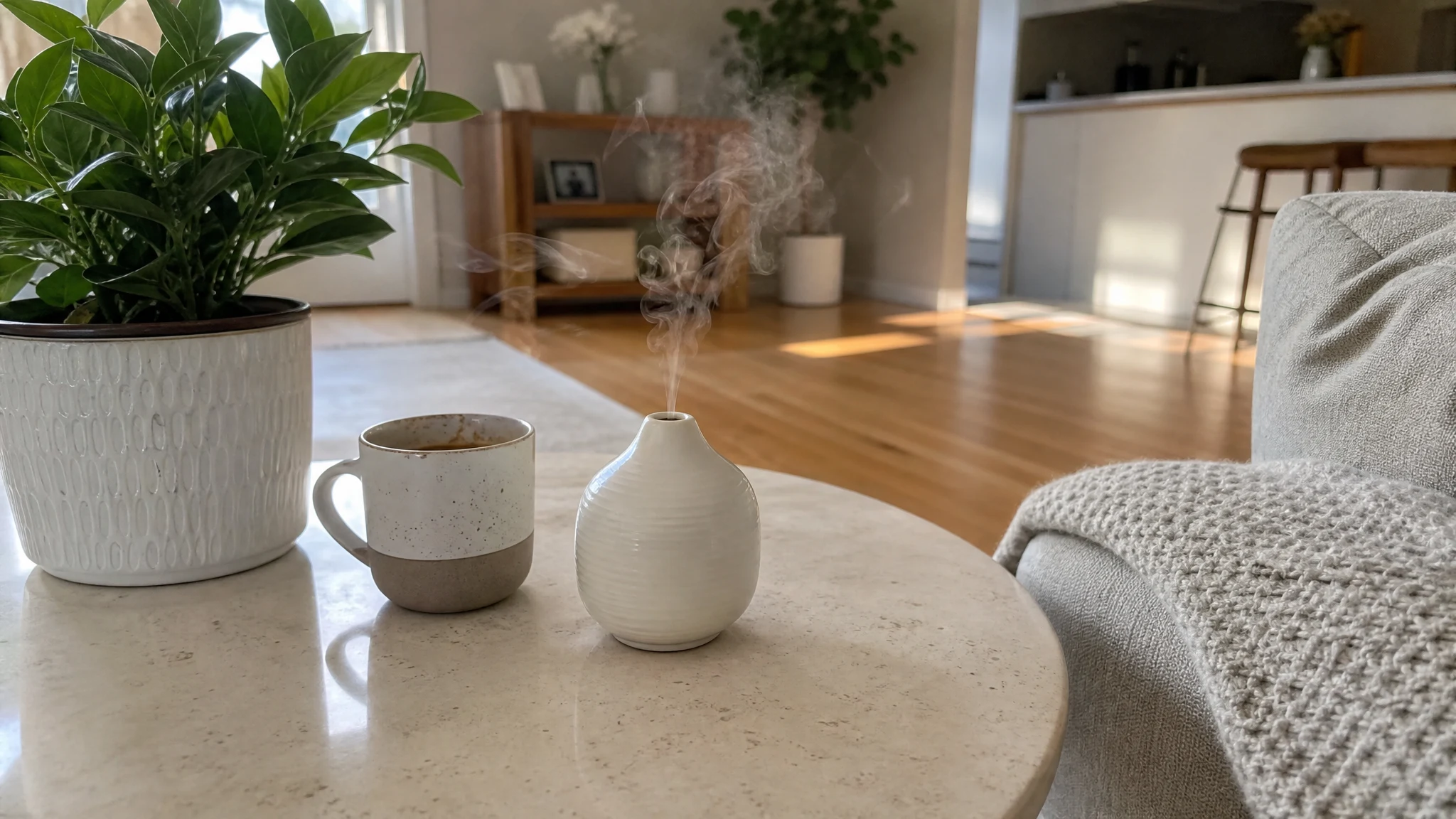
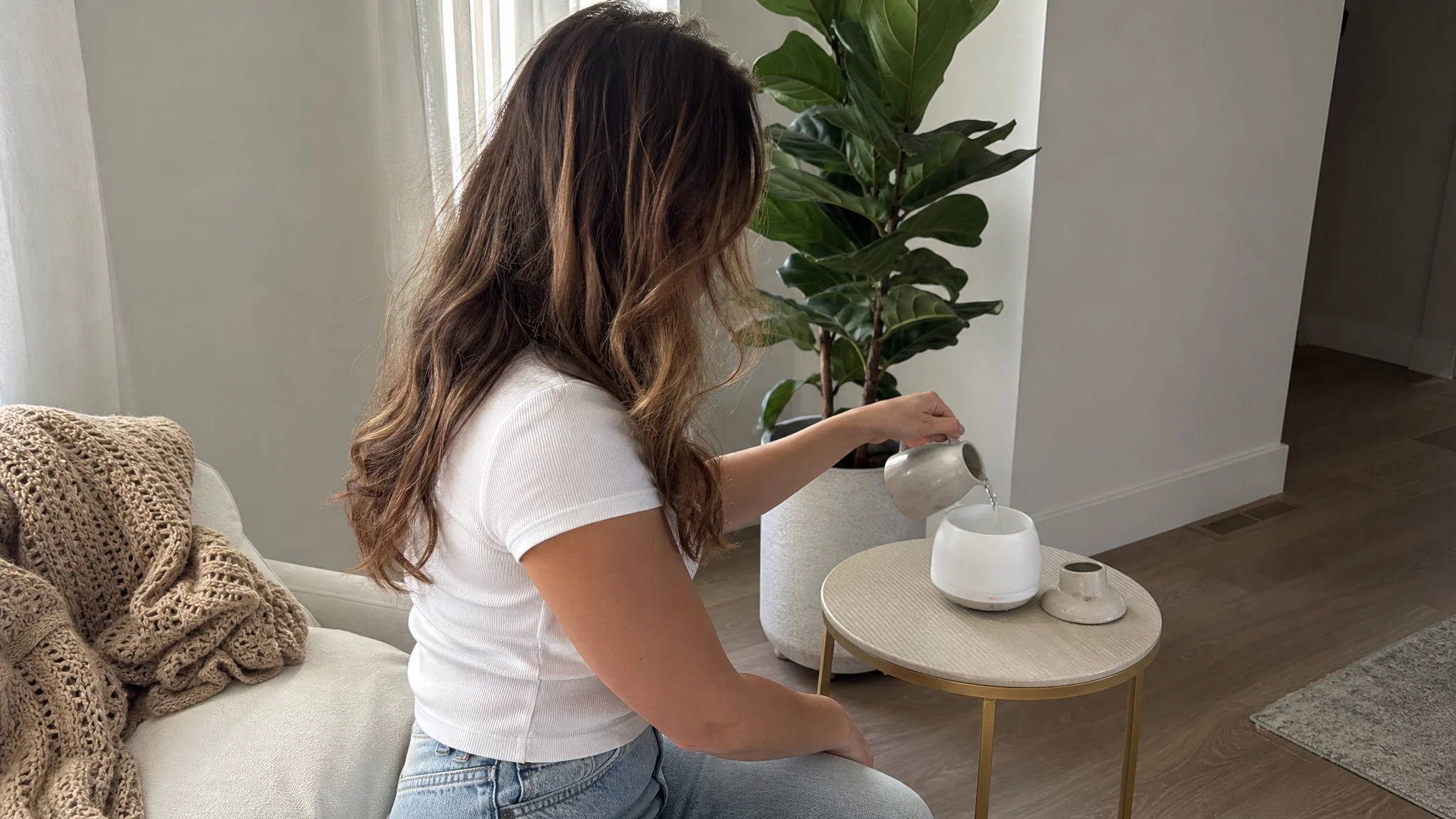
Diffusing is the simplest way to fill a room with scent, and a little goes a long way. The Tisserand Institute's rule of thumb is 3 to 5 drops per 100 ml of water, which it calls just a guideline, and it suggests running a diffuser intermittently instead of nonstop. Your machine's manual outranks any rule of thumb. Our diffuser drops article works through the arithmetic for different tank sizes.
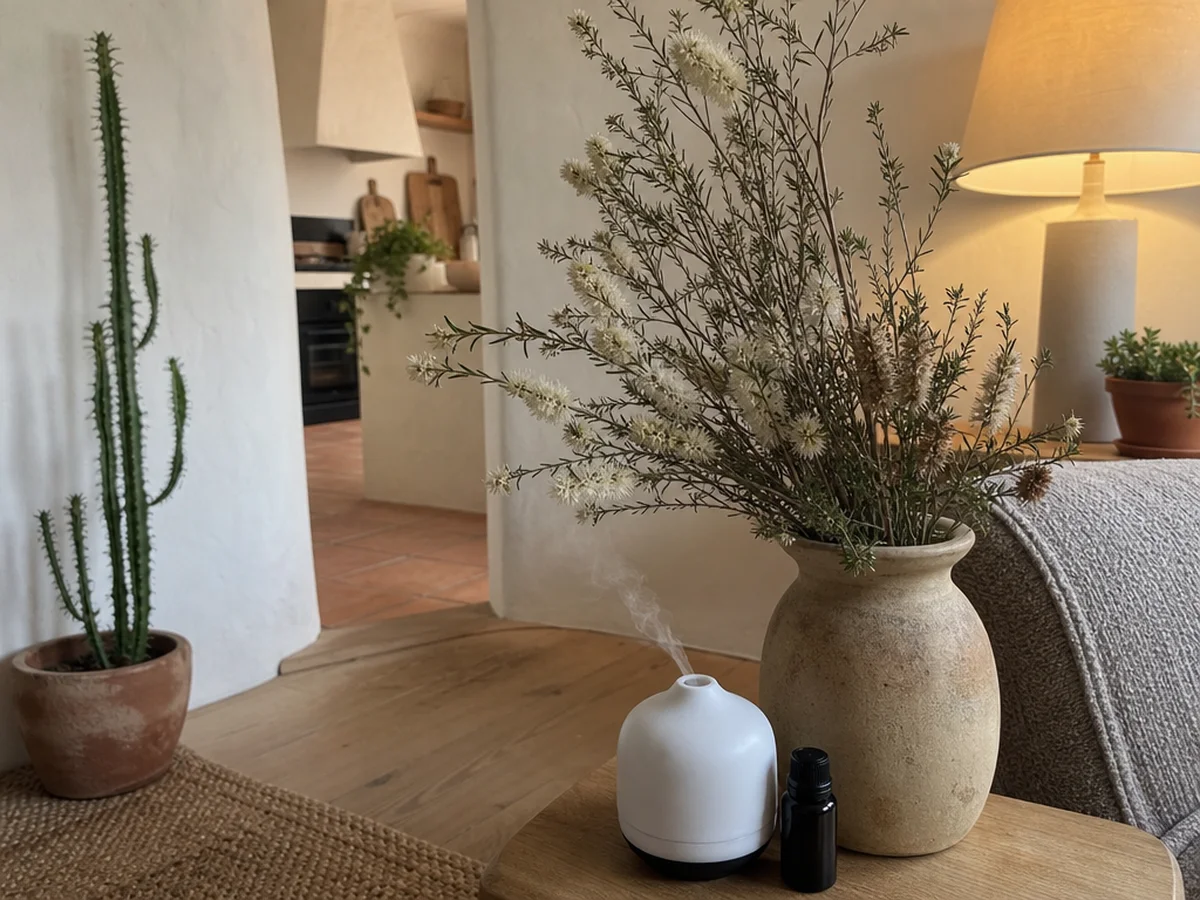
Do a short first run with just a few drops, then step out of the room and walk back in. The doorway is the honest test: the scent you catch as you come in is what a guest will notice. If it is louder than you like, use fewer drops next time.
Two studies are worth knowing about because they show that a diffuser is a small piece of air chemistry. A chamber study of an ultrasonic diffuser measured the compounds released from lemon, lavender and eucalyptus oils over 15 minutes, found that each oil produced its own particle profile, and reported about five times more fine particles when a unit with eucalyptus oil was filled with tap water instead of deionized water. A separate pilot study of tea tree oil found that heat diffusers released far more terpenes than ultrasonic ones. Neither tested rosalina, but the takeaway is easy to apply: use less oil, run the unit in short sessions, keep the room ventilated, and keep it away from pets and small children. If you have a cat, dog or bird, ask your veterinarian first.
On skin, diluted
We sell the oil neat in our shop, so dilution is part of the fun. Our guidance is 0.5% to 2% in a carrier oil such as jojoba or sweet almond, with a patch test first, which works out to roughly 3 to 12 drops per ounce of carrier. That range is a ceiling, not a target. The Tisserand Institute puts facial products at about 0.5% to 1.2% and body oils at 1% to 3%, and notes that dilution and risk are directly related, so we suggest starting at the low end, and staying there for anything near the face. Weighing the oil on a small scale is more reliable than counting drops, because droppers vary. On the batch described in the Certificate of Analysis we publish, 1 ml weighs about 0.89 g.
Keep it away from eyes and broken skin, and never swallow it. Poison Control advises against using essential oils on damaged skin and notes that children have thin skin, so keep bottles locked away from children and pets. If you have eczema, a history of fragrance reactions, or are pregnant or nursing, ask a dermatologist, obstetrician or midwife first. Our massage oil article works through the percentages and our dilution guide covers rosalina specifically.
In the bath
Here a small bit of knowledge saves a stinging surprise. Essential oils do not dissolve in water, so drops poured into a tub float as a film that clings to skin, and warm water makes that film sting. The Tisserand Institute recommends mixing the oil first with a dispersant such as polysorbate 20 before it goes into the water, and notes that salt and milk do not do the job. You can find dispersants at a craft or cosmetic-supply shop. Our bath salts article builds the idea into a full formulation.
Sprays, soap and candles
Room and linen sprays face the same oil-and-water problem, so a solubilizer is the usual answer. Soap and candle makers add fragrance to a base, and each base has its own fragrance load, so check the instructions from the maker of the wax or soap base before you decide how much to use. Soap and candle making are natural homes for it, and makers who go through a lot of oil can look at our bulk sizes. We do not sell wax, wicks or soap bases, so those come from a craft or supply shop.
One craft tip from us: the scent in the bottle is not always the scent you get from the finished bar or candle, so make a small trial batch before you commit a big one. Keep notes on what you added, because a good result is much easier to repeat when you wrote it down.
What to expect from it
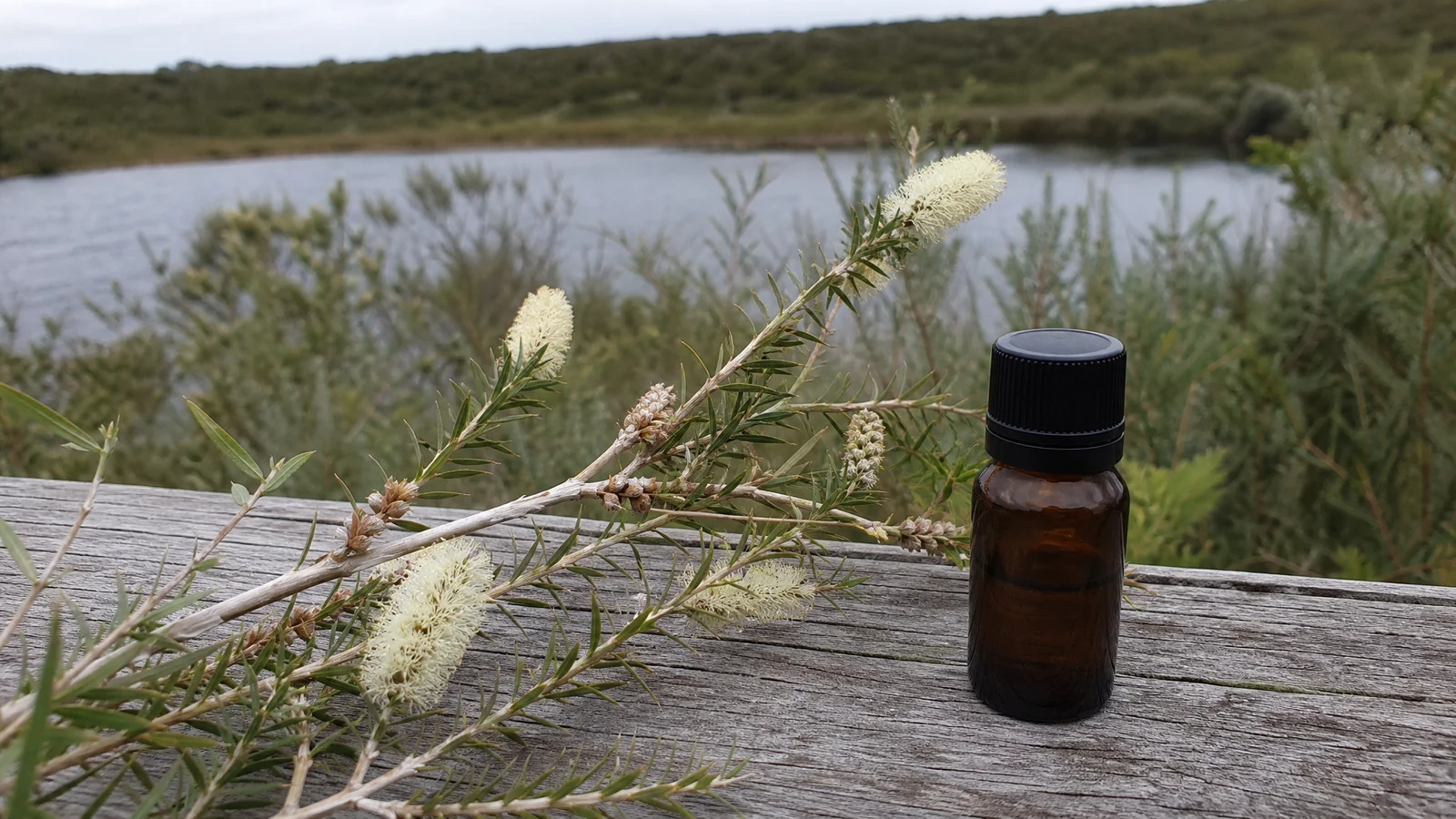
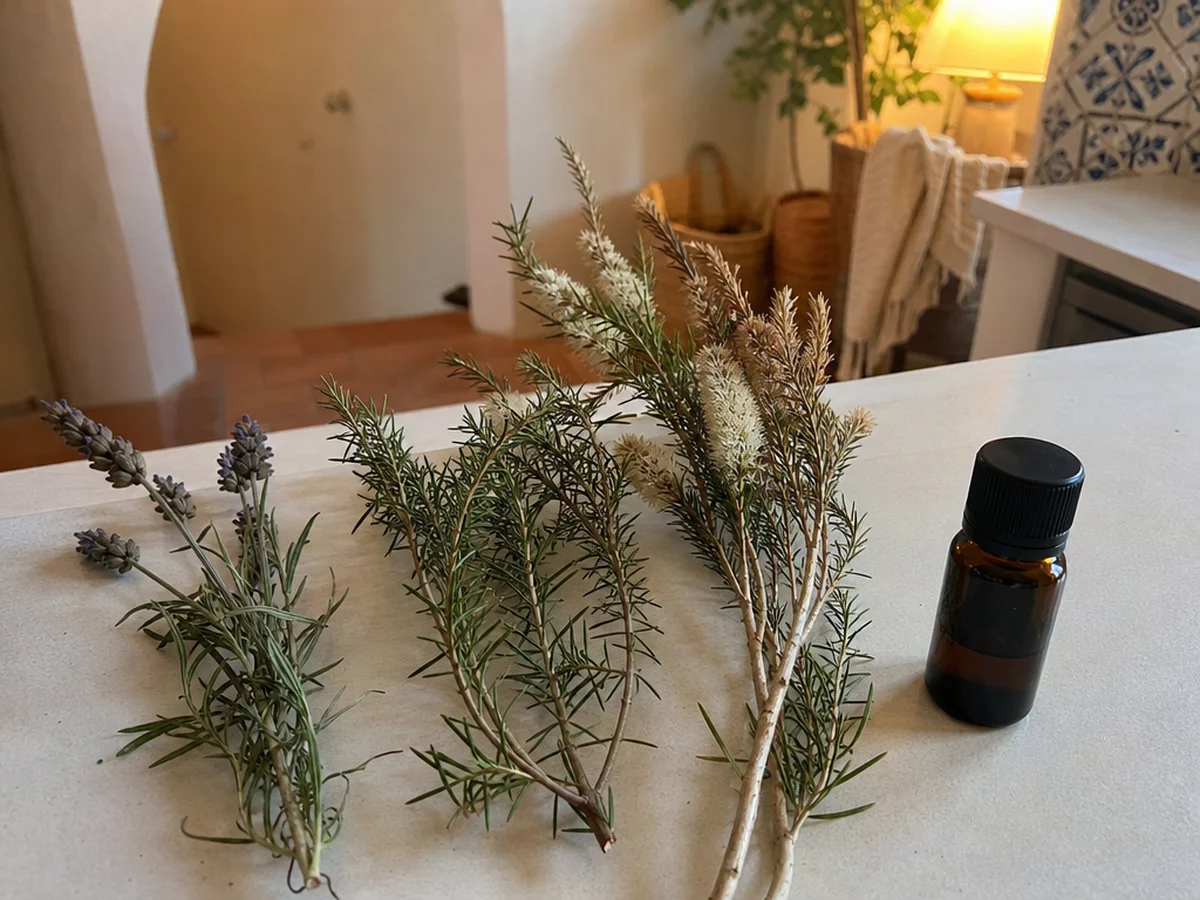
Rosalina is a fragrance material, and that is a perfectly good thing to be. It belongs to the same genus as tea tree but it is a different plant with a different character, and our tea tree comparison explains how. We make no claims that it relieves, treats or improves anything. When we searched the published literature for the species name, we found plant ecology, chemistry and laboratory studies, but no human trial of the oil, which is why we stick to aroma. You can read how the broader research looks in our piece on what aromatherapy reviews conclude.
Start with one use, keep the amounts small, and get to know the scent before you branch out.
Rosalina Essential Oil
Rosalina Essential Oil from our own shop, in sizes from 0.5 oz to bulk.
From $16.99
Shop Now →Sources & Further Reading
- Tisserand Institute, Essential Oil Applications | Inhalation, Diffusion and Topical Applications
- Tisserand Institute, Dilution for essential oils
- Tisserand Institute, Bath Safety: how to use essential oils safely in the bath
- Schwartz-Narbonne H, Du B, Siegel JA, 2021. Volatile organic compound and particulate matter emissions from an ultrasonic essential oil diffuser. Indoor Air.
- Zisook RE, Nembhard MD, Bandara SB, Gaffney SH, 2025. Volatile organic compound and particle emissions from the use of tea tree oil in essential oil diffusers. J Occup Environ Hyg.
- Poison Control, Essential oils: Poisonous when misused