Rosalina vs Lavender Oil: Which Soft Floral to Pick?
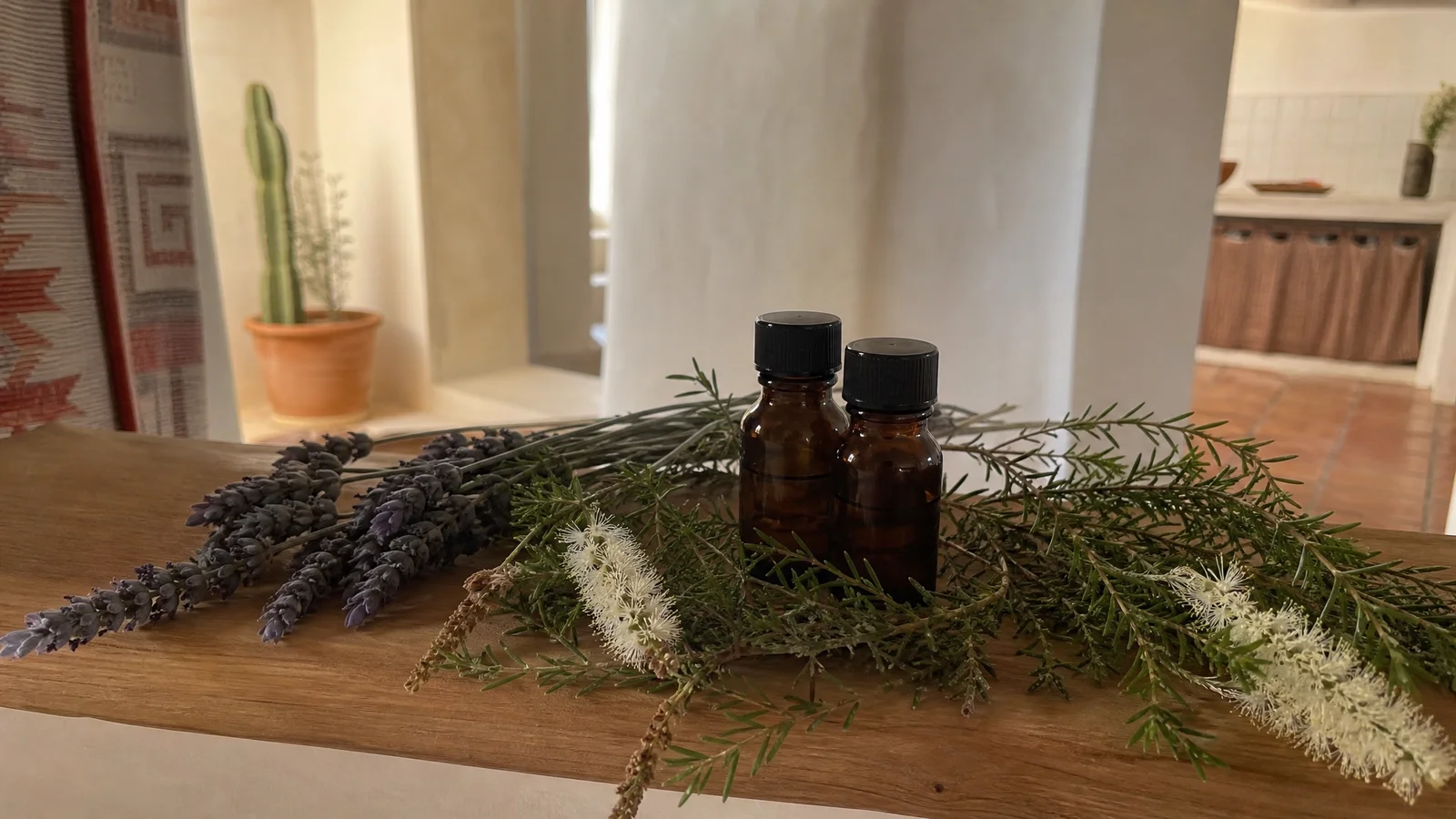
Rosalina picked up the nickname "lavender tea tree" because of how some people describe its smell, and it is a lovely name. It is also a scent impression, not a recipe. Lavender and rosalina can both be soft, floral and fresh, and yet they are very different things to buy and to work with. Here is how we would choose between them.
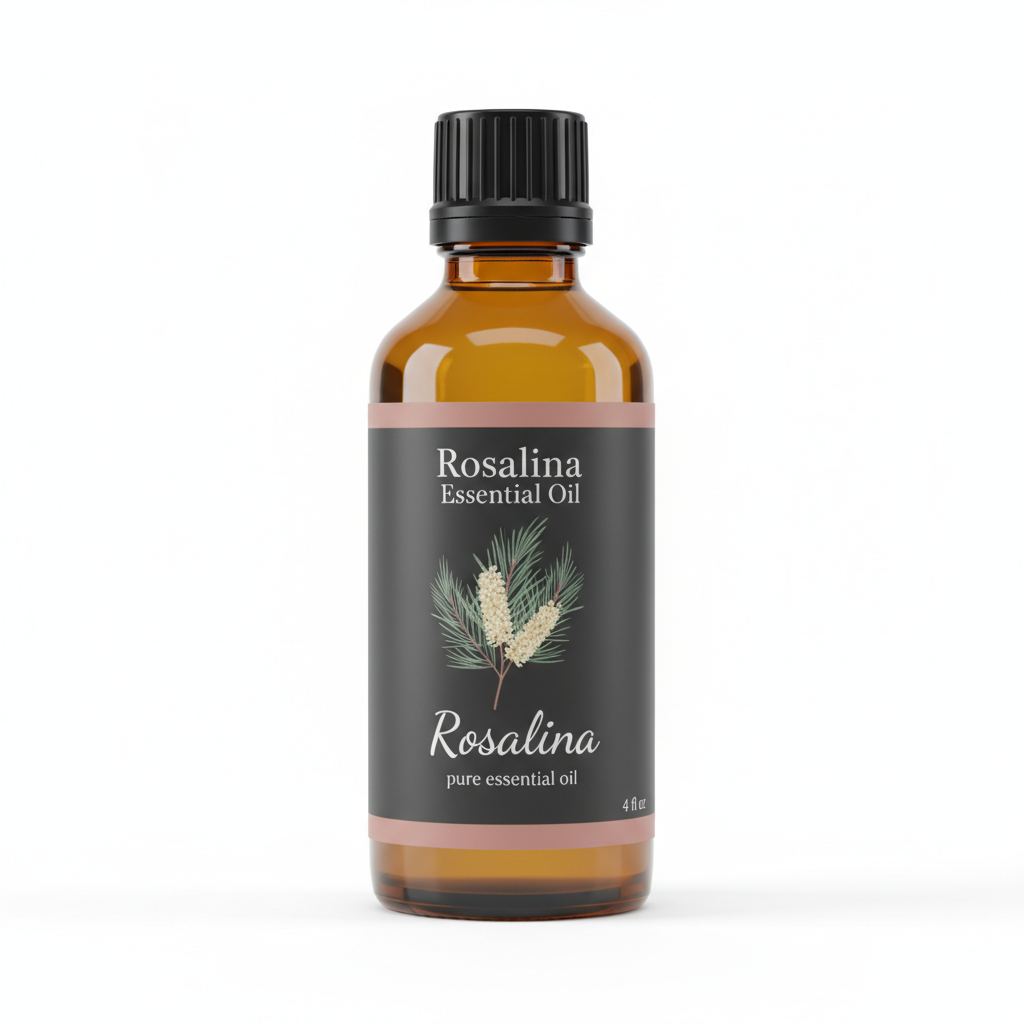
Rosalina Essential Oil
Our own Rosalina Essential Oil, in sizes from 0.5 oz to bulk.
From $16.99
Shop Now →Lavender is a known quantity; rosalina is a range
The biggest practical difference is predictability. A 2021 study of lavender oil adulteration analysed twenty genuine lavender oils and reported linalool at 23.8% to 33.0% and linalyl acetate at 25.1% to 40.7%. Because lavender has such a well-mapped pair of markers, an oil that strays from the pattern stands out. In that study, a sample spiked with synthetic linalool and linalyl acetate still passed the ordinary pharmacopoeia limits and was caught only by a mirror-image (chiral) analysis.
Rosalina does not come with a reference range of that kind. A 2004 study sampling the species across southeastern Australia found oils rich in linalool in northern New South Wales and oils rich in 1,8-cineole in southern Victoria and Tasmania, with the best single tree reaching 60% linalool and 16% 1,8-cineole. A 2026 paper on an Ecuadorian oil reported 1,8-cineole at 61.85%. In short, the chemistry depends on where the leaves grew, and an oil led by 1,8-cineole is a different aroma material from one led by linalool. Whether a particular rosalina smells close to lavender depends on which kind it is.
How we would choose
- Do you need a known composition? If a formula or a product you will sell depends on a specific profile, lavender's published ranges make it the easier material to specify. With rosalina, ask the seller for constituent data in writing.
- Do you want the lavender smell, or something near it? Smell both. We describe our rosalina as soft and fresh, with a green opening that settles into a floral, lavender-like sweetness, and that tells you what we are after, though a nose is the only real judge.
- Do you like a greener, more Melaleuca character? That is rosalina's own lane, the fresh leafy opening, and it sits comfortably in blends with floral and citrus oils.
We sell rosalina only, so for lavender you will want a trusted aromatherapy or craft supplier. Our aroma article looks at what shapes the scent, and the linalool and cineole article goes through the two main compounds.
Smelling them side by side
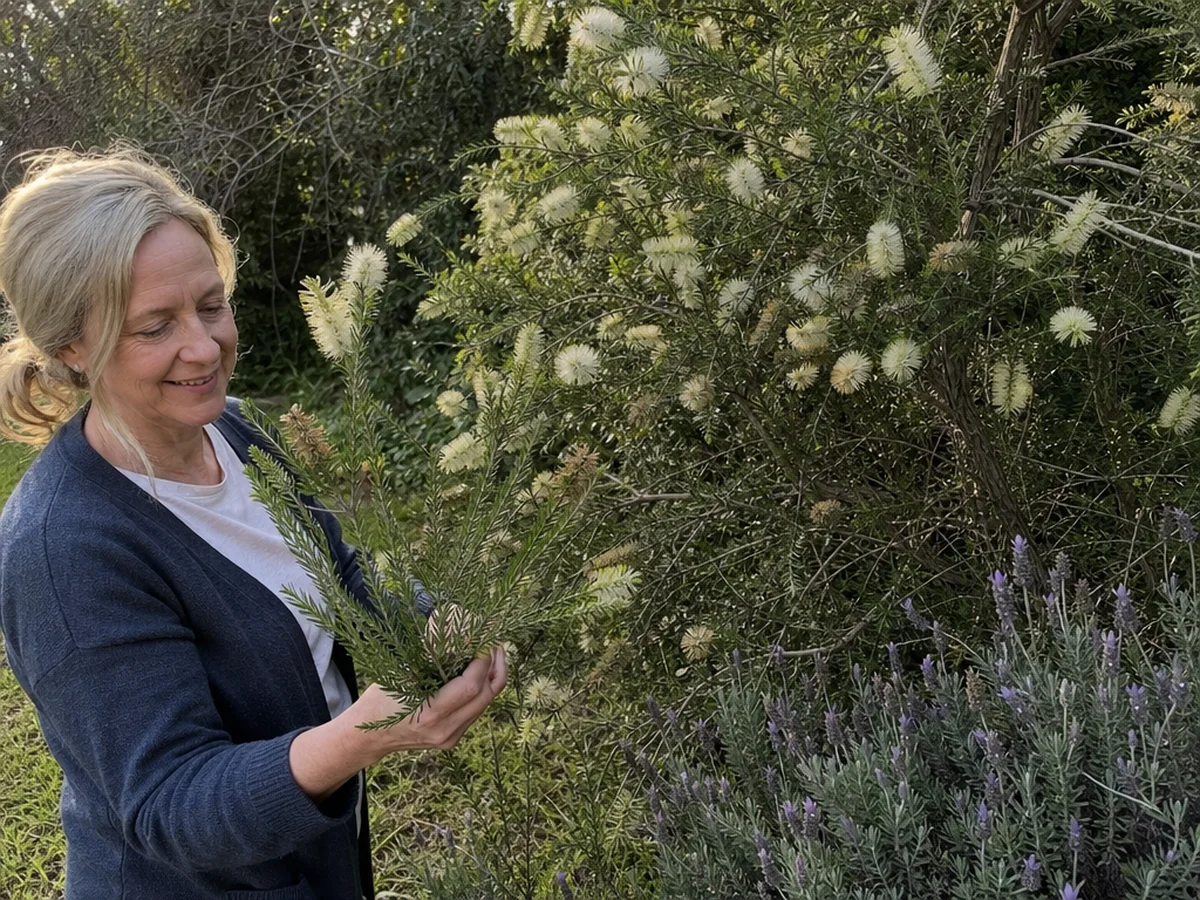
The fairest comparison is on paper strips. Dip one in each oil and give each a few minutes, then come back after an hour. Notice which one you reach for again, and which one reads greener, softer or sweeter. Try it with a friend, too: ask them to describe each strip before you tell them what it is. Other people's words are a surprisingly good guide to what you smelled.
What we can tell you about our bottle
The Certificate of Analysis we publish for batch RSLAIUMEAUC004A lists a pass for appearance and smell, a relative density of 0.890 and a refractive index of 1.465 at 20 C, both inside the printed ranges. If you want linalool and 1,8-cineole figures to compare against the studies above, ask us in writing through the contact page before ordering. Our GC/MS report guide explains how to read the answer.
Where each tends to fit
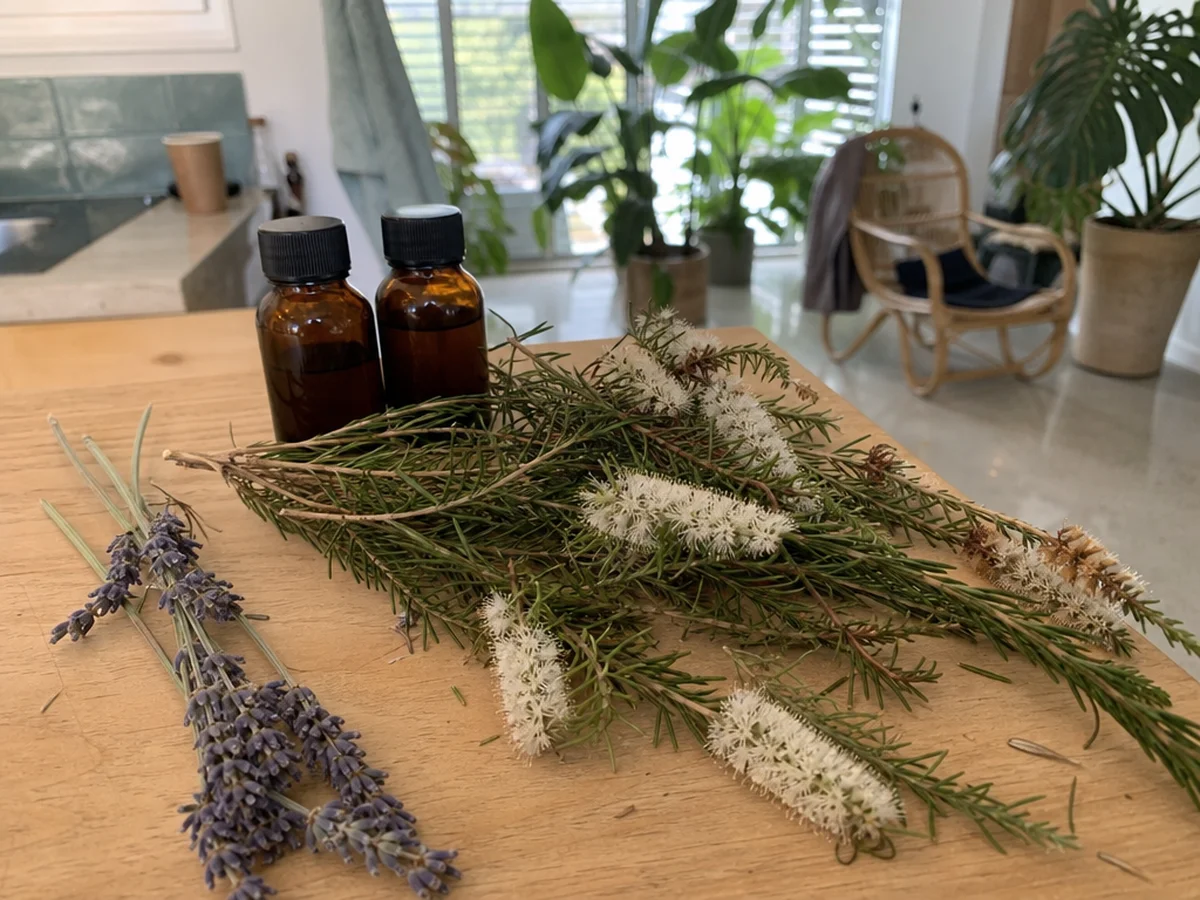
If you already love a lavender, you probably do not need us to tell you to keep it. Rosalina is for the moment when you want the same soft floral feeling with a fresher, leafier edge, or when you simply enjoy collecting oils that smell like a particular place and plant. Both are happy in a diffuser or a diluted blend, and neither needs to be the only oil on your shelf.
There is no need to treat this as a contest. Plenty of people keep both: one for the familiar, comforting scent they already know, and one for the days when they want something a little greener. A small bottle of each costs little, and your own nose will give a better verdict than any chart we could draw.
What the two share on skin
Both oils can contain linalool, which is at most a very weak allergen when fresh and can become a contact allergen when it oxidises. A 2010 study found that oxidised linalool at 6% in petrolatum gave positive patch tests in 5.3% of 3,418 dermatitis patients. That is a clinic population, so it is not a general rate, and it is the reason we suggest keeping bottles tightly capped, cool and dark.

For skin we recommend diluting to 0.5% to 2% in a carrier oil, a patch test first, and the lower end for the face, with the oil kept away from eyes, children and pets. One report is worth knowing about for the youngest family members: a 2007 case series described three prepubertal boys who developed breast tissue enlargement while using products containing lavender and tea tree oils, which resolved after they stopped, and cell experiments showed hormone-like activity from those oils. It is a small series that cannot show cause, but it is a fair prompt to ask a paediatrician before using any essential oil product on a child. The same applies to pregnancy, which we cover in our guide to published guidance.
Both oils reward a little curiosity, and a small bottle of each is a very pleasant way to settle the question by nose.
Rosalina Essential Oil
Rosalina Essential Oil from our own shop, in sizes from 0.5 oz to bulk.
From $16.99
Shop Now →Sources & Further Reading
- Adulteration of Essential Oils: A Multitask Issue for Quality Control. Three Case Studies: Lavandula angustifolia Mill., Citrus limon (L.) Osbeck and Melaleuca alternifolia (Maiden & Betche) Cheel, Capetti et al., Molecules, 2021.
- Geographic variation in oil characteristics in Melaleuca ericifolia, Brophy and Doran, 2004.
- Essential Oil of Melaleuca ericifolia Sm.: Chemical Composition, Enantiomeric Distribution, and Antimicrobial, Antioxidant, and Anticholinesterase Activities, Valarezo et al., Molecules, 2026.
- Linalool - a significant contact sensitizer after air exposure, Christensson et al., Contact Dermatitis, 2010.
- Prepubertal gynecomastia linked to lavender and tea tree oils, Henley et al., New England Journal of Medicine, 2007.