Essential Oils During Pregnancy: What Guidance Exists
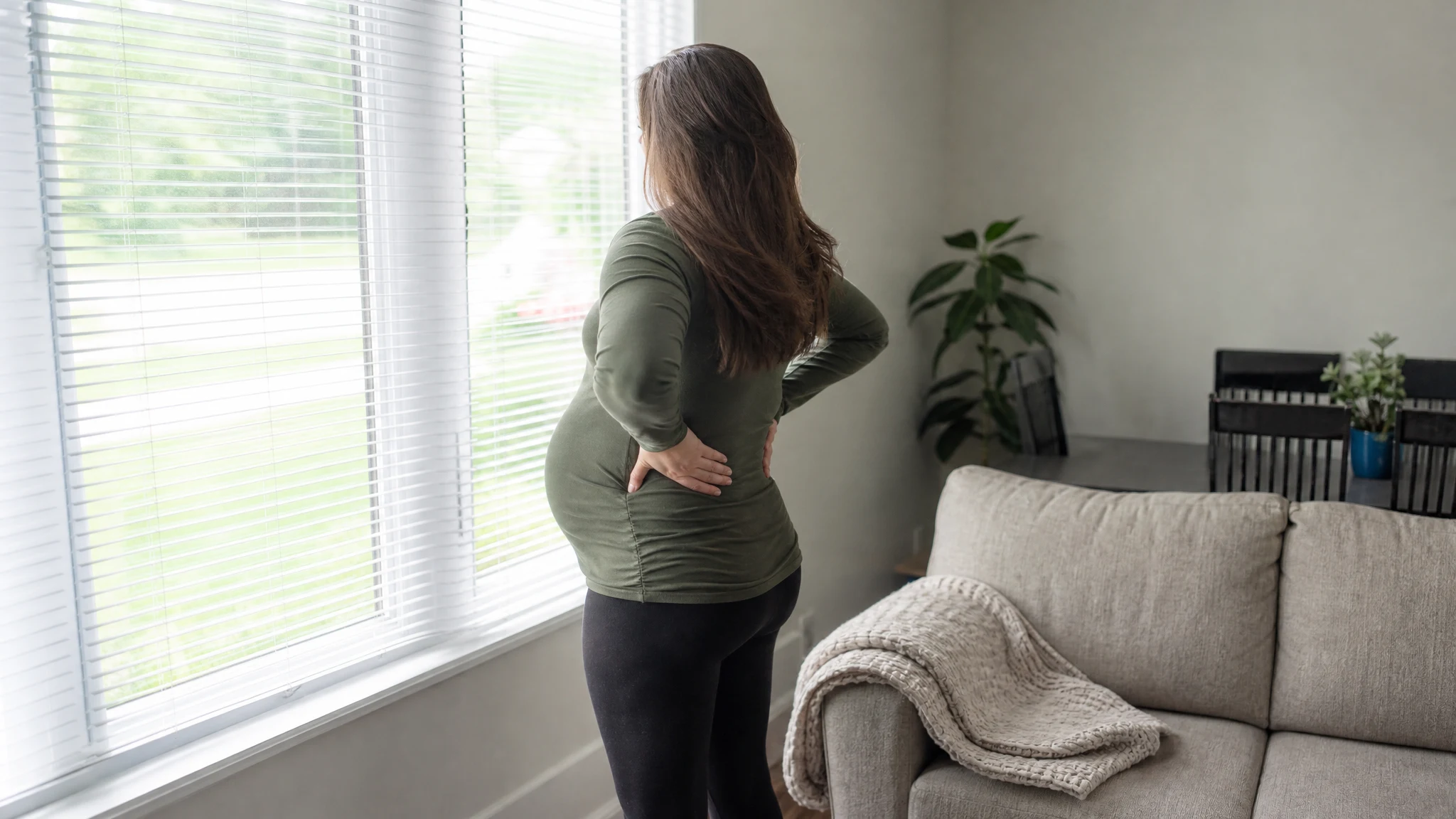
If you are pregnant and curious about essential oils, the most useful thing we can say is also the simplest: ask your midwife or obstetrician before you open the bottle. No oil is cleared for pregnancy by any national authority we could read, and rosalina is not named in any of the guidance we found. What follows is what does exist, so the conversation with your clinician can start from somewhere.
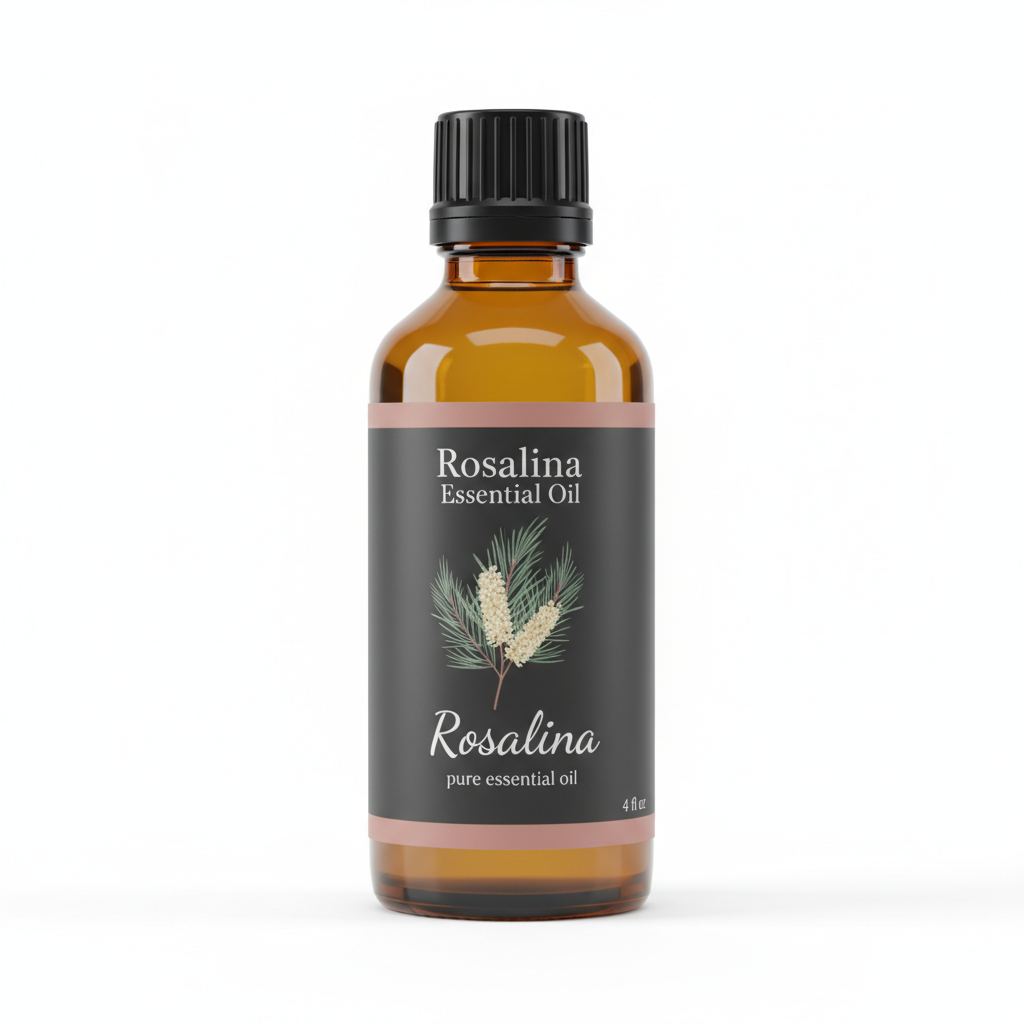
Rosalina Essential Oil
Our own Rosalina Essential Oil, in sizes from 0.5 oz to bulk.
From $16.99
Shop Now →What is actually published
- A hospital maternity page. The York and Scarborough NHS trust says women in the first trimester should not have direct contact with essential oils, that routine use begins from 37 weeks, and that use before 37 weeks needs a discussion with the on-call consultant. It excludes women with conditions such as epilepsy, kidney or liver problems, clotting disorders and moderate or severe pregnancy-induced hypertension (Aromatherapy During Pregnancy). That is one provider's policy for its own service, not NHS-wide guidance.
- A teratogen information service. MotherToBaby writes that a lack of study "doesn't mean that the oils are necessarily helpful or harmful; it means that they haven't been studied". It adds that skin use usually does not lead to large absorption, with more absorption linked to constant use, broken skin, large areas and swallowing (A Slippery Topic: The Use of Essential Oils during Pregnancy). It is a 2016 blog post rather than a fact sheet.
- Poison control. The US poison centre explains that misuse can cause serious poisoning and that children have thin skin and immature livers (Essential oils: Poisonous when misused). It is not specific to pregnancy.
What the research reviews cover
Two 2021 reviews are sometimes quoted as saying aromatherapy in pregnancy is fine. They are worth reading closely. Bertone and Dekker's critical review of the perinatal literature concludes that the evidence suggests aromatherapy can be administered safely and effectively in obstetrics (Aromatherapy in Obstetrics: A Critical Review of the Literature). Di Vito and colleagues searched the literature from 2004 to July 2020, found 71 articles and kept 17 randomised trials. The trials differed too much to combine except for labour pain, where the pooled result favoured Lavandula species and Rosa damascena (Is aromatherapy effective in obstetrics? A systematic review and meta-analysis).
Our reading is that these describe studies of named oils, usually in supervised clinical settings, looking at comfort outcomes. Neither is a study of a Melaleuca oil, a blend, or a bottle used at home at an unknown strength, and that gap is the honest answer to most questions about what applies at home.
Three routes, three questions
| Route | What the sources say | What is missing |
|---|---|---|
| Breathing it in | The York page treats inhalation as one of its supervised methods and bars first-trimester contact. Poison control says vaporiser products are generally fine when a little oil goes into a lot of water. | No pregnancy-specific time or drop count in what we read. |
| On the skin | MotherToBaby: usually little absorption, more with broken skin, large areas or constant use. Poison control: dilute, and avoid damaged skin. | No pregnancy dilution for any named oil. |
| Swallowing | Poison control reports serious poisonings. | Nothing we read supports it. See our swallowing article. |
Where rosalina fits
We sell one steam-distilled rosalina oil, neat, for fragrance use. Our skin guidance is to dilute to 0.5% to 2% in a carrier oil, patch test first, and keep it away from eyes, children and pets. We have not given a pregnancy dilution table, because no published maximum for this oil could be verified, and the York page, the one source that sets rules, sets them as who may use oils and when rather than as percentages. If your midwife or doctor is happy for you to use an oil on skin, they are the right person to set the strength and area. If composition matters for that conversation, you can ask us in writing through our contact page for gas chromatography data before ordering.
Who to call
- Before starting anything: your midwife or obstetrician. Several conditions on the York exclusion list may already be ones a clinician is following. A pharmacist can check an oil against any medicine you take.
- Swallowed oil, or an allergic reaction: Poison Help on 1-800-222-1222 in the US, free and open at all hours. Difficulty breathing is a medical emergency.
For skin reactions generally, see our patch test article, for dilution arithmetic, how to dilute rosalina, and for homes with small children, little noses.
Questions to bring to the appointment
It helps to arrive with the bottle, or at least a photo of its label, and a few plain questions written down. Which oil and which plant part is it? How will it be used: in the air, on skin, or not at all? How often, and for how long? Who else shares the space, such as children or pets? Your midwife or doctor will want specifics, and having them ready makes the conversation shorter and more useful. Jot down the answer so you are not relying on memory later.
A plain position
In the first trimester, the only provider page we could read says no direct contact with essential oils, which is a good reason to wait for your clinician's go-ahead before diffusing or using them on skin. Later on, the best answer is "ask, with the bottle in your hand": which oil, what strength, where and how often. We sell a home fragrance material and do not claim it helps anything.
Whatever you decide, keep the bottle capped and well out of reach of little hands.
Rosalina Essential Oil
Rosalina Essential Oil from our own shop, in sizes from 0.5 oz to bulk.
From $16.99
Shop Now →Sources & Further Reading
- York and Scarborough Teaching Hospitals NHS Foundation Trust. Aromatherapy During Pregnancy
- MotherToBaby. A Slippery Topic: The Use of Essential Oils during Pregnancy
- Bertone and Dekker, 2021, Clinical Obstetrics and Gynecology. Aromatherapy in Obstetrics: A Critical Review of the Literature
- Di Vito et al., 2021, Phytotherapy Research. Is aromatherapy effective in obstetrics? A systematic review and meta-analysis
- Poison Control. Essential oils: Poisonous when misused