Can You Swallow Essential Oils? What to Know
The short answer is no. Our rosalina oil is not for internal use, and nothing we could find gives a reason to treat any essential oil as something to drink or stir into water. The question keeps coming up for understandable reasons, though: "food grade" labels and flavouring listings are real, and they say a good deal less than they seem to.
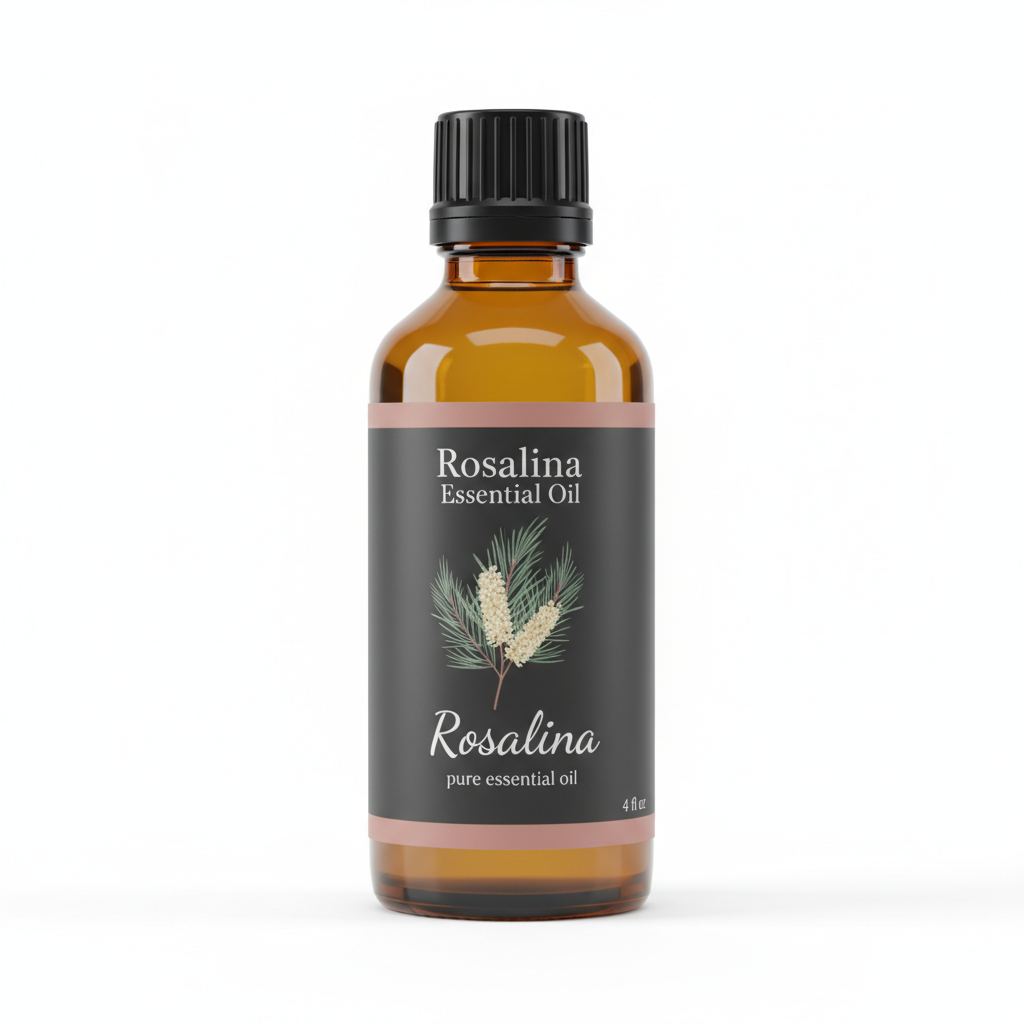
Rosalina Essential Oil
Our own Rosalina Essential Oil, in sizes from 0.5 oz to bulk.
From $16.99
Shop Now →Where the idea comes from
US food regulation includes a section, 21 CFR 182.20, titled "Essential oils, oleoresins (solvent-free), and natural extractives (including distillates)", which names substances generally recognised as safe "for their intended use" (21 CFR § 182.20 - Essential oils, oleoresins (solvent-free), and natural extractives (including distillates)). The important words are the last three. Our reading is that a flavouring listing describes a small component diluted into a much larger food made by a manufacturer. It is not a statement that anyone should measure drops of the concentrated oil into a glass. That is our inference, since the section does not spell out the intended use for each oil.
The FDA's approach to cosmetics and drugs works the same way: what matters is intended use, shown by labels, advertising and other promotion (Is It a Cosmetic, a Drug, or Both? (Or Is It Soap?)). We sell rosalina as a fragrance material. Swallowing it is outside that use, and we make no health claim for it.
What the poison data show
Poison Control in the United States says misuse of essential oils can cause serious poisoning, that children have thin skin and immature livers which may make them more susceptible than adults, and that bottles should be locked up, out of sight and reach of children and pets. It also notes that aspirating an oil, meaning breathing it into the lungs while swallowing, can cause pneumonia (Essential oils: Poisonous when misused).
The clearest numbers come from New South Wales. Its Poisons Information Centre counted 4,412 essential oil exposures over four years; in 2,790 of them (63%) the person was under 15, and 1,387 callers (31%) already had symptoms when they rang. Eucalyptus accounted for 46.4% of calls, tea tree 17% and lavender 6.1% (Essential oil poisoning calls on the rise, children most affected). Most were accidents, which is a good argument for the storage advice rather than for worry: a bottle in a high cupboard with its cap on is what turns most of these stories into non-events.
A small bottle holds a more meaningful quantity than it looks. At roughly 20 drops to the millilitre (our arithmetic), a 0.5 oz bottle holds about 14.8 ml, or nearly 300 drops. We have no toxicity data on our own oil to offer, and the Certificate of Analysis we publish records appearance, smell, density and refractive index only. The point is simply that a few millilitres is not very many drops.
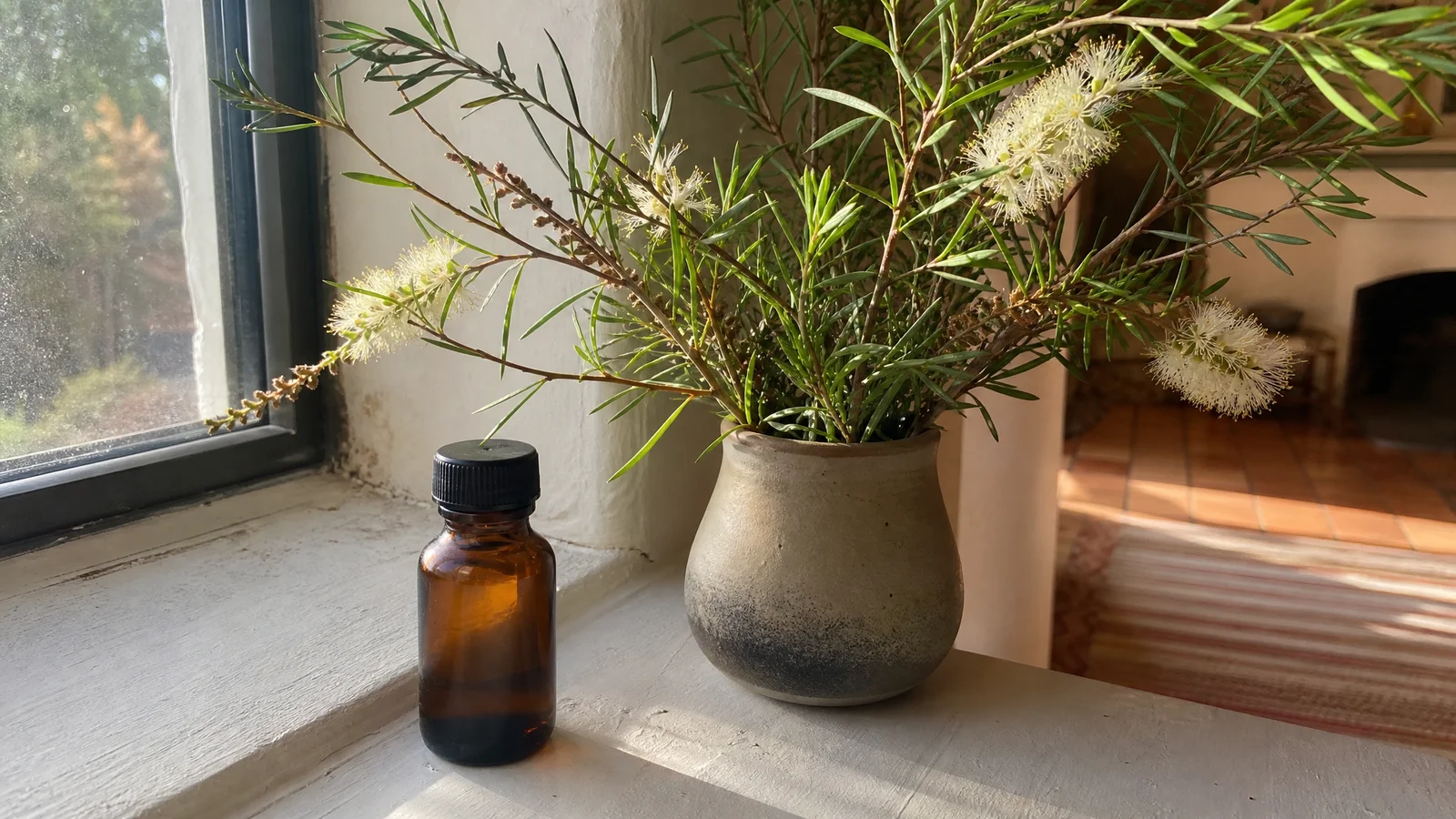
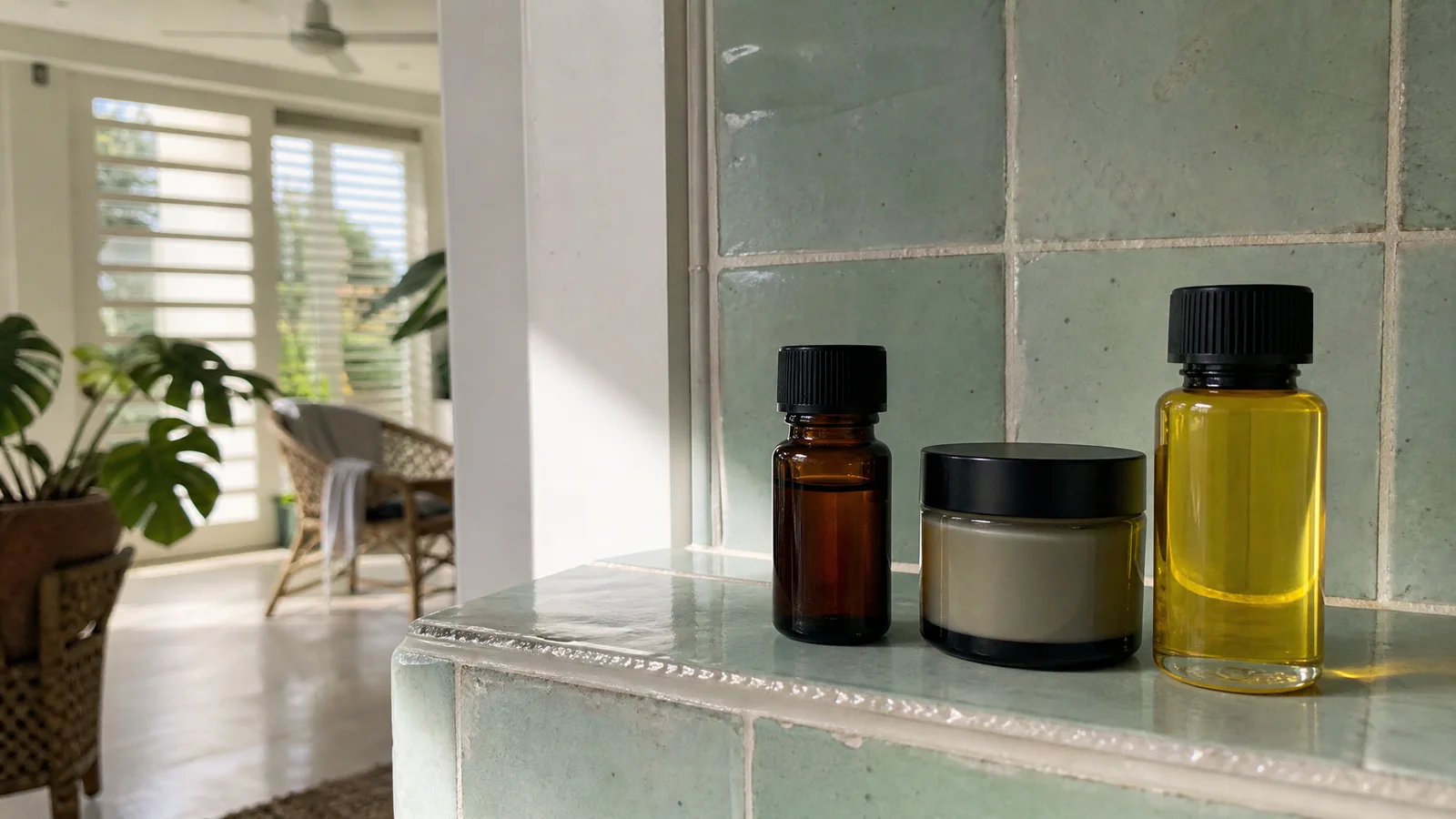
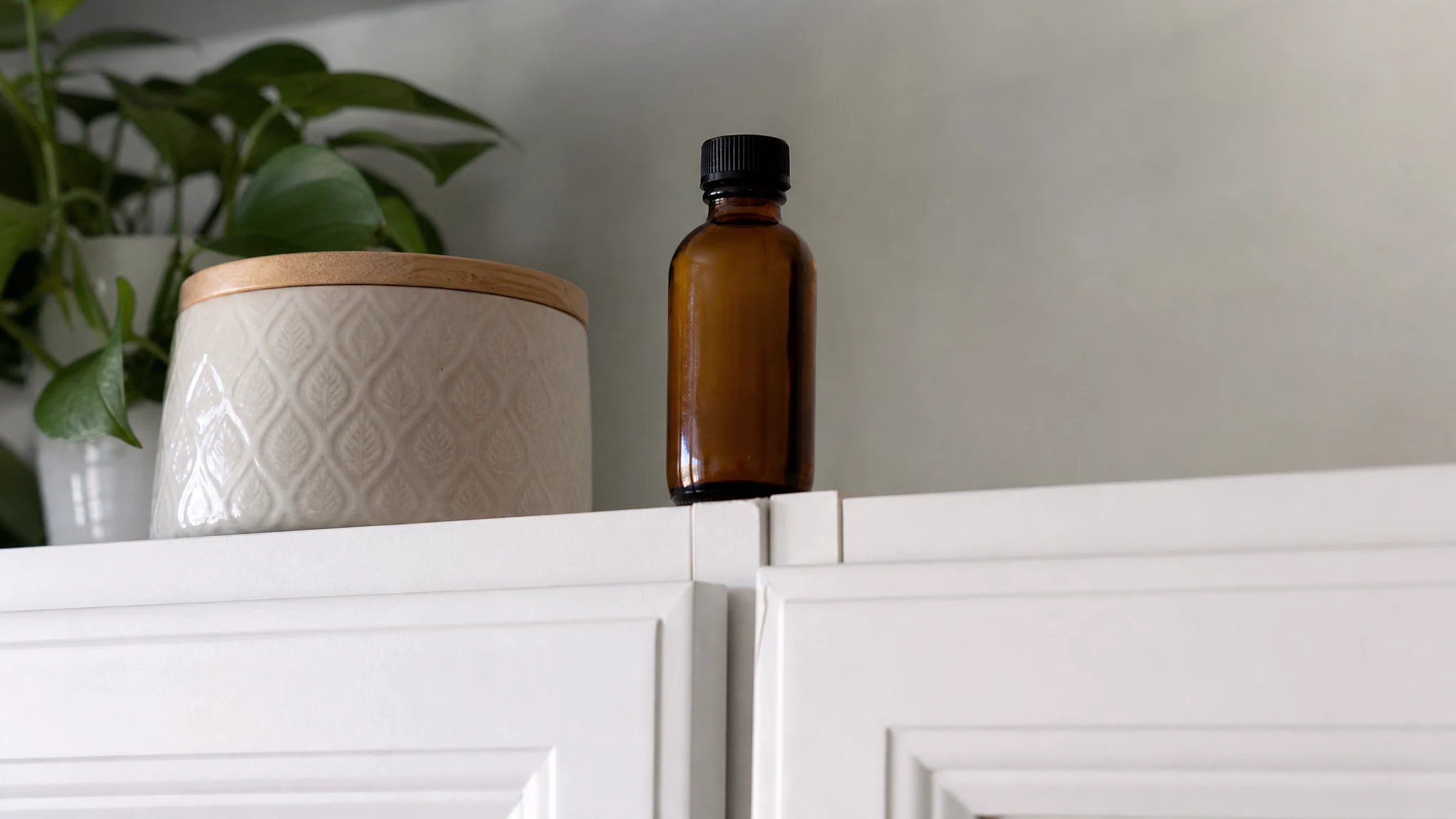
If it helps, think of it as a question of where the bottle lives. Kitchens are the riskiest place, because oils end up near cups, glasses and drinks. We suggest keeping them in a high cupboard or lockable box well away from the kitchen, and telling everyone in the home that the bottle is not for drinking. A short sentence in advance is easier than an emergency later.
Why a few drops in water does not change it
Oil and water separate. Drops in a glass of water float as a concentrated layer, so the first mouthful can be the oil itself. That is our reasoning from basic chemistry, but it echoes the poison centre's remark that vaporiser products are generally fine because only a little oil goes into a lot of water; that statement is about breathing vapour, not drinking.
If someone has swallowed oil
- United States: call Poison Help on 1-800-222-1222. It is free, confidential and open all day, every day.
- New South Wales, Australia: the Poisons Information Centre hotline listed in the university summary is 131 126.
- Trouble breathing, collapse or a seizure: call emergency services.
- Skin or eye contact: wash skin with soap and water; for the eyes, start with the same poison help line.
We have not given an amount that is acceptable to swallow because none of the sources we read gives one for any oil. A pharmacist can check an oil against any medicine you take, and a physician is the right person for any health reason you are tempted to take one by mouth.
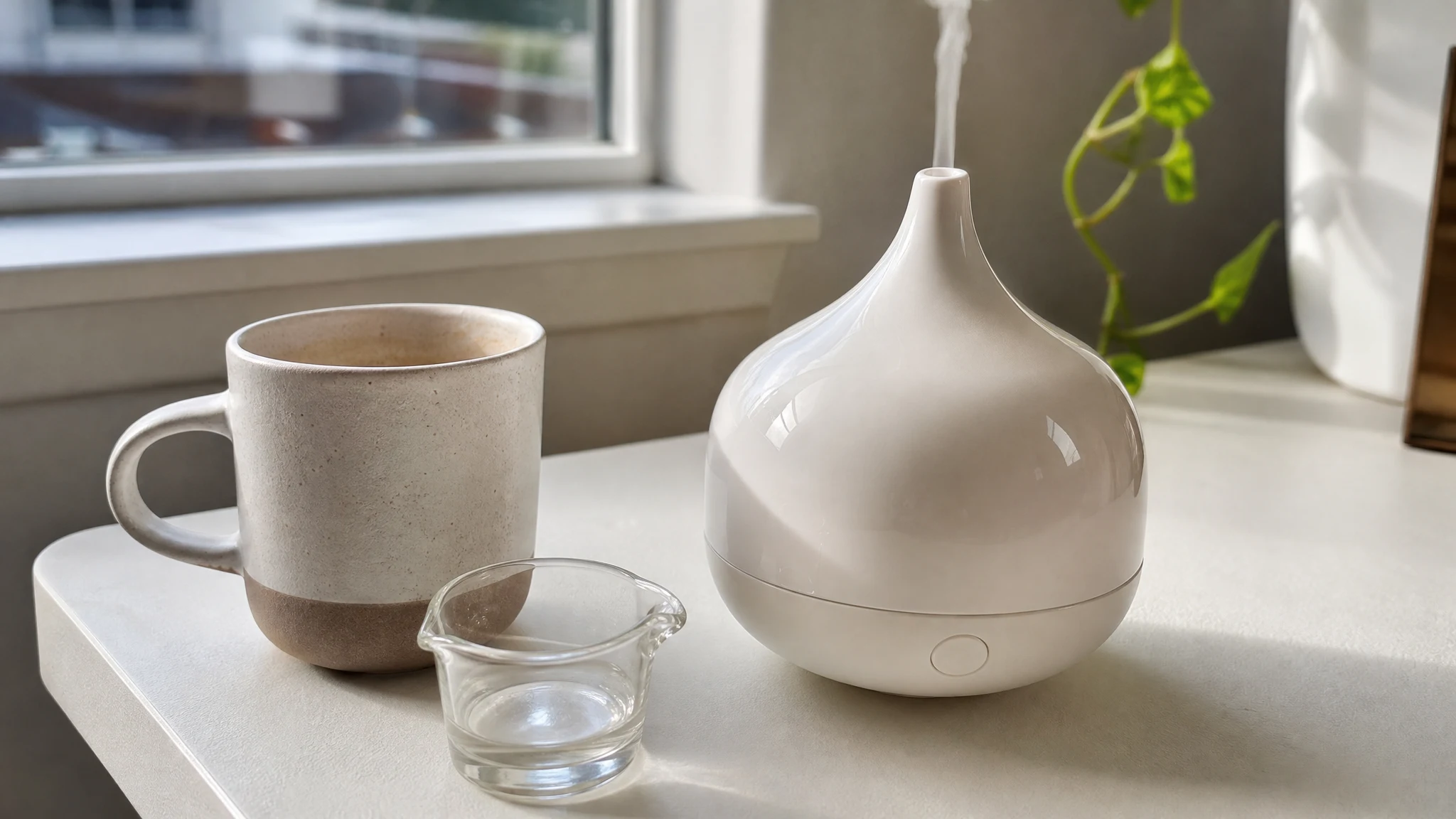
You may also meet recipes that add essential oil to drinks or food. We would skip them. If you love the scent of an oil, the diffuser is where it belongs, and a flavouring made for food is the right tool when you want flavour. Being blunt about this is part of how we want to run our business: you should hear it from us before you hear it from a search page.
What to do instead
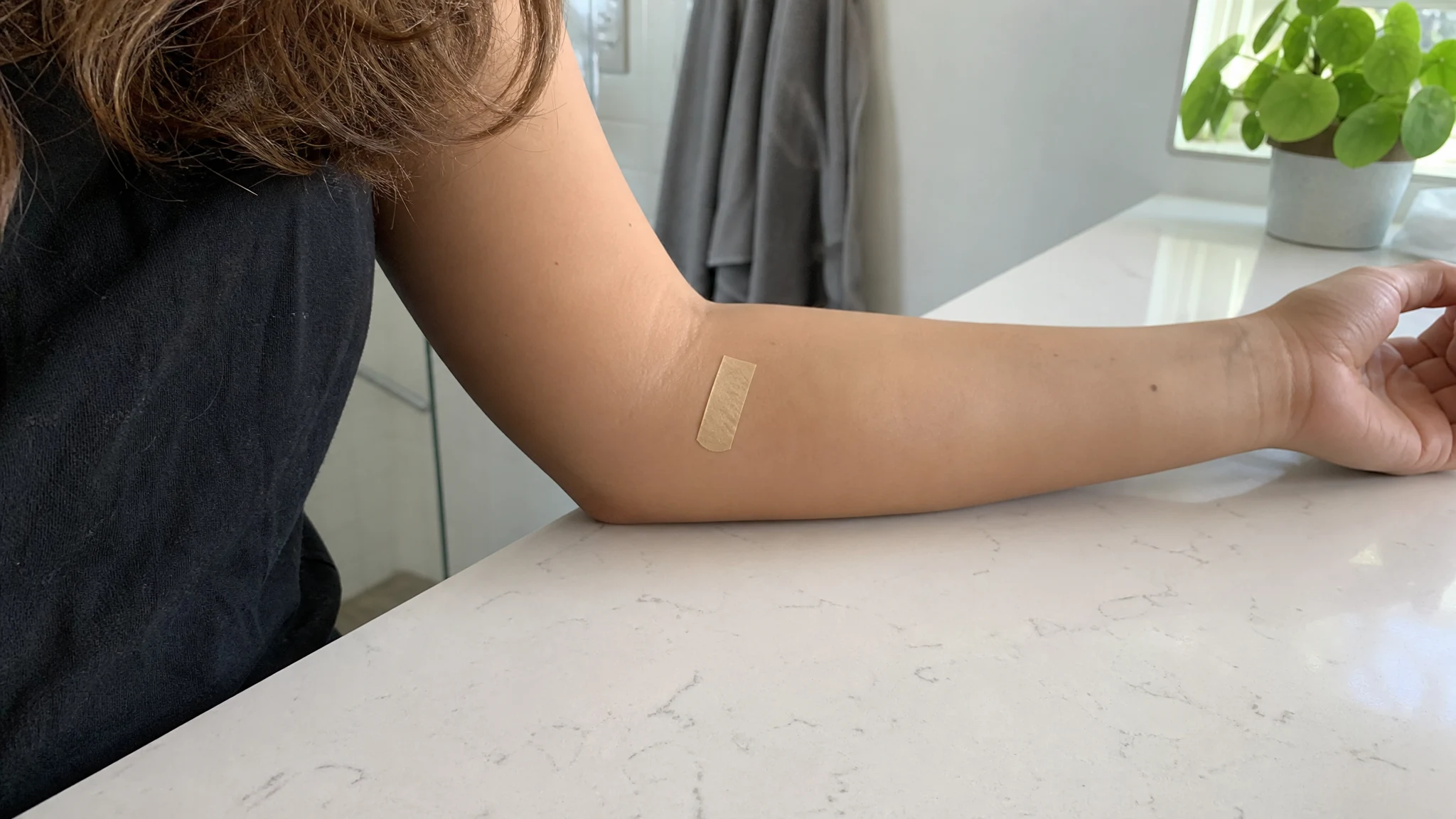
If you want flavour, buy a flavouring made and labelled for food from a food supplier. If you want scent, that is exactly what rosalina is for: diffusing, and skin blends diluted in a carrier (our guidance is 0.5% to 2%, with a patch test first). Our dilution guide has the numbers, and our pieces on households with young children and pets cover storage in more detail. For what words like "food grade" really mean on a bottle, see how to read an essential oil label.
Keep every bottle capped and high up, and if one has been swallowed from, call poison help first.
Rosalina Essential Oil
Rosalina Essential Oil from our own shop, in sizes from 0.5 oz to bulk.
From $16.99
Shop Now →Sources & Further Reading
- US eCFR via Cornell LII. 21 CFR § 182.20 - Essential oils, oleoresins (solvent-free), and natural extractives (including distillates)
- U.S. Food and Drug Administration. Is It a Cosmetic, a Drug, or Both? (Or Is It Soap?)
- Poison Control. Essential oils: Poisonous when misused
- The University of Sydney. Essential oil poisoning calls on the rise, children most affected