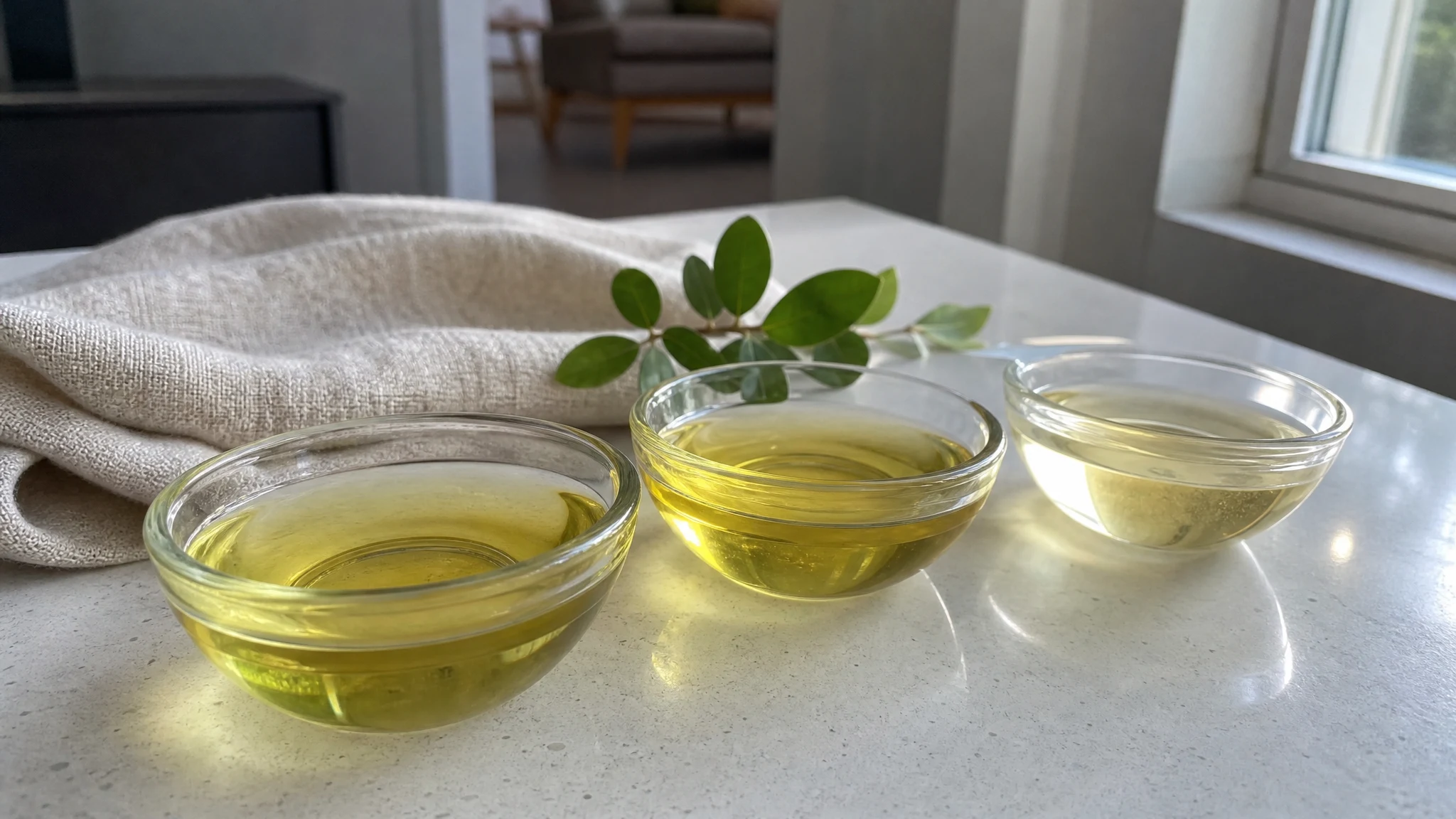
Jojoba, Almond or Fractionated Coconut: Pick Your Carrier
Almost everything in a diluted essential oil blend is carrier oil. At the dilutions we recommend, the carrier is 98% or more of the bottle, so it deserves more thought than the usual "any oil will do." We do not sell carriers, but we do have a view on choosing one, and it comes in three steps: who will use it, how long it has to keep, and only then how it feels.
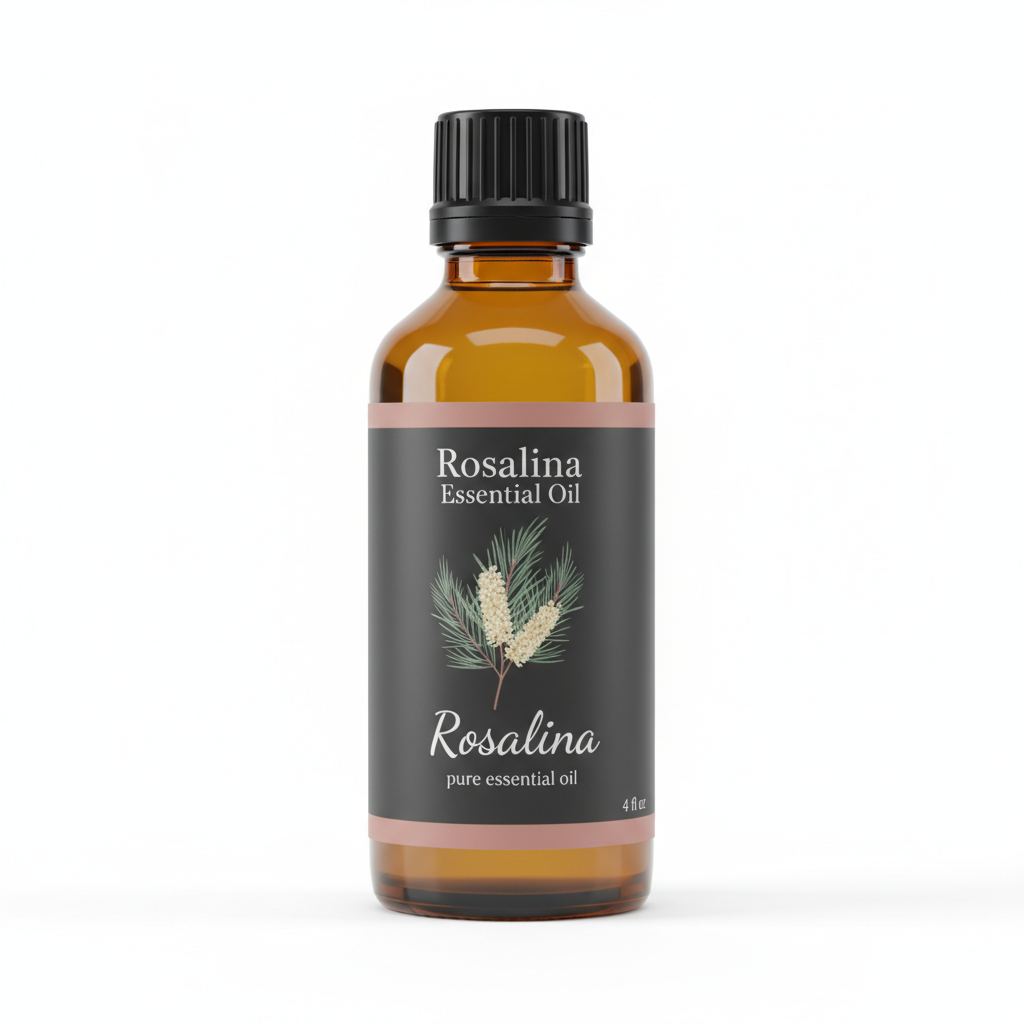
Rosalina Essential Oil
Our own Rosalina Essential Oil, in sizes from 0.5 oz to bulk.
From $16.99
Shop Now →Meet the three usual candidates
Jojoba, sweet almond and fractionated coconut turn up in nearly every dilution recipe, and they are three different kinds of material.
- Jojoba is technically a liquid wax, made mostly of wax monoesters with a structure similar to human sebum wax, which is part of why it is popular in cosmetics.
- Sweet almond is an ordinary triglyceride oil, rich in oleic and linoleic acids. One analysis of an almond oil from Taiyuan, China, found about 68% oleic acid and 25% linoleic acid. That is one sample, and other cultivars differ.
- Fractionated coconut is made of medium-chain triglycerides, the C6 to C12 fatty acids, produced industrially from caprylic (C8) and capric (C10) acids.
Step one: anyone with a tree nut allergy?
Almonds are on the US list of nine major food allergens, where tree nuts are given as "almonds, walnuts, and pecans". That list governs packaged food, not skin products, so it is not a ruling on almond oil in a body blend. Still, it is a sensible place to start. If anyone who will use or touch the finished blend has a diagnosed tree nut allergy, we would skip sweet almond and ask their allergist about the alternatives. Jojoba and fractionated coconut are the usual ones to raise with them.
Step two: how long does it need to keep?
Oils turn rancid through oxidation, which attacks double bonds. That is chemistry we can reason from: a carrier with a quarter of its fatty acids as linoleic acid, which has two double bonds, has more places to oxidise than a saturated medium-chain triglyceride. Jojoba, being a wax ester rather than a triglyceride, is a different case, and it has the strongest evidence of the three. In a 2022 comparison, jojoba, olive oil and squalene were heated at 60 C for 60 days, and jojoba came out best: its acid value did not change, and it had the lowest peroxide and carbonyl values.
A word of care about that result. The same paper found that stability varies between crude jojoba oils from different suppliers and is lower in refined and deodorised ones, so "jojoba keeps well" describes a type of oil, not guaranteed behaviour from the bottle in your hand. How almond and fractionated coconut rank against each other is our reasoning from the chemistry, not a measurement, as we know of no head-to-head test.
The practical rule is simple: a blend keeps no longer than its shortest-lived ingredient. We say our oil typically keeps 2 to 3 years, so if your carrier has an earlier best-by date, that is the date for the blend. Write the make date and the earliest best-by on the bottle, and use a clean dropper or pour rather than dipping.
Step three: how it feels
This is the most personal part and the one with the least to say on paper. How quickly an oil sinks in, how greasy it feels and how it behaves on your skin are things to find out by trying a small amount on one spot. A pharmacy or craft supplier will often have samples.
A small-batch habit worth borrowing
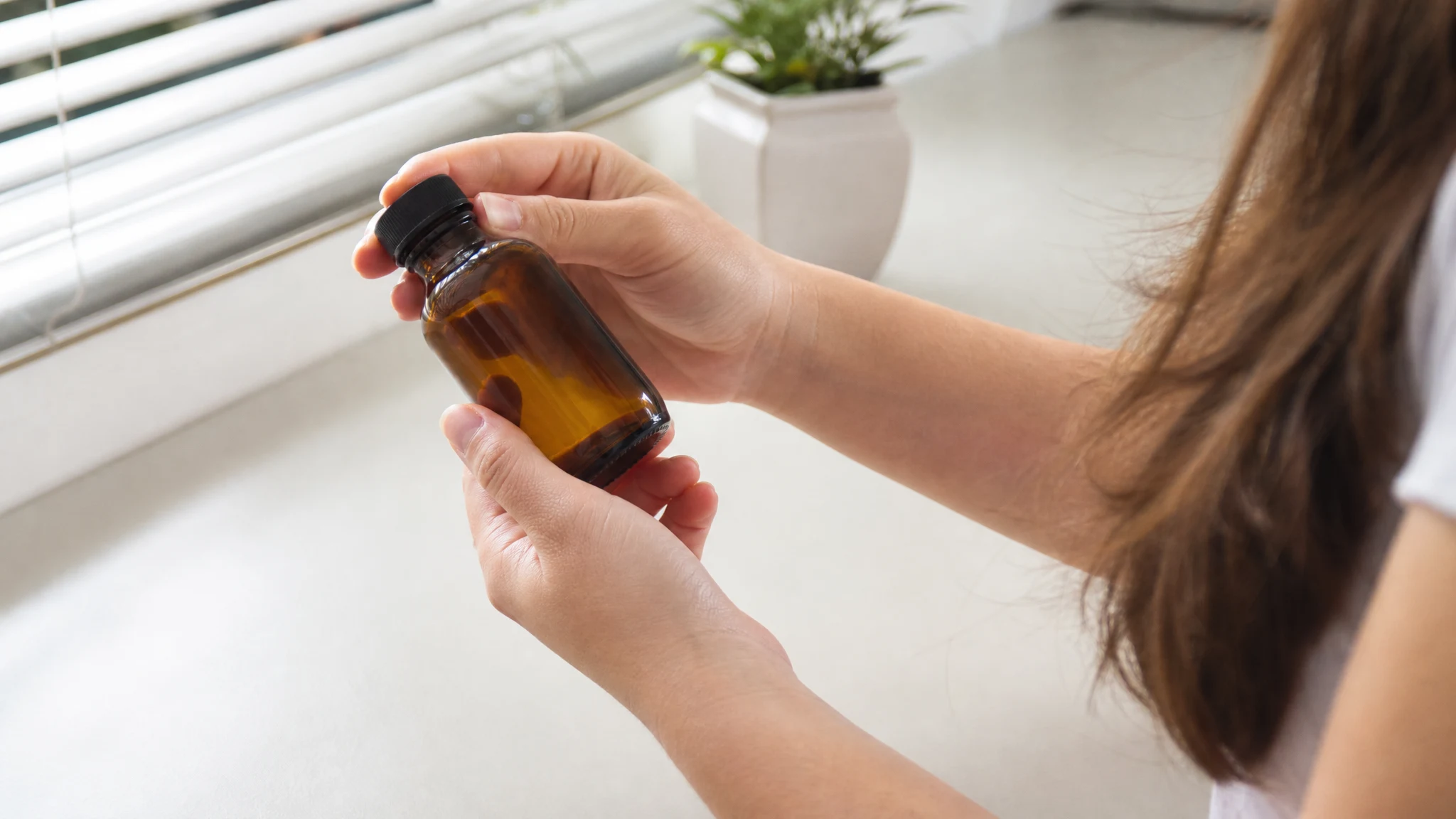
Because the carrier is nearly the whole bottle, it pays to make less than you think you need. A 30 ml bottle of blend goes a long way, and a smaller batch means you finish it while the carrier is still fresh. When you open a new carrier, give it a sniff. A fresh oil smells faint and clean, and anything sharp, stale or paint-like is a reason to set it aside and not put it on skin.
Choose a bottle with a narrow neck or a dropper so you can pour without dipping your fingers in, and keep it somewhere cool and out of the sun. If you are torn between two carriers, get the smallest bottle of each and compare them side by side over a week. You will learn more from that than from any chart.
Putting it together
| For | A sensible start | Why |
|---|---|---|
| Face | 0.5% rosalina oil, about 3 drops per ounce, in jojoba | We suggest the low end for the face, and jojoba has the best stability evidence of the three. |
| Body, no nut allergy at home | 1%, about 6 drops per ounce, in sweet almond or jojoba | A bigger area; this is arithmetic from our 0.5% to 2% range, not a prescription. |
| Anyone with a tree nut allergy | Jojoba or fractionated coconut, after asking their allergist | Avoids the almond question entirely. |
Whichever you pick, we recommend a patch test on a small area before wider use, and keeping any blend away from eyes. Our dilution guide walks through the percentages, and the patch test article explains what a home test can and cannot catch. For a first bottle of rosalina oil, the size guide shows how little you will use per batch, and the massage oil recipe puts the arithmetic into practice.
Pick the carrier that suits the people using it, then the one that will outlast your blend, and let your own skin have the final say on feel.
Rosalina Essential Oil
Rosalina Essential Oil from our own shop, in sizes from 0.5 oz to bulk.
From $16.99
Shop Now →Sources & Further Reading
- Oxidative Stability and Antioxidant Activity of Crude Jojoba Oil, Tsuchimoto, Sakai and Fukui, BPB Reports, 2022.
- Analysis of physicochemical property and composition of fatty acid of almond oil, Shi et al., Se Pu, 1999.
- Medium-Chain Triglycerides: Scientific and Regulatory Perspectives from Germany and Japan with a US Context-A Concise Review, Heidt et al., Nutrients, 2026.
- The FASTER Act: Sesame Is the Ninth Major Food Allergen, FDA.