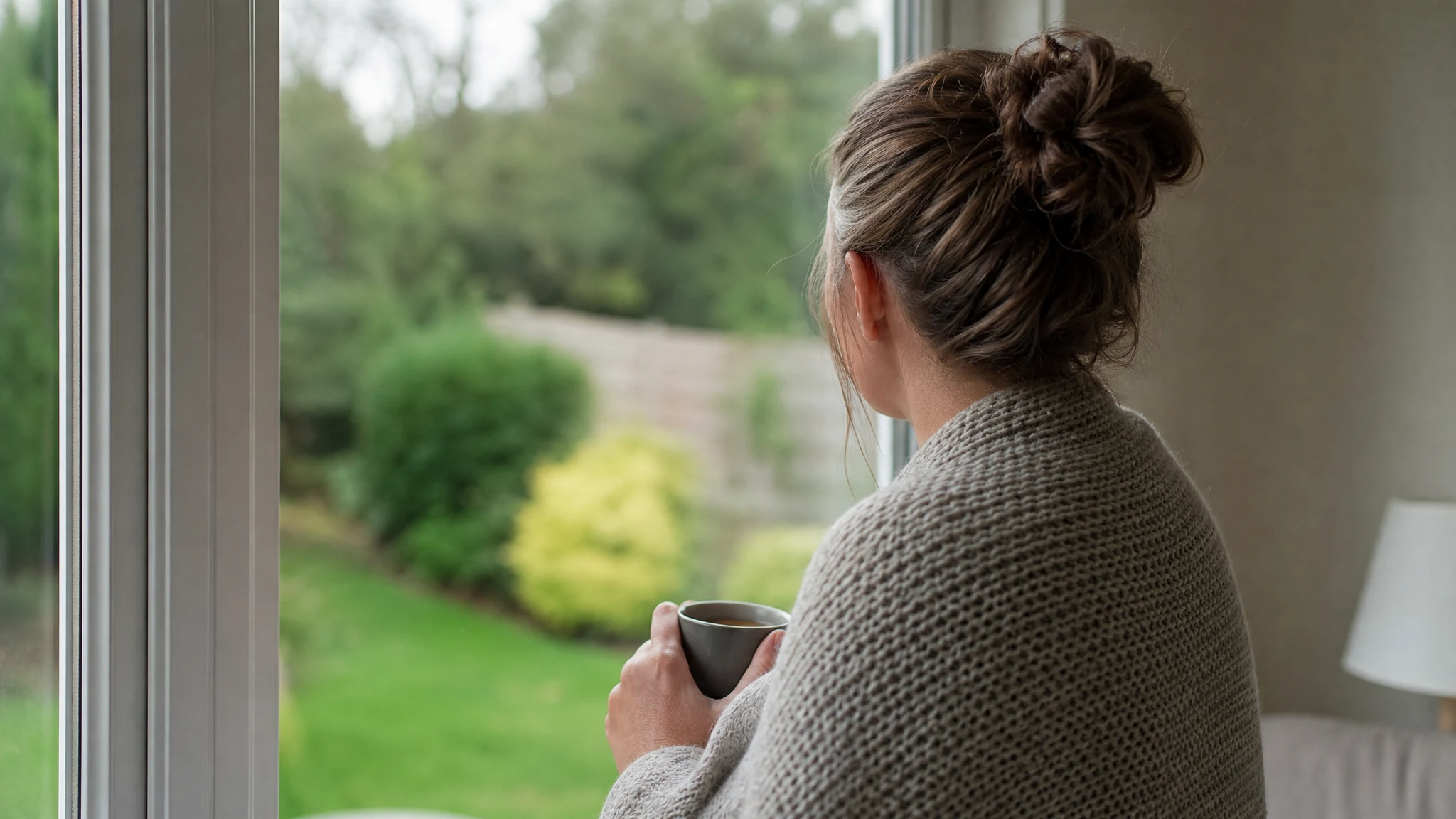
Essential Oils for Stress: What Anxiety Trials Measured
Call an oil "calming" and you are describing a smell. The trials behind the idea measure something narrower: a few points on a self-rated anxiety questionnaire, in people whose circumstances, setting and oils differ from one study to the next. That is still interesting, and it is worth reading carefully, because it tells you what a lovely-smelling room might add to a stressful week and what it cannot.
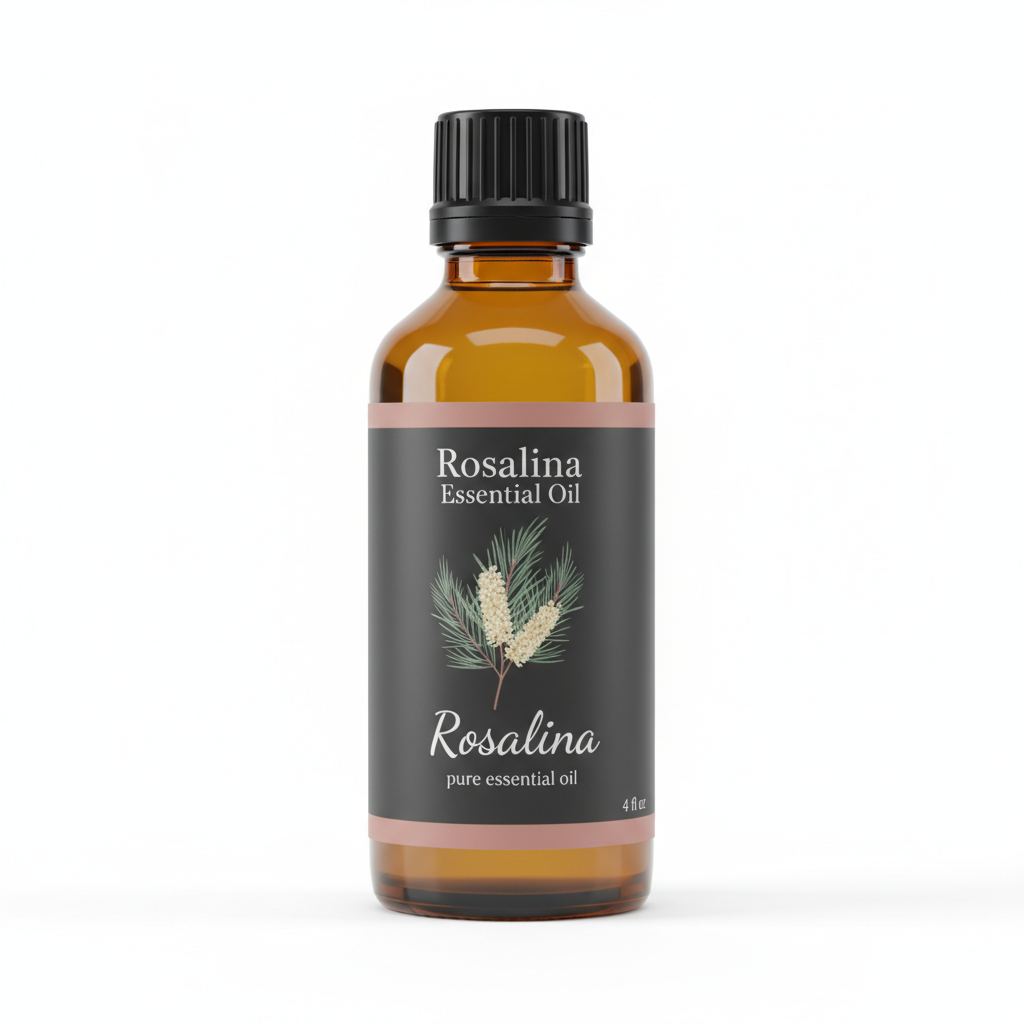
Rosalina Essential Oil
Our own Rosalina Essential Oil, in sizes from 0.5 oz to bulk.
From $16.99
Shop Now →Stress and anxiety are not the same thing
The US National Institute of Mental Health draws a helpful line. Stress, it says, is the physical or mental response to an external cause, such as a pile of homework or an illness. Anxiety is the body's reaction to stress and can occur even when there is no immediate threat. That distinction matters for reading research, because many aroma trials recruit people facing a specific event, such as a procedure or a hospital stay, or simply measure a general anxiety score. Few look at someone who is just overloaded for a month.
What the pooled studies say
A 2020 meta-analysis by Gong and colleagues combined 25 articles describing 32 randomised trials, searched from 1990 to October 2019. Inhalation and massage aromatherapy were associated with lower scores on a standard anxiety inventory, by roughly five points on the state scale and about three on the trait scale. The authors say the proper dose of oil needs further research. The abstract does not tell us how many people took part or how reliable the studies were, so we would treat the size of the effect with caution.
An earlier systematic review, by Cooke and Ernst in 2000, found 12 randomised trials, six of them on aromatherapy massage for relaxation, and described a mild, transient effect on anxiety that was probably not strong enough to treat it. Two reviews, twenty years apart, differ in tone and agree on the shape: if the effect is real, it is small and tied to the moment of exposure.
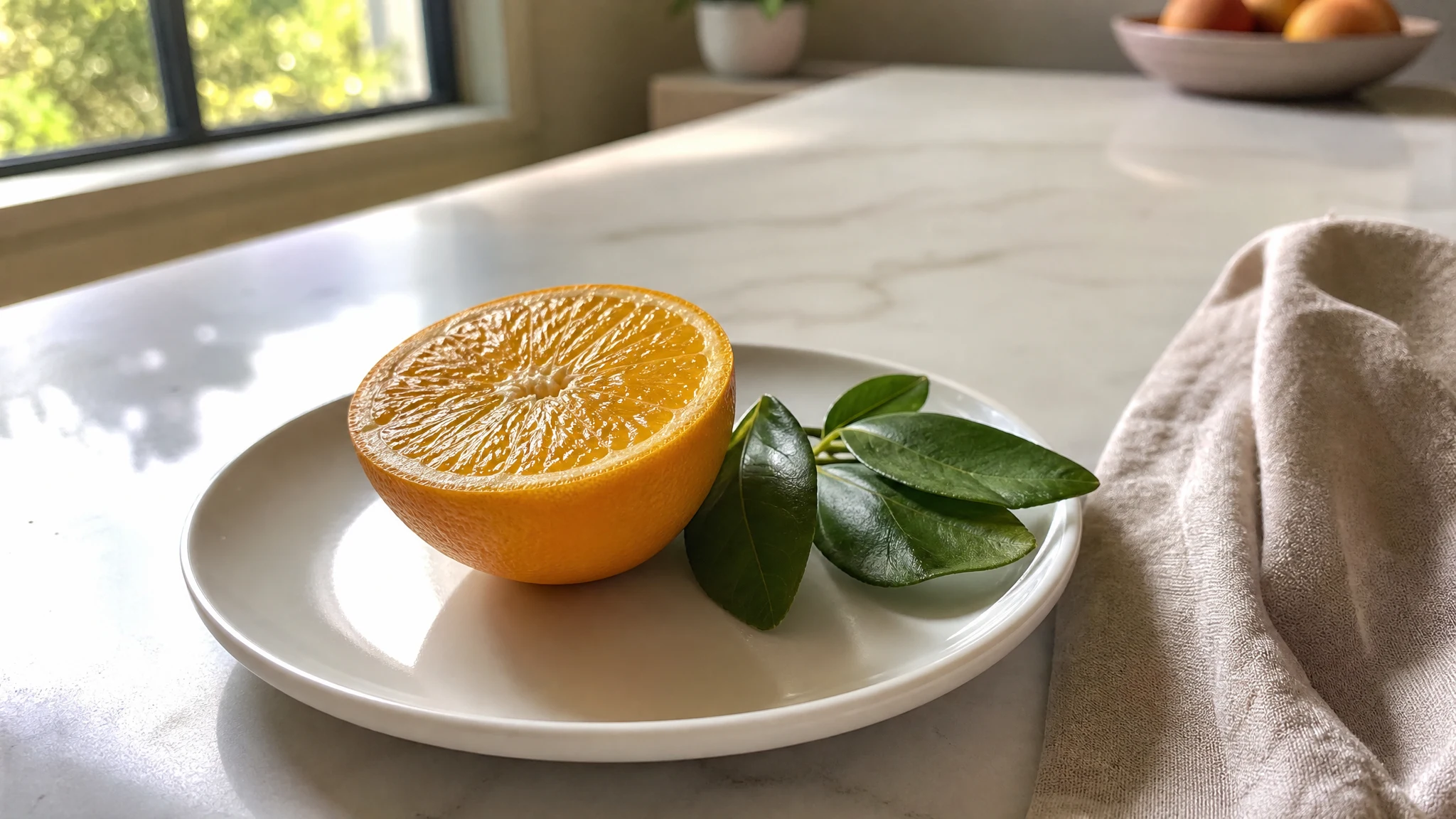
The US National Center for Complementary and Integrative Health describes one study that compared lemon and lavender scents in people under stress. Lemon had a positive effect on mood, but neither scent changed measured stress indicators. Self-rated mood and measured stress markers moved differently, and that is a useful thing to hold onto. Feeling a little brighter is a nice result, and it is not the same as changing the body's stress response.
Why the scent studies are hard to read
This part is our own reasoning rather than a finding from one paper. A person smelling lavender or lemon knows what they are smelling. When the result is a questionnaire answer, the effect of the scent and the expectation of an effect arrive together, and a trial cannot easily pull them apart. A pleasant smell can also lift a mood score for an hour without changing how someone copes with a heavy workload. It fits the lemon and lavender description above, though that is our inference and not the page's statement.
The sensible takeaway for a home user is simple: choose a scent because you like it, in a small amount, rather than because a study ranked it. Liking a smell is a legitimate reason all by itself.
What stress guidance actually lists
NIMH's list of things to try when you feel overwhelmed is down to earth: keep a journal, use an app for breathing or mindfulness, exercise, eat regular meals, keep a sleep routine, and lean on friends and family. If you like a scent in the room while you do those things, that is a matter of taste, and a lovely one.
A small pause, whatever the studies conclude
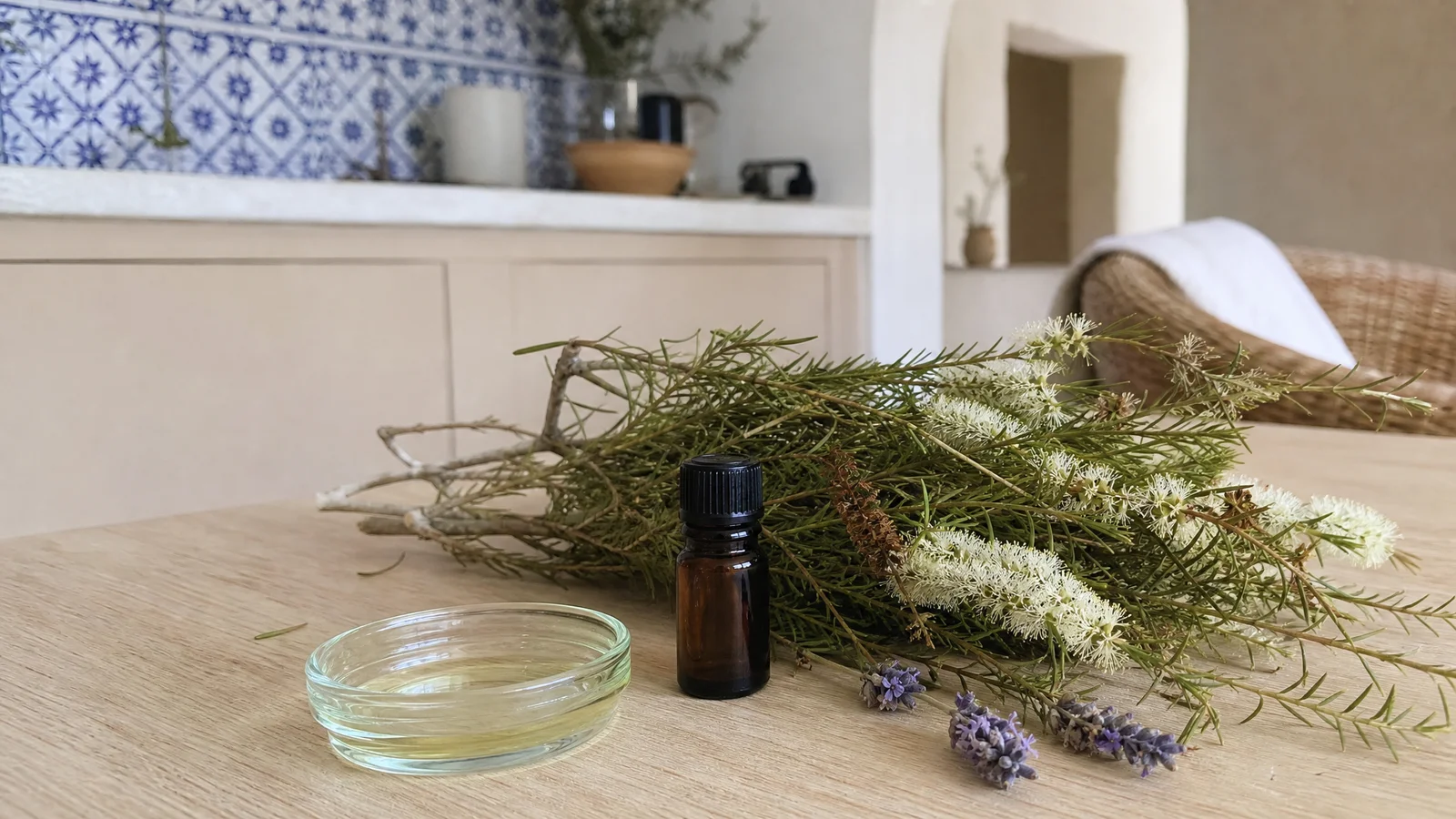
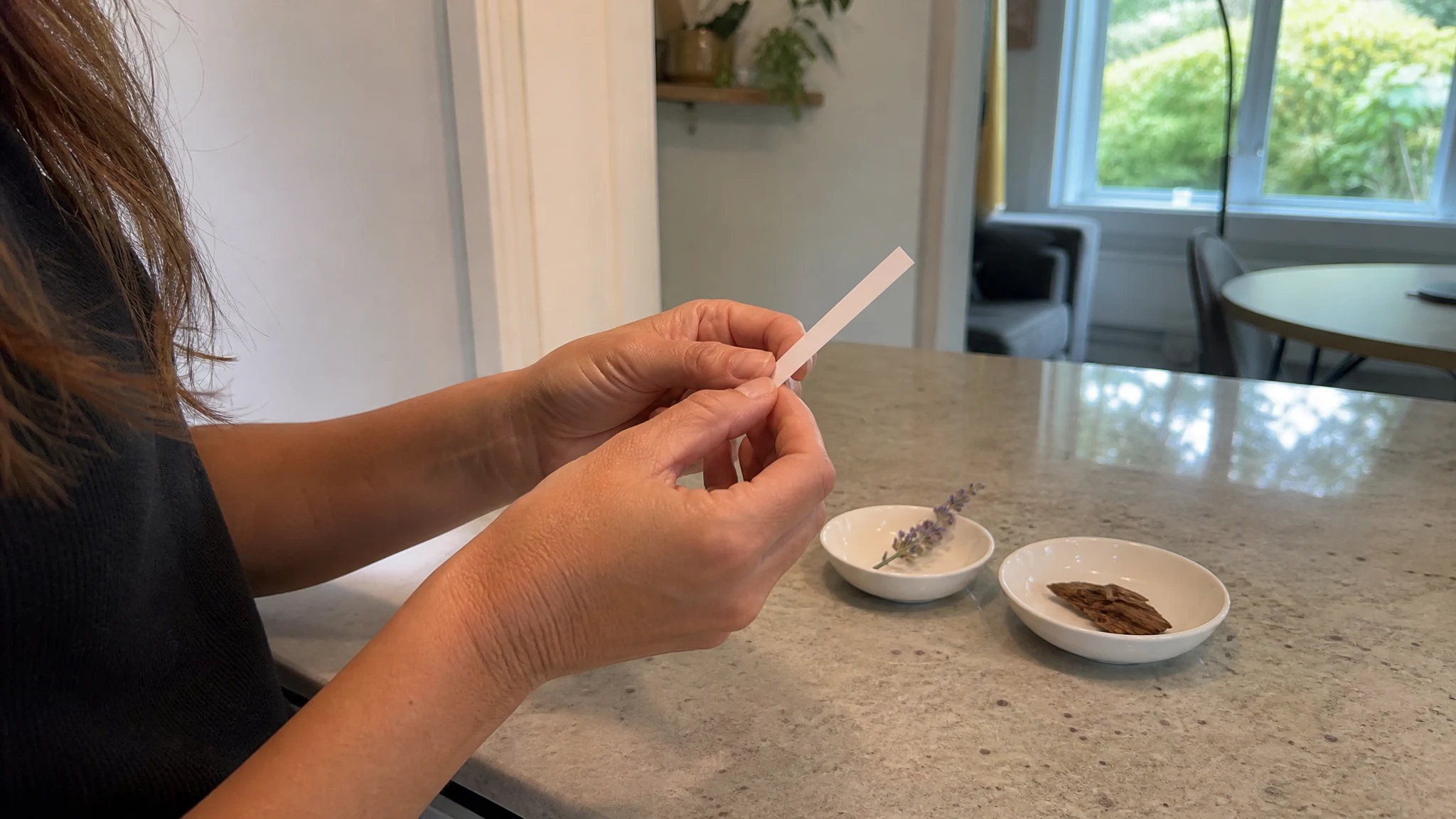
Many people enjoy the little ritual of opening a bottle: unscrewing the cap, holding a paper strip under the nose, noticing whether the scent is green or sweet or sharp. That pause belongs to you, and it costs nothing.
Keep the oil off your skin unless it is diluted, keep it away from your eyes, and recap the bottle when you are done. The pleasure is in the noticing, and a few seconds is plenty.
Where rosalina fits
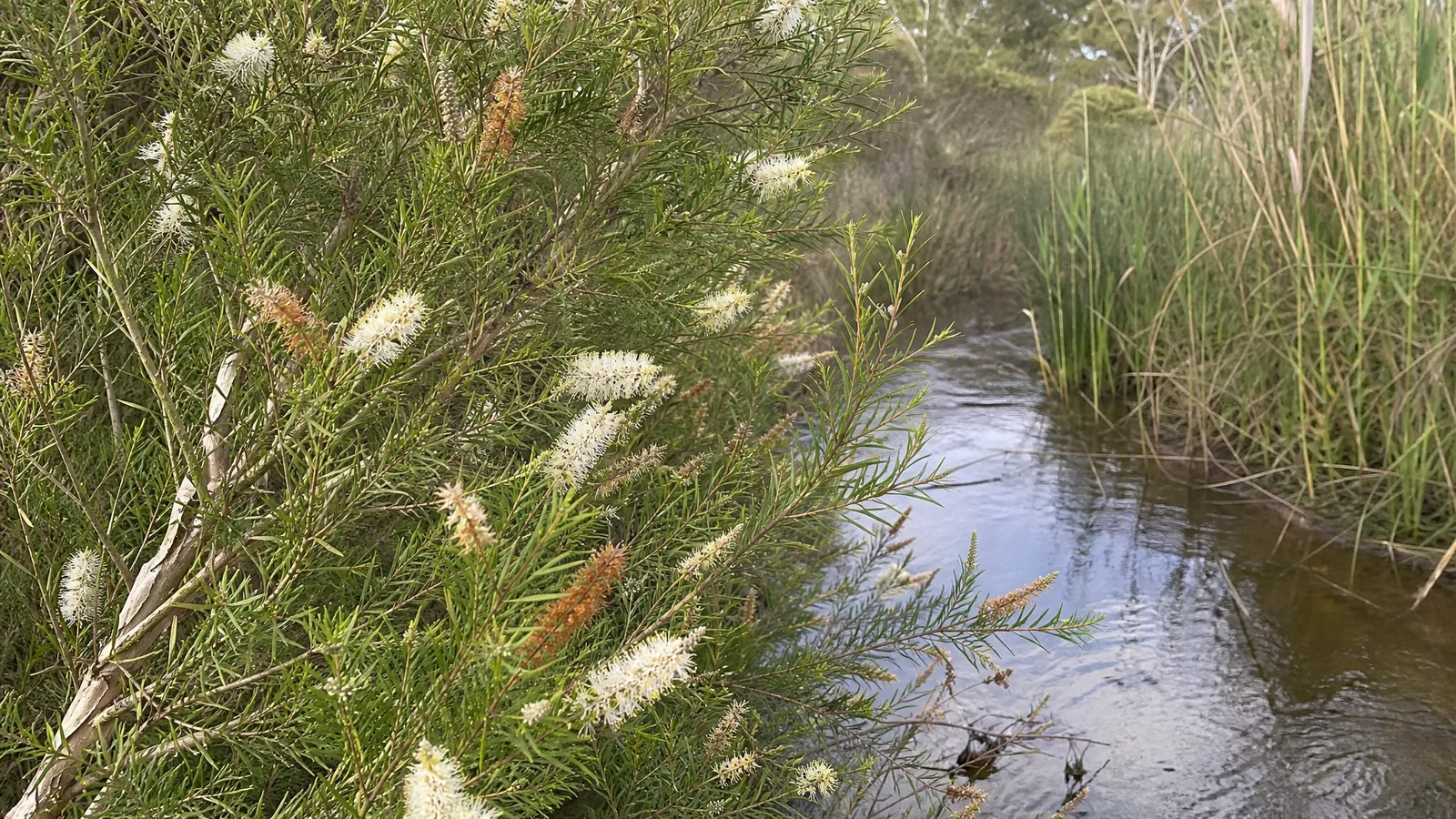
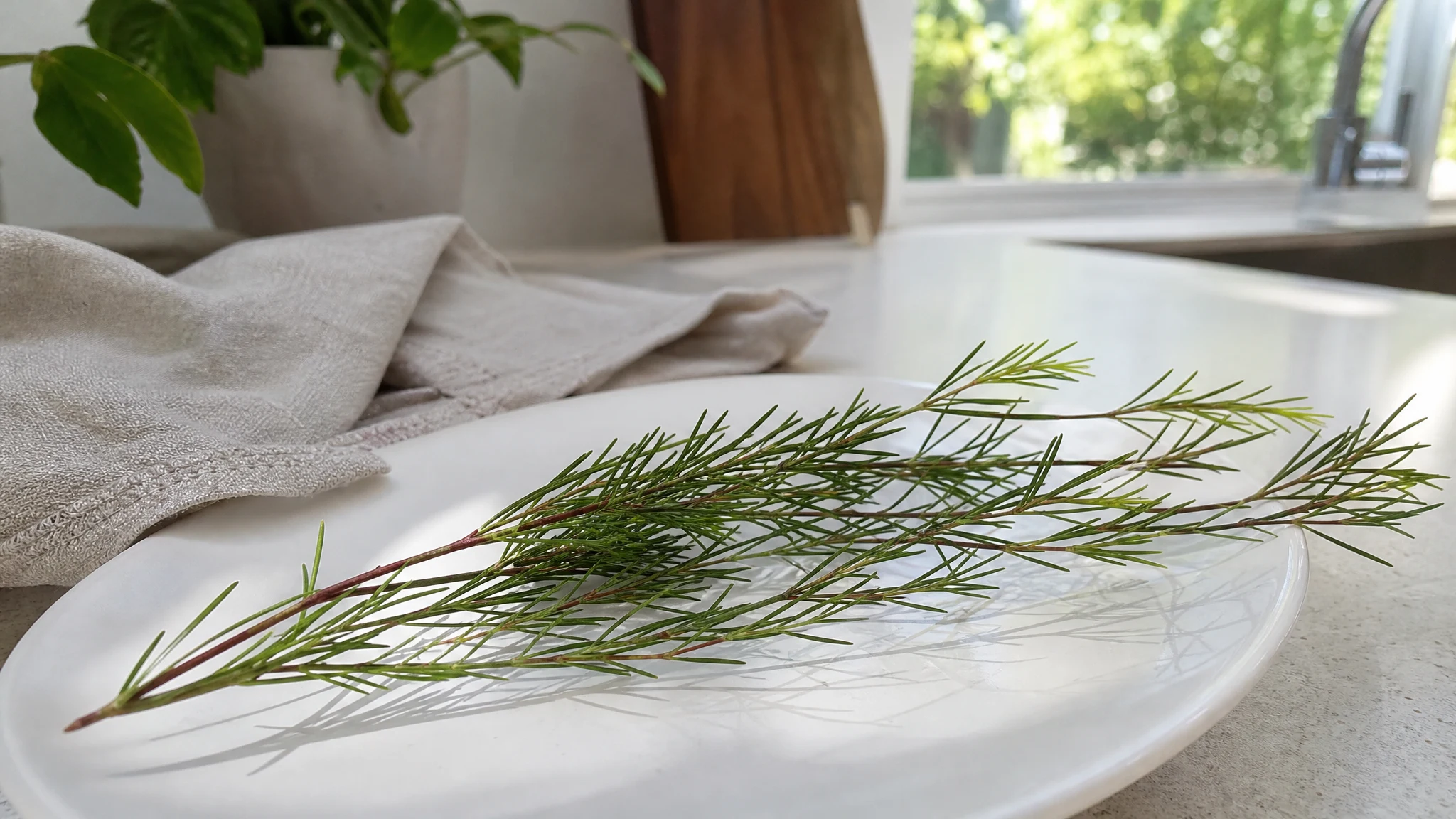
We sell one oil, Melaleuca ericifolia, as a fragrance and not as a stress product. The studies above do not involve it, and lavender findings cannot be transferred to a different plant. Valarezo and colleagues report that published oils from rosalina's species fall into at least three chemical profiles. We describe our oil's aroma as fresh and floral, and we use it as a fragrance material, diluted before it goes anywhere near skin; our dilution guide covers how. The Certificate of Analysis we publish for one batch lists density and refractive index, and if you want constituent figures you can ask us in writing through the contact page. For a comparison of how rosalina and lavender smell, see our lavender comparison, and for the wider research picture, what aromatherapy reviews conclude. If poor sleep goes along with stress, our sleep article covers that side.
When stress needs a person
NIMH advises talking to a professional if you are struggling to cope, if symptoms will not go away, or if stress feels unmanageable. Talk therapy and medication are the two main treatments for anxiety, and many people benefit from both. A physician or licensed therapist can work out which fits. If you are in immediate distress or thinking about hurting yourself, call or text 988 in the US.
A scent can share a room with all of those other things, and it is at its best when it does not have to do their job.
Rosalina Essential Oil
Rosalina Essential Oil from our own shop, in sizes from 0.5 oz to bulk.
From $16.99
Shop Now →Sources & Further Reading
- I'm So Stressed Out! Fact Sheet - National Institute of Mental Health (NIMH)
- Effects of aromatherapy on anxiety: A meta-analysis of randomized controlled trials, Gong et al., Journal of Affective Disorders, 2020
- Aromatherapy: a systematic review, Cooke and Ernst, British Journal of General Practice, 2000
- Aromatherapy | NCCIH
- Essential Oil of Melaleuca ericifolia Sm.: Chemical Composition, Enantiomeric Distribution, and Antimicrobial, Antioxidant, and Anticholinesterase Activities, Valarezo et al., Molecules, 2026