Do Essential Oils Repel Mosquitoes? Minutes vs DEET
A porch candle, a rub of oil on the arms, a spritz of something that smells like a garden: plenty of people hope a pleasant plant scent will keep mosquitoes away. The studies that measured it use a different yardstick. They count minutes of protection, and next to a registered repellent the minutes for plant oils are short.
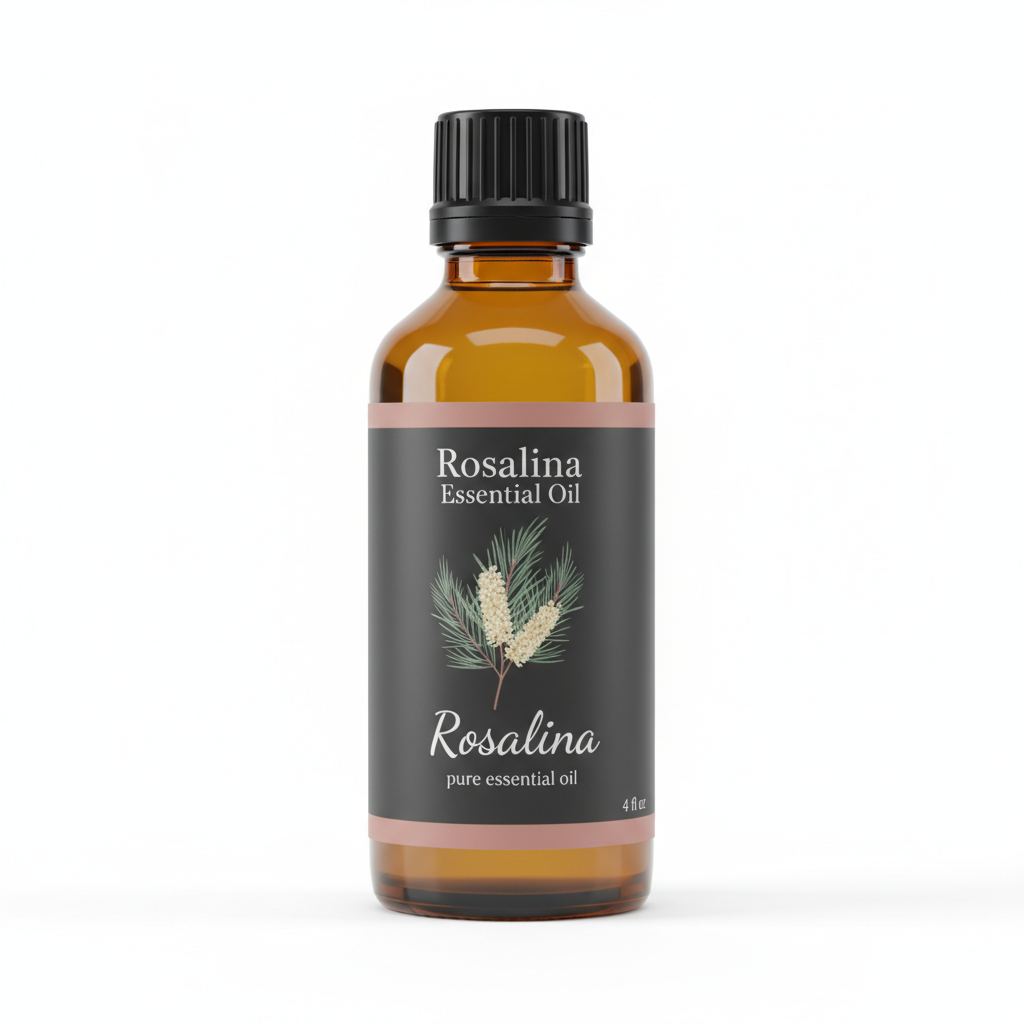
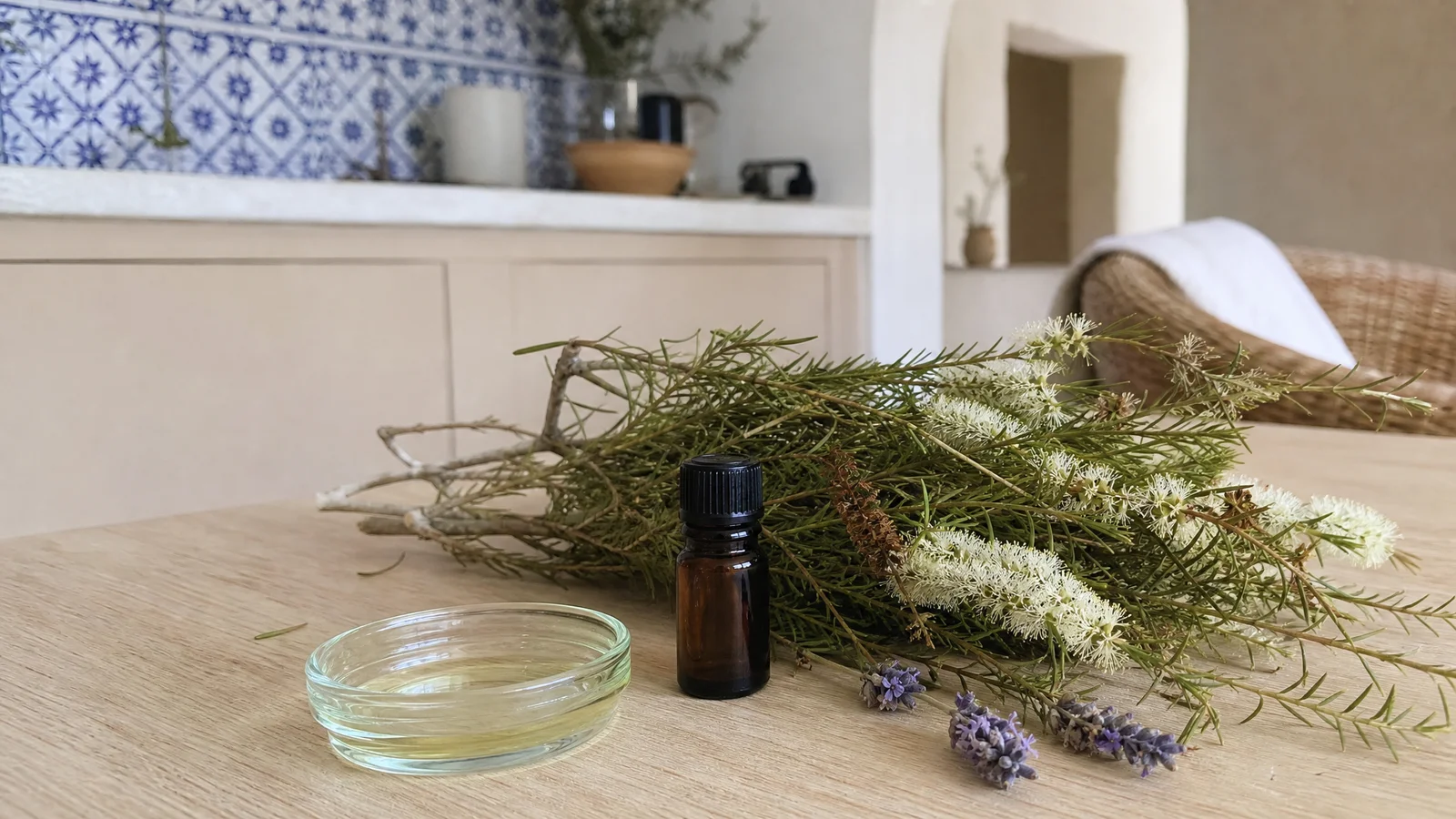
Rosalina Essential Oil
Our own Rosalina Essential Oil, in sizes from 0.5 oz to bulk.
From $16.99
Shop Now →We sell one essential oil, rosalina, as a fragrance material, and we make no repellent claim for it. This article is about how to read the claims you will meet on other bottles.
Minutes under the microscope
The best-known comparison came from Fradin and Day, who tested a long list of products on 15 volunteers in a controlled laboratory with mosquitoes whose age, hunger, humidity and temperature were all held constant. A 23.8% DEET product gave complete protection for an average of 301.5 minutes. A soybean-oil-based repellent lasted 94.6 minutes, which is about a third of the DEET time. A product with IR3535 averaged 22.9 minutes, and every other botanical product they tried gave under 20 minutes. The repellent wristbands gave none. Their conclusion was that the non-DEET products then on the market could not be relied on for prolonged protection where mosquito-borne disease is a real threat.
A Korean study in 2015 followed a regulatory test protocol and told the same story at smaller scale. DEET gave complete protection for 360 minutes. Citronella oil managed 10.5 minutes and fennel oil 8.4. Citronella's repellency fell from 97.9% at the start to 71.4% after an hour and 57.7% after two, while DEET stayed above 90% for six hours. One plausible reason is that plant oils are volatile, which is part of what makes them smell lovely and may also be why their effect fades so fast.
Neither study tested a diffuser, a candle, or a scent drifting through a room, so they say nothing in favour of those. And neither reports on rosalina oil, so there is nothing here to say about rosalina and mosquitoes at all.
The "oil of lemon eucalyptus" mix-up
The one plant-derived name you will see on registered repellents causes a lot of confusion. Oil of lemon eucalyptus, often shortened to OLE, sounds like an essential oil. As the researchers Carroll and Loye describe it, the active compound PMD (para-menthane-3,8-diol) is a monoterpene left over from distilling the leaves of the Australian lemon-scented gum, and the CDC endorsed it as a repellent in 2005. In other words, the registered ingredient is a refined product with testing and a registration behind it, not the raw essential oil from the bottle on the shelf. The EPA adds that some OLE products should not be used on children under three, which is another reason to read the label.
The label that matters
The EPA's advice is simple: look for an EPA registration number on the label. That number means the company provided the agency with technical information about how well the product works. A product without one may be pleasant, but it has not shown that it protects. For travel to places where mosquitoes carry disease, a travel clinic or your physician is the right person to ask which protection applies, and the EPA's page on using repellents safely covers how to apply them, including on children.
Making an outdoor space pleasant
If what you want is a porch or garden that feels welcoming, there is a lot you can do that has nothing to do with oil. A fan on the table makes a seating area more comfortable. Tip out water that has collected in pots, saucers and buckets. Light long sleeves and trousers cover skin in a way that no scent can. These are ordinary habits, and they are a good place to start before you think about aroma at all.
Choosing a scent for the evening
Once the practical side is sorted, scent is a pleasure to play with. If you use a diffuser on a covered porch, begin with a small amount and let the breeze decide how much carries. Open the bottle and smell it outdoors before you commit, since air changes how an aroma reads: a scent that seems quiet indoors can feel strong in a closed porch and nearly vanish in a breezy garden. Keep any open bottle, candle or diffuser out of reach of children and pets, and bring bottles back indoors afterward, away from heat and sunlight.
Keep the evening simple. One scent, a small amount, and a seat you enjoy will do more for the mood of a porch than a crowd of bottles on the table.
Where scent fits
Scent is a lovely thing to have in an outdoor space, and our rosalina oil has a fresh, mellow aroma that some people enjoy in a room. That is the beginning and end of its job. If you use any essential oil near the house, keep the usual precautions in mind: dilute before it touches skin, keep it from eyes, and keep bottles away from children and pets. Our guide to diluting rosalina oil covers the skin basics, our pet article covers the animals in the house, and the comparison with tea tree shows how two Melaleucas can differ. For another topic where marketing outruns measurement, see cleaning with essential oils.
So the rule of thumb is easy: for protection, find the registration number; for atmosphere, pick the scent you like best.
Rosalina Essential Oil
Rosalina Essential Oil from our own shop, in sizes from 0.5 oz to bulk.
From $16.99
Shop Now →Sources & Further Reading
- Comparative efficacy of insect repellents against mosquito bites, Fradin and Day, New England Journal of Medicine, 2002
- Comparison of Repellency Effect of Mosquito Repellents for DEET, Citronella, and Fennel Oil, Yoon et al., Journal of Parasitology Research, 2015
- PMD, a registered botanical mosquito repellent with deet-like efficacy, Carroll and Loye, Journal of the American Mosquito Control Association, 2006
- Using Insect Repellents Safely and Effectively, US EPA