Phototoxic Essential Oils: Which Ones React in Sun?
Most essential oils never cause a sun reaction. The ones that can share a specific kind of molecule, and they are concentrated in one family: expressed citrus oils, with bergamot the best-known. Once you understand the mechanism, you can judge a bottle on its label instead of worrying about every oil on the shelf.
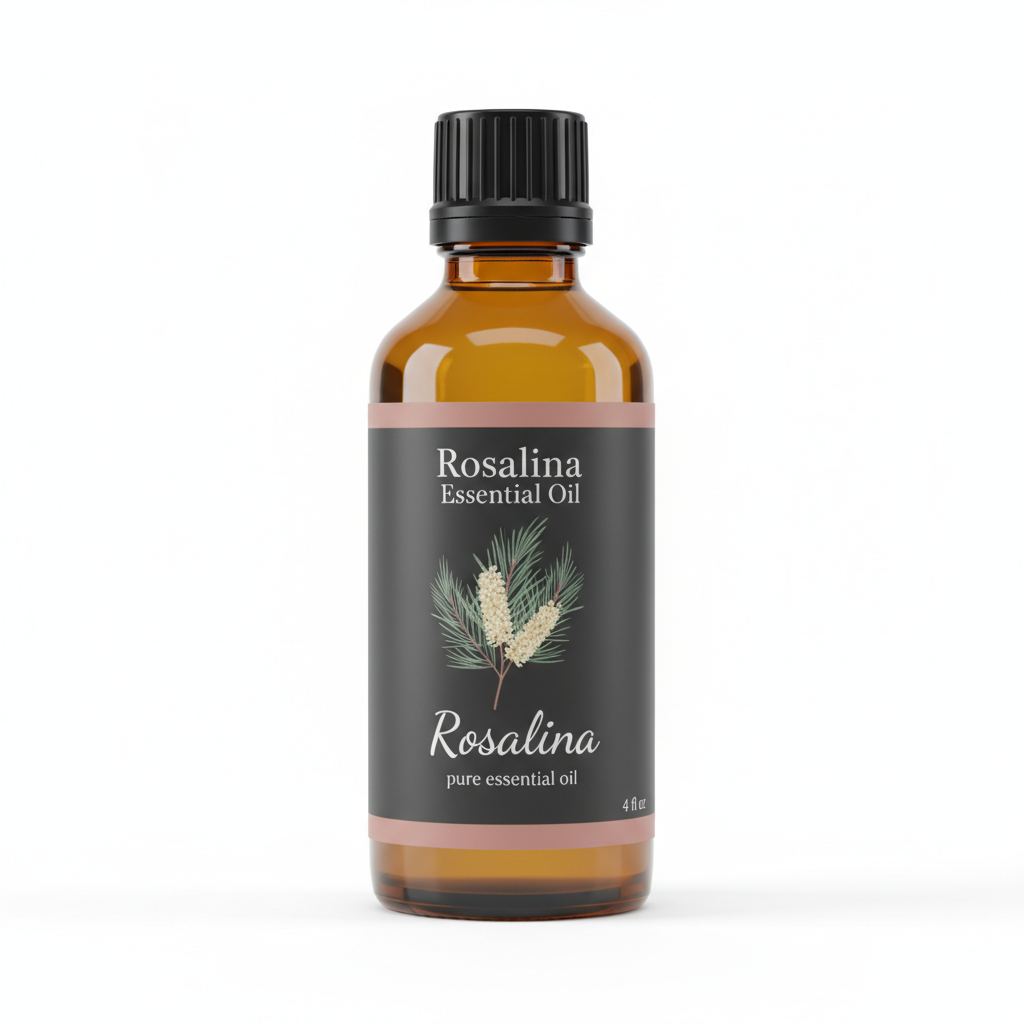
Rosalina Essential Oil
Our own Rosalina Essential Oil, in sizes from 0.5 oz to bulk.
From $16.99
Shop Now →What actually happens
The culprits are furanocoumarins, molecules that sit in the skin and, when UVA light reaches them, can bind to DNA in skin cells and injure them. Without UV they do nothing (Tisserand Institute, Phototoxicity: essential oils, sun and safety). That separates it from an allergy: a 2024 review describes phytophotodermatitis as a non-immunologic reaction to plant compounds followed by UV exposure, showing up as redness, blistering and later darker patches (Grosu Dumitrescu et al., 2024).
Two practical points follow. The reaction needs the oil on the skin and UV together, so a leave-on product matters far more than a rinse-off one; Tisserand regards the risk from soap or bubble bath as negligible. And it is a matter of dose, which is why the rules are written as limits instead of bans.
Expressed or distilled makes the difference
Citrus peel oils are usually pressed, which carries furanocoumarins into the bottle. Steam distillation leaves most of them behind. Tisserand reports that distilled citrus oils hold very little of them, and cites one study in which distilled lemon had 22 times less bergapten than the expressed oil. Our extraction methods article covers the difference, and label reading tells you how to spot which one you are holding.
Citrus peel oils are one of the most appealing smells there is. Open a bottle of a pressed grapefruit or lime and the aroma is like freshly zested rind, which is exactly why people want them in blends. The reason for the rules is not to spoil that pleasure but to keep it where it belongs.
The numbers behind the rules
IFRA caps bergamot oil at 0.4% in a leave-on product that may be exposed to sunshine, with wash-off products excluded. A second rule works on the key molecule instead: IFRA and the EU both set a maximum of 15 ppm bergapten (0.0015%) in most leave-on products.
Here is why that second rule is handy. Suppose your oil contains 0.1% bergapten. Then 0.0015 divided by 0.1 gives 1.5%, the most of that oil you could use. If the oil contained 0.3%, the same ceiling falls to 0.5%. That is our arithmetic, with made-up bergapten figures to show the logic, but it makes a real point: two bottles of "bergamot" can have different allowances, so ask the supplier for the bergapten content of your lot, or look for a bergapten-free grade.
Drop counts are too coarse for limits this small. At 0.4% in a 1 oz (29.57 ml) bottle of carrier, you get about 0.118 ml, or roughly 2.4 drops at 20 drops per ml. Two drops is under the line and three is over it, so a small scale beats counting.
Reading a bottle before you open it
Look at the label for the extraction method: pressed or expressed on a citrus peel oil is the phrase to notice, and steam distilled is a different story. If the label says nothing, ask the seller in writing before you use it on skin.
It also helps to think about where the blend will go. A leave-on blend for hands, neck or face is on skin the sun can reach, and it deserves the most care. A blend for a diffuser or a covered patch of skin is a different conversation. Writing the strictest oil's limit on the bottle label keeps you honest.
Where rosalina fits
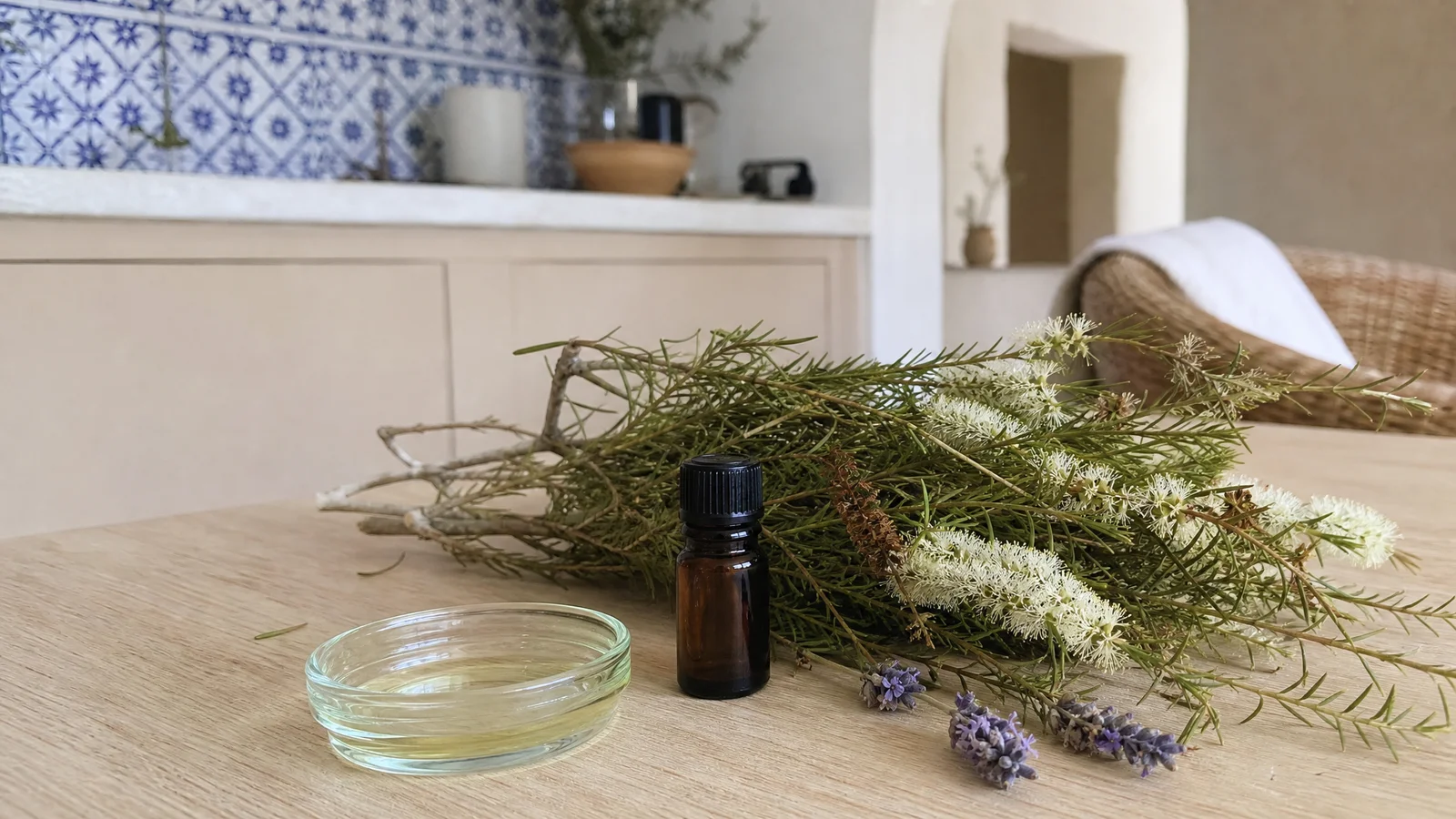
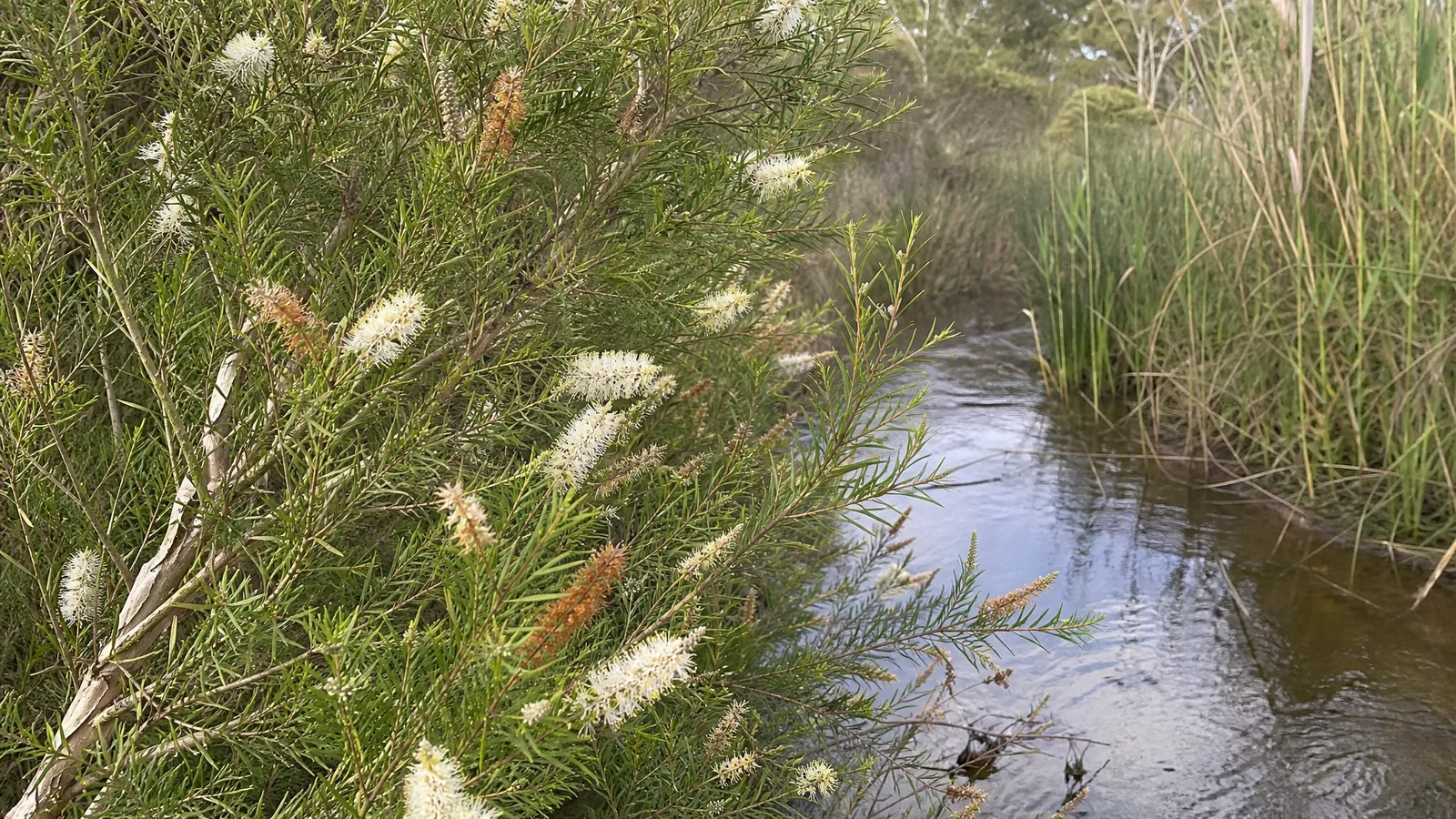
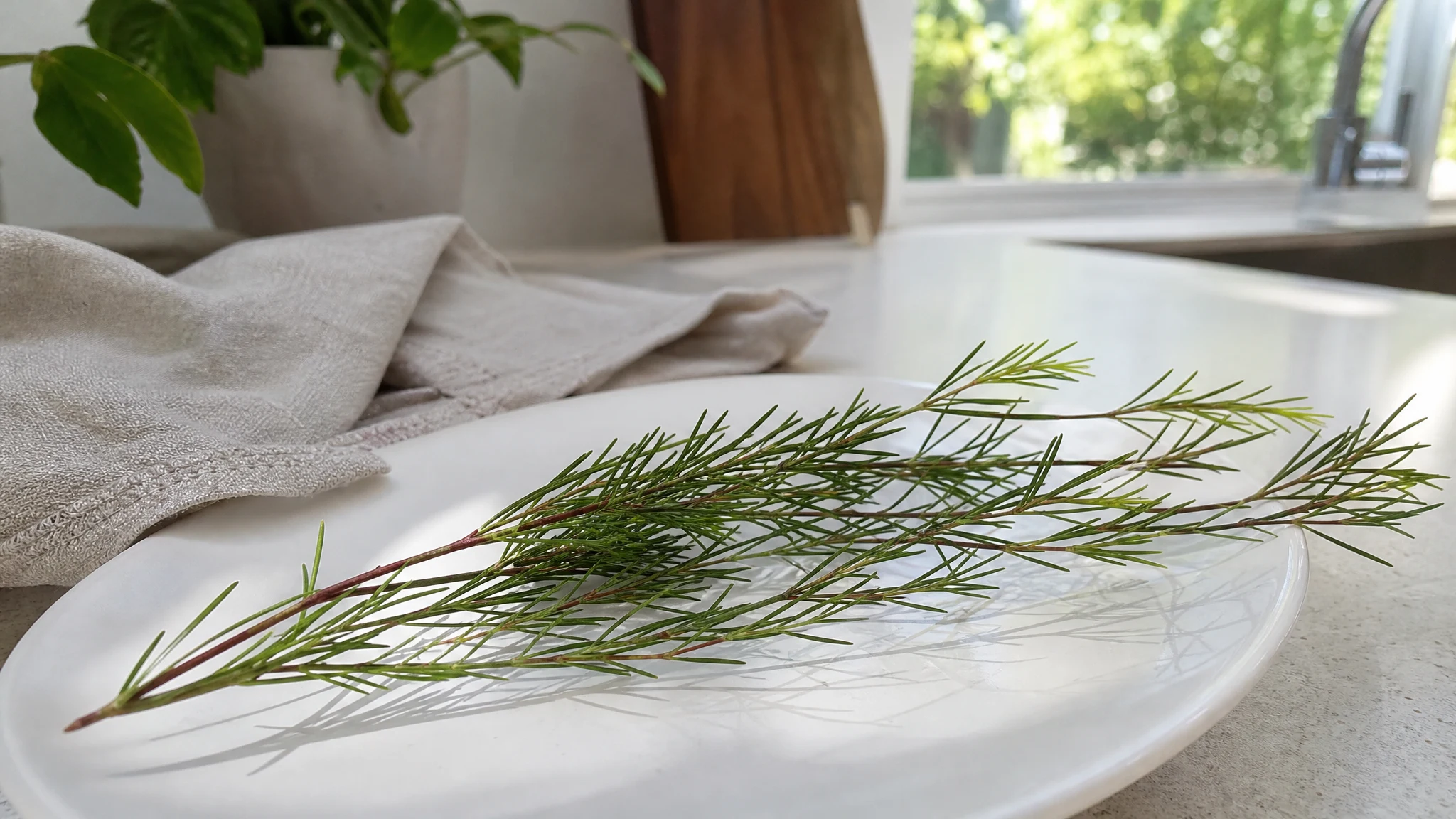
Rosalina is a steam-distilled leaf oil, not a pressed citrus peel, and it sits outside the group these rules were written for. The Tisserand page does not list Melaleuca among the oils it discusses, so we simply treat our oil as we would any leave-on fragrance material. Our guidance for skin is to dilute to 0.5% to 2% in a carrier oil and patch test first, and we suggest staying toward the low end, in line with the Tisserand Institute ranges of 0.5 to 1.2% for facial products and 1 to 3% for body products (Tisserand Institute, Dilution for essential oils).
The one place the topic does touch a rosalina blend is the partner oil. Bergamot, lime, lemon and grapefruit are all popular beside a soft floral. We do not sell them, and you will find them at a craft or supply shop. When you buy one, ask the three questions above: is it expressed or distilled, is the bergapten figure stated for this lot, and what leave-on limit does the supplier give? In a blend, the strictest oil sets the limit for the whole bottle.
If skin does react
Tisserand advises keeping skin that has had a phototoxic amount out of UV for at least 12 hours. A blistering reaction or dark patches call for a doctor or dermatologist, who have the tools to tell phototoxicity from irritation or allergy. A rash that did not need sunlight is more likely one of those two, which our skin reactions article covers. The general method for leave-on blends is in how to dilute rosalina oil.
Phototoxicity is a narrow topic with a clear rule of thumb: know whether an oil is pressed citrus, ask for the numbers, and keep leave-on percentages low.
Rosalina Essential Oil
Rosalina Essential Oil from our own shop, in sizes from 0.5 oz to bulk.
From $16.99
Shop Now →Sources & Further Reading
- Tisserand Institute. Phototoxicity: essential oils, sun and safety
- Tisserand Institute. Dilution for essential oils
- Grosu Dumitrescu C. et al., 2024. New Insights Concerning Phytophotodermatitis Induced by Phototoxic Plants. Life (Basel). Europe PMC 39202761