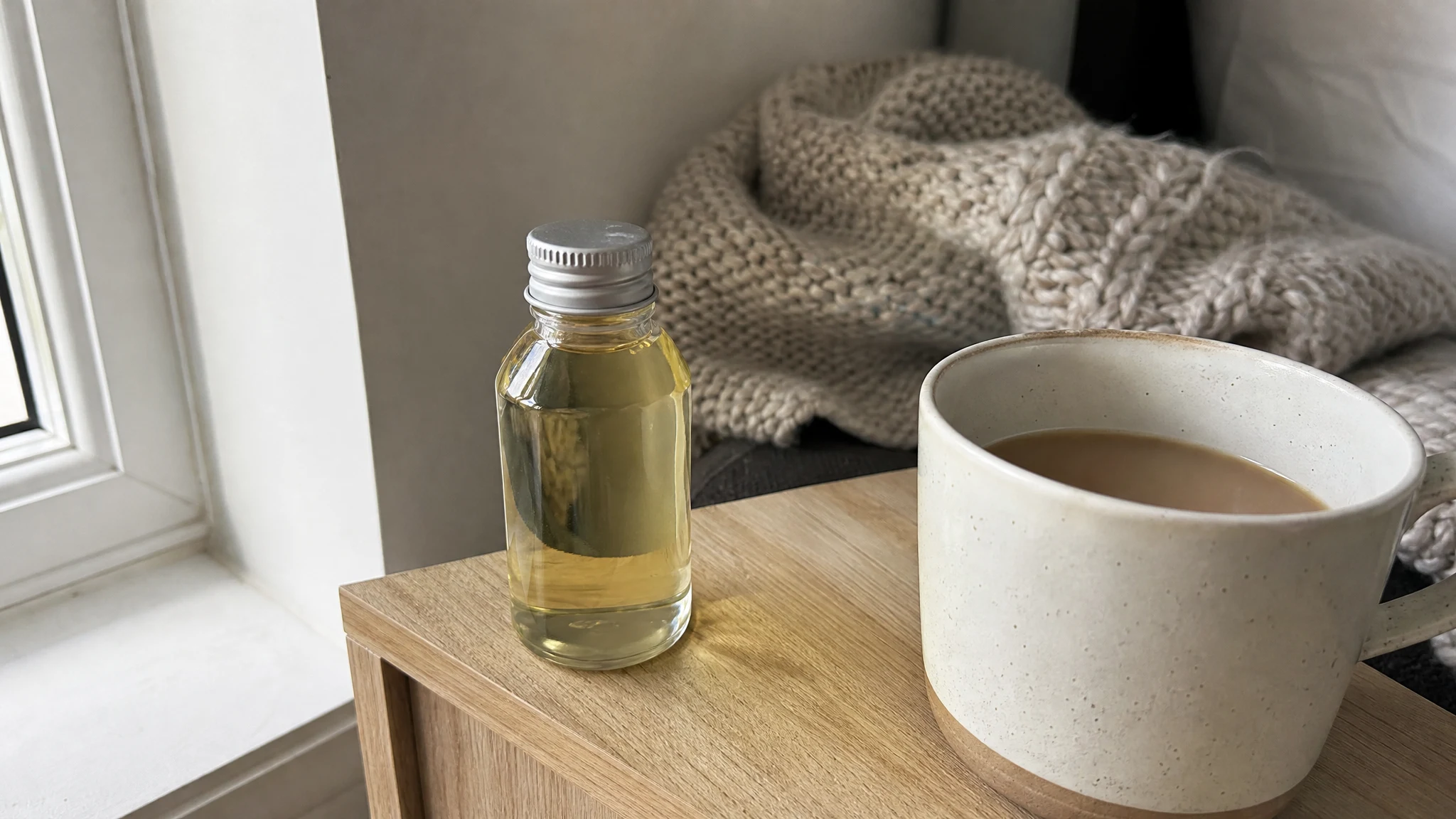
How to Tell If Rosalina Oil Has Gone Off
An essential oil does not go off the way milk does. There is no sour day, no mould, nothing that announces itself. What happens instead is slow chemistry: the bright, volatile molecules that you smell are gradually rearranged by oxygen, and the bottle that opened green and lavender-like begins to smell a little flatter. The interesting part is how quiet it is, and why that quiet matters more for skin than for a diffuser.
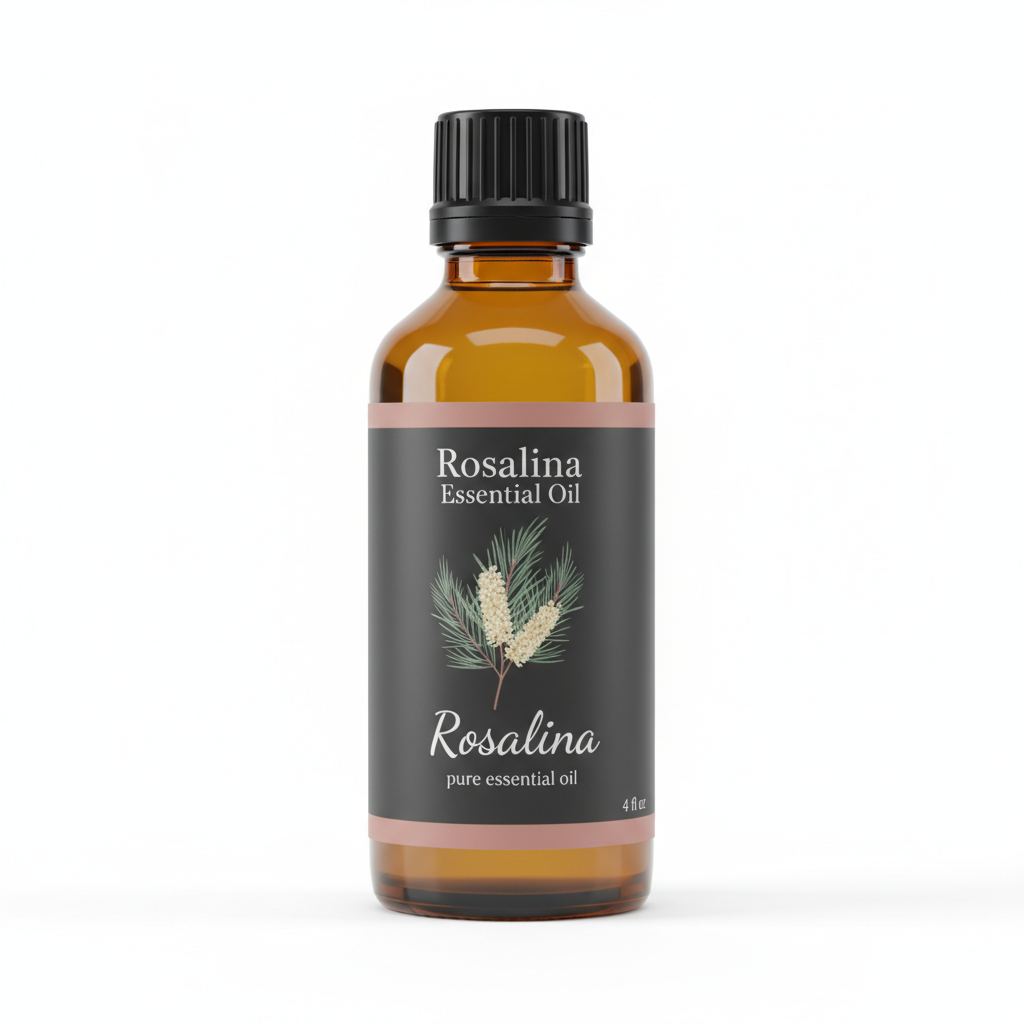
Rosalina Essential Oil
Our own Rosalina Essential Oil, in sizes from 0.5 oz to bulk.
From $16.99
Shop Now →What is actually happening in the bottle
The Tisserand Institute puts it plainly: oxidation is encouraged by heat, light and moisture, and the more air there is in the bottle, the faster the oil oxidises. Its rough guideline is that most essential oils keep well for at least one to two years before oxidation starts to take effect, with shelf life running from one year to several. We describe the shelf life of our Rosalina Essential Oil as typically two to three years, and we would plan toward the shorter end if you mean to put it on skin. That is a judgment, not a measurement: the guideline is general and the Tisserand page itself calls such figures rough.
Rosalina belongs to the Melaleuca genus, and the best-known review of its relative tea tree oil says the same four forces (light, heat, air, moisture) affect stability, that composition can drift in storage, and that allergic reactions to the oil are linked mainly to oxidation products in aged or poorly stored oil. It is a different species, so treat it as the direction of travel and not a number for our bottle. Our storage guide covers the routine that slows all this down. This post is about the other half: recognising when it has already happened.
The signs, from subtle to obvious
The Institute describes the first sign as a change in smell: as an oil oxidises, its smell changes a little and some brightness and freshness disappear. That matches what most people notice first, a bottle that smells muted, a little dull around the edges, as if someone turned the top notes down. We describe rosalina as having a green opening, and that opening is the part to watch. If the first breath no longer has any lift, the oil has moved on.
Thickening comes later. The same page says very old oils may thicken, but that this usually takes quite a few years, so a runny, clear oil that smells flat is far more common than a syrupy one. Cloudiness is mentioned for citrus oils that have picked up moisture, which is not a rosalina story. Practical rule: do not wait for a visible change. A smell that has lost its brightness is the signal, and you can check it in ten seconds by comparing against a fresh strip if you have another bottle.
Why the skin is the reason to care
The Institute notes that oxidation products tend to be slightly toxic and to increase the risk of adverse skin reactions. Linalool is a good example of the mechanism, and it is one of the aroma compounds that appears in rosalina in some published profiles (our linalool and cineole post goes through how the profiles differ). In a patch-test study of 3,418 dermatitis patients, fresh linalool was weakly allergenic at most, while air-exposed linalool was a significant contact sensitiser: positive reactions rose from 0.83% to 7.2% as the concentration of the oxidised material went from 2% to 11%. Those were people already being tested for dermatitis, using a deliberately oxidised material, so the figures do not predict what a two-year-old bottle will do to you. They do explain the practical advice.
- For diffusing, a slightly tired oil is mostly a disappointment for the nose.
- For anything left on skin, retire a bottle whose smell has clearly faded, and buy fresh.
- For a bottle you opened long ago, write the open date on it; time open is a clock you control.
If a reaction does happen, stop using the product, and see a physician if it persists. Our patch test guide explains what a patch test can and cannot show, and that is not much about future reactions to an aged oil.
Slowing the clock
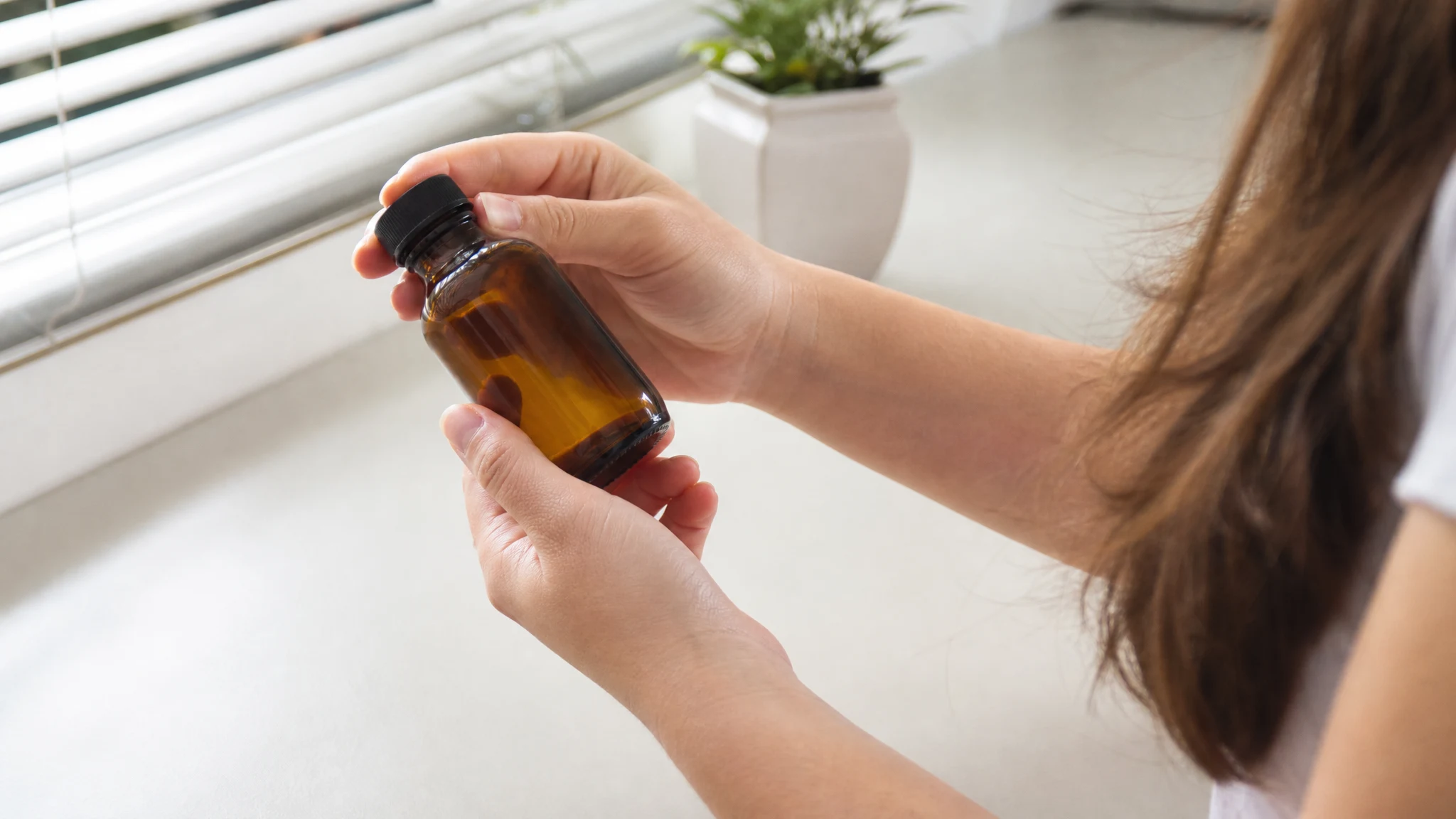
The Institute says refrigerating oils will about double their useful lifespan, which is a reasonable choice for a large bottle you open rarely. The buying-side version of the same idea is size: a half-empty bottle contains a lot of air, which is the factor the Institute calls out. Our sizing guide works through how many drops a household really uses, and we ship every size in amber glass, since Melaleuca oils turn faster in clear glass. Decant working amounts into a small bottle, reseal after each use, and keep the rest in a cool, dark drawer.
An oil that has outlived its best days is not a disaster, only a prompt. Smell it, date it, and let freshness decide.
Rosalina Essential Oil
Rosalina Essential Oil from our own shop, in sizes from 0.5 oz to bulk.
From $16.99
Shop Now →