Essential Oil vs Fragrance Oil: What Is the Difference?
"It's just chemicals" is the usual verdict on fragrance oils, and "it's natural" is the usual defence of essential oils. Neither sentence tells you much. A soft floral scent in a bottle can be a plant extract, a laboratory blend, or a mixture of both, and the label is where you find out how much you are allowed to know.
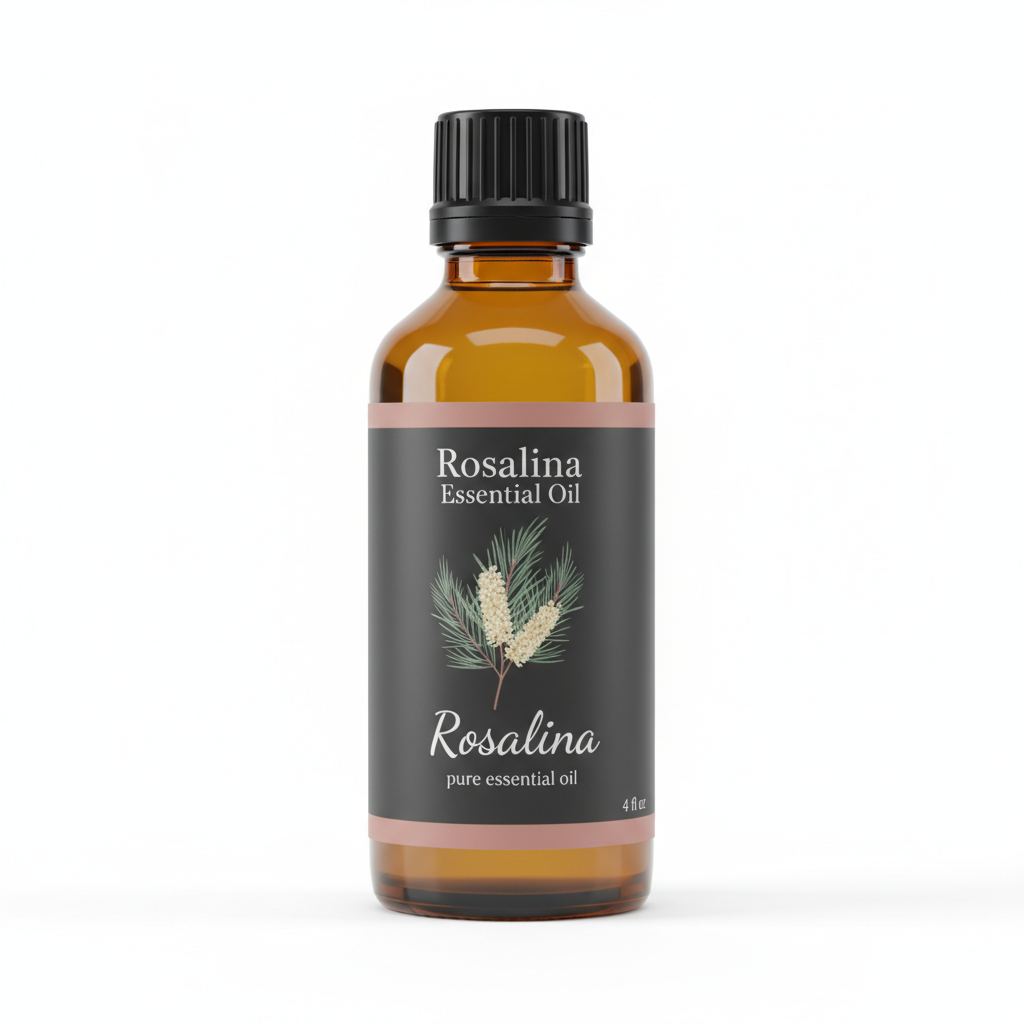
Rosalina Essential Oil
Our own Rosalina Essential Oil, in sizes from 0.5 oz to bulk.
From $16.99
Shop Now →A molecule does not remember where it came from
Linalool, the floral compound behind lavender, bergamot and many other scents, is the same molecule whether a plant made it or a factory did. The FDA says as much in its own terms: it describes fragrance formulas as complex mixtures of natural and synthetic ingredients, and says plant-derived ingredients are treated the same as any other under the law (Fragrances in Cosmetics).
What differs is the company the molecule keeps. Chemists can sometimes tell the origin apart, though not by nose. In a study of lavender, researchers spiked genuine oil with synthetic linalool and linalyl acetate, and the main percentage readings still looked acceptable. Only a chiral analysis gave it away: the proportion of one mirror-image form of linalool jumped from 6.2% to 33.6% (Adulteration of Essential Oils: A Multitask Issue for Quality Control. Three Case Studies: Lavandula angustifolia Mill., Citrus limon (L.) Osbeck and Melaleuca alternifolia (Maiden & Betche) Cheel). So a synthetic is not unsafe for being synthetic, and a plant oil is not safe for being a plant. Safety follows what is in the bottle and how much of it reaches your skin and lungs.
What a fragrance label gives you
In the United States, fragrance ingredients can be listed simply as "Fragrance", and the FDA notes that fragrance formulas are among the components most likely to be protected as trade secrets. It also says it lacks the allergen-labelling authority it has for food (Fragrances in Cosmetics). One word can stand in for dozens of compounds.
The European Union asks for more. Under Regulation (EU) 2023/1545, 56 additional fragrance allergens must be named individually once they pass 0.001% in a leave-on product or 0.01% in a rinse-off one, with products that do not comply leaving the market from 31 July 2026 (Fragrance allergens labelling). The useful question for any scented product is therefore not "natural or synthetic?" but "does the label name the allergens, and do I know which ones affect me?"
What a single-ingredient oil gives you
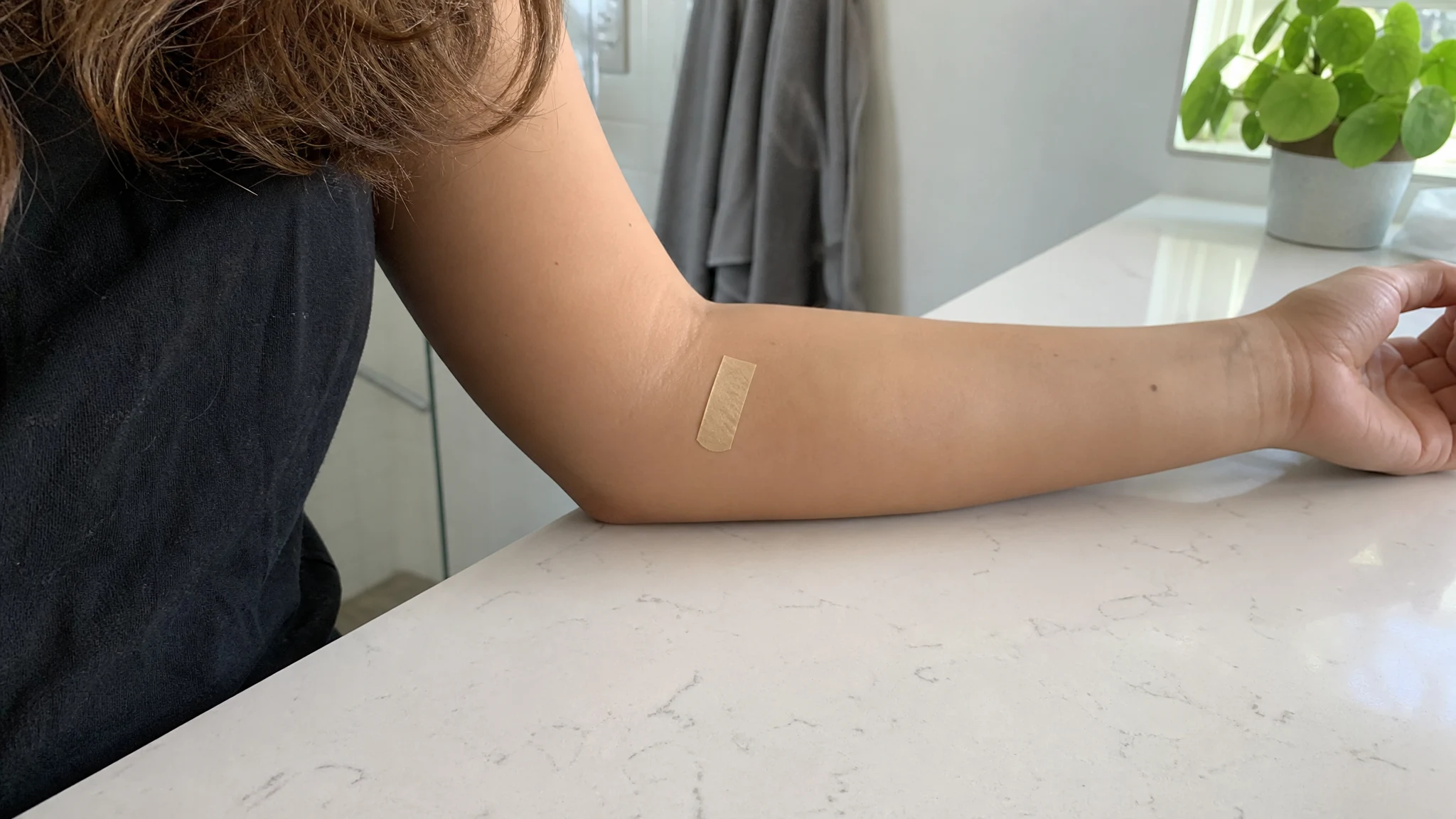
This is where an essential oil earns its place. We sell one rosalina oil, Melaleuca ericifolia, steam-distilled from the leaves and sold neat. That is one ingredient, one plant, one method, and a single thing to ask about. You still need to do your own dilution maths: our skin guidance is 0.5% to 2% in a carrier oil with a patch test first, and we suggest starting at the lower end. Our dilution article covers the numbers.
A plant oil is also a natural product, and it varies. The Certificate of Analysis we publish for one batch lists appearance, smell, a relative density of 0.890 and a refractive index of 1.465 at 20 C, all within the printed standards. If you need a fuller composition, for a product you will sell or for allergen arithmetic, ask us in writing through the contact page for gas chromatography data before you order. Our buying guide lists what to request from any seller.
When a fragrance oil is the better choice
- You need the same scent every time. A fragrance formula is fixed. A distilled oil follows the plant and the season, so a product that must smell identical batch after batch suits a fixed formula.
- You need a full allergen declaration. A fragrance supplier can usually give you an ingredient list and allergen declaration on request, in writing. Ask for it.
- You want a scent no plant makes. Fresh linen or ocean air will not come from a distillation.
A single botanical makes sense when you like the idea of one named ingredient and are happy with a scent that has some natural character. Rosalina is a good example: a Melaleuca with a green, fresh opening and a soft floral sweetness.
Smelling the difference
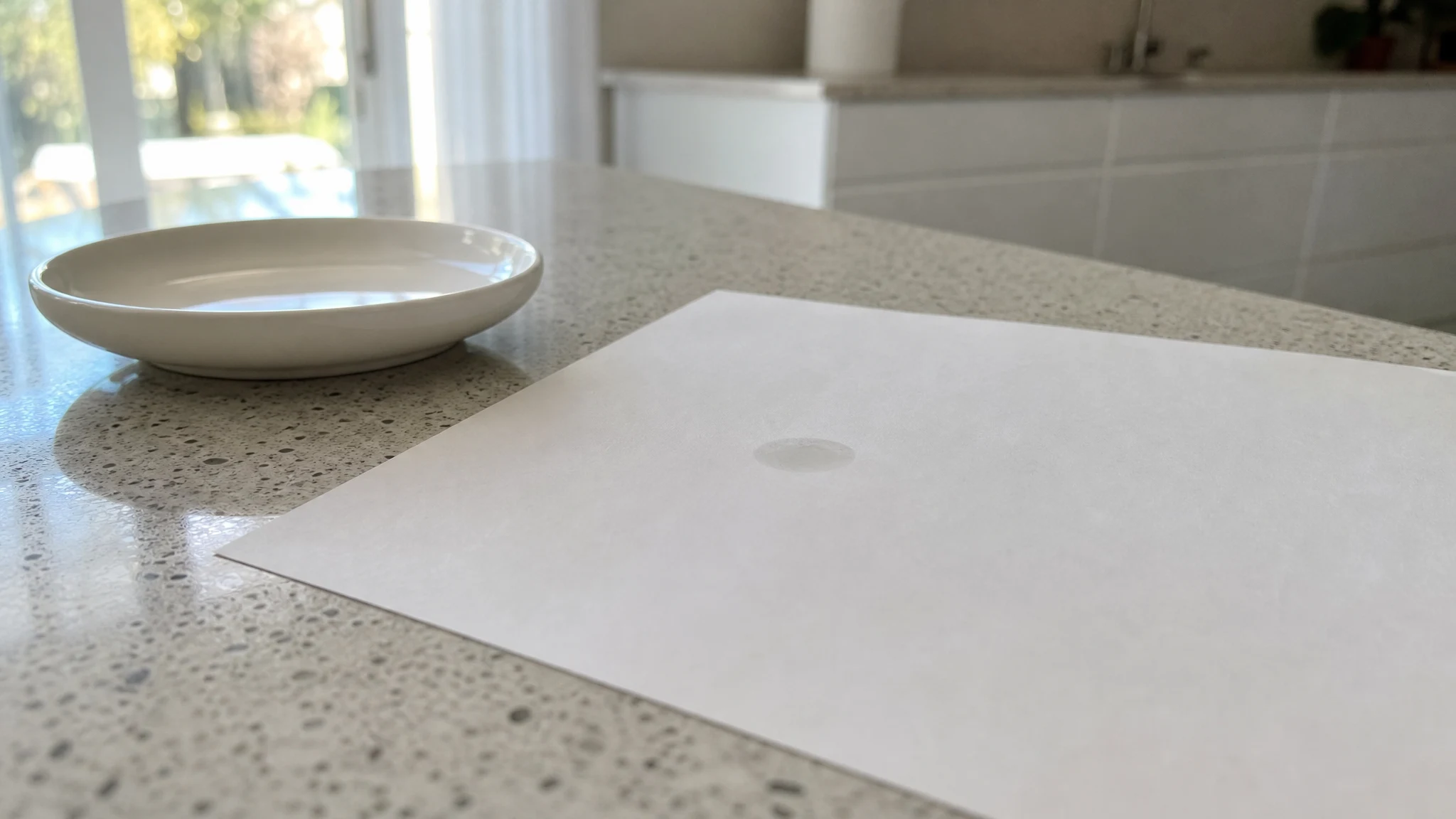
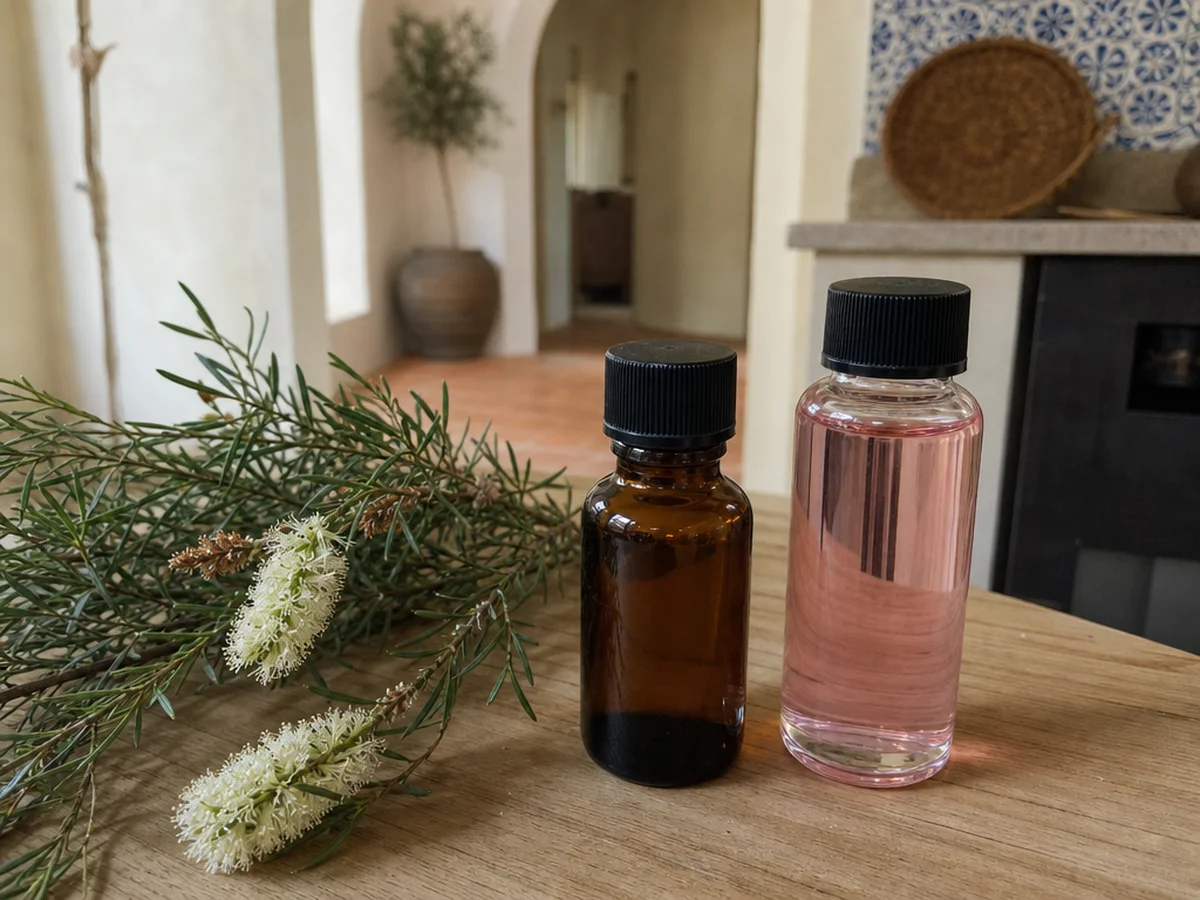
If you can, smell the two side by side on paper strips, or at least one after the other with a pause between them. A fragrance formula is built to smell the same each time, while a distilled oil tends to open one way and settle another. Rosalina is a good example of that unfolding: a green, fresh opening, then a soft floral sweetness. Neither is better. They are simply different pleasures, and knowing which you prefer makes the label easier to read.
Give your nose a rest between samples, and step outside for a breath of fresh air if everything starts to smell the same.
One thing they share
Any product containing linalool can form allergenic oxidation products as it ages. Patch tests on 3,418 dermatitis patients gave positive reactions to oxidised linalool in 0.83% at 2% and 7.2% at 11% (Christensson et al., 2010). For either product the habit is the same: cap it, keep it cool and out of the light, and be wary of a bottle that has sat open for years. Our guide to reading an essential oil label goes deeper on the wording.
So read the label for what is named, ask for what is not, and choose the bottle that fits the job.
Rosalina Essential Oil
Rosalina Essential Oil from our own shop, in sizes from 0.5 oz to bulk.
From $16.99
Shop Now →Sources & Further Reading
- U.S. Food and Drug Administration. Fragrances in Cosmetics
- European Commission. Fragrance allergens labelling
- Capetti et al., 2021, Molecules. Adulteration of Essential Oils: A Multitask Issue for Quality Control. Three Case Studies: Lavandula angustifolia Mill., Citrus limon (L.) Osbeck and Melaleuca alternifolia (Maiden & Betche) Cheel
- Christensson et al., 2010, Contact Dermatitis. Linalool - a significant contact sensitizer after air exposure