DIY Rosalina Pillow Mist: A Soft Floral Linen Spray Tutorial
There is something quietly luxurious about slipping into bed and breathing in a soft, botanical scent rising from your pillow. A rosalina pillow mist makes that small ritual possible with just a handful of ingredients and about ten minutes of your time. This diy linen spray is one of the gentlest ways to bring rosalina essential oil into your evening routine, and it costs a fraction of what comparable commercial products run.
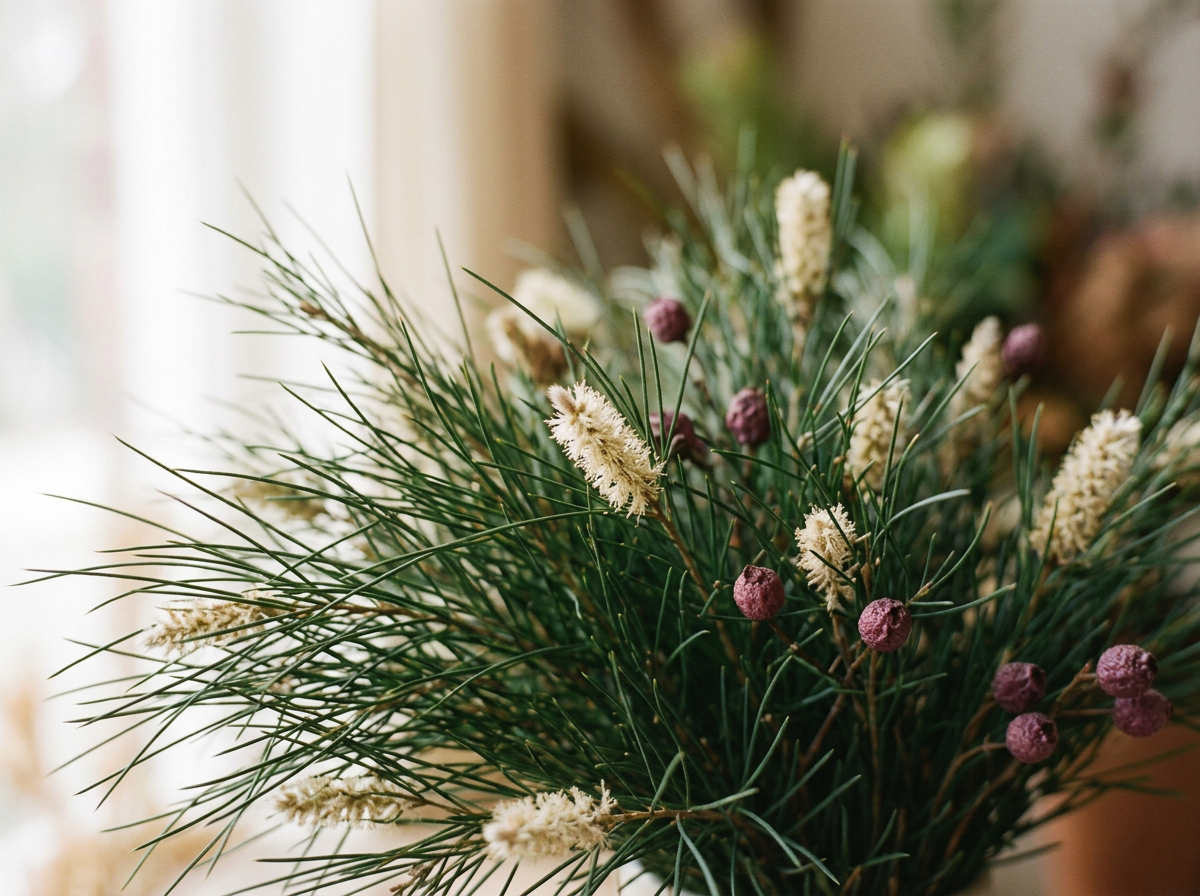
Rosalina (Melaleuca ericifolia) is sometimes called the Lavender Tea Tree because its scent lands somewhere between the two: soft and floral on the front end, with a clean, quietly green finish. That makes it a natural fit for a room spray recipe designed around winding down. It blends beautifully with true lavender and a number of other botanicals, so there is plenty of room to make this formula your own.

Before You Begin: A Quick Note on What This Spray Is For
This is a cosmetic and aromatic product. It is designed to scent fabric and freshen a room. It is not intended to address any physical or emotional condition, and nothing in this tutorial should be read as a suggestion that it will. If you have concerns about your health or wellbeing, please speak with a qualified healthcare provider.
At a Glance
| Detail | Info |
|---|---|
| Difficulty Level | Beginner |
| Prep Time | 10 minutes |
| Yield | Approximately 4 oz (120 ml) |
| Shelf Life | 3 to 6 months |
| Cost Estimate | Low (under $10 once you own the oils) |
Ingredients
Precision matters here. A few extra drops does not make a more effective spray; it makes a stronger-smelling one that may irritate sensitive skin or fabrics. Measure carefully.
- Distilled water: 3.5 oz (105 ml). Tap water contains minerals that can clog your sprayer nozzle over time and may shorten shelf life. Distilled is worth the small extra cost.
- High-proof vodka or perfumer's alcohol (at least 190-proof / 95% ethanol): 0.5 oz (15 ml). This acts as both a dispersant (it helps oil and water blend) and a mild preservative. Do not substitute rubbing alcohol; it carries an unpleasant odor that will compete with your botanicals.
- Rosalina essential oil: 24 drops. This gives you roughly a 1% dilution in the total volume, which is appropriate for a product that will contact fabric that then contacts skin.
- Lavender essential oil (Lavandula angustifolia): 12 drops. Optional but recommended. It rounds out the floral quality of rosalina and softens the green note.
- Cedarwood essential oil (Atlas or Virginian): 6 drops. Also optional. It adds a quiet, woody depth and helps anchor the lighter top notes so the scent lasts a little longer on the fabric.
Total essential oil count in the base recipe: 42 drops across 120 ml, keeping the overall concentration at approximately 1.75%. That is well within safe limits for a linen spray that contacts skin indirectly.
If you are curious about a deeper dive into rosalina's aromatic profile and how it interacts with other botanicals, our complete guide to rosalina oil uses covers that in detail.
Equipment You Will Need
- One 4-oz (120-ml) glass spray bottle (dark amber or cobalt preferred to protect essential oils from light degradation)
- A small glass measuring cup or graduated cylinder
- A clean glass stirring rod or toothpick
- Labels and a marker for dating your batch
- A small funnel (optional but helpful)
Avoid plastic containers for storage. Essential oils can degrade certain plastics over time, and the compounds released are something you do not want on your pillowcase.
Step-by-Step Instructions
- Measure your alcohol first. Pour 15 ml of high-proof vodka or perfumer's alcohol into your glass measuring cup. Starting with alcohol helps the essential oils disperse before the water is added.
- Add your essential oils directly to the alcohol. Drop in your rosalina, then lavender, then cedarwood (if using). Stir gently for about 30 seconds. You should see the liquid become slightly cloudy or opalescent. That is normal.
- Let the mixture rest for two minutes. This brief maceration period helps the aromatic compounds bind to the alcohol before dilution.
- Add the distilled water slowly. Pour in 105 ml of distilled water, stirring as you go. The mixture may cloud slightly; again, that is expected when using water without a true solubilizer.
- Stir for a full minute. Do not rush this step. Thorough mixing keeps the oils from pooling at the surface, which can lead to uneven spray distribution and potential fabric spotting.
- Transfer to your spray bottle. Use a small funnel if needed. Cap the bottle and give it five or six firm shakes.
- Label immediately. Write the date of preparation and the contents. You will thank yourself in four months when you find it at the back of a cabinet.
- Shake before every use. Water and oil will always want to separate. A quick shake before spraying ensures an even mist each time.
How to Use Your Rosalina Pillow Mist

Hold the bottle 8 to 12 inches from your pillowcase and mist lightly, one to two sprays per pillow. Let the fabric dry for at least one minute before resting your face on it. This is not a room-filling cloud; it is a close, personal scent experience. Subtlety is the point.
You can also use this rosalina room spray recipe on other soft furnishings: linen curtains, a cotton throw blanket, or even the inside of a closet for a gentle freshening effect. Avoid spraying on silk, wool, or delicate dry-clean-only fabrics, as water spotting can occur.
Safety Warnings and Contraindications
Please read this section before making or using this spray.
Dilution and Skin Contact
This formula is designed for indirect skin contact only (fabric to skin, not direct application). The 1 to 1.75% dilution range is chosen with that use case in mind. Do not apply this spray directly to skin, and do not increase the essential oil concentration beyond what is listed here without recalculating your dilution.
Patch Testing Fabric
Before the first use, mist a small, hidden area of your pillowcase (such as the inside of the hem), let it dry completely, and check for any staining or texture change. Most plain cotton and linen fabrics handle this formula without issue, but patterned or dyed fabrics can sometimes react to alcohol. Give it 24 hours before committing to a full pillow spray.
Sensitivity and Allergies
Rosalina contains linalool and 1,8-cineole, among other naturally occurring compounds. Some people are sensitive to one or both. If you have known sensitivities to tea tree or lavender family botanicals, exercise caution. If you notice any skin irritation after use, discontinue and consult a healthcare provider.
Pregnancy, Nursing, and Children
Some essential oils require additional caution during pregnancy, while nursing, or around young children. Please consult a qualified healthcare provider or certified aromatherapist before using any essential oil product in these situations.
Pets
Cats in particular are sensitive to many essential oil compounds, including those present in rosalina. If you share a sleeping space with a cat, consult a veterinarian before introducing any essential oil linen spray to your bedding routine.
Fire Safety
High-proof alcohol is flammable. Keep your spray bottle away from open flames, candles, and heat sources during both preparation and storage.
Storage Instructions and Shelf Life
Store your rosalina pillow mist in a cool, dark location. A nightstand drawer or a bathroom cabinet away from the shower's heat and humidity both work well. Direct sunlight and temperature fluctuations accelerate the oxidation of essential oil compounds, which shortens shelf life and can alter the scent.
Properly stored, this formula should remain pleasant for three to six months. If the scent shifts in a way that smells sharp, sour, or simply off, discard the batch and make a fresh one. Your nose is a reliable quality indicator here. Because this recipe contains no synthetic preservatives, err on the shorter end of that range if you live in a warm climate.
Variations and Substitutions
Floral-Forward Version
Replace the cedarwood with 6 drops of Roman chamomile (Anthemis nobilis). The result is softer and more overtly floral, with a slight apple-like sweetness that pairs beautifully with rosalina's green edge.
Citrus Lift Version
Swap the lavender for 12 drops of bergamot (bergapten-free, especially important for a product near skin). This brightens the spray considerably and suits a daytime linen refresh better than a bedtime mist.
Single-Note Simplicity
Use only rosalina: 36 drops total in the same base. This lets the oil speak entirely for itself. Rosalina is complex enough to carry a solo formula, and this version is ideal if you want to really learn how the oil smells on its own before you start blending.
Solubilizer Substitute
If you prefer to avoid alcohol entirely, a small amount of polysorbate 20 (a cosmetic-grade solubilizer) can be used instead. Use approximately 1 ml of polysorbate 20 per 1 ml of essential oil blend, add it to the oils first, mix thoroughly, then add water. Note that this changes the formula's preservation profile; use within six to eight weeks and store in the refrigerator.
A Companion Soak for the Same Evening Ritual
If you enjoy layering your wind-down routine with complementary scents, our rosalina bath salts tutorial uses a similar botanical palette in a soak format. The two products share enough common notes that they work together without competing.
A Note on Oil Quality
A linen spray is a simple formula, but the quality of your essential oil still matters. A rosalina oil that has been allowed to oxidize (from improper storage, excessive age, or poor production practices) will smell flat or slightly sharp rather than bright and floral. It will also be more likely to cause skin sensitivity.
Look for a supplier who shares GC/MS (gas chromatography/mass spectrometry) test data for their batches, lists the botanical name (Melaleuca ericifolia) clearly, and provides sourcing transparency. For a fuller picture of what to look for when sourcing rosalina, our complete rosalina guide covers quality indicators in a dedicated section.
If you are also interested in how rosalina plays with other forest-forward botanicals in a pre-blended format, our Quiet Grove blend pairs it with cedar in a way that translates beautifully into a pillow mist variation of its own.
Final Thoughts on Making This Your Own
The recipe above is a starting point, not a fixed formula. Adjust the essential oil ratios in small increments (two or three drops at a time) and let each adjusted version dry on a cotton pad before committing it to a full batch. Scent changes on the dry-down, and what smells bold in the bottle often softens considerably on fabric.
Keep a small notebook with your batch dates, ratios, and notes on scent performance. Over time, you will build an intuitive sense of how these botanicals interact, and your sprays will only get better. A rosalina pillow mist is one of the simplest diy linen spray projects you can start with, and it is a genuinely pleasant one to return to.