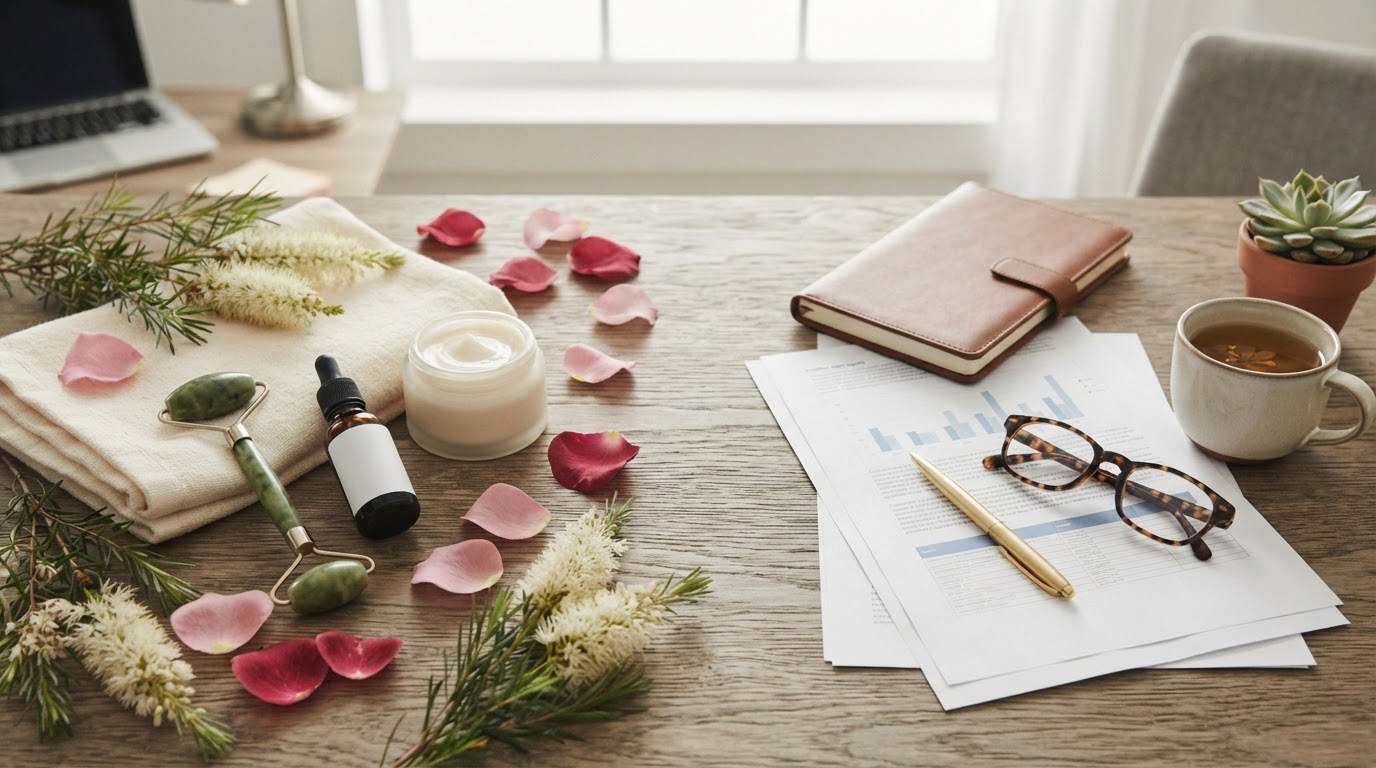
Rosalina Oil for Skin: Gentle Botanical Notes in a Simple Routine
Rosalina essential oil sits in an interesting corner of the botanical world. Distilled from the leaves of Melaleuca ericifolia, a native Australian shrub, it carries a soft, layered scent: part lavender, part fresh green, with a quiet woodsy undertone. That scent profile is part of why rosalina skincare has been gathering attention from people who want gentler essential oils for skin routines without giving up the botanical richness they love.
This guide walks through everything you need to build a simple, safe rosalina skincare routine from scratch. You will find a materials list, step-by-step instructions, and notes on what to realistically expect. If you are curious about the broader world of this oil beyond skin care, the complete guide to rosalina oil uses is a good place to start.
Why Rosalina for Skin?
Rosalina's primary chemical constituent is linalool, a naturally occurring compound also found in lavender. Linalool is widely studied for its skin-compatibility profile, and some research suggests it may support a calm, comfortable feeling on the surface of the skin. The oil also contains 1,8-cineole and alpha-terpineol, which give it a fresh, slightly cooling character that many people find appealing in warmer months or after outdoor activity.
What makes rosalina stand out among gentle essential oils for skin is the balance it strikes. Lavender is beloved, but some find its scent too sweet. Tea tree is popular, but its sharp medicinal note can be polarizing. Rosalina sits somewhere between the two: fresh and botanical without being aggressive. It is sometimes called the Lavender Tea Tree, and that nickname captures the duality well.
A note before we go further: essential oils are cosmetic ingredients and aromatic additions to a routine. They are not substitutes for professional skin care advice. If you have a specific skin concern, consult a qualified dermatologist or healthcare provider before making changes to your routine.
What You Will Need
Keep your materials simple. A focused routine with quality ingredients will serve you better than an elaborate one with questionable sourcing.
Core Ingredients
- Rosalina essential oil: Look for 100% pure Melaleuca ericifolia with a GC/MS (gas chromatography/mass spectrometry) report available. Australian-sourced is common and generally well-regarded for quality.
- A carrier oil: Choose based on your skin type. Jojoba (technically a liquid wax) is a popular choice because its composition is close to the skin's natural sebum. Rosehip seed oil, sweet almond oil, and fractionated coconut oil are also widely used. A 1-ounce (30 ml) bottle is enough to start.
- An unscented base product (optional): A fragrance-free lotion or facial serum can serve as an alternative carrier if you prefer a lighter texture to straight oil.
Tools and Supplies
- Small amber or dark glass bottle (1 oz / 30 ml) for your blend
- A dropper or pipette for measuring
- A small bowl for patch testing
- Labels and a marker (date your blends)
- Clean measuring spoons if using a lotion base
A Note on Quality
The quality of your rosalina oil matters more than the brand name on the label. Request or download the supplier's GC/MS report. A high-quality rosalina will typically show linalool as the dominant constituent, often in the 35 to 55 percent range. Oils that list only vague botanical origins or have no batch testing documentation are worth skipping, regardless of price.
Dilution: The Most Important Step
Dilution is not optional. Essential oils are highly concentrated plant extracts, and applying them undiluted to skin (a practice sometimes called "neat" application) can cause sensitization, irritation, or a reaction that may make you unable to use the oil comfortably in the future. Getting dilution right from the beginning protects both your skin and your long-term enjoyment of the oil.
General dilution guidelines for facial and body use:
| Use Area | Dilution Percentage | Drops per 1 oz (30 ml) Carrier |
|---|---|---|
| Face (general) | 0.5% to 1% | 3 to 6 drops |
| Body (general adults) | 2% | 12 drops |
| Spot application (small area) | 1% to 2% | 6 to 12 drops |
| Sensitive skin | 0.5% or lower | 3 drops or fewer |
For children, people who are pregnant or nursing, and older adults with thinner skin, dilution percentages should be reduced further. Please consult a qualified healthcare provider before using essential oils in those contexts. For families with young children at home, the article on rosalina and little noses covers age-appropriate considerations in more detail.
Step-by-Step: Building Your Rosalina Skincare Routine
Step 1: Patch Test Before Anything Else
Do this before you use any new essential oil blend on your face or body. Mix one drop of rosalina essential oil into one teaspoon of your chosen carrier oil. Apply a small amount to the inside of your wrist or inner elbow. Leave it uncovered and unwashed for 24 hours. Check for any redness, itching, or unusual sensation. If you notice anything, rinse with soap and water and set this oil aside. If your skin looks and feels normal after 24 hours, you can move forward.
This step feels slow. Do it anyway. Sensitization reactions from skipping patch tests are far more frustrating than waiting a day.
Step 2: Choose Your Carrier and Blend
Select a carrier oil that suits your skin type:
- Oily or combination skin: Jojoba oil is a classic choice. It absorbs quickly and does not feel heavy.
- Dry skin: Sweet almond oil or rosehip seed oil provide a richer feel and are widely used in nourishing blends.
- Sensitive skin: Fractionated coconut oil is lightweight and generally well-tolerated.
For a basic 1% facial blend, add 6 drops of rosalina essential oil to a clean 1-ounce (30 ml) amber glass bottle. Fill with your chosen carrier oil. Cap the bottle, label it with the date and contents, and turn it gently a few times to combine. Do not shake vigorously.
Step 3: Integrate Into Your Cleansing Routine
Rosalina blends well into an evening cleansing ritual. After washing your face with your usual gentle cleanser, pat your skin mostly dry (a little dampness actually helps carrier oils absorb). Dispense two to three drops of your rosalina blend into your palm, rub your palms together lightly, and press them gently against your face. Work in upward strokes, avoiding the eye area.
The scent that rises during this step is one of the small pleasures of a botanical routine. Rosalina's soft, green-lavender note may support a sense of calm during an evening wind-down, which is one reason people find it a pleasant fit for nighttime skin rituals.
Step 4: Add a Body Application (Optional)
For a body moisturizing blend, use a 2% dilution: 12 drops of rosalina essential oil in 1 ounce (30 ml) of carrier oil. Apply to slightly damp skin after a shower, focusing on areas that tend to feel dry. The fresh scent lingers softly without being overpowering.
If you prefer a lotion texture to straight oil, you can stir your rosalina drops into a fragrance-free unscented lotion instead. Use the same drop counts. Stir thoroughly before each use, as essential oils and water-based lotions can separate over time.
Step 5: Maintain and Adjust Over Time
Give any new skincare routine at least three to four weeks before drawing conclusions about how it suits your skin. Start with every other evening rather than daily use, especially for facial application. If your skin responds well, you can increase frequency gradually.
Keep a simple log. Note the date, the blend you used, and any observations about how your skin looks and feels. This makes it much easier to adjust if something is not working, and easier to replicate results when something is.
Practical Recipes to Try
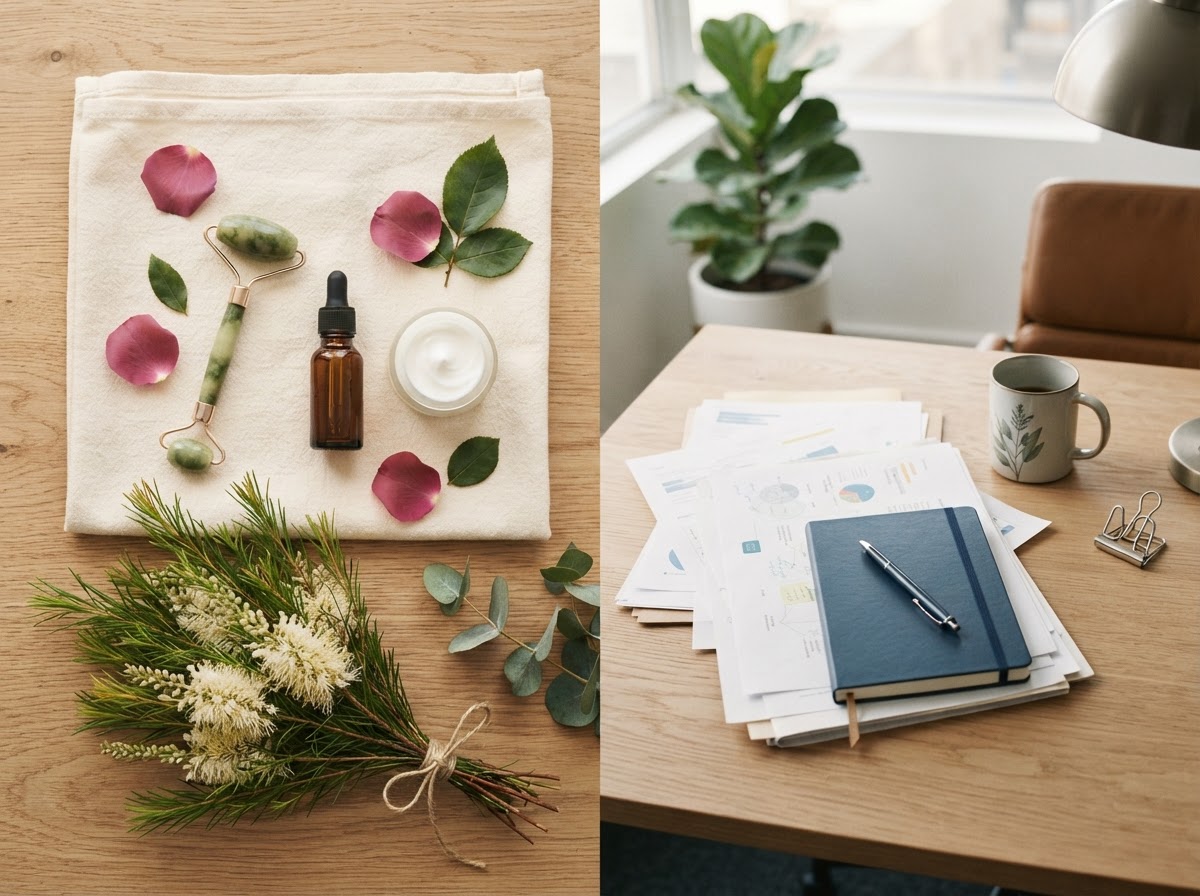
Recipe 1: Everyday Facial Blend (1%)
Ingredients: 6 drops rosalina essential oil, 1 oz (30 ml) jojoba oil
Method: Combine in a dark glass dropper bottle. Cap and turn gently to mix. Apply 2 to 3 drops to clean, slightly damp skin each evening.
Shelf life: Up to 12 months if stored away from heat and light. Jojoba has a long stable shelf life.
Recipe 2: Grounding Body Oil (2%)
Ingredients: 8 drops rosalina essential oil, 4 drops lavender essential oil, 1 oz (30 ml) sweet almond oil
Method: Combine in a dark glass bottle. Apply to skin after showering while skin is still slightly warm. The combination of rosalina and lavender creates a soft, layered botanical scent that many people find well-suited to an evening wind-down routine.
Shelf life: 6 to 9 months. Sweet almond oil oxidizes more quickly than jojoba; store in a cool, dark place.
Recipe 3: Spot Blend for Occasional Use
Ingredients: 2 drops rosalina essential oil, 1 teaspoon (5 ml) fractionated coconut oil
Method: Mix in a small bowl or directly in your palm. Apply to a specific small area of skin as needed. This is a 2% dilution suitable for adult use on the body, or a 1% dilution if you reduce to 1 drop for facial spot use.
Note: Mix fresh each time rather than storing in bulk, since this small volume is intended for immediate use.
Common Mistakes to Avoid
- Skipping dilution: Covered above, but worth repeating. No drop of rosalina belongs on skin without a carrier.
- Using a carrier oil past its shelf life: Oxidized carrier oils can cause irritation and will affect the quality of your blend. Check the expiration date and smell your carrier before using it. Rancid oil smells unpleasant and should be discarded.
- Storing blends in plastic: Essential oils can degrade certain plastics over time. Always store blends in glass.
- Applying to skin before sun exposure: Some essential oils may increase photosensitivity. While rosalina is not widely flagged as highly phototoxic, it is still a good general practice to apply oil-based blends in the evening or to areas not exposed to direct sun.
- Expecting overnight results: Botanical skincare routines work gradually. People who notice positive changes typically report them after several weeks of consistent use, not several days.
- Using too much: More essential oil does not mean more benefit. Higher concentrations increase the risk of skin sensitization. Stick to the dilution guidelines.
What to Realistically Expect
Rosalina oil for skin is not a dramatic intervention. What people commonly report is a skin feel that seems more comfortable and balanced over time, a scent they enjoy as part of their routine, and an overall sense that their skin ritual feels intentional rather than rushed.
Some people find that the linalool-rich profile of rosalina may support a soft, even skin appearance with consistent use. Others appreciate it mainly for the aromatic experience it brings to an evening routine. Both are valid reasons to use it.
If you are curious about how rosalina fits into other areas of daily life beyond skin care, including freshening up a small living space, the guide to rosalina for renters and small-space freshness offers some practical ideas.
A Few Final Practical Notes
Buy rosalina oil from a supplier who is transparent about sourcing, distillation method, and batch testing. A supplier who cannot tell you where the oil was grown or who refuses to share GC/MS data is not a supplier worth trusting, regardless of how appealing the label looks.
Start with a small amount: a 5 ml or 10 ml bottle is plenty for building a routine and assessing whether the oil works well for you before committing to a larger quantity.
And keep it simple. A one or two-ingredient blend that you use consistently will do more for your routine than a complicated formula you make once and forget. Rosalina's quiet, distinctive scent is the kind that earns its place in a daily ritual because it is pleasant to return to, not because it demands attention. That is, perhaps, the best thing about gentle essential oils for skin: the routine itself becomes something you look forward to.